Car Financing
Average Car Loan Interest Rates by Credit Score in 2026
KEY TAKEAWAYS
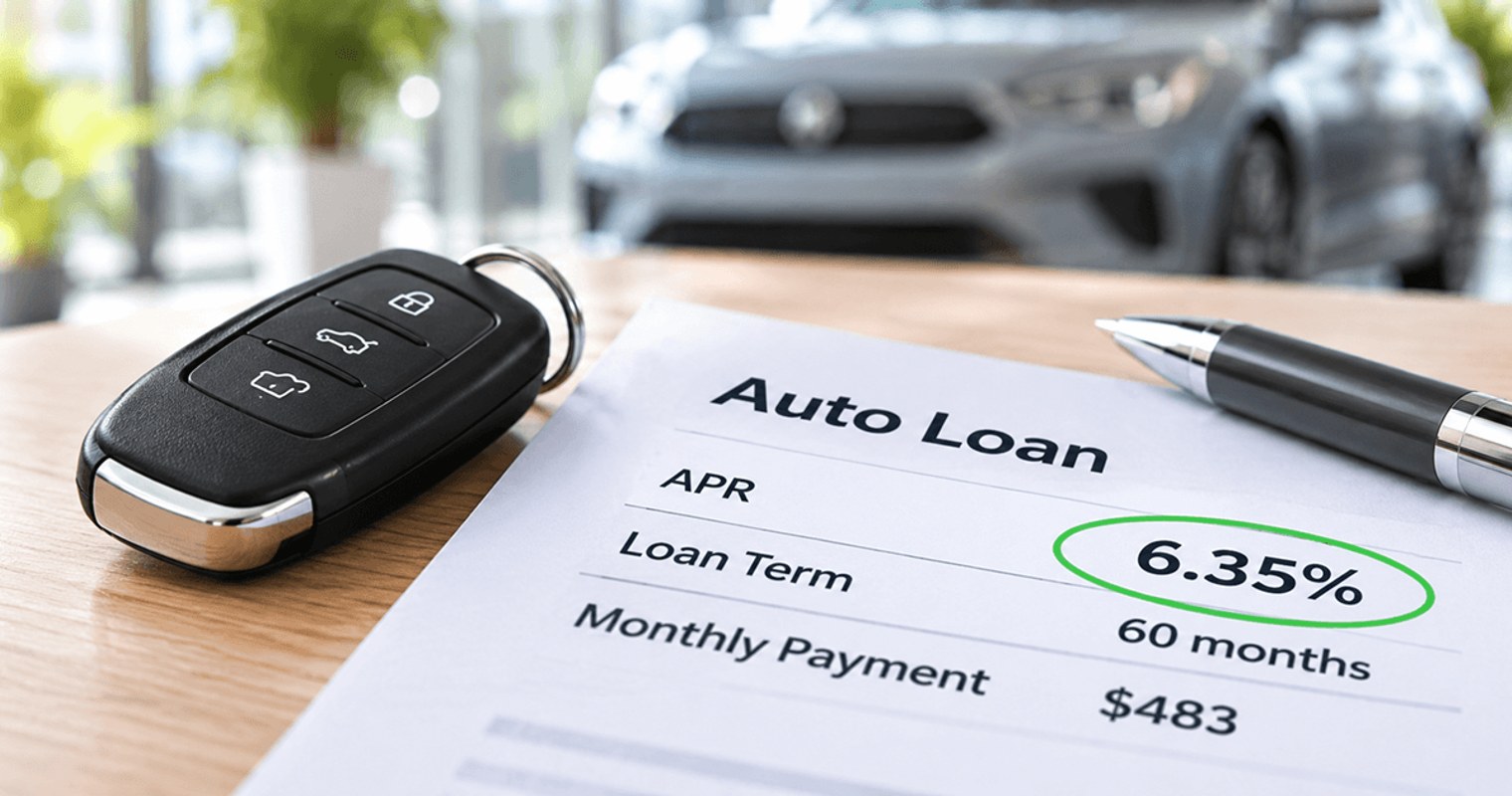
- Average new car APR: 6.35% in Q2 2026.
- Average used car APR: 11.19% during the same period.
- Excellent credit: Borrowers with scores of 781 to 850 received average new car APRs of 4.41%.
- Credit scores matter: Lower credit scores generally correspond to higher borrowing costs.
- Used car financing costs more on average: Used car APRs were higher across all 5 credit categories.
- Your actual offer may differ: Income, debt, loan term, down payment, and vehicle eligibility also affect financing.
According to Experian's Q2 2026 automotive finance data, the average car loan APR was 6.35% for new vehicles and 11.19% for used vehicles. Your credit score can make a substantial difference in the rate you're offered. Borrowers with credit scores of 781 or higher received average APRs of 4.41% on new cars and 6.29% on used cars. For borrowers with scores between 601 and 660, those averages increased to 9.71% and 13.93%. On a $25,000 loan, the difference between the highest and lowest credit tiers can mean more than $8,600 in additional interest over 5 years. These averages can help you evaluate financing offers, understand where your credit score falls, and decide whether improving your credit or adjusting your vehicle budget could save money.
What Are the Average Car Loan Interest Rates by Credit Score in 2026?
Experian's State of the Automotive Finance Market report for Q2 2026 provides average APRs across 5 credit categories.
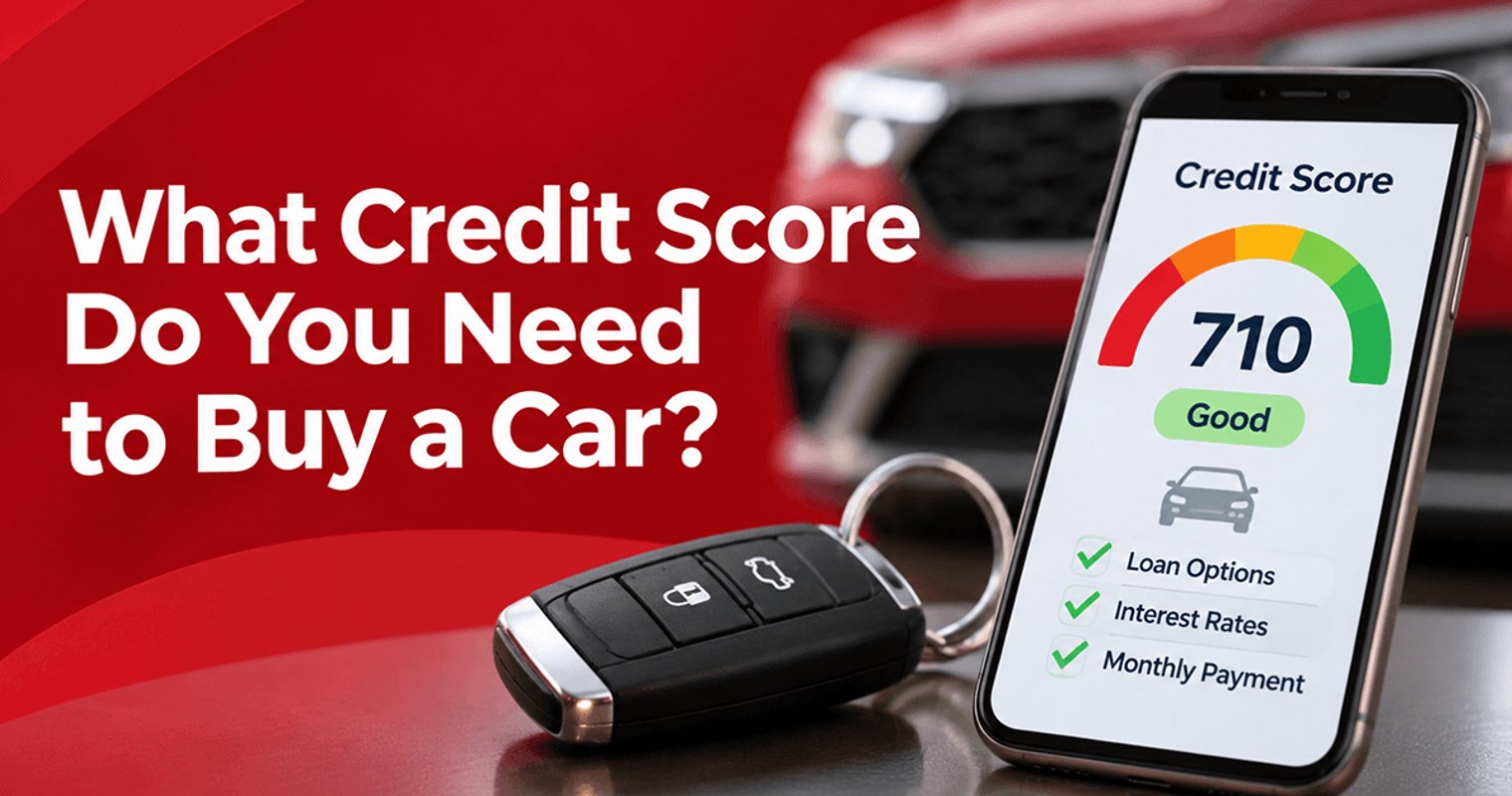
The categories use VantageScore 4.0 credit scores, which range from 300 to 850.
| Credit Score Range | Credit Tier | New Car APR | Used Car APR |
|---|---|---|---|
| 781–850 | Super prime | 4.41% | 6.29% |
| 661–780 | Prime | 6.15% | 8.81% |
| 601–660 | Near prime | 9.71% | 13.93% |
| 501–600 | Subprime | 13.52% | 19.10% |
| 300–500 | Deep subprime | 16.11% | 21.62% |
| All credit scores | Overall average | 6.35% | 11.19% |
Source: Experian, State of the Automotive Finance Market, Q2 2026. Credit tiers use VantageScore 4.0. Figures represent average APRs on originated loans, not guaranteed financing offers.
The difference is substantial. A shopper in the super prime category received an average new car APR of 4.41%, compared with 9.71% for someone in the near prime category.
Used car financing shows an even larger gap between borrowers with excellent credit and those with lower scores.
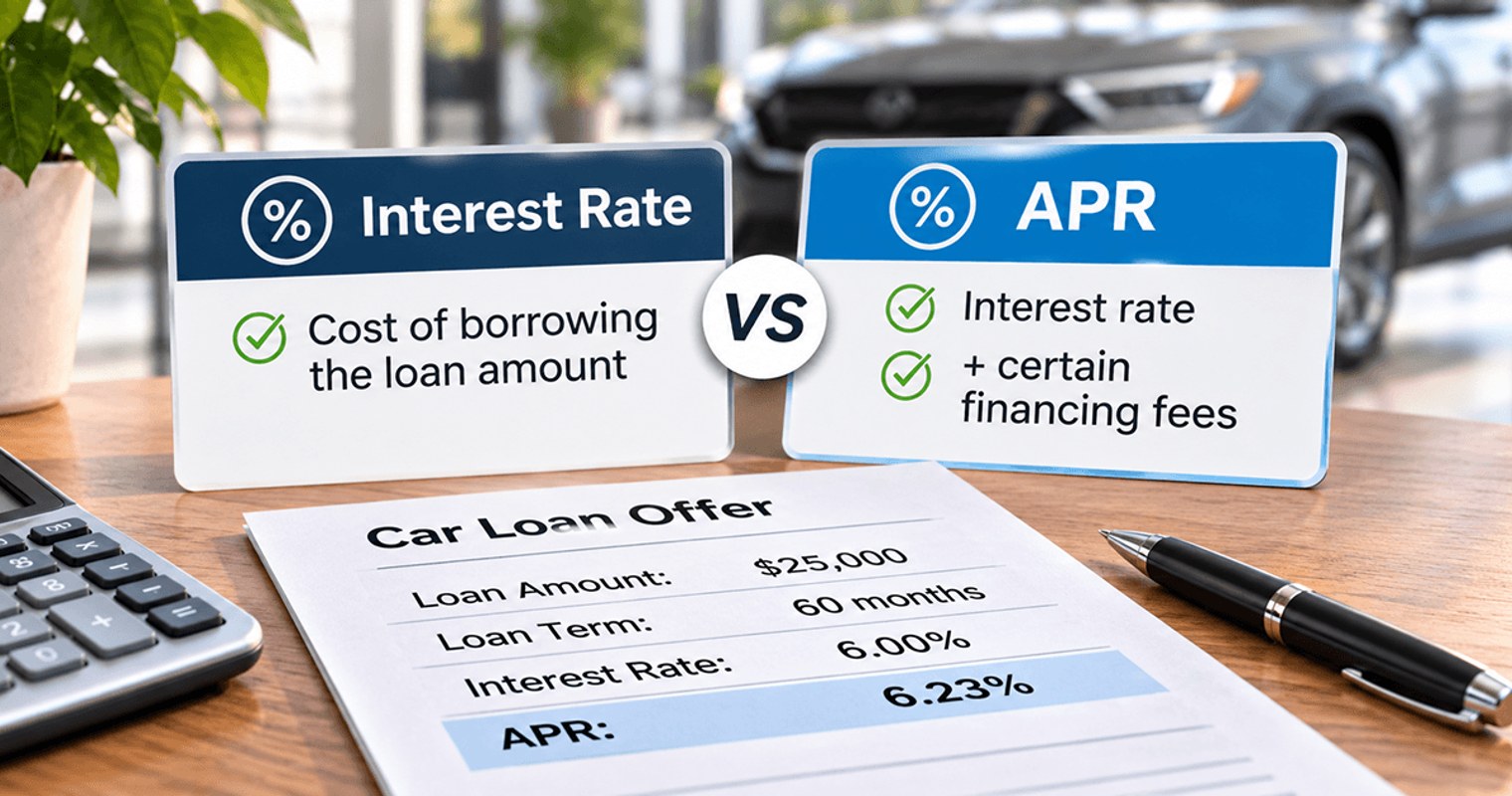
These figures are reported as APRs rather than simple interest rates. APR accounts for the interest rate and certain additional finance charges, making it useful when comparing financing offers.
The APR and interest rate on an individual loan may differ.
The averages also describe loans originated during Q2 2026. They aren't live quotes for November 2026.
How Much Does Your Credit Score Change Your Monthly Car Payment?
Your credit score can influence your APR, which affects both your monthly payment and total interest.
Consider a $25,000 auto loan repaid over 60 months.
Using Experian's average new car APRs as hypothetical fixed interest rates, here's how the payments compare.
| Credit Tier | Example APR | Monthly Payment | Total Interest |
|---|---|---|---|
| Super prime | 4.41% | $465.05 | $2,903 |
| Prime | 6.15% | $485.07 | $4,104 |
| Near prime | 9.71% | $527.62 | $6,657 |
| Subprime | 13.52% | $575.50 | $9,530 |
| Deep subprime | 16.11% | $609.41 | $11,565 |
Source: AutoFinder calculations using Experian's Q2 2026 average new car APRs. Assumes a $25,000 loan, 60 equal monthly payments, a fixed interest rate equal to the stated APR and no additional finance charges. Monthly payments are rounded to the nearest cent and total interest to the nearest dollar.
A borrower financing $25,000 at 4.41% would pay approximately $465 per month.
At 16.11%, the payment increases to approximately $609.
That's a difference of about $144 per month and $8,662 in total interest over 5 years.
The example holds the loan amount and repayment term constant to show the effect of different rates. Actual borrowers may finance different amounts and receive different terms.
If you're comparing financing offers, AutoFinder's Car Payment Calculator can help you estimate payments using your own loan amount, rate and repayment period.
How Does Your Credit Score Affect Your Car Loan Interest Rate?
Lenders use credit scores to help evaluate the likelihood that a borrower will repay a loan.
A higher score generally reflects a stronger history of managing credit and can help you qualify for lower rates.
A lower score may indicate greater lending risk, which can result in higher APRs or additional financing requirements.
However, two shoppers with the same credit score won't necessarily receive identical offers.
Lenders also consider income, existing debt, down payment, loan term and the vehicle being financed.
The scoring model matters, too. Experian's published categories use VantageScore 4.0, but individual lenders may use different models, including industry-specific auto credit scores.
Credit Scores of 781 to 850: Super Prime
Borrowers in this category received the lowest average APRs in Experian's Q2 2026 data.
Their average rates were 4.41% for new cars and 6.29% for used cars.
A strong credit profile may also help borrowers qualify for manufacturer-sponsored financing promotions on eligible vehicles.
For example, a qualified shopper might be eligible for a promotional APR below the national average.
However, some promotional rates cannot be combined with certain rebates or incentives, so the lowest advertised rate isn't always the lowest overall purchase cost.
Credit Scores of 661 to 780: Prime
Prime borrowers received average APRs of 6.15% on new vehicles and 8.81% on used vehicles.
This category covers a wide range of credit scores.
Someone with a score near 780 may receive different financing terms than a shopper closer to 661, even though both fall within the same category.
If your score is around 700, these averages provide a useful benchmark, but the lender's actual offer matters more than the category average.
Credit Scores of 601 to 660: Near Prime
Near prime borrowers received average APRs of 9.71% for new cars and 13.93% for used cars.
At these rates, the amount financed becomes particularly important.
Suppose you're considering a $30,000 vehicle but could purchase a suitable alternative for $25,000.
Reducing the amount borrowed by $5,000 could make a meaningful difference in both your monthly payment and total interest.
A larger down payment can have a similar effect by reducing the principal.
For borrowers in this category, choosing an affordable vehicle may provide more immediate savings than extending the loan term to lower the payment.
Credit Scores of 501 to 600: Subprime
Subprime borrowers received average APRs of 13.52% on new vehicles and 19.10% on used vehicles.
Financing may still be available, but higher rates increase the importance of understanding the total repayment cost.
For example, financing $20,000 at a high APR over 72 months may create a manageable monthly payment while resulting in substantial interest charges.
A shorter term, smaller loan amount or larger down payment may reduce the total cost, depending on the financing offer.
A dealership may also be able to explore available lending programs and explain which vehicles meet lender requirements.
Credit Scores of 300 to 500: Deep Subprime
Borrowers in this category received average APRs of 16.11% for new cars and 21.62% for used cars.
At those rates, interest can represent a substantial portion of the total amount repaid.
Some borrowers may have limited financing options or face additional lender requirements.
If a vehicle purchase isn't urgent, improving your credit before applying could help expand your options.
If you need transportation immediately, prioritize a manageable purchase price and review the full loan agreement before committing.
Why Are Used Car Loan Interest Rates Higher Than New Car Rates?
Used car loans generally carry higher APRs than new car loans.
Experian reported an overall average used car APR of 11.19% in Q2 2026, compared with 6.35% for new vehicles.
Several factors contribute to that difference.
Vehicle Age and Mileage
Older vehicles may have higher mileage, more wear and a greater likelihood of requiring repairs.
Lenders may account for those factors when evaluating vehicle eligibility and financing terms.
Vehicle Value
Most auto loans are secured by the vehicle being financed.
Lenders consider the vehicle's value because it serves as collateral for the loan.
Age, condition and depreciation can influence that assessment.
Manufacturer Financing Programs
Automakers sometimes offer promotional financing on eligible new vehicles.
These programs can provide lower APRs for qualified buyers, including rates below broader market averages.
Used vehicles generally have fewer manufacturer-sponsored financing options, although certified pre-owned promotions may be available.
Differences Between Borrowers
New and used car borrowers may have different credit profiles, loan amounts and repayment terms.
Those differences also influence the averages reported across the market.
A higher used car APR doesn't automatically make a used vehicle the more expensive purchase.
A lower selling price may offset some or all of the additional financing cost.
The best comparison considers the full purchase price, loan terms and expected ownership expenses.
What Is a Good Car Loan Interest Rate for Your Credit Score?
A competitive car loan rate depends on your credit profile, the vehicle and the terms of the financing offer.
Experian's averages can help you establish a reference point.
For example, a shopper with a 720 credit score falls within the prime category, where the average new car APR was 6.15% in Q2 2026.
If that shopper receives an offer at 9%, it may be worth reviewing the loan details and comparing other lenders.
There could be a reasonable explanation for the difference, such as a longer loan term, a higher loan-to-value ratio or other financial factors.
Likewise, receiving an APR below your credit tier's average doesn't guarantee it's the lowest rate available.
For a more detailed explanation of evaluating financing offers, see AutoFinder's What Is a Good APR for a Car Loan?.
What Else Determines Your Car Loan Interest Rate?
Credit scores are important, but lenders consider several other factors when determining financing terms.
Loan Term
Longer repayment terms may carry higher rates, depending on the lender.
A longer loan can also increase total interest, even when the APR stays the same.
Down Payment
A larger down payment reduces the amount borrowed.
It may also lower the loan-to-value ratio, which can influence lender risk.
However, putting more money down doesn't guarantee a lower APR.
Income and Existing Debt
Lenders may evaluate your income and monthly debt obligations to determine whether the proposed payment is affordable.
A strong credit score doesn't automatically guarantee approval for a particular loan amount.
Vehicle Age and Condition
New, used and certified pre-owned vehicles may qualify for different financing programs.
Some lenders establish age, mileage or value restrictions.
Lender Requirements
Banks, credit unions and dealership lending partners may use different underwriting standards.
That means borrowers with similar financial profiles can receive different offers.
How Can You Get a Lower Car Loan Interest Rate?
If you're preparing to finance a vehicle, several steps may improve your borrowing options.
1. Check Your Credit Reports
Review your credit reports for inaccurate balances, unfamiliar accounts or other errors.
You can access free credit reports through AnnualCreditReport.com.
Checking your own reports doesn't affect your credit score.
If you find inaccurate information, consider disputing it before applying.
2. Reduce Existing Debt
Paying down credit card balances may improve your credit utilization and strengthen your credit profile.
It can also reduce your monthly debt obligations.
The effect on your score depends on your overall credit history, so a particular payment won't guarantee a specific increase.
3. Compare Financing Offers
Banks, credit unions and dealership lending partners may offer different rates.
The Consumer Financial Protection Bureau explains that qualifying auto loan inquiries made within a designated rate-shopping period are generally grouped for credit scoring purposes.
That window typically ranges from 14 to 45 days, depending on the scoring model.
When comparing offers, review the APR, loan amount, repayment term and total cost.
4. Consider a Larger Down Payment
A larger down payment reduces the amount financed and may improve your financing options.
It can also help reduce the risk of owing more than the vehicle is worth.
However, avoid using so much of your savings that you have little money left for insurance, registration or unexpected expenses.
5. Choose an Affordable Loan Term
A shorter repayment term generally means a higher monthly payment but less total interest when the loan amount and interest rate are otherwise identical.
Choose a term that fits your budget without unnecessarily increasing the cost of borrowing.
Should You Wait to Buy a Car Until Your Credit Score Improves?
Waiting may make sense if you don't need a vehicle immediately and have a realistic opportunity to strengthen your credit.
For example, a shopper with a score of 650 might improve their credit profile by reducing revolving debt, correcting reporting errors or establishing additional on-time payment history.
That could improve financing options, but moving into a higher credit tier doesn't guarantee a particular APR.
Lenders use different scoring models and underwriting requirements.
If your current vehicle is unreliable or you need transportation for work, waiting several months may not be practical.
In that situation, a lower-priced vehicle and manageable loan amount may be more useful than trying to qualify for a specific rate.
The decision should account for both financing costs and your transportation needs.
Can a Dealership Offer a Better Interest Rate Than a Bank?
Yes. A dealership may be able to arrange financing with an APR below an offer you've received from a bank or credit union.
Dealerships often work with multiple lenders, and some new vehicles qualify for manufacturer-sponsored financing programs.
For example, you might receive a 7% APR offer from your bank while a dealership can arrange a 6% APR loan with comparable terms.
The dealership offer could save money if the loan amount, repayment period and other conditions are similar.
Some promotional financing offers cannot be combined with certain rebates, so compare the full transaction cost rather than the APR alone.
Getting preapproved through an outside lender doesn't prevent you from considering dealership financing.
For a more detailed explanation, read AutoFinder's Car Loan Pre-Approval vs. Pre-Qualification: What's the Difference?.
How Often Do Average Car Loan Interest Rates Change?
Auto loan rates can change as market conditions, lender policies and financing incentives change.
Experian publishes quarterly automotive finance reports, which help track average APRs over time.
Broader interest rate conditions, lender competition and changes in borrower credit profiles can all influence the reported averages.
However, a national average isn't the same as a current financing offer.
The figures in this article describe loans originated during Q2 2026. They don't necessarily reflect the rates available from a particular lender today.
When you're ready to purchase, current financing offers provide the most useful comparison.
The Bottom Line
Your credit score can make a significant difference in the cost of financing a vehicle.
Experian's Q2 2026 data shows average new car APRs ranging from 4.41% for super prime borrowers to 16.11% for deep subprime borrowers. Used car APRs ranged from 6.29% to 21.62%.
Those averages provide useful benchmarks, but the rate you're offered will depend on your financial profile, the vehicle and the lender.
Understanding your credit tier can help you evaluate financing offers and choose a loan that fits your budget.
Disclaimer
This article provides general educational information and does not constitute financial or lending advice. Interest rates and APRs are based on published market averages and do not represent guaranteed financing offers. Actual loan eligibility, interest rates and terms depend on creditworthiness, lender policies, vehicle eligibility and other factors. Review all financing disclosures and agreements before making a purchase.
Want More Car Buying Advice?
Add AutoFinder as a preferred source on Google to help you discover more of our automotive guides and research.