Car Financing
What Is a Good APR for a Car Loan?
OVERVIEW
What Is Considered a Good APR for a Car Loan?
For shoppers with strong credit, an APR below 6% on a new car or below 9% on a used car may be competitive based on 2026 market benchmarks. Borrowers with excellent credit may qualify for even lower rates.
That doesn't mean an APR above those figures is automatically a bad offer.
Lenders consider your credit history, income, existing debts, down payment, and the vehicle when determining financing terms. The same APR can be competitive for one borrower and relatively expensive for another.
Here's how national average interest rates compared in Q2 2026.
| Loan Type | Average Interest Rate |
|---|---|
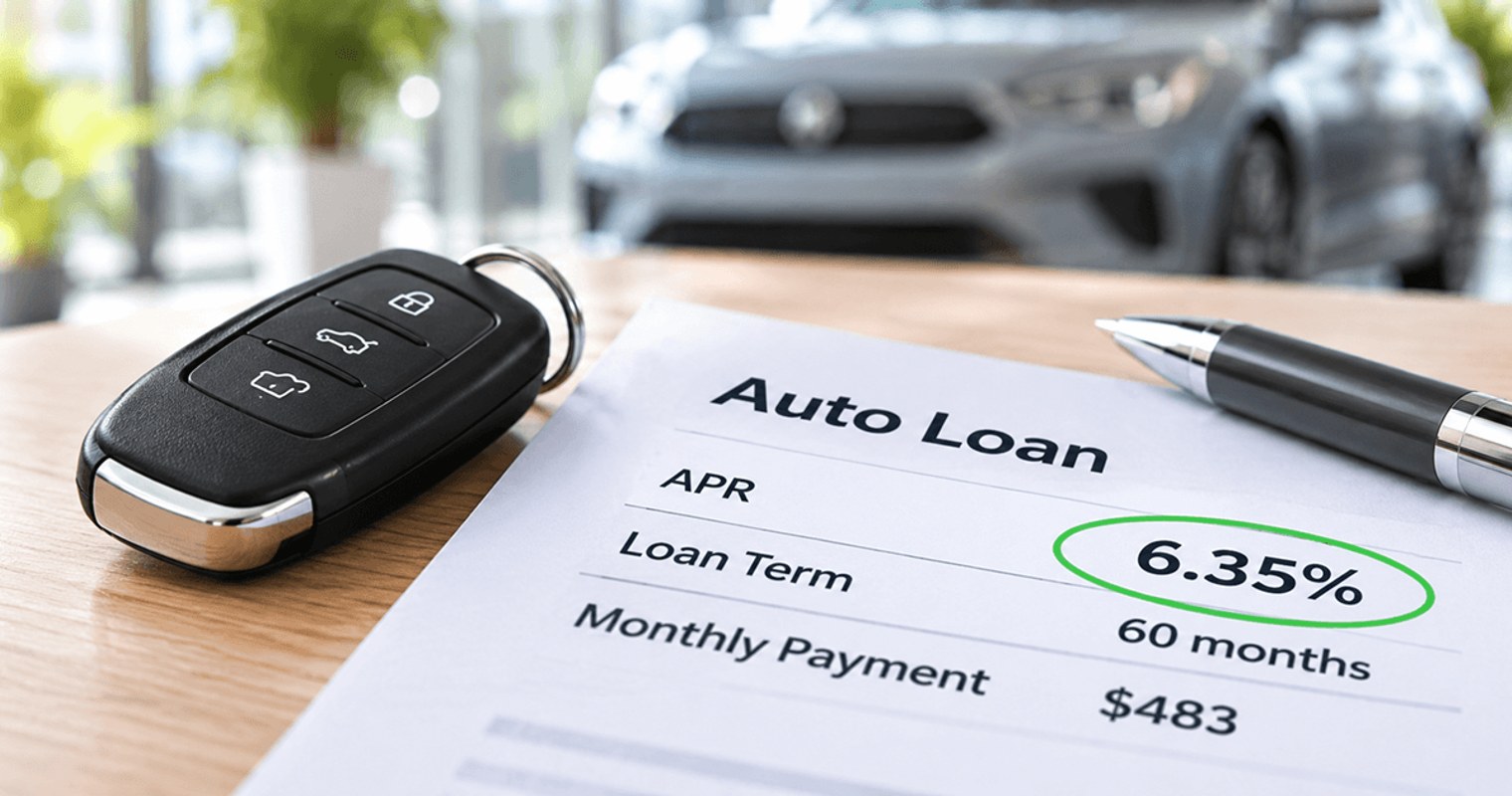
| New car loan | 6.35% |
| Used car loan | 11.19% |
Source: Experian, State of the Automotive Finance Market, Q2 2026. Figures were published in September 2026.
These averages provide a useful starting point, but they don't represent the rate every shopper should expect.
For example, an APR of 5.5% on a new car would be below the overall new car interest rate average. However, a borrower with excellent credit may still find more competitive financing.
How Do You Know if Your Car Loan APR Is Good?
Before accepting an offer, ask yourself 4 questions:
- How does the rate compare with my credit category? A 7% APR may be attractive for someone with a 680 credit score but less competitive for someone with an 820 score.
- Am I financing a new or used vehicle? Used car financing typically carries higher rates.
- Have I compared offers with similar terms? Look at the same loan amount and repayment period to make a fair comparison.
- What will I pay in total? Review the finance charge and total of payments, not just the monthly payment.
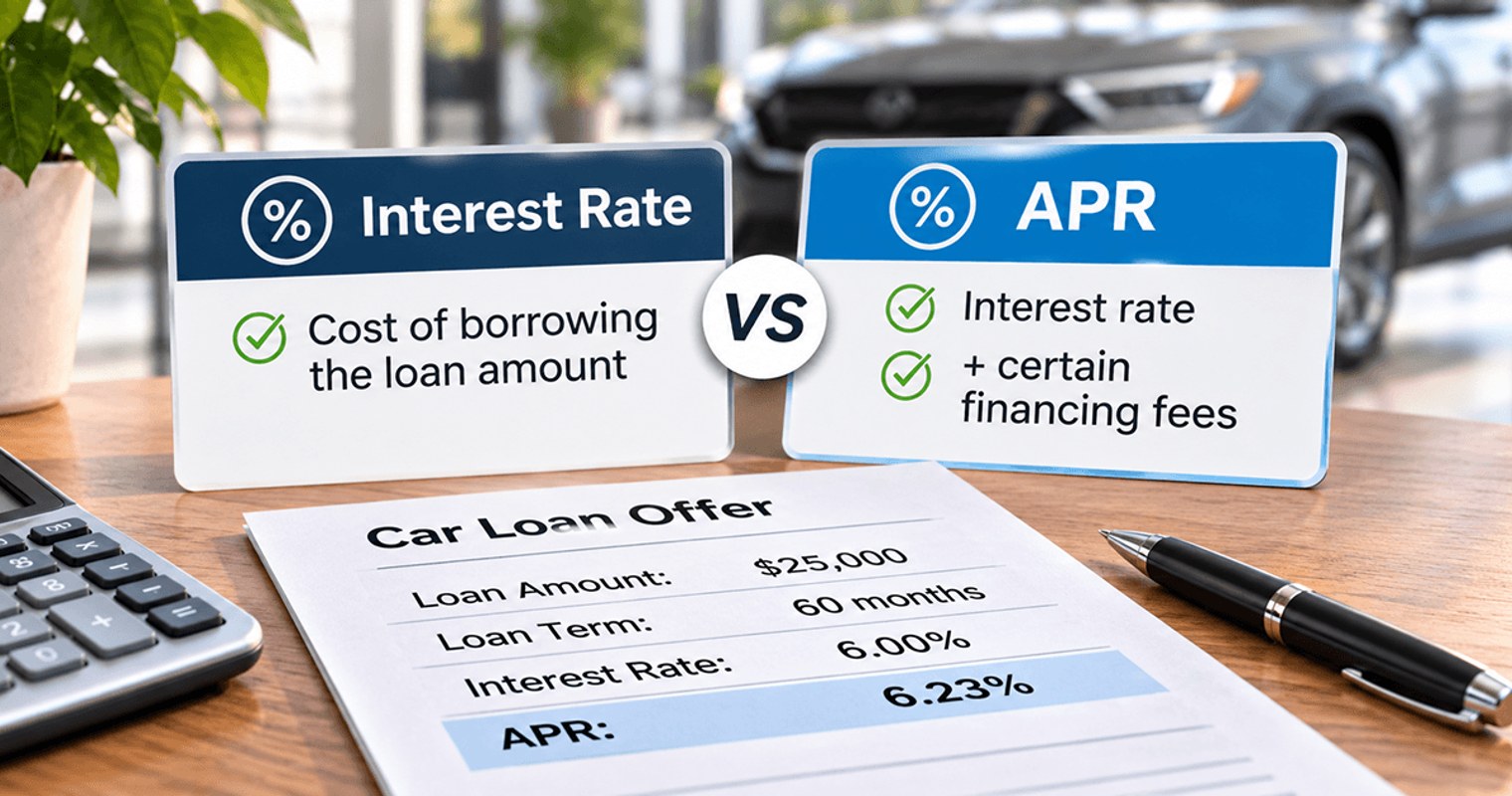
If your APR is below the reported average interest rate for borrowers with similar credit, that's a promising sign. However, because APR can include additional financing charges, comparing actual APR offers from multiple lenders gives you a more accurate picture of how competitive your financing is.
What Is the Average Car Loan Interest Rate by Credit Score?
Your credit score is one of the most important factors affecting the rate you're offered.
Lenders use credit information to evaluate repayment risk. Borrowers with stronger credit histories generally qualify for lower interest rates.
Experian's Q2 2026 data shows how average rates vary across credit categories.
| Credit Score Range | Average New Car Interest Rate | Average Used Car Interest Rate |
|---|---|---|
| 781 to 850 | 4.41% | 6.29% |
| 661 to 780 | 6.15% | 8.81% |
| 601 to 660 | 9.71% | 13.93% |
| 501 to 600 | 13.52% | 19.10% |
| 300 to 500 | 16.11% | 21.62% |
Source: Experian, Q2 2026. Credit categories are based on VantageScore 4.0. Figures represent average interest rates rather than individual APR offers.
Lenders may use different credit scoring models, including specialized auto credit scores. The score a lender reviews may not match the one you see through your bank or credit monitoring service.
What Is a Good APR With a 750 Credit Score?
A 750 credit score falls within Experian's prime credit category.
Borrowers in that category averaged 6.15% interest on new car loans and 8.81% on used car loans during Q2 2026.
An APR near or below those benchmarks could be competitive, depending on the vehicle and loan terms. It's still worth comparing offers because borrowers within the same credit category can qualify for different rates.
What Is a Good APR With a 650 Credit Score?
A 650 credit score falls within the near prime category.
The average interest rate for that group was 9.71% on new cars and 13.93% on used cars.
An offer below those averages may be worth considering, especially if other lenders are quoting higher rates.
However, even a difference of 1 percentage point can affect your borrowing costs, so comparing multiple financing options remains worthwhile.
What Is a Good APR With an 800 Credit Score?
An 800 credit score places you in Experian's highest credit category.
Borrowers in this group averaged 4.41% interest on new car loans and 6.29% on used car loans.
If you have excellent credit and receive an APR considerably above those benchmarks, ask whether other financing programs are available.
Your income, existing debts, down payment and selected vehicle can still influence the final offer.
Is a Good APR Different for New and Used Cars?
Yes. Used car loans generally carry higher interest rates than new car loans.
In Q2 2026, the average used car interest rate was 4.84 percentage points higher than the average new car rate.
Used vehicles can present different lending risks because their age, mileage, condition and value vary. Lenders may also have different financing requirements for older vehicles.
New cars sometimes qualify for promotional financing through manufacturer affiliated lenders, which can make their APRs particularly attractive to eligible shoppers.
However, a lower APR doesn't automatically make a new vehicle the less expensive purchase.
Consider a $35,000 new car financed at 5% APR and a $22,000 used car financed at 9% APR. Assuming the same repayment period and no additional finance charges, the used vehicle would still have a lower monthly payment because you're borrowing substantially less.
Compare the purchase price, financing costs and expected ownership expenses before deciding.
Is 0% APR the Best Car Financing Deal?
A 0% APR offer can be an excellent financing option because you aren't paying interest on the borrowed amount.
However, the lowest APR doesn't always produce the lowest overall purchase cost.
Manufacturers sometimes offer promotional financing on specific models or trims. These programs may require excellent credit and financing through a designated lender.
You may also need to choose between promotional financing and a cash rebate.
For example, a manufacturer might offer either 0% APR financing or a $2,000 rebate with standard financing.
If you qualify for a relatively low standard rate, taking the rebate could potentially save more money.
Ask the dealership to compare both options using the same vehicle price, down payment and repayment period.
A 0% APR loan can still involve taxes, registration fees and other vehicle purchase expenses. Review the full purchase agreement rather than assuming the entire transaction is free of additional costs.
The better deal is the one with the lower total cost, not necessarily the lowest advertised APR.
How Much Does APR Affect Your Monthly Car Payment?
Even a relatively small APR difference can affect how much you pay over the life of a loan.
Consider a $25,000 car loan repaid over 60 months.
| APR | Estimated Monthly Payment | Estimated Total Interest |
|---|---|---|
| 4% | $460 | $2,625 |
| 6% | $483 | $3,999 |
| 8% | $507 | $5,415 |
| 10% | $531 | $6,871 |
| 12% | $556 | $8,367 |
Illustrative estimates assume a fixed rate, fully amortizing loan with 60 monthly payments. APR equals the interest rate, with no additional finance charges. Figures are rounded.
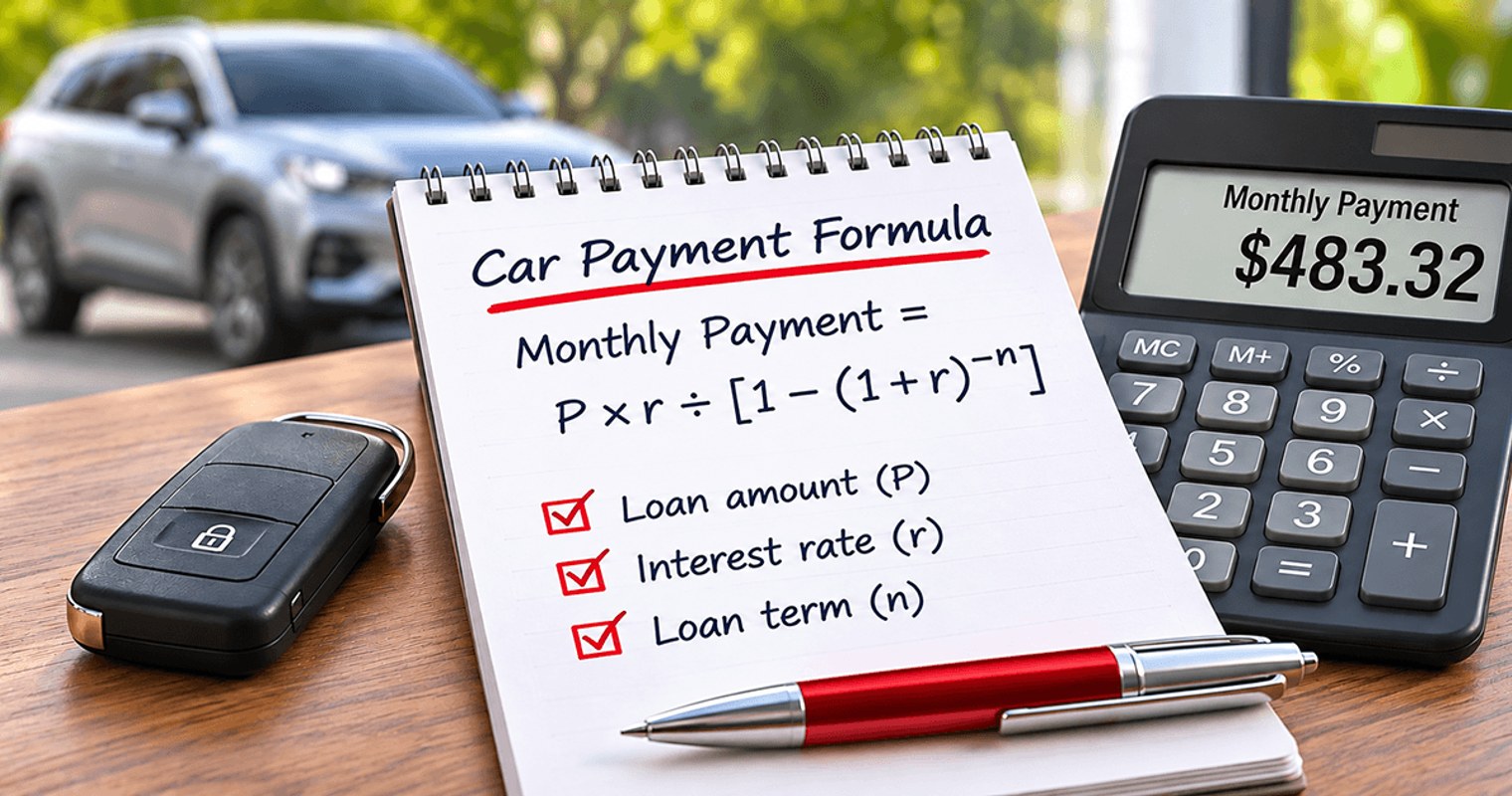
At 6% APR, the monthly payment is approximately $483.
At 12% APR, it increases to approximately $556.
That's about $73 more per month and approximately $4,367 more in total interest over 5 years.
If you're comparing vehicles with similar prices, securing a more competitive APR can make a meaningful difference in your ownership costs.
Does a Lower APR Always Mean a Better Loan?
A lower APR is generally preferable when the loan amount, repayment period and other terms are the same.
However, a loan with a lower APR and a much longer repayment period can still cost more in total interest than a shorter loan with a slightly higher APR.
Review the total of payments and finance charge alongside the monthly payment.
Also check whether optional products have been included in the amount financed.
What Factors Determine Your Car Loan APR?
Lenders evaluate several factors when determining financing terms.
Credit history: Your payment history, outstanding balances and overall credit profile can influence the rate you're offered.
Income and existing debt: Lenders consider whether your income can reasonably support the proposed payment alongside your existing obligations.
Loan term: Shorter loans may qualify for lower rates with some lenders. Longer terms can increase total borrowing costs.
Vehicle type and condition: New and used vehicles may qualify for different financing programs. Age, mileage and vehicle value can also matter.
Down payment: A larger down payment reduces the amount financed relative to the vehicle's value and may improve your financing options.
Lender and promotions: Banks, credit unions, dealerships and manufacturer affiliated lenders may offer different rates and financing programs.
Because lenders evaluate these factors differently, 2 shoppers with similar credit scores may receive different APR offers.
Can You Negotiate Your Car Loan APR?
In many situations, yes.
When financing through a dealership, you can ask whether a lower APR is available through its participating lenders.
Dealerships often work with multiple financing partners and may be able to help you compare available programs.
Having a preapproval offer from a bank or credit union gives you another option to consider.
For example, if your bank offers 7.2% APR, you can ask the dealership whether any participating lender can offer more competitive terms.
A dealership may be able to match or improve that offer, depending on your qualifications and available financing programs.
Not every APR is negotiable. Manufacturer promotional rates and certain lender programs may have specific eligibility requirements.
The goal is to compare actual offers rather than assume one financing source will always be cheaper.
How Can You Get a Better APR on a Car Loan?
Improving your financing options may be easier if you prepare before shopping.
Check Your Credit Reports
Review your credit reports through AnnualCreditReport.com and dispute inaccurate information.
Correcting errors can help ensure lenders evaluate your credit history accurately.
Reduce Existing Debt
Paying down credit card balances and other outstanding debts may strengthen your credit profile.
It can also improve your ability to qualify for a manageable loan payment.
Compare Multiple Lenders
Request financing offers from banks, credit unions and dealership lending partners.
Compare the same loan amount and repayment period whenever possible.
Consider a Shorter Loan Term
A shorter loan may qualify for a lower APR and can reduce total interest costs.
However, it generally increases the monthly payment, so choose a term that fits your budget.
Ask About Manufacturer Financing Offers
Some new vehicles qualify for promotional APR programs.
Ask the dealership about available incentives, eligibility requirements and whether promotional financing can be combined with other offers.
If you're preparing to shop, our guide on How to Get Preapproved for a Car Loan explains how to review your financing options before choosing a vehicle.
Should You Wait for Car Loan APRs to Drop?
Waiting may make sense if you have flexibility, but future financing rates aren't guaranteed.
Auto loan rates are influenced by broader economic conditions, lender funding costs and competition.
Even when benchmark interest rates decline, individual auto loan APRs may not fall immediately.
You should also consider vehicle prices and available manufacturer incentives.
A lower APR several months from now might not offset a higher purchase price or the loss of a current financing promotion.
If you need a vehicle now, focus on comparing the offers available today.
If you can wait, use that time to improve your credit, save for a down payment and review financing promotions.
When Should You Consider Refinancing a Car Loan?
If you already have a car loan with a relatively high APR, refinancing may be worth exploring.
Refinancing replaces your existing loan with a new one, ideally with more favorable terms.
You may qualify for a lower APR if your credit has improved or market rates have declined.
However, extending the repayment period can lower your monthly payment while increasing total interest costs.
Before refinancing, compare your remaining loan balance, any applicable fees and the total cost of the replacement loan.
How Can AutoFinder Help You Shop Within Your Financing Budget?
A competitive APR matters, but the vehicle's purchase price has a major influence on how much you need to borrow.
On AutoFinder, you can explore new and used vehicles from participating dealerships, compare available listings and narrow your search based on price and other preferences.
Once you've found a vehicle, you can connect with a local dealership to discuss availability, pricing and financing options.
You can also use AutoFinder's Out the Door Price Calculator to estimate the total purchase price before deciding how much to finance.
For additional guidance, our article on How Does Financing a Car Work? explains loan terms, interest rates and monthly payments in more detail.
The Bottom Line: What Is a Good APR for a Car Loan?
A good APR depends on your credit score, the vehicle you're purchasing and the financing options available to you.
Experian's Q2 2026 data showed average interest rates of 6.35% for new cars and 11.19% for used cars. Borrowers with excellent credit often qualified for considerably lower rates.
Use those figures as benchmarks rather than fixed rules.
Compare offers from multiple lenders, review the total borrowing cost and choose financing that fits your budget.
Even a modest improvement in APR can save hundreds or thousands of dollars over the life of your loan.
Disclaimer
This article provides general educational information about auto financing and does not constitute financial, legal or lending advice. Market averages are based on Q2 2026 data and may change. Actual APR offers depend on creditworthiness, lender requirements, vehicle eligibility, loan terms and applicable laws. Payment examples are illustrative and do not represent guaranteed financing offers.
Want More Car Buying Advice?
Add AutoFinder as a preferred source on Google to help you discover more of our automotive guides and research.