How Much Commission Does a Car Salesman Make
Last updated Jun 10th, 2026Car salespeople typically earn commission based on the profit a dealership makes on each vehicle sold. Most commissions range from 20 percent to 30 percent of the dealership’s gross profit on a vehicle. Some salespeople are paid per unit sold, while others receive a mix of salary and commission.
Commission earnings depend on:
- The profit margin of the vehicle
- The dealership pay structure
- Monthly sales volume
- Bonuses or incentives
Understanding how commission works helps you better understand pricing conversations and dealership negotiations.

Find Your Best Price
See what others paid and get upfront pricing from local dealers.

How Much Commission Does a Car Salesman Make
Most people wonder about car sales commission at some point during the buying process. Is the salesperson making thousands on this deal? Does negotiating the price dramatically affect their paycheck? The truth is more straightforward than most people think. Car sales income is tied to dealership profit and performance, not just the sticker price. Once you understand how commission actually works, pricing conversations feel less mysterious and a lot more transparent.
How Car Sales Commission Works
Many people assume car salespeople earn a percentage of the total vehicle price. That is not usually how it works.
Instead, commission is typically based on the dealership’s gross profit. Gross profit is the difference between what the dealership paid for the vehicle and what the customer pays for it.
For example:
If a dealership owns a vehicle for $28,000 and sells it for $30,000, the gross profit is $2,000.
If the salesperson earns 25 percent commission on gross profit, they would make $500 on that sale.
It is important to remember that not every sale has large profit margins. Some vehicles are sold with very slim margins, especially competitive models or high demand vehicles.
Typical Commission Percentage
Most dealerships pay commission between 20 percent and 30 percent of the gross profit on each vehicle.
Here is what that might look like:
- 20 percent of a $1,500 profit equals $300
- 25 percent of a $2,000 profit equals $500
- 30 percent of a $3,000 profit equals $900
The exact percentage varies by dealership and experience level.
Do Car Salespeople Get Paid on Every Car
Not always. Some vehicles are sold at very low profit or even at a loss to meet sales targets. In those cases, the salesperson may receive a flat minimum payment called a mini commission.
A mini commission is often between $100 and $200 per vehicle, regardless of profit.
This ensures the salesperson is still paid even when margins are small.
Salary vs Commission
Some dealerships offer a small base salary plus commission. Others operate on commission only pay structures.
There are typically three models:
- Commission only
- Base salary plus commission
- Volume based bonus structures
In high volume dealerships, bonuses can significantly increase total earnings if a salesperson hits monthly targets.
How Much Do Car Salespeople Make Per Year
Annual income varies widely depending on location, dealership size, and performance.
On average:
- Entry level salespeople may earn between $35,000 and $45,000 per year
- Experienced salespeople often earn between $50,000 and $80,000
- Top performers in high volume markets can earn over $100,000
Income depends heavily on effort, market conditions, and the dealership’s pay structure.
Do Salespeople Make More on Used Cars or New Cars
It depends.
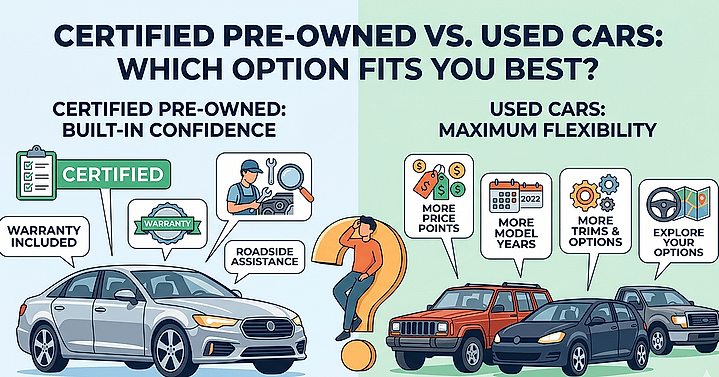
Used cars often carry higher profit margins, which can mean higher commissions. New cars sometimes have slimmer margins but may come with manufacturer incentives or volume bonuses.
The exact earning potential depends on the dealership’s inventory and compensation plan.
Why This Matters for Buyers
Understanding commission helps buyers feel more informed during negotiations. It also helps clarify why pricing conversations can vary from vehicle to vehicle.
Salespeople are paid based on performance. That means they are motivated to close deals, especially toward the end of the month when volume bonuses may apply.
Knowing this can help you approach negotiations with confidence and clarity.
Final Thought
Car sales commission is typically tied to dealership profit, not the full vehicle price. Most salespeople earn between 20 percent and 30 percent of the gross profit on each vehicle, with additional bonuses tied to performance and volume.
Understanding how commission works does not need to feel complicated. It simply adds context to the buying process and helps you approach conversations with confidence.
Car buying should feel transparent and straightforward. When you understand how pricing and compensation work, the process feels far more human and far less mysterious.
FAQs
Do car salespeople get paid if I negotiate a lower price?
Yes, but their commission may be lower if the dealership profit is smaller.
Do car salespeople make commission on financing?
Sometimes. In certain dealerships, salespeople may earn bonuses related to financing or add on products.
Is car sales commission negotiable?
No. Commission is determined by the dealership pay plan.
Do car salespeople make good money?
It can be a strong income career for high performers, especially in busy markets.


The information provided in this article is for general informational purposes only and may change over time. Vehicle pricing, availability, specifications, incentives, financing terms, interest rates, and other details may vary by vehicle, dealer, lender, location, and individual circumstances. AutoFinder does not guarantee the accuracy or availability of information provided by third parties. Always confirm current vehicle details, pricing, terms, and eligibility directly with the participating dealer or appropriate provider before making a purchase or financial decision.