How to Buy a Used Car from a Dealer
Last updated Jun 12th, 2026
Find Your Best Price
See what others paid and get upfront pricing from local dealers.

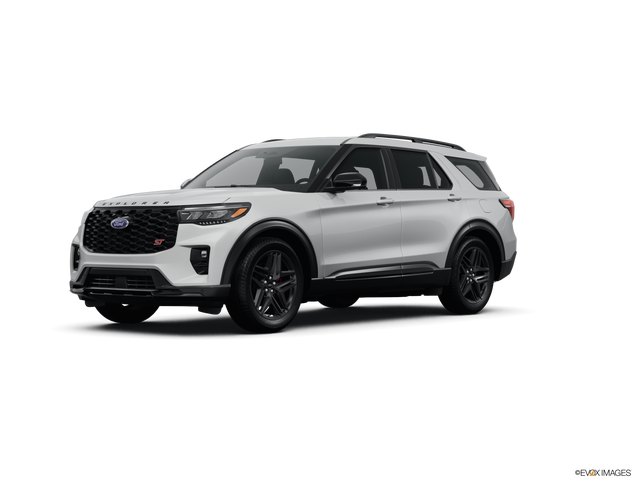
Buying a used car from a dealership can be a great way to save money while still getting peace of mind. Dealers often offer warranties, financing options, and professional inspections that private sellers cannot match. Still, it pays to know how to approach the process with confidence.
This guide walks you through every step of buying a used car from a dealer so you can make an informed decision, find a fair price, and drive away feeling secure in your purchase.
For verified listings and transparent dealer connections, visit autofinder.com.
1. Know What You Want Before You Visit
Walking into a dealership without a plan can make the experience feel overwhelming. Before you start shopping, spend time deciding what kind of car fits your life.
Ask yourself:
- How will I use this vehicle most of the time
- What size and type of car will work best for my needs
- Which features are essential and which are nice to have
Having a clear picture of what you want helps you stay focused and avoid being swayed by unnecessary extras.
2. Set a Clear and Comfortable Budget
It is easy to focus on the sticker price, but the real cost of owning a car includes insurance, taxes, fuel, and maintenance.
Create a realistic budget that includes:
- The price of the car after taxes and fees
- Expected monthly payments if you plan to finance
- Long-term ownership costs such as service and repairs
When you know your limits, you can make confident choices and resist upsells that push you beyond your comfort zone.
3. Research Before You Step Into the Showroom
Knowledge is power. The more you know before visiting the dealership, the easier it is to recognize fair deals.
Start by checking:
• Current prices for the model you want
• Reviews and reliability ratings for the make and model
• Dealer websites near you for available inventory and promotions
Comparing listings on trusted platforms like autofinder.com can help you spot verified vehicles and avoid misleading advertisements.
4. Review Vehicle History and Inspection Reports
A good dealer will be transparent about a car’s background. Always ask for a full vehicle history report that includes accident records, title information, and maintenance history.
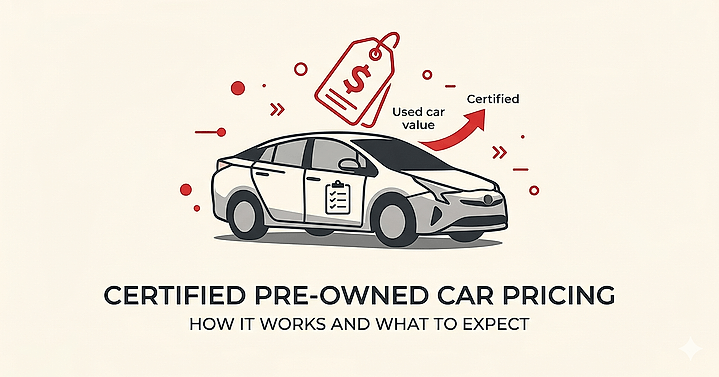
If the dealership offers a certified preowned program, review what that certification covers. Certified vehicles typically undergo more thorough inspections and come with limited warranties that can offer extra protection.
5. Take a Careful Test Drive
A test drive is your best chance to experience how the car feels on the road. Drive in both city and highway conditions and test how it handles turns, brakes, and acceleration.
Pay attention to:
- How the car starts, idles, and shifts
- Comfort and visibility
- Sounds from the engine or tires that might indicate wear
Take your time. A confident dealer will encourage you to explore the car and answer any questions honestly.
6. Ask the Right Questions
Before you make an offer, gather information that helps you understand the full value of the car.
Some smart questions include:
- Has the car ever been in an accident or had major repairs
- Is it part of a certified program or sold as is
- What fees are included in the final price
- Can I see a copy of the inspection checklist
- Are there any upcoming promotions or financing offers
Dealers who are open and patient with your questions are usually the ones worth buying from.
7. Understand Your Financing Options
Dealerships often have partnerships with banks and credit unions, but it is still wise to shop around for financing before you visit.
Compare interest rates and terms to find what works best for your situation. If you already have pre-approval from a lender, bring that with you. It shows the dealer you are serious and helps you focus on negotiating the price rather than the loan.
8. Negotiate With Confidence and Respect
Negotiation does not need to be tense or uncomfortable. A fair deal benefits both you and the dealership.
Here are some tips to keep it simple:
- Base your offer on research, not emotion
- Be friendly and confident, not confrontational
- Focus on the total cost, not just the monthly payment
- Do not rush to sign anything until you understand every detail
Good dealers appreciate well-informed buyers who approach negotiation with respect and clarity.
9. Review the Contract Carefully
Before signing the final paperwork, take time to review the contract line by line. Confirm that every detail matches what you agreed to, including price, warranty coverage, and financing terms.
Ask about:
- Dealer fees, add-ons, and taxes
- What happens if you decide to cancel optional products
- When and how you will receive the title and registration
A trustworthy dealership will never pressure you to sign before you are ready.
10. After the Sale
Buying a car from a dealer does not end when you drive off the lot. Keep your paperwork in a safe place and follow through on any promised services such as title transfers or inspections.
Maintain your vehicle regularly, keep all service records, and stay aware of any recalls for your model. A well-maintained car will hold its value longer and give you a smoother ownership experience.
Frequently Asked Questions
Why buy a used car from a dealer instead of a private seller
Dealers usually provide warranties, certified inspections, and financing options that private sellers cannot. They are also required by law to disclose known issues, which adds peace of mind.
Can I negotiate the price of a used car at a dealership
Yes. Most dealerships expect negotiation. Use your research and stay polite but firm about your budget.
What is a certified preowned car
A certified preowned car has passed a detailed inspection by the manufacturer or dealership and often includes warranty coverage and roadside assistance.
Should I get a mechanic to inspect the car even if it is from a dealer
It is always a good idea. Even though most dealers inspect their cars, an independent review provides extra reassurance.
Final Thought
Buying a used car from a dealer can be an easy and rewarding experience when you take your time and come prepared. Dealers who value transparency and long-term relationships want you to feel comfortable and informed.
Do your research, ask questions, and trust your instincts. The right car and the right dealer will make the process smooth and satisfying.
If you are ready to explore verified used car listings and connect with trusted local dealerships, visit autofinder.com.
Featured Articles


Related Articles

Your Guide to Buying a Used Car
Car Buying Tips and Advice
Buying a Used 2023 Mazda CX-5: What You Need to Know
New and Used Car Reviews: Features, Specs, and Insights

2025 Trade-In Market: How to Maximize Your Vehicle’s Value
Car Buying Tips and Advice
The information provided in this article is for general informational purposes only and may change over time. Vehicle pricing, availability, specifications, incentives, financing terms, interest rates, and other details may vary by vehicle, dealer, lender, location, and individual circumstances. AutoFinder does not guarantee the accuracy or availability of information provided by third parties. Always confirm current vehicle details, pricing, terms, and eligibility directly with the participating dealer or appropriate provider before making a purchase or financial decision.