What is MSRP when buying a car?
Last updated Sep 15th, 2026
Find Your Best Price
See what others paid and get upfront pricing from local dealers.

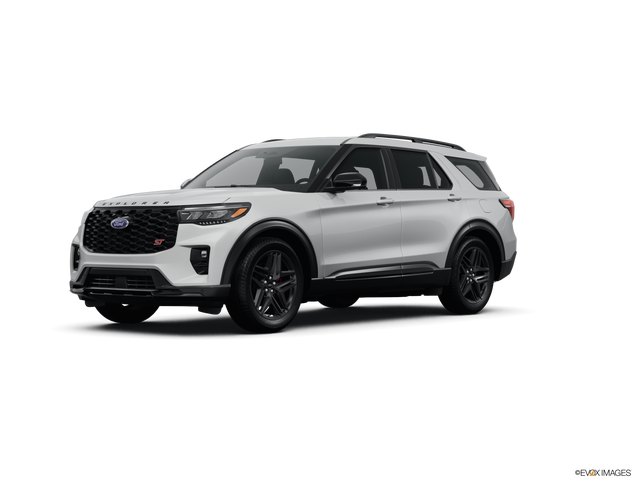
If you are shopping for a new car, you will see the term MSRP almost everywhere. MSRP stands for manufacturer suggested retail price, and it plays a key role in how dealerships advertise and negotiate car prices. Even though MSRP appears on the window sticker, it is rarely the amount most shoppers actually pay.
This guide explains what MSRP means, why it matters, and how you can use it to understand market pricing and negotiate with confidence. When you understand MSRP, the entire buying process becomes clearer and far less stressful.
For transparent pricing and verified listings from trusted dealers, visit AutoFinder, where clarity guides every connection.
What MSRP Really Means
MSRP is the price the manufacturer recommends for a particular vehicle. It is meant to create consistency across dealerships so shoppers have a clear idea of the value the manufacturer sets.
However, MSRP is not a fixed or required price. Dealerships have the freedom to set their own pricing based on:
• Local demand
• Available inventory
• Manufacturer incentives
• Seasonal trends
• Competitor pricing in the area
This is why two dealerships can list the same car at different prices even though the MSRP remains the same.
To understand the full pricing picture, it also helps to know the invoice price, what the dealer actually paid the manufacturer for the vehicle.
What MSRP Includes
MSRP usually covers the cost of the base model and factory installed features. It may also include:
• Optional packages
• Trim specific equipment
• Factory installed accessories
MSRP does not include taxes, title fees, registration, dealer documentation fees, or additional products. These added costs appear in the out the door price, which reflects your real total.
Once you have a vehicle price in mind, you can calculate your estimated out the door price to see how taxes and applicable fees may change the total.
If you want more clarity on out-the-door pricing, our guide What Is Out the Door Price on a Car can help.
MSRP Versus Market Price
One of the biggest misunderstandings in car buying is assuming that MSRP represents the actual price shoppers pay. Market price often tells a different story.
When market price is below MSRP
This usually happens when supply is high or when demand is lower. In these cases, buyers often negotiate well below the sticker price.
When market price is above MSRP
This may happen when demand is very strong, such as with newly released vehicles or limited availability.
Market price reflects real transactions. MSRP is simply a reference point.
Is MSRP a Good Price to Pay
The answer depends on supply and demand. MSRP can be a fair price for cars that are extremely popular or hard to find. However, in many cases, shoppers pay below MSRP after incentives and negotiation.
A helpful way to decide:
• If the market has plenty of inventory
Expect a discount below MSRP.
• If the car is new, rare, or in high demand
MSRP may be more realistic.
Research helps you know the difference before you begin negotiating.
How Dealers Use MSRP
While dealers anchor to MSRP, the invoice price is the number that reveals what they actually paid, giving you a more informed starting point for any counteroffer.
Dealers often start negotiations around MSRP because it gives shoppers a familiar starting point. From there, they may offer discounts based on:
• Manufacturer rebates
• Seasonal promotions
• Dealer incentives
• Inventory levels
• Your willingness to buy soon
Knowing the MSRP helps you understand how much room there may be for negotiation.
How You Can Use MSRP to Get a Better Deal
MSRP is a guide, not a rule. Use it as a comparison tool when evaluating offers from different dealerships.
Here is how:
Compare several listings
If most dealerships advertise lower than MSRP, then the market price is clearly below it.
Look at incentives
A dealer may keep the MSRP the same but offer strong rebates that reduce your final cost.
Check pricing guides
Online tools show what other shoppers in your region are paying.
Use MSRP to support your negotiation
You can say something like:
I see this model listed below MSRP at several dealerships. Can we explore a price that matches the current market value
This approach is friendly, confident, and rooted in research.
MSRP and the Window Sticker
The window sticker on a new car shows the MSRP along with important information about:
• Engine and performance features
• Safety features
• Interior and exterior packages
• Fuel economy ratings
• Optional equipment
This label is sometimes called the Monroney sticker. It helps you see how the total MSRP was built and which features contribute to the price.
Frequently Asked Questions About MSRP
Is MSRP the same as the selling price
No. The selling price can be above or below MSRP depending on market conditions.
Can I negotiate MSRP
Yes. Many shoppers negotiate below MSRP unless the vehicle is in very high demand.
Does MSRP include taxes and fees
No. Taxes, title, registration, and dealer fees are added to create the out the door price.
Why do dealers sometimes charge more than MSRP
This usually happens when demand is extremely high and availability is limited.
Does every car have an MSRP
Yes. All new vehicles are assigned an MSRP by the manufacturer.
Final Thought
MSRP gives you a starting point, not the final answer. When you understand what this number means and how it fits into the larger pricing structure, you can shop with confidence, compare offers clearly, and negotiate with ease. A smart car buying decision starts with clarity, and understanding MSRP is one of the simplest ways to gain it.
When you are ready to explore verified listings and compare real pricing from trusted local dealerships, visit AutoFinder, where transparency and confidence guide every step of your journey.
Want More Car Buying Advice?
Add AutoFinder as a preferred source on Google to help you discover more of our automotive guides and research.
Featured Articles

How to Bargain with New Car Dealers and Get a Better Price
Car Buying Tips and Advice
How Pricing Works for Certified Pre Owned Cars and What to…
Car Buying Tips and Advice
Thinking About Buying an EV in 2025? Here’s What You Need to…
Car Buying Tips and Advice


The information provided in this article is for general informational purposes only and may change over time. Vehicle pricing, availability, specifications, incentives, financing terms, interest rates, and other details may vary by vehicle, dealer, lender, location, and individual circumstances. AutoFinder does not guarantee the accuracy or availability of information provided by third parties. Always confirm current vehicle details, pricing, terms, and eligibility directly with the participating dealer or appropriate provider before making a purchase or financial decision.