What Is a Coupe? Definition, Features and Examples
Last updated Sep 30th, 2026A coupe is traditionally a fixed-roof passenger car with 2 doors and a lower, sleeker roofline than a typical sedan. Cars such as the Toyota GR86 and BMW 4 Series Coupe fit that familiar definition.
The term is less straightforward today. Some manufacturers also use "coupe" for four-door cars and SUVs with coupe-inspired proportions, which is why you may see vehicles with more than 2 doors carrying the coupe name.
Key Takeaways
- Traditional coupes usually have 2 doors and a fixed roof.
- Some automakers also use coupe for four-door cars and SUVs with coupe-inspired styling.
- A coupe is not automatically a sports car.
- Rear seat access, headroom, cargo space, and visibility are worth checking when shopping for one.
Find Your Best Price
See what others paid and get upfront pricing from local dealers.

What Is a Coupe?
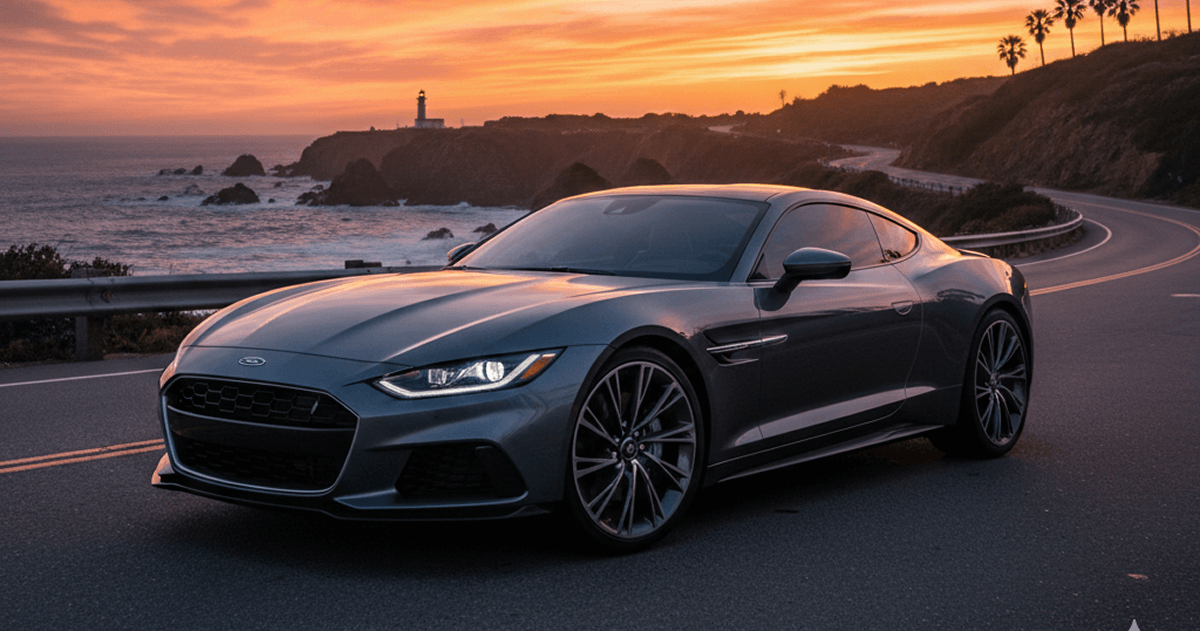
Traditionally, a coupe is a 2-door passenger car with a fixed roof and a lower, sleeker profile than a typical sedan. The Toyota GR86, BMW 4 Series Coupe, Ford Mustang coupe, and Mercedes-Benz CLE Coupe are current examples.
The important word is traditionally.
There is no single modern rule that neatly describes every vehicle carrying the coupe name. Automakers now use the term for some four-door cars and SUVs that borrow coupe design cues, particularly a lower or more dramatically sloping roofline.
Traditional definition: A coupe is a fixed-roof passenger car that typically has 2 doors and a lower, sleeker profile than a sedan.
Modern usage: Some automakers also use the coupe name for four-door cars and SUVs with coupe-inspired rooflines and proportions.
Both meanings appear in today's vehicle market, which is why the word coupe does not always tell you how many doors a vehicle has.
You may also come across technical definitions that distinguish coupes and sedans using interior passenger volume. Those classifications do not always match the way automakers use the word coupe today.
For shoppers, door count, roofline, passenger space, and the vehicle's actual layout provide more useful context than relying on a single interior measurement.
Does a Coupe Have to Have 2 Doors?
No, not based on how manufacturers use the term today.
Traditional coupes usually have 2 doors. That remains the clearest definition of the classic body style, and vehicles such as the BMW 2 Series Coupe, Toyota GR86, and Mercedes-Benz CLE Coupe follow it.
But door count alone no longer determines whether a manufacturer will use the coupe name.
Mercedes-Benz, for example, describes the CLA as having four-door coupe styling. It provides 4 passenger doors while borrowing the lower profile and sloping design associated with traditional coupes.
So when someone says a coupe must have 2 doors, they are describing the traditional body style rather than every modern use of the term.
What Is a Four Door Coupe?
A four-door coupe is a car with 4 passenger doors and styling inspired by a traditional coupe.
That may sound contradictory, and historically it would have been. Today, manufacturers use the term to distinguish sleeker four-door vehicles from more conventionally shaped sedans.
The Mercedes-Benz CLA is a recognizable example. BMW takes a similar approach with the 4 Series Gran Coupe, which combines 4 doors with a sleeker profile than a conventional sedan.
For shoppers, the label matters less than the packaging. Four doors make rear seat access easier than in a traditional 2-door coupe, but a sloping roofline can still affect rear headroom, visibility, or cargo space.
What Is a Coupe SUV?
A coupe SUV combines SUV proportions with a more dramatically sloping roofline inspired by coupe design.
The BMW X6 and Mercedes-Benz GLE Coupe are current examples. These vehicles retain many of the characteristics shoppers expect from an SUV while using a sleeker rear profile than more traditionally shaped SUVs.
That styling can come with trade-offs, including:
- Less rear headroom on some models
- Reduced cargo capacity
- A less upright cargo opening
- More limited rear visibility
The actual differences vary by vehicle. If you regularly carry tall passengers, bulky gear, or a full cargo area, compare the coupe SUV with a more upright SUV before deciding. Published cargo volume is useful, but the shape of the cargo area can matter just as much in everyday use.
Coupe vs Sedan: What's the Difference?
Traditionally, the biggest difference between a coupe and a sedan is simple: a coupe usually has 2 doors and a lower, sleeker profile, while a sedan usually has 4 doors and puts more emphasis on passenger access and practicality.
Modern four-door coupes make that distinction less absolute, but there are still a few differences shoppers are likely to notice:
- Doors: Traditional coupes usually have 2, while sedans usually have 4.
- Roofline: Coupes tend to have a lower or more dramatically sloping roofline.
- Rear seat access: Sedans generally make it easier for passengers to get into the back.
- Passenger space: A sedan's more upright shape can provide more rear headroom and usable passenger space.
- Cargo practicality: Sedans often prioritize everyday cargo space, although this varies considerably by model.
- Design: Coupes generally put more emphasis on a sleek profile, while sedans balance styling with passenger practicality.
These are general differences, not rules. A coupe can be comfortable and spacious, while a sedan can be powerful and performance-focused. Body style alone does not determine acceleration, handling, efficiency, comfort, or ownership costs.
Want to understand the other body style first? Read AutoFinder's guide to what a sedan is. If you're deciding between the 2, our coupe vs sedan guide breaks down the differences in more detail.
Is a Coupe the Same as a Sports Car?
No. A coupe describes a body style or design category, while a sports car is defined more by its focus on performance and driving dynamics.
Sometimes the 2 overlap. The Toyota GR86 is both a traditional coupe and a sports car.
But not every coupe is a sports car. A luxury coupe may put more emphasis on comfort, technology, and long-distance driving. Four-door coupes and coupe SUVs stretch the category even further.
When evaluating performance, look at the individual vehicle's engine, drivetrain, suspension, brakes, tires, and intended purpose rather than assuming the coupe name automatically means it is faster or handles better.
What Are Some Examples of Coupe Cars?
Today's market shows how broadly manufacturers use the coupe name.
Traditional coupe: The BMW 4 Series Coupe uses the familiar 2-door, fixed roof layout associated with a traditional coupe.
Sports coupe: The Toyota GR86 and Ford Mustang combine traditional coupe proportions with a greater focus on performance.
Luxury coupe: The Mercedes-Benz CLE Coupe uses a traditional 2-door layout with a greater emphasis on comfort, technology, and luxury.
Four-door coupe: Vehicles such as the Mercedes-Benz CLA and BMW 4 Series Gran Coupe combine 4 passenger doors with coupe-inspired styling.
Coupe SUV: The BMW X6 and Mercedes-Benz GLE Coupe apply a more dramatically sloping, coupe-inspired roofline to an SUV body.
These categories can overlap. A GR86 is both a traditional coupe and a sports coupe, while the CLE is both a traditional coupe and a luxury coupe.
Terms such as "sports" and "luxury" describe what a vehicle emphasizes. The actual body layout tells you more about how it will work in everyday use.
What Are the Pros and Cons of a Coupe?
Whether a coupe works for you depends on the specific vehicle, especially now that the term covers several different designs.
Pros
- Distinctive styling
- Sleeker profile on many models
- Driver-focused choices available
- Performance options available
- Luxury options available
Cons
- Rear access can be limited
- Rear headroom may be tighter
- Cargo space can be reduced
- Long doors can be awkward in tight spaces
- Rear visibility may be limited
- Child seat access can be harder
A coupe is not automatically lighter, faster, easier to park, or better handling than a sedan. Those characteristics depend on the individual vehicle.
Is a Coupe Right for You?
A coupe can work perfectly well as an everyday car if its compromises do not interfere with your routine.
Someone who usually drives alone or with 1 passenger may rarely care about rear seat access. Someone putting children into the back seat every morning may notice it immediately.
A coupe may be a good fit if you:
- Usually drive alone or with 1 passenger
- Prefer a lower, sleeker design
- Rarely use the rear seats
- Like the design of a particular coupe
- Are comfortable trading some practicality for styling
Other body styles may work better if your priorities are different.
A sedan usually provides easier rear seat access. A hatchback may give you more cargo flexibility. An SUV can make more sense when passenger space, cargo room, or ride height matters more than a low roofline.
The best choice depends less on the name of the body style and more on what you need the vehicle to do every day.
What Should You Check When Shopping for a Coupe?
Specifications can tell you how many people a coupe seats or how much cargo volume it has. They cannot tell you whether that space works for your life.
Before buying, pay particular attention to a few areas.
Rear seat space: Sit in the back if you regularly carry passengers. Check both headroom and legroom.
Rear seat access: In a traditional 2-door coupe, see how easily the front seat moves and how comfortable it is to climb into the back.
Child seat access: If you use child seats, check whether installing and reaching them through the available doors feels manageable.
Cargo area: Open the trunk or hatch and think about what you actually carry. Luggage, strollers, sports equipment, and larger purchases can reveal limitations that a cargo volume number does not.
Visibility: Check your view behind the vehicle and over your shoulder. Sloping rooflines and rear pillars can affect visibility on some designs.
Door length: Traditional 2-door coupes can have long doors. If you regularly use a narrow garage or tight parking spaces, make sure you have enough room to get in and out comfortably.
Insurance: If you are considering a performance-oriented coupe, compare insurance quotes for the specific model. Insurance costs depend on far more than the number of doors.
If the model you like is available in more than one body style, drive both. Using the doors, rear seats, cargo area, and controls yourself will tell you more than the body style label alone.
Final Thoughts
A coupe traditionally means a fixed-roof passenger car with 2 doors and a lower, sleeker profile than a typical sedan. That remains the easiest way to understand the classic body style.
Modern vehicle naming is broader. Four-door coupes and coupe SUVs use the term to describe design as much as body configuration.
For shoppers, the practical differences matter more than the label. Compare rear seat access, passenger space, cargo room, visibility, and how the vehicle fits your everyday routine before deciding whether a coupe is right for you.
Vehicle classifications and manufacturer terminology vary by brand and model. Vehicle specifications, features, availability, and model lineups can also change. Confirm current details for the specific vehicle you are considering.
Want More Car Buying Advice?
Add AutoFinder as a preferred source on Google to help you discover more of our automotive guides and research.
FAQs
What is a coupe?
A coupe is traditionally a fixed-roof passenger car with 2 doors and a lower, sleeker profile than a typical sedan. Modern manufacturers use the term more broadly, so shoppers may also encounter four-door coupes and coupe SUVs. Today, coupe can refer to the traditional body style or to a vehicle with coupe-inspired styling.
Can a coupe have 4 doors?
Yes, based on modern manufacturer terminology. A four-door coupe combines 4 passenger doors with styling associated with traditional coupes, particularly a lower profile and sloping roofline. The Mercedes-Benz CLA is a current example. This differs from the traditional definition of a coupe, which usually describes a 2-door passenger car.
Can a coupe have 4 seats?
Yes. Many traditional coupes have rear seats and can accommodate 4 passengers, although rear space and access vary considerably by model. Some modern vehicles marketed as coupes can seat 5. Seating capacity does not determine whether a vehicle is a coupe, so check the actual passenger space of the model you are considering.
What is a coupe SUV?
A coupe SUV is an SUV with a more dramatically sloping roofline and coupe-inspired styling. Examples include the BMW X6 and Mercedes-Benz GLE Coupe. The design creates a sleeker profile, but shoppers should compare rear headroom, cargo space, visibility, and cargo opening shape with a more traditionally shaped SUV.
Is a coupe a sports car?
Not necessarily. A coupe describes a body style or design category, while a sports car refers to a vehicle designed primarily around performance and driving dynamics. Some vehicles, such as the Toyota GR86, are both. Other coupes focus more on luxury or comfort, so the coupe label alone does not tell you how a vehicle performs.
What is the difference between a coupe and a convertible?
A coupe has a fixed roof, while a convertible has a roof designed to open or retract. Some vehicles are available in both body styles. The different roof designs can affect factors such as weight, structural engineering, cargo space, price, and the driving experience, depending on the specific model.
Are coupes more expensive to insure?
Not automatically. Insurance pricing depends on the specific vehicle, performance, repair costs, safety equipment, theft history, location, driver profile, and coverage. Some performance-oriented coupes can be expensive to insure, but having 2 doors does not by itself, mean a car will cost more to cover.

Related Articles
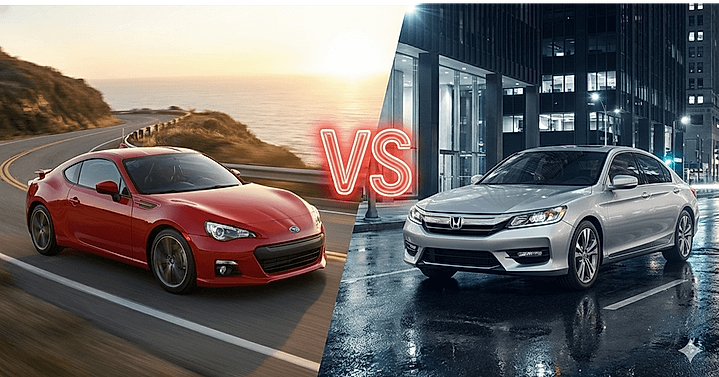
Coupe vs Sedan: What Is the Difference and Which Should You…
Vehicle Comparisons
What to Look for When Buying a Used Car: A Complete Checklist
Car Buying Tips and Advice
Best Time to Buy a New Car in 2026 | Save More on Your Next…
Car Buying Tips and Advice
The information provided in this article is for general informational purposes only and may change over time. Vehicle pricing, availability, specifications, incentives, financing terms, interest rates, and other details may vary by vehicle, dealer, lender, location, and individual circumstances. AutoFinder does not guarantee the accuracy or availability of information provided by third parties. Always confirm current vehicle details, pricing, terms, and eligibility directly with the participating dealer or appropriate provider before making a purchase or financial decision.