Car Financing
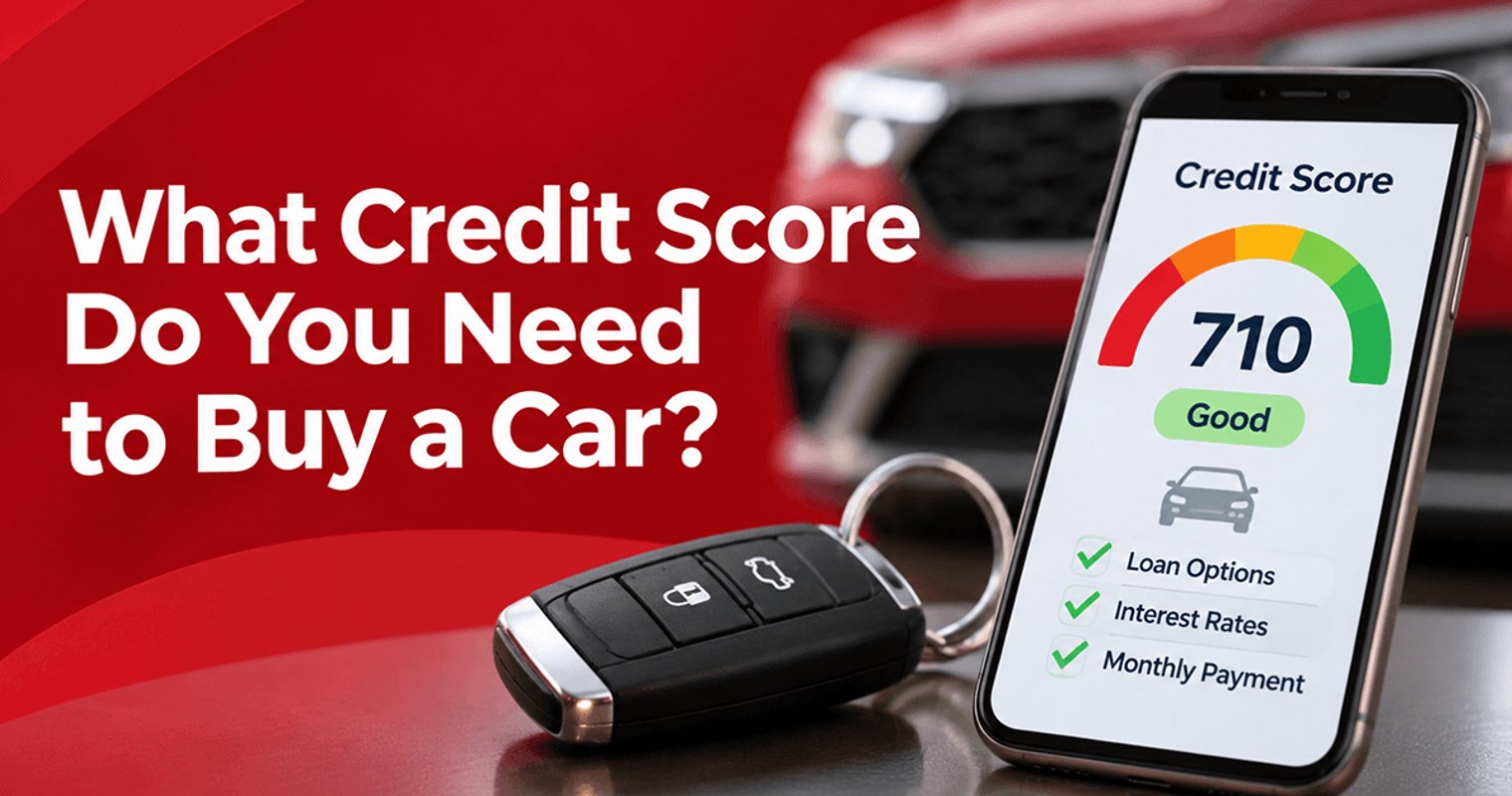
What Credit Score Do You Need to Buy a Car?
OVERVIEW
Lenders also look at your income, existing debt, down payment, and the vehicle you're purchasing. Someone with a 620 score and steady income may qualify for financing, while a buyer with a higher score and substantial debt could have trouble getting approved.
Your credit score matters because it can affect how much you pay for the vehicle over time. Even a few percentage points in APR can add thousands of dollars to the cost of an auto loan.
What Is the Minimum Credit Score Needed to Buy a Car?
There isn't a minimum credit score that applies to every auto lender. Banks, credit unions, and dealership financing partners each have their own requirements.
Some lenders primarily work with borrowers who have established credit histories. Others offer financing for people with lower scores or limited credit.
Experian groups auto loan borrowers into 5 credit tiers based on VantageScore 4.0:
| Credit Score | Credit Tier | What It Means for Financing |
|---|---|---|
| 781–850 | Super prime | Generally has access to the most competitive rates |
| 661–780 | Prime | Strong access to financing options |
| 601–660 | Near prime | Financing available, often at higher rates |
| 501–600 | Subprime | Fewer options and higher borrowing costs |
| 300–500 | Deep subprime | Approval may be more difficult and expensive |
These categories describe credit risk. They aren't minimum approval requirements.
For example, a 580 score doesn't automatically mean you'll be denied. A lender may still approve your application based on your income, down payment and overall financial situation.
Likewise, having a 750 score doesn't guarantee approval or a particular interest rate.
If you're paying cash for a vehicle, your credit score generally won't affect your ability to purchase it.
What Is a Good Credit Score to Buy a Car?
A score of 661 or higher places you in the prime category used in Experian's auto financing data, where borrowers generally receive more competitive rates. However, 661 isn't a minimum approval requirement. Individual lenders may use different scoring models and have their own financing standards.
According to Experian's Q2 2026 State of the Automotive Finance Market report, the average credit score among borrowers who financed new vehicles was 751. For borrowers who financed used vehicles, the average was 688.
These figures represent borrowers who obtained financing, not everyone who applied for an auto loan. They are averages, not minimum credit scores required for approval.
Here's how a few common credit scores may affect your options.
Can You Buy a Car With a 600 Credit Score?
Yes. Some lenders approve auto loans for buyers with scores around 600.
You may face higher interest rates than someone with stronger credit, and certain lenders may require a larger down payment or additional proof of income.
Before applying, consider how much you can comfortably borrow. Financing a $20,000 vehicle instead of a $30,000 vehicle could make a substantial difference in your monthly payment and total interest costs.
Is a 650 Credit Score Good Enough to Buy a Car?
A 650 score falls within Experian's near prime category. Financing is available to borrowers in this range, although average APRs are higher than those offered to prime borrowers.
If your score is close to 661 and you don't need a vehicle immediately, it may be worth checking whether paying down credit card balances or correcting errors on your credit report could improve your score before applying.
Crossing a credit tier boundary doesn't guarantee a lower rate, but improving your overall credit profile may give you more options.
Is a 700 Credit Score Good for Buying a Car?
Yes. A 700 credit score falls within the prime category and generally puts you in a favorable position when applying for an auto loan.
You may qualify for competitive financing through a bank, credit union or dealership lending partner.
Still, don't assume the first offer is the best one. Two lenders can offer different APRs to the same borrower, even when reviewing similar financial information.
How Does Your Credit Score Affect Car Loan Interest Rates?
Your credit score helps lenders evaluate the risk of lending you money. Borrowers with stronger credit histories generally receive lower interest rates because lenders consider them less likely to miss payments.
Experian's Q2 2026 automotive financing data shows how average APRs differ by credit tier.
| Credit Score | Average New Car APR | Average Used Car APR |
|---|---|---|
| 781–850 | 4.41% | 6.29% |
| 661–780 | 6.15% | 8.81% |
| 601–660 | 9.71% | 13.93% |
| 501–600 | 13.52% | 19.10% |
| 300–500 | 16.11% | 21.62% |
The difference between credit tiers can be substantial.
For new vehicles, borrowers in the prime category paid an average APR of 6.15%, compared with 13.52% for subprime borrowers.
That doesn't mean every buyer with a lower score will receive a double-digit rate. Your actual offer depends on the lender, loan amount, repayment term and other factors.
New vehicle loans also tend to carry lower average APRs than used vehicle loans. However, a lower purchase price can still make a used vehicle more affordable overall.
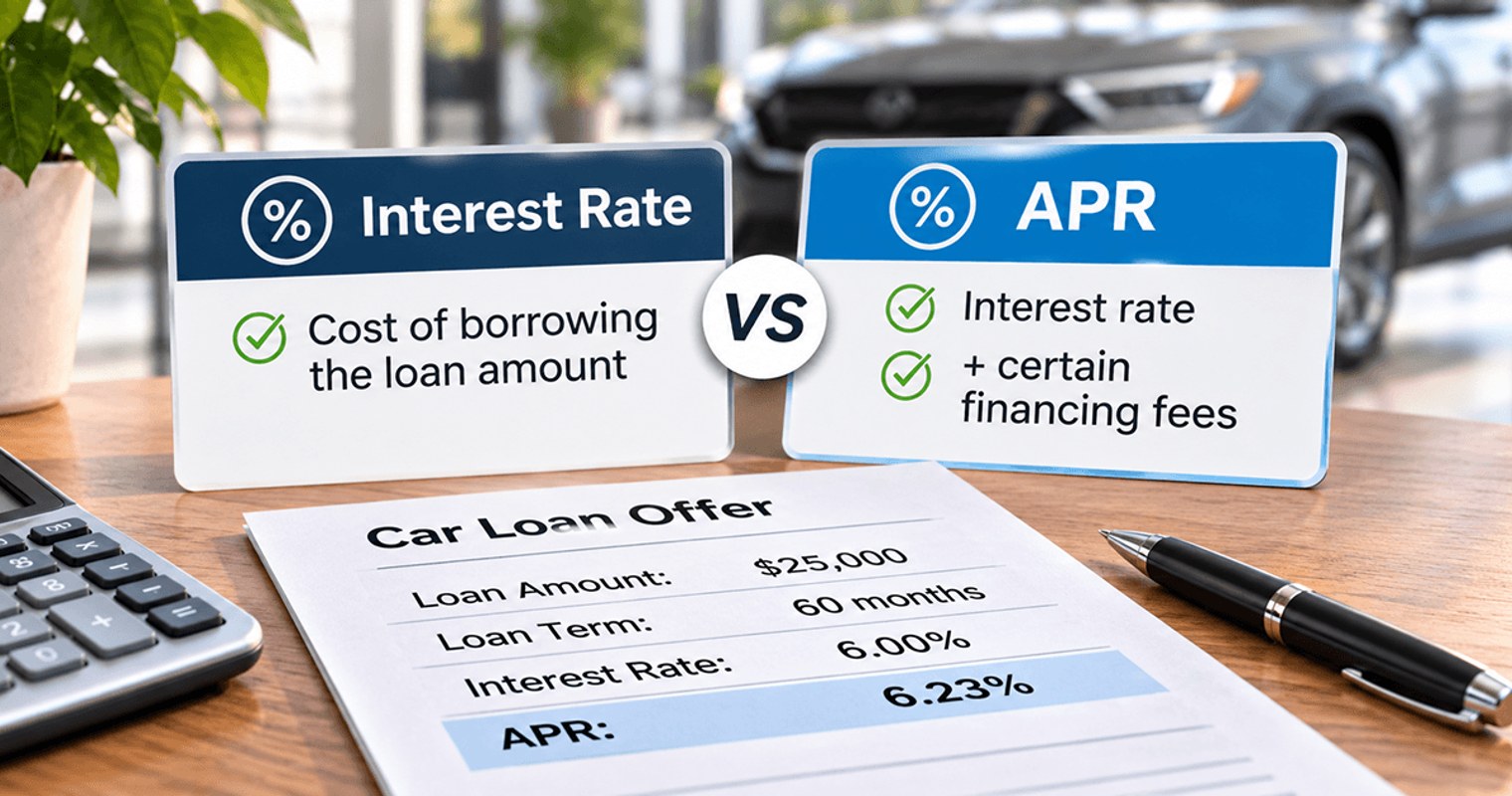
If you're comparing financing offers, our guide to what makes a good APR for a car loan explains how to evaluate rates.
How Much Can Your Credit Score Change Your Car Payment?
Consider 2 buyers who each finance $25,000 over 60 months.
One qualifies for a 6.15% APR, while the other receives a 13.52% APR.
| Loan Details | Buyer A | Buyer B |
|---|---|---|
| Loan amount | $25,000 | $25,000 |
| Loan term | 60 months | 60 months |
| APR | 6.15% | 13.52% |
| Approximate monthly payment | $485 | $576 |
| Approximate total interest | $4,104 | $9,530 |
Buyer B pays approximately $90 more each month. Over 5 years, that adds up to roughly $5,426 in additional interest.
Both buyers are financing the same amount. The difference comes from their borrowing rates.
This is one reason to review financing before choosing a vehicle. Knowing your likely borrowing rate can help establish a realistic price range.
Be careful about extending the repayment term just to reduce the monthly payment. A 72 or 84 month loan may look easier to manage, but it can increase the total interest you pay and leave you owing more than the vehicle is worth for longer.
Can You Get a Car Loan With Bad Credit?
Yes. Some lenders specialize in auto financing for buyers with lower credit scores, and many dealerships work with several financing partners.
Your options may be more limited, but a lower score doesn't automatically prevent you from purchasing a vehicle.
If you're shopping with challenged credit, focus on the factors you can control.
Choose a vehicle with a manageable purchase price. A smaller loan means less money to repay and can make the monthly payment easier to fit into your budget.
Consider a larger down payment. Putting more money down reduces the amount you're borrowing. It may also improve your chances of approval, depending on the lender.
Compare multiple financing offers. A credit union, bank and dealership financing partner may evaluate your application differently. Comparing offers helps you understand what's available.
Ask about a cosigner if needed. Someone with stronger credit may help you qualify, but cosigning is a serious commitment. The cosigner becomes legally responsible for the debt if you don't repay it.
Review the total cost before signing. Pay attention to the APR, loan term, amount financed and total interest, not just the monthly payment.
You should also be cautious about financing more than you need simply because a lender approves a larger amount.
Approval tells you what a lender is willing to finance. Your own budget determines what you can comfortably afford.
What Do Auto Lenders Look at Besides Your Credit Score?
A lender's decision involves several parts of your financial situation.
Income and Employment
Lenders want evidence that you can make the monthly payments.
They may request pay stubs, employment information, bank statements or tax documents. Requirements vary depending on how you earn your income.
Steady, verifiable income can strengthen an application, particularly when your credit score is lower.
Debt-to-Income Ratio
Your debt-to-income ratio compares your monthly debt obligations with your gross monthly income.
Suppose you earn $5,000 per month before taxes and currently make $1,500 in monthly debt payments.
Your debt-to-income ratio is 30%.
A lender will consider whether the proposed car payment leaves enough room in your budget alongside your existing obligations.
Down Payment and Loan Amount
The amount you borrow relative to the vehicle's value also matters.
If you're purchasing a $30,000 vehicle and put $5,000 down, you'll need to finance $25,000 before accounting for taxes, fees or other adjustments.
A larger down payment reduces the lender's exposure and may improve your financing options.
Vehicle Age and Mileage
Lenders may apply different requirements to new and used vehicles.
An older vehicle with high mileage could be harder to finance through certain lenders, even if the buyer has good credit.
The vehicle's value, condition and age can all affect the loan terms offered.
These factors help explain why 2 buyers with similar credit scores can receive different financing offers. A lender evaluates the full application, including the amount being borrowed and the vehicle securing the loan.
How to Improve Your Credit Before Buying a Car
Check your credit reports before applying for financing. If you find an incorrect balance or a payment mistakenly reported as late, you'll have time to dispute it before a lender reviews your application.
Even if everything looks accurate, reviewing your credit early can help you decide whether to apply now or spend a few months improving your financial position.
Review Your Credit Reports
Visit AnnualCreditReport.com to request your credit reports from Equifax, Experian and TransUnion.
Look for incorrect balances, accounts you don't recognize and payments mistakenly reported as late.
If you find an error, dispute it with the credit reporting company.
Checking your own credit report doesn't lower your credit score.
Pay Down Credit Card Balances
High credit card balances can affect your credit utilization, which is an important factor in many credit scoring models.
Reducing those balances may improve your score once the updated information is reported.
If you're close to qualifying for a better financing rate, this could be worth addressing before applying.
Keep Making Payments on Time
Payment history is a major part of your credit score.
Continue making payments on existing credit cards, loans and other accounts by their due dates.
If you have an overdue account, bringing it current may help prevent additional missed payments from being reported.
Avoid Opening Unnecessary Credit Accounts
Applying for several unrelated credit accounts shortly before financing a vehicle may affect your credit profile.
You don't need to avoid comparing auto loan offers, though. Credit scoring models generally recognize that borrowers shop around for financing.
According to the Consumer Financial Protection Bureau, multiple auto loan inquiries made within a 14 to 45 day window generally count as a single inquiry for scoring purposes, depending on the model used.
Should You Get Preapproved Before Visiting a Dealership?
Getting preapproved can be particularly helpful if you're unsure what interest rate your credit score might qualify for.
A lender may provide an estimated APR, loan amount and repayment term after reviewing your application.
That gives you a starting point before discussing financing at a dealership.
For example, suppose your credit union offers a 7.5% APR for 60 months. When you visit a dealership, you can ask whether its financing partners have a more competitive offer.
The dealership may be able to match or improve on your existing terms. If not, you already have another financing option to consider, subject to the lender's final approval.
Compare the APR, amount financed, repayment term and total loan cost. Also check whether any promotional financing requires you to give up a manufacturer rebate.
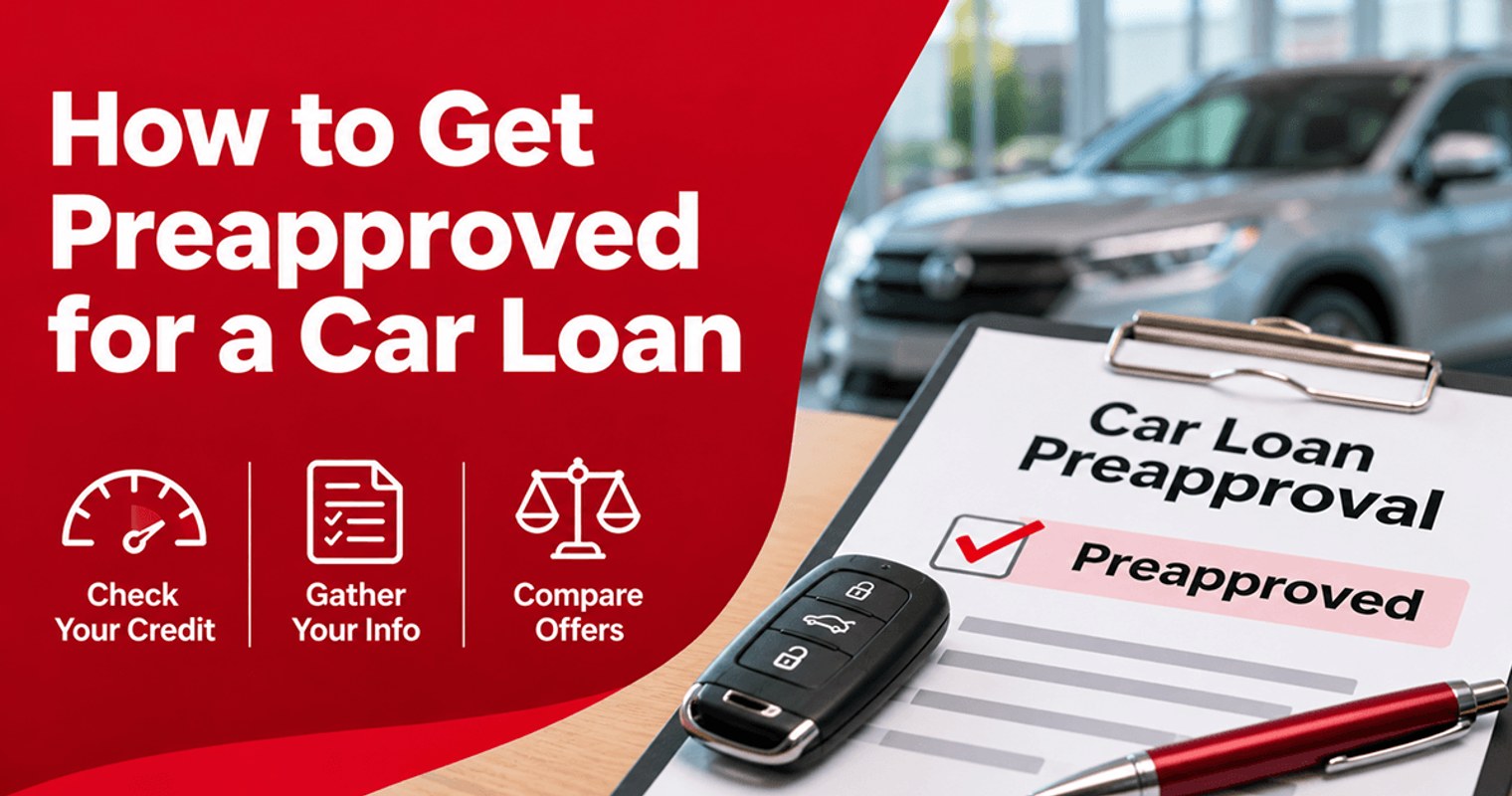
Our guide on how to get preapproved for a car loan walks through the process.
Does Your Credit Score Matter More When Buying a New or Used Car?
Credit matters for both new and used vehicle financing, but the loan terms can differ.
New vehicle loans generally have lower average APRs. Manufacturers sometimes offer promotional financing, including low APR or 0% APR programs for qualified buyers.
These offers may have stricter credit requirements and may apply only to certain vehicles or loan terms.
Used vehicle loans typically carry higher average interest rates, but the lower purchase price of a used car may offset some of that difference.
Consider a new vehicle priced at $35,000 and a comparable used vehicle priced at $24,000.
Even if the used vehicle comes with a higher APR, financing $11,000 less could result in a smaller monthly payment and lower total borrowing costs.
The better choice depends on the actual purchase prices, loan offers and expected ownership expenses.
How to Find a Car That Fits Your Credit and Budget
Once you know the APR and loan amount you may qualify for, start comparing vehicles within your price range.
Look beyond the advertised price. Sales tax, registration, dealership fees and other purchase costs can increase the amount you'll need to pay or finance.
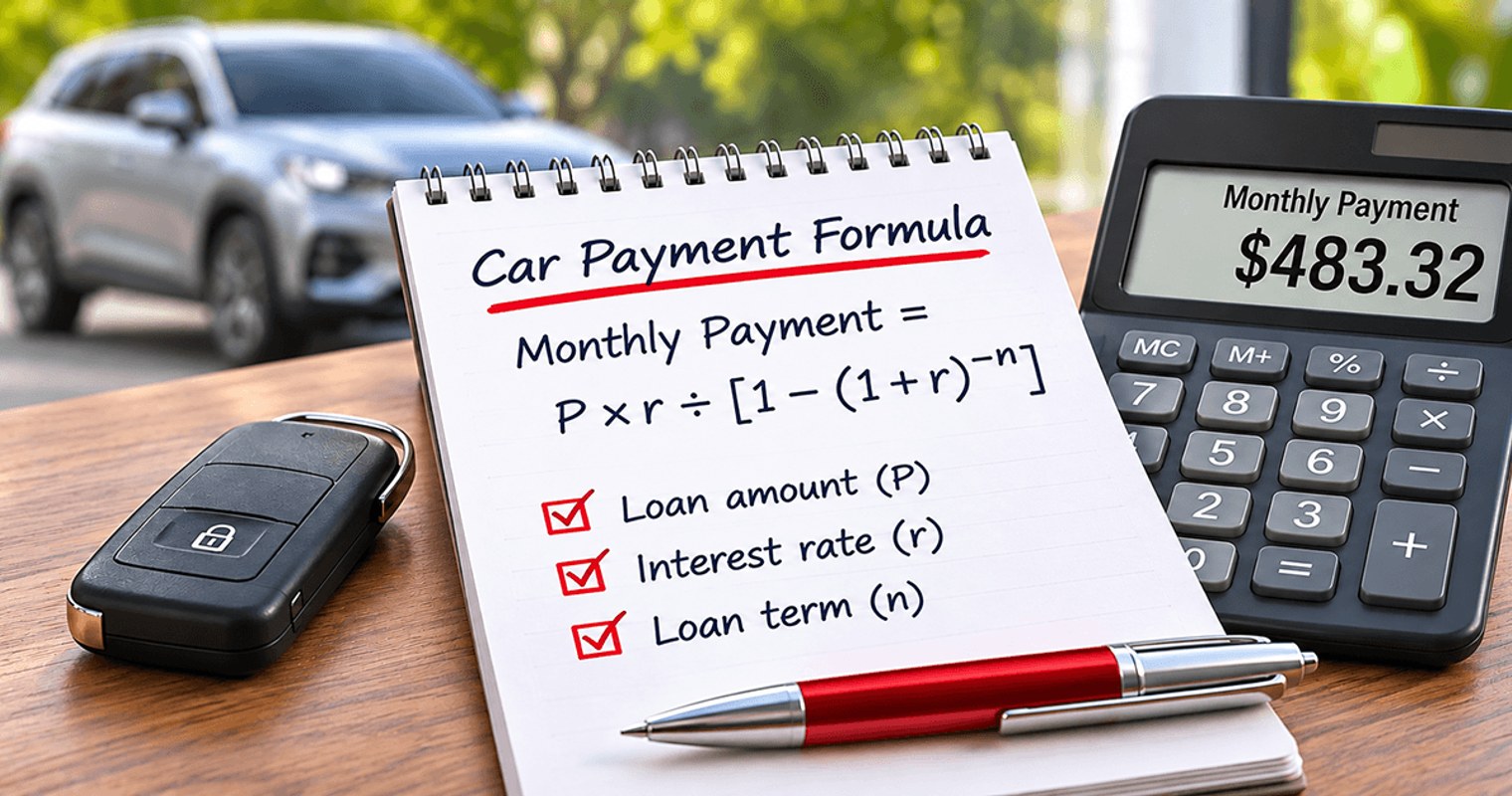
AutoFinder's Out the Door Price Calculator can help you estimate those costs before visiting a dealership. You can also enter your expected APR and loan term to see an estimated monthly payment.
With a realistic budget established, use AutoFinder to compare new and used vehicles from dealerships nationwide. When you find a vehicle you're interested in, request a written out the door price and compare the available financing terms.
Your credit score can influence what financing is available, but the final decision should account for the full purchase price and ongoing ownership expenses.
Disclaimer: This article is for informational purposes only and does not constitute financial or lending advice. Credit score requirements, interest rates and financing terms vary by lender and individual circumstances. AutoFinder does not guarantee loan approval, interest rates or financing eligibility. Consult a qualified financial professional or lender when evaluating your options.
Want More Car Buying Advice?
Add AutoFinder as a preferred source on Google to help you discover more of our automotive guides and research.