Car Financing
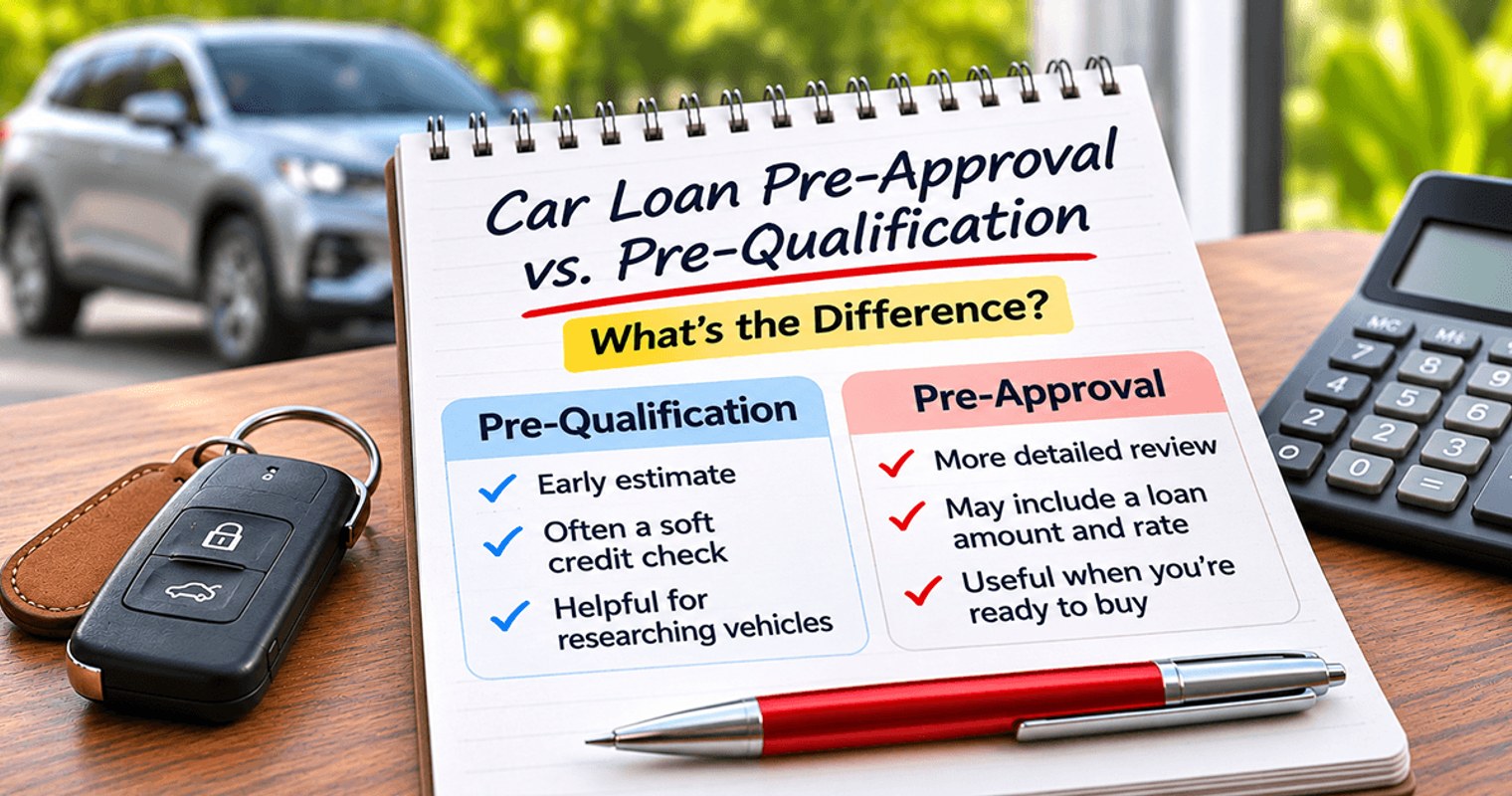
Car Loan Pre-Approval vs. Pre-Qualification: What's the Difference?
KEY TAKEAWAYS
- Pre-qualification generally provides an early estimate of the financing you may qualify for.
- Pre-approval may involve a more detailed financial review and provide specific, conditional loan terms.
- Credit checks vary by lender. Pre-qualification often uses a soft inquiry, while pre-approval may require a hard inquiry.
- Neither guarantees financing. Final approval can depend on your verified information and the vehicle you choose.
- Pre-approval can help you compare offers. You can use an outside lender's terms when evaluating dealership financing.
- Your buying timeline matters. Pre-qualification is useful during early research, while pre-approval is generally more helpful when you're ready to purchase.
Car loan pre-qualification and pre-approval both help you understand your financing options before buying a vehicle. Pre-qualification typically provides an early estimate of what you might qualify for, while pre-approval may involve a more detailed review of your finances and provide specific, conditional loan terms. The distinction isn't always clear. Some lenders use the terms interchangeably, and the application requirements can vary. A pre-qualification might involve a soft credit check, while a pre-approval could require a hard inquiry. Neither guarantees financing. If you're still comparing vehicles, pre-qualification can help you establish a realistic price range. If you're ready to buy, pre-approval may give you a stronger starting point for comparing offers from banks, credit unions, and dealerships.
What Is the Difference Between Car Loan Pre-Approval and Pre-Qualification?
The biggest difference is usually how much information a lender reviews before providing a financing decision.
Pre-qualification is commonly an initial assessment based on information you provide, sometimes supported by a soft credit inquiry. It helps you estimate what you might be able to borrow.
Pre-approval may involve a more detailed credit and financial review. Depending on the lender, you could receive a conditional loan amount, interest rate and repayment term.
However, there isn't one standardized process that every auto lender follows. A lender may call its preliminary offer a pre-approval even when it uses a soft credit inquiry. Another may require more documentation before issuing the same type of offer.
Rather than relying on the label, look at what the lender actually reviews and what conditions remain before final approval.
Car Loan Pre-Approval vs. Pre-Qualification Comparison
| Feature | Pre-Qualification | Pre-Approval |
|---|---|---|
| Main purpose | Estimate potential financing eligibility | Provide a more detailed preliminary lending decision |
| Application information | Often basic financial details | May require more complete financial information |
| Credit check | Often a soft inquiry | May involve a hard inquiry |
| Income verification | May rely on self-reported information | May require supporting documentation |
| Loan amount | Estimated borrowing range or limit | Potential loan limit based on lender review |
| Interest rate | May provide an estimated rate | May provide more specific conditional terms |
| Final approval guaranteed? | No | No |
| Best time to use | Early vehicle research | When preparing to purchase |
Requirements vary by lender. Both processes may involve additional verification or credit checks.
What Is Car Loan Pre-Qualification?
Car loan pre-qualification is an early estimate of the financing a lender may be willing to offer.
Many lenders allow you to request pre-qualification online. The process may take only a few minutes, depending on the information required.
You might be asked for:
- Name and contact information
- Estimated annual income
- Employment status
- Monthly housing payment
- Desired loan amount
- Basic vehicle information
Some lenders review your credit using a soft inquiry. Others may base an initial estimate on the financial details you submit.
The result could include a potential loan amount, estimated APR range or available repayment terms.
These figures aren't necessarily final. They may change when the lender completes a formal application and verifies your information.
When Does Pre-Qualification Make Sense?
Pre-qualification is particularly useful when you're researching vehicles but haven't decided what to buy.
Suppose you're considering a compact SUV and want to know whether financing $25,000 or $30,000 is realistic.
A preliminary financing estimate can help you narrow your search before comparing specific vehicles.
It may also help you explore lending options without immediately submitting a full credit application.
However, the maximum amount a lender estimates you could borrow shouldn't determine your entire vehicle budget. Your monthly payment still needs to leave room for insurance, maintenance and other expenses.
What Is Car Loan Pre-Approval?
Car loan pre-approval is a preliminary lending decision that may provide more specific financing information.
Depending on the lender, it could include:
- Maximum loan amount
- Conditional interest rate or APR
- Available repayment terms
- Down payment requirements
- Offer expiration date
- Conditions required for final approval
Some lenders review your credit, income and employment information before issuing a pre-approval. Others complete additional verification after you've selected a vehicle.
For example, a lender might preapprove you for up to $30,000 at a specified interest rate, subject to final verification and vehicle eligibility.
You can use that offer while shopping, but the lender may still need to approve the specific vehicle and transaction.
Does Pre-Approval Guarantee a Car Loan?
No. A pre-approval is generally conditional.
A lender may still need to verify your financial information, confirm the vehicle's value or check whether it meets age and mileage requirements.
For example, you could receive a pre-approval for up to $30,000 and later choose a used vehicle that doesn't meet the lender's eligibility requirements.
The lender might offer different terms or decline financing for that vehicle.
Before relying on an offer, review its conditions and expiration date.
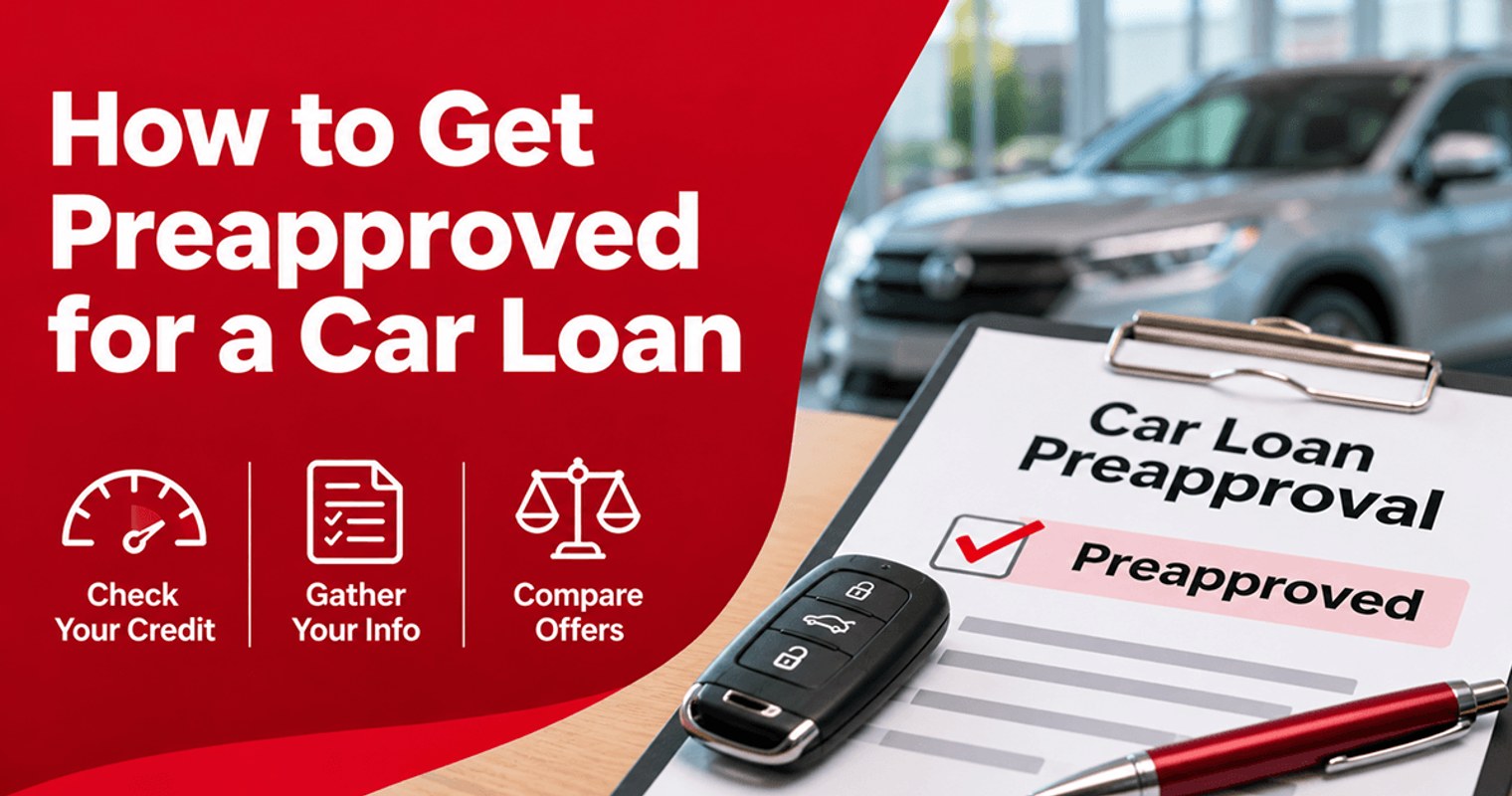
For a detailed explanation of the application process, read AutoFinder's How to Get Preapproved for a Car Loan.
Example: Pre-Qualification vs. Pre-Approval
Consider a shopper who plans to buy a $28,000 SUV.
They're still comparing vehicles and decide to check their financing options before visiting a dealership.
First, They Request Pre-Qualification
The shopper provides basic financial information through a lender's online application.
The lender performs a soft credit inquiry and estimates that the shopper may qualify for financing between $25,000 and $32,000.
This gives the shopper a starting point, but the lender hasn't completed its full review.
The estimated range doesn't guarantee that any particular vehicle or loan amount will be approved.
Next, They Apply for Pre-Approval
After narrowing their vehicle choices, the shopper submits a more detailed application.
The lender reviews additional financial information and provides a conditional offer:
- Maximum loan amount: $30,000
- APR: 7%
- Loan term: 60 months
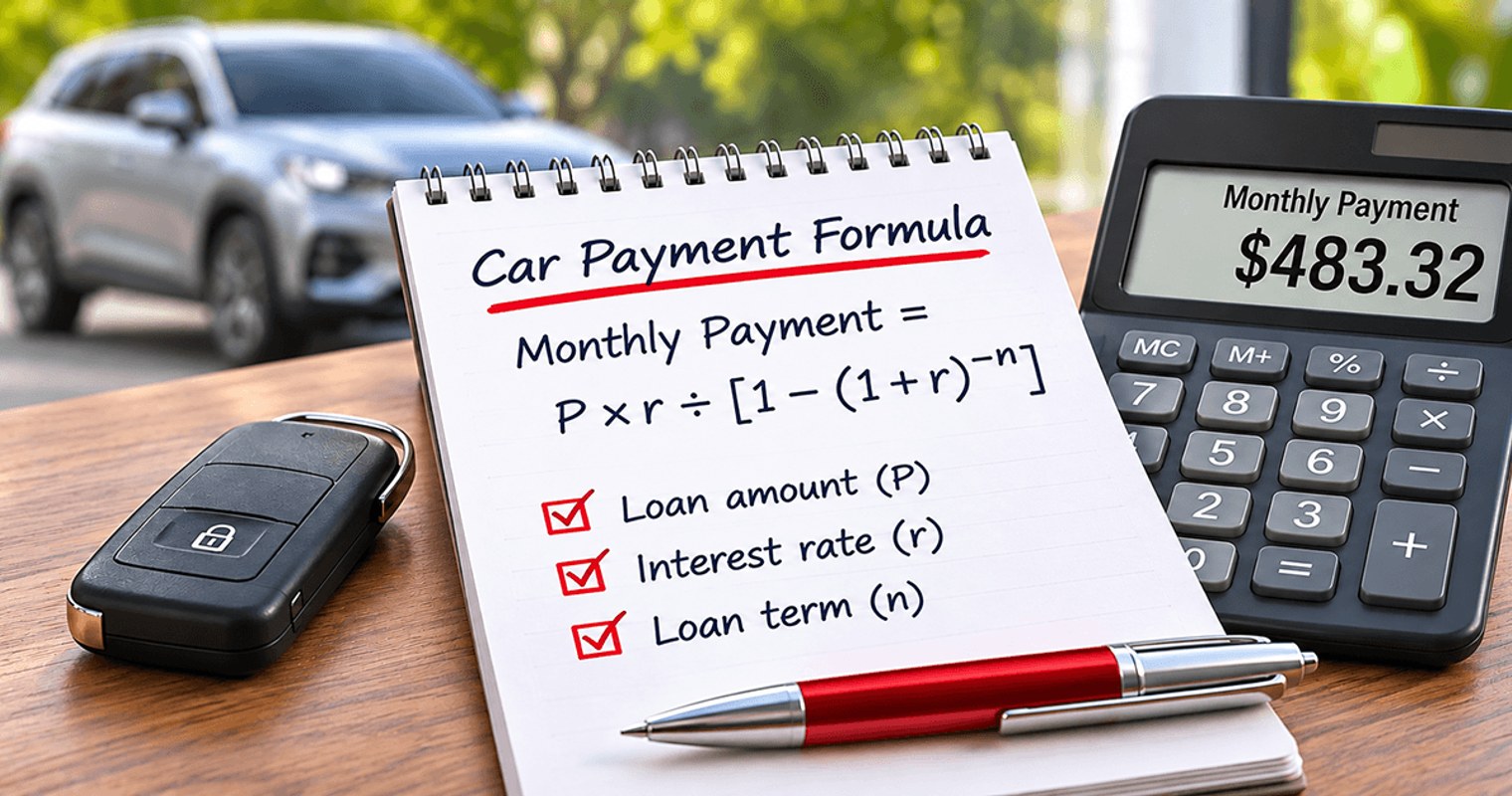
- Estimated monthly payment on $28,000 financed: $554
The monthly payment is an illustration based on a fixed 7% rate, equal monthly payments and no additional finance charges.
The shopper now has a more specific financing reference.
They can compare that offer with dealership financing or another lender's terms before deciding how to proceed.
The exact process won't look the same with every lender. Some lenders may provide specific conditional terms during pre-qualification, while others require additional checks before pre-approval.
Does Pre-Qualification or Pre-Approval Affect Your Credit Score?
The effect on your credit depends on whether the lender performs a soft or hard inquiry.
A soft inquiry doesn't affect your credit score.
A hard inquiry can affect your score because it indicates that a lender has reviewed your credit in connection with an application.
Pre-qualification commonly uses a soft inquiry, but that's not universal. Pre-approval may involve a hard inquiry, although some lenders provide preliminary decisions using a soft inquiry.
Before submitting your information, check the lender's disclosure or ask which type of inquiry will be performed.
What Happens If You Apply With Multiple Lenders?
You can compare auto loan offers from several lenders without each qualifying inquiry necessarily counting separately in your credit score.
Credit scoring models generally group multiple qualifying auto loan inquiries made within a designated rate-shopping period.
According to the Consumer Financial Protection Bureau, that period typically ranges from 14 to 45 days, depending on the scoring model.
Multiple inquiries may still appear on your credit report even when they're treated as one for scoring purposes.
If you're actively shopping for financing, submitting your applications within a relatively short period can help limit the potential credit score impact.
Should You Get Pre-Qualified or Pre-Approved Before Buying a Car?
The answer depends on where you are in the shopping process.
Pre-qualification is a useful starting point if you're still researching vehicles and want an early estimate of your borrowing options.
Pre-approval is generally more helpful when you're preparing to purchase and want specific financing terms to compare.
Which Option Fits Your Situation?
| Your Situation | Suggested Starting Point | Why |
|---|---|---|
| Just beginning to research cars | Pre-qualification | Helps estimate your financing range |
| Comparing several vehicle prices | Pre-qualification | Useful for early budget planning |
| Planning to buy within the next few weeks | Pre-approval | May provide more specific financing terms |
| Comparing banks and credit unions | Pre-approval | Helps evaluate conditional lending offers |
| Visiting a dealership soon | Pre-approval | Provides a financing reference |
| Concerned about credit inquiries | Ask about soft inquiry options | Credit check policies vary by lender |
You don't necessarily need to complete both processes.
Some lenders let you move from pre-qualification to pre-approval, while others offer only one type of preliminary application.
Choose the process that provides the information you need for your next step.
How to Get Pre-Qualified or Pre-Approved for a Car Loan
Although application requirements vary, there are a few steps worth taking before requesting financing.
1. Check Your Credit
Review your credit reports for inaccurate information or unfamiliar accounts.
You can access free credit reports through AnnualCreditReport.com.
Checking your own credit reports doesn't affect your credit score.
2. Set Your Vehicle Budget
Determine how much you can comfortably afford each month.
Include the loan payment along with insurance, fuel or charging, maintenance and other ownership expenses.
A lender's maximum approved amount may be higher than what makes sense for your budget.
AutoFinder's Car Payment Calculator can help you compare different loan amounts and repayment terms.
3. Compare Lenders
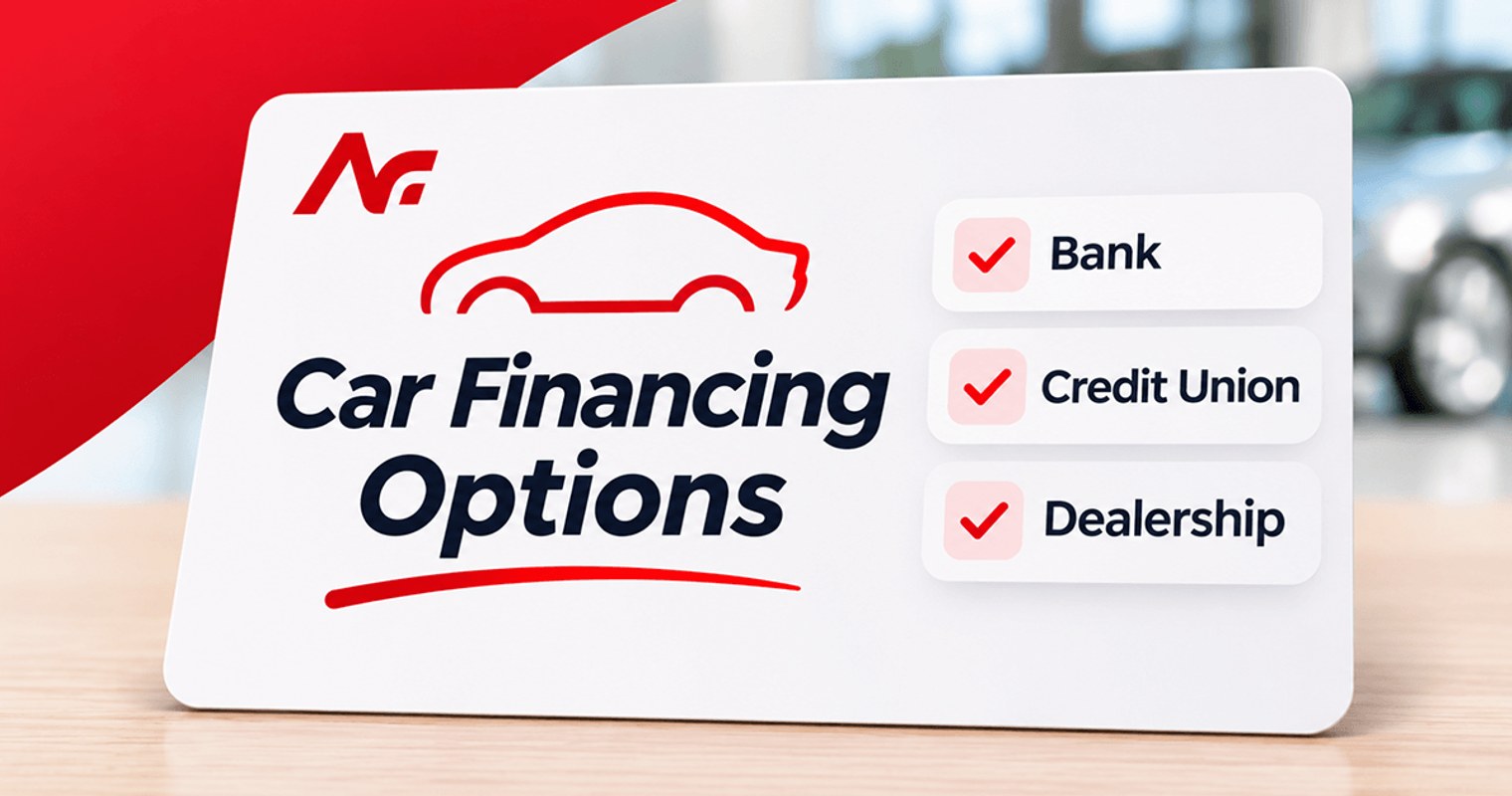
Review financing options from banks, credit unions and other auto lenders.
Check whether each offers pre-qualification, pre-approval or both.
Before applying, confirm whether the process involves a hard credit inquiry.
4. Submit Your Information
The lender may ask for employment details, income, housing expenses and the amount you want to borrow.
More detailed applications may require supporting documentation.
Provide accurate information to avoid delays or changes during verification.
5. Review Your Offer
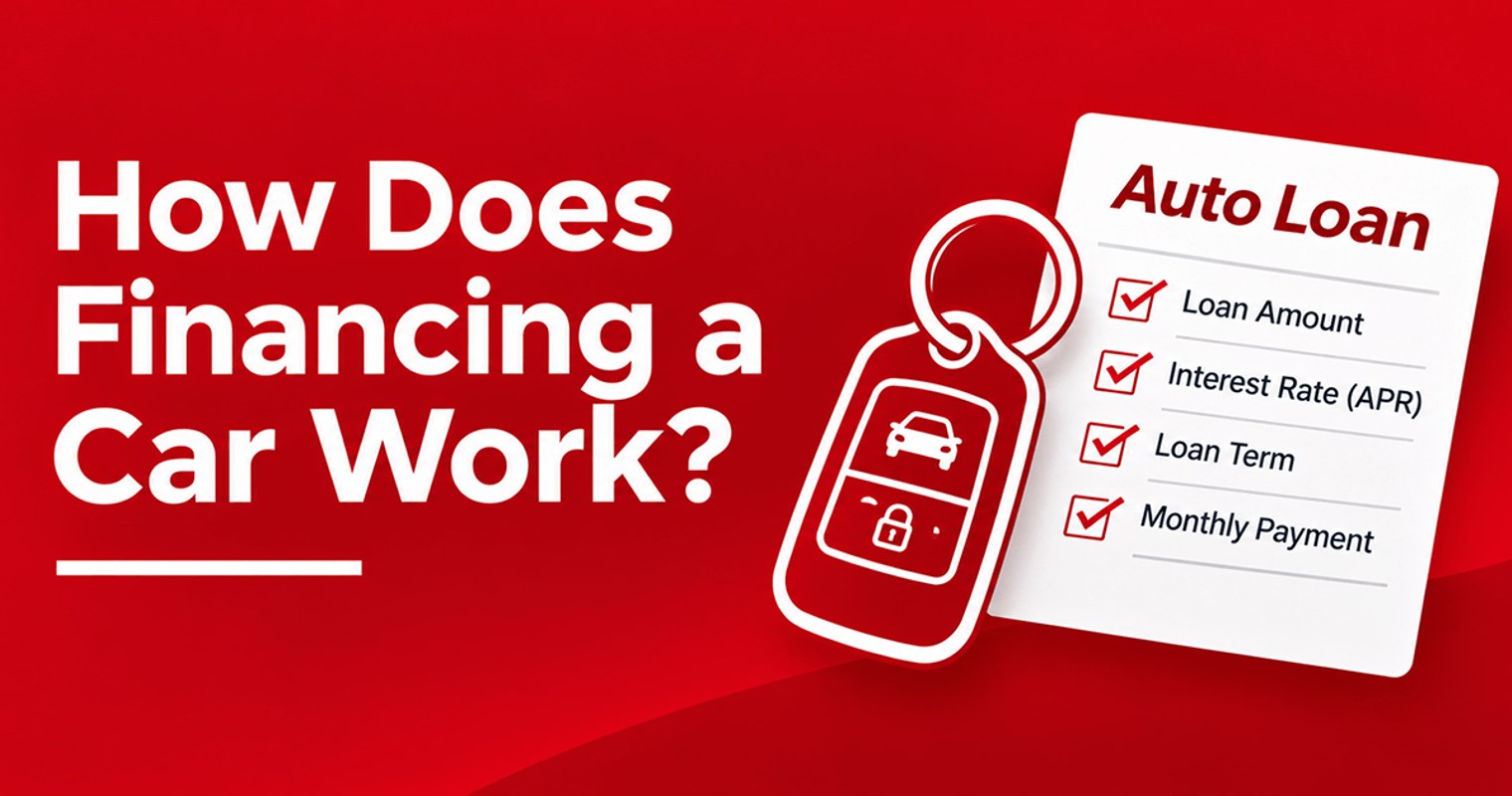
Look at the APR, amount financed, loan term, monthly payment and any conditions attached to the offer.
Check when the offer expires and whether the lender has vehicle restrictions.
If you're comparing lenders, use the same loan amount and repayment term whenever possible.
Four Questions to Ask Before Applying
Before submitting a pre-qualification or pre-approval request, ask the lender:
1. Will this involve a hard credit inquiry?
Find out whether the initial application uses a soft inquiry and whether a hard inquiry will be required later.
2. What information will you verify?
Ask whether the lender will review income, employment, credit history or other financial details before providing an offer.
3. Are the financing terms conditional?
Confirm whether the loan amount and interest rate are preliminary and what could cause them to change.
4. When does the offer expire?
Find out how long the terms remain valid and whether the lender will need to review your information again if you don't purchase a vehicle before that date.
These questions can help you understand the offer without relying solely on the terms pre-qualification or pre-approval.
Can You Still Use Dealership Financing After Getting Pre-Approved?
Yes. Getting preapproved through a bank or credit union doesn't prevent you from using dealership financing.
A dealership may be able to arrange financing through its lending partners or offer manufacturer-sponsored promotional rates on eligible vehicles.
Your outside pre-approval gives you a reference point for comparing those offers.
Suppose your credit union provides a conditional offer at 7% APR for 60 months.
The dealership may be able to arrange a 6.5% APR offer for the same amount and term.
If the other conditions are comparable, the dealership's financing could cost less.
Alternatively, your original offer may remain the better option.
Compare the full financing terms rather than choosing based only on the monthly payment.
What Should You Compare Between Financing Offers?
| Financing Detail | What to Review |
|---|---|
| APR | Annual borrowing cost, including applicable finance charges |
| Amount financed | Total amount you're borrowing |
| Loan term | Number of months required to repay the loan |
| Monthly payment | Scheduled payment amount |
| Total of payments | Total amount paid over the repayment period |
| Down payment | Cash required upfront |
| Vehicle restrictions | Age, mileage, value or other eligibility limits |
| Offer conditions | Verification requirements and expiration dates |
Ask for the complete terms in writing before making your decision.
Can Pre-Approval Help You Negotiate at a Dealership?
A pre-approved financing offer can help you evaluate the financing options presented during the purchase.
It may also make it easier to discuss the vehicle's price separately from the loan.
For example, if you've been preapproved for up to $30,000, you can compare vehicles within your budget and request an itemized out the door quote before finalizing financing.
That quote should include the agreed selling price, applicable taxes and fees, and other purchase charges.
Once you've reviewed the purchase price, compare your outside financing offer with any terms available through the dealership.
You may decide to use your original lender or take advantage of a more competitive dealership offer.
AutoFinder's Out the Door Price Calculator can help estimate the full purchase cost before you commit.
What Happens After You're Pre-Approved?
Once you've received pre-approval, you can shop for a vehicle that fits both your budget and the lender's requirements.
Before choosing a car, check whether the lender has restrictions on vehicle age, mileage, price or dealership eligibility.
Some lenders may require a purchase agreement or vehicle identification number before completing the loan.
After you've selected a vehicle, the lender reviews the final transaction details.
If the purchase meets its requirements, the lender can move toward final approval and funding.
Confirm that financing is finalized before assuming the purchase is complete.
Common Mistakes to Avoid
Assuming Pre-Approval Guarantees Financing
A preliminary offer may still depend on income verification, vehicle eligibility or other lender requirements.
Applying Without Checking the Credit Inquiry Type
A soft inquiry doesn't affect your credit score, while a hard inquiry can. Check the lender's process before submitting an application.
Shopping Based on the Maximum Approved Amount
Your approved loan limit isn't necessarily your ideal vehicle budget. Consider the full cost of ownership.
Comparing Only Monthly Payments
A longer loan can reduce the payment while increasing total interest. Review APR, loan term and total payments.
Overlooking Offer Conditions
Check expiration dates, vehicle restrictions and any documentation required before final approval.
The Bottom Line
Pre-qualification can help you estimate your financing options while you're researching vehicles. Pre-approval may provide more specific terms when you're ready to buy.
Both can be useful, but the lender's actual requirements matter more than the name of the process.
Before applying, find out what credit check is involved, what information will be verified and whether the offer is conditional.
With that information, you can compare vehicles and financing offers with a clearer understanding of what you may qualify for.
Disclaimer
This article provides general educational information and does not constitute financial, legal or lending advice. Pre-qualification, pre-approval, credit inquiry practices and loan eligibility requirements vary by lender. Neither pre-qualification nor pre-approval guarantees financing. Actual loan offers, interest rates and terms depend on creditworthiness, lender policies, vehicle eligibility and other factors. Review all financing disclosures and agreements before making a purchase.
Want More Car Buying Advice?
Add AutoFinder as a preferred source on Google to help you discover more of our automotive guides and research.