Crossover vs SUV: What Is the Difference and Which Is Better
Last updated Jun 11th, 2026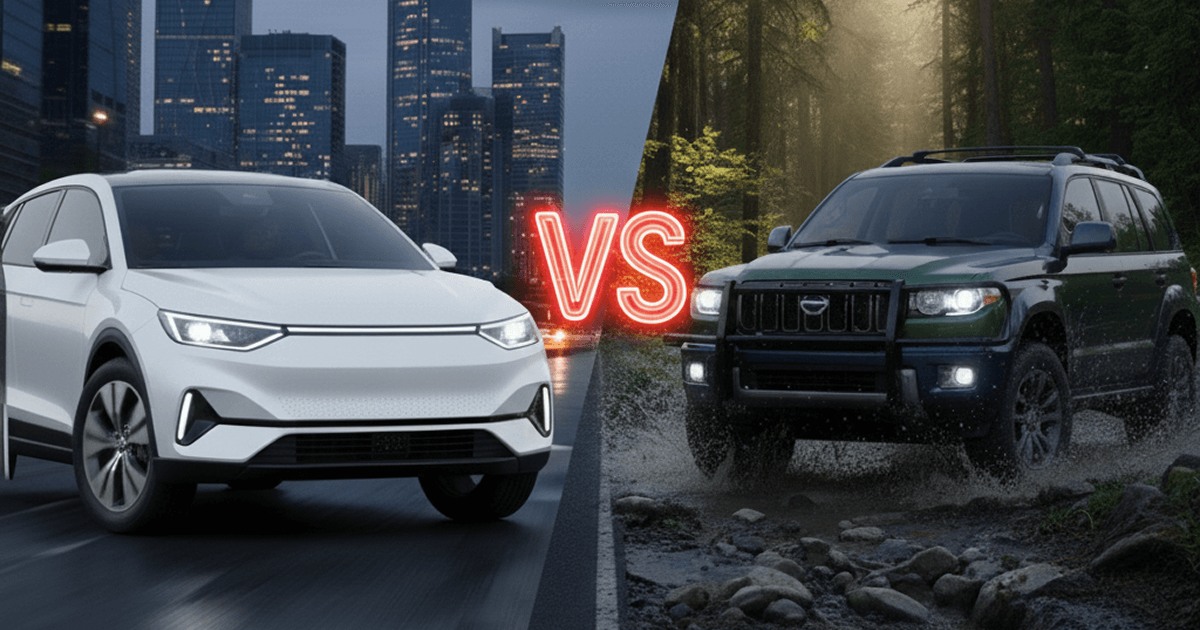
Find Your Best Price
See what others paid and get upfront pricing from local dealers.

If you are shopping for your next car, you have probably come across the terms crossover and SUV. While these vehicles may look similar, there are important differences that can affect how they drive, how much space they offer, and what kind of lifestyle they fit best.
This guide breaks down everything you need to know about crossover versus SUV models so you can make an informed choice that feels right for you.
For verified listings and trusted local dealerships, visit autofinder.com.
1. The Quick Answer
The main difference between a crossover and an SUV comes down to how they are built.
A crossover is built on a car-style frame known as a unibody structure. This design gives it a smoother ride, better fuel efficiency, and easier handling.
An SUV or Sport Utility Vehicle is typically built on a truck-style frame called a body-on-frame design. This makes it stronger and better suited for towing, off-road driving, and carrying heavy loads.
If you are new to SUVs and want to understand where the name comes from, you can read our What Does SUV Stand For guide.
2. Understanding Crossovers
Crossovers are the modern evolution of SUVs. They combine the style and versatility of an SUV with the comfort and drivability of a car.
Key characteristics of crossovers include:
- Lighter weight for better fuel economy
- Car-like handling that makes them easier to park and maneuver
- Lower ground clearance for a smoother ride
- Interior comfort and technology similar to sedans
Crossovers are ideal for city driving, small families, and anyone who wants the look of an SUV without the heavier feel or higher fuel costs.
3. Understanding SUVs
SUVs, or Sport Utility Vehicles, were originally designed for strength and durability. They have a more traditional truck-based structure that makes them capable of towing and handling rough terrain.
Key characteristics of SUVs include:
- Higher ground clearance and stronger suspension
- Optional four-wheel or all-wheel drive for traction and control
- Larger cargo capacity and seating options
- Better towing power for trailers or boats
SUVs are great for families, outdoor enthusiasts, and anyone who values space, capability, and power.
If you are considering buying one, explore our How to Buy a Car Guide for tips on finding the right model at the right time.
4. The Main Differences Between Crossovers and SUVs
Crossovers are built on a car style frame, while SUVs are built on a truck style frame. This difference in design creates two very distinct driving experiences. Crossovers offer a smoother and lighter ride that feels easy to handle, especially in city driving. SUVs feel stronger and more rugged with a higher ride that gives you a commanding view of the road.
When it comes to fuel efficiency, crossovers are usually more efficient, while SUVs tend to use more fuel, although modern models continue to improve every year.
Cargo space is another key difference. Crossovers offer moderate cargo room that works well for everyday needs. SUVs provide much larger cargo areas along with more seating options, making them a better choice for families or travelers who need extra space.
Towing power also sets the two apart. Crossovers can handle light towing duties, while SUVs deliver much greater towing and hauling capability.
Finally, crossovers have limited ability for off road adventures. SUVs are built for rough terrain and perform far better when the road gets challenging.
5. Choosing Between a Crossover and an SUV
Your ideal choice depends on how you plan to use your vehicle and what you value most in your daily drive.
Choose a crossover if you:
- Drive mostly on paved roads or in cities
- Want great fuel efficiency and easy handling
- Prefer a smoother and quieter ride
Choose an SUV if you:
- Need extra space for passengers or gear
- Plan to tow or drive on rough terrain
- Want a stronger vehicle for long trips or heavy use
If you are buying preowned, read our How to Buy a Used Car from a Dealer Guide to understand how to inspect and compare options confidently.
6. Which One Is More Popular
In recent years, crossovers have become more popular than traditional SUVs. Many drivers prefer their smooth handling, fuel efficiency, and modern design. However, SUVs continue to hold a strong market share among families, outdoor drivers, and those who need more strength and utility.
Manufacturers now offer both types in every size and price range, so there is no shortage of options whether you want an efficient commuter vehicle or a spacious family hauler.
7. The Rise of Hybrid and Electric Crossovers and SUVs
Both crossovers and SUVs are evolving with technology. Hybrid and electric models are becoming increasingly common, offering better mileage and lower emissions.
Drivers who want efficiency without sacrificing space or power can find hybrid versions of popular models in both categories. Many of these vehicles now rival traditional cars in fuel economy and comfort.
You can explore verified hybrid SUV listings on autofinder.com to compare options and see local inventory.
Frequently Asked Questions About Crossovers and SUVs
Which is safer, a crossover or an SUV
Both crossovers and SUVs perform well in safety ratings, but larger SUVs generally have higher crash protection due to their size. Always review the safety data for each specific model.
Do crossovers or SUVs last longer
Both can last a long time with proper maintenance. SUVs often have a longer lifespan due to their heavier build, while crossovers are designed for lighter, everyday driving.
Are crossovers cheaper than SUVs
Yes, crossovers are usually more affordable because they cost less to build and operate. SUVs tend to have higher starting prices but often include more capability and strength.
Can a crossover go off road
Most crossovers are not designed for serious off-road driving. They can handle light gravel or dirt roads, but SUVs are better suited for rugged terrain.
Which holds value better
Well-known SUV models tend to hold value slightly better, especially those with strong reliability ratings and towing power.
Final Thought
The difference between a crossover and an SUV comes down to what you value most comfort and efficiency, or power and capability.
Crossovers offer the best of both worlds for city drivers who want versatility without sacrificing ease of use. SUVs remain the go-to choice for families, travelers, and anyone who needs space and strength.
Whichever direction you choose, make your decision with confidence. Explore verified listings and trusted local dealers at autofinder.com, where every connection is built on trust and transparency.
Featured Articles
Related Articles
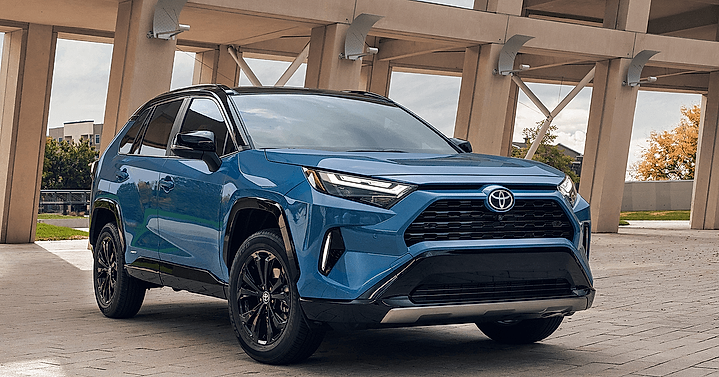
Best SUVs of 2025: Top Picks for Every Type of Buyer
Vehicle Comparisons
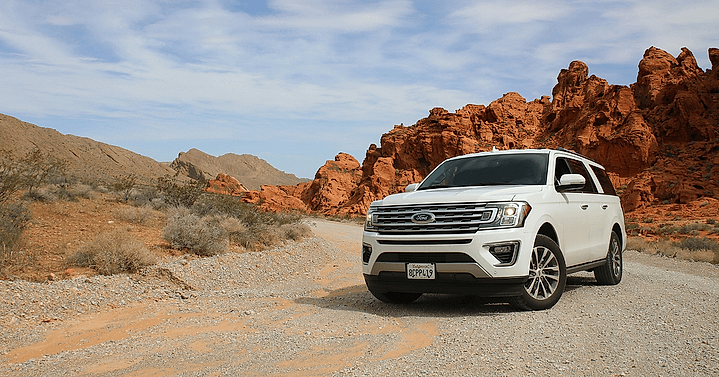
What Does SUV Stand For and What Makes It Different
Car Basics and Guides
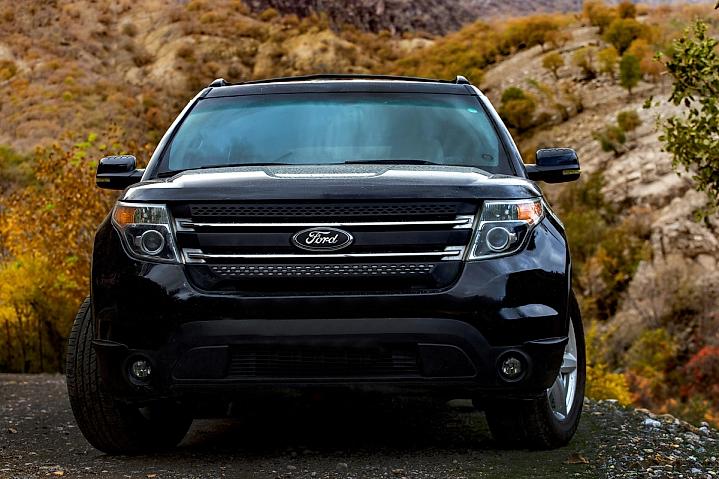
Why the 2022 Ford Explorer is a Family-Ready SUV
New and Used Car Reviews: Features, Specs, and Insights
The information provided in this article is for general informational purposes only and may change over time. Vehicle pricing, availability, specifications, incentives, financing terms, interest rates, and other details may vary by vehicle, dealer, lender, location, and individual circumstances. AutoFinder does not guarantee the accuracy or availability of information provided by third parties. Always confirm current vehicle details, pricing, terms, and eligibility directly with the participating dealer or appropriate provider before making a purchase or financial decision.