What Does SUV Stand For and What Makes It Different
Last updated Jun 12th, 2026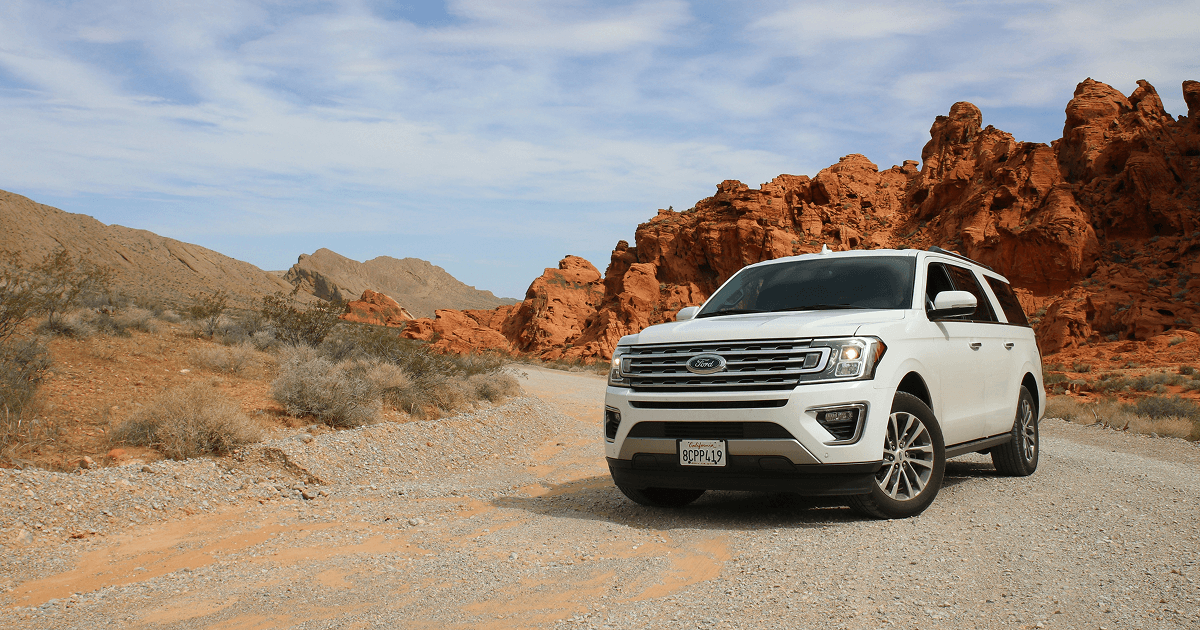
Find Your Best Price
See what others paid and get upfront pricing from local dealers.

SUV stands for Sport Utility Vehicle. It describes a vehicle that combines the space and strength of a truck with the comfort and convenience of a passenger car. SUVs are known for their higher seating position, versatile performance, and ability to handle both city driving and outdoor adventures.
If you are exploring SUVs and want to compare trusted listings, visit autofinder.com for verified options from local dealers.
1. Understanding the Meaning of SUV
The term Sport Utility Vehicle originally described vehicles built for both sport and function. Early SUVs were designed for off-road performance while still offering comfort for everyday driving. Over time, the term expanded to include modern crossovers and family-friendly models that share the same flexible design.
Today, an SUV is defined by its balance of practicality, power, and comfort. It gives drivers the flexibility to manage city commutes, long road trips, and weekend adventures with confidence.
If you are deciding between buying a new or used SUV, our How to Buy a Car Guide explains how to plan your purchase step by step.
2. The Evolution of SUVs
SUVs began as rugged, utilitarian vehicles in the mid-twentieth century. Early models such as the Jeep Wagoneer and the Land Rover Series blended the capability of a truck with the comfort of a passenger vehicle.
In the 1990s and early 2000s, SUVs became household favorites. Drivers loved their roomy interiors, high visibility, and adaptability for different lifestyles. Since then, manufacturers have refined designs to improve fuel economy, safety, and style, making SUVs a top choice for families and individuals alike.
To learn more about how timing affects your car purchase, explore our article on The Best Time to Buy a Car.
3. Key Features That Define an SUV
While SUVs come in many shapes and sizes, most share several defining features.
- A higher driving position for improved visibility
- A spacious cabin with flexible seating and cargo space
- Options for all-wheel or four-wheel drive to handle various road conditions
- A design that blends comfort, capability, and durability
These traits make SUVs appealing to a wide range of drivers who want both practicality and performance.
For those considering preowned models, our How to Buy a Used Car Guide offers clear steps for finding quality vehicles and trusted dealerships.
4. Types of SUVs
SUVs are available in different sizes and configurations to suit a variety of needs. Here are the main categories you will find when shopping.
Compact SUVs
Compact SUVs are smaller and easier to drive in tight spaces. They are fuel efficient and ideal for urban drivers who want comfort without the size of a full family vehicle.
Midsize SUVs
Midsize SUVs strike a balance between space and performance. They often include more power, extra seating, and towing capabilities.
Full Size SUVs
Full size SUVs provide maximum space, strength, and seating. They are great for large families or anyone needing extra cargo capacity.
Crossovers
Crossovers combine the higher stance of an SUV with the smooth handling of a car. They are built on car-style frames, making them lighter and more efficient.
5. Why SUVs Are So Popular
SUVs have become one of the most popular vehicle types because they offer versatility, comfort, and confidence on the road.
Drivers choose SUVs because they:
- Provide a higher driving position for better visibility
- Offer ample space for passengers, families, and luggage
- Perform well in various weather and road conditions
- Combine strong safety ratings with advanced technology
SUVs suit almost every lifestyle, from solo commuters to large families who love to travel.
If you are considering trading in your current vehicle, visit autofinder.com to explore verified dealers and accurate trade-in evaluations.
6. Choosing the Right SUV for You
When deciding which SUV fits your needs, think about how it will serve your lifestyle.
Ask yourself:
- Do I need more room for passengers or cargo
- Will I drive mostly in the city or on long trips
- How important are fuel economy and towing power
Once you know your priorities, compare models using trusted listings and transparent dealer information. You can explore verified SUV options at autofinder.com to see what fits your preferences and budget.
Frequently Asked Questions About SUVs
What does SUV stand for
SUV stands for Sport Utility Vehicle. It refers to a vehicle designed to combine comfort, space, and utility in one versatile package.
Are all SUVs four wheel drive
Not all SUVs are four wheel drive. Many models come with front wheel drive and offer all wheel or four wheel drive as an upgrade.
Do SUVs use more fuel than cars
Older SUVs were less efficient, but new technology and hybrid engines have improved fuel economy significantly. Modern SUVs can be both capable and efficient.
What is the difference between an SUV and a crossover
An SUV is usually built on a truck platform for strength, while a crossover uses a car platform for smoother handling and lighter weight.
Are SUVs safer than cars
SUVs often score well in safety tests due to their larger frames and elevated driving position. However, safety varies by model, so always check the ratings before you buy.
Final Thought
SUV stands for Sport Utility Vehicle, a name that perfectly reflects its balance of power, comfort, and versatility. Whether you are looking for a compact crossover for daily driving or a full-size model for family travel, understanding what makes SUVs unique helps you make a confident and informed choice.
If you are ready to explore verified SUV listings and connect with trusted local dealers, start your search at autofinder.com where trust drives every connection.
Related Articles
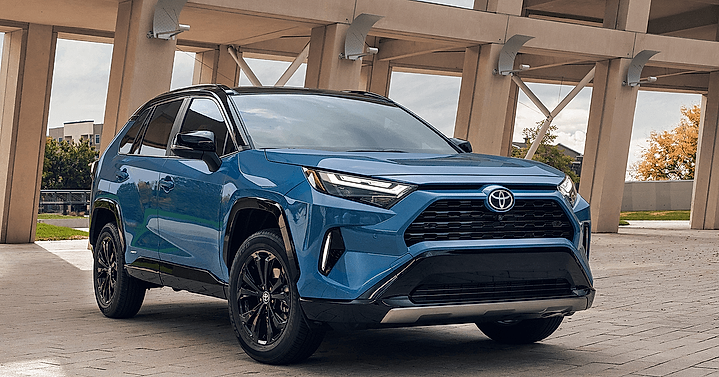
Best SUVs of 2025: Top Picks for Every Type of Buyer
Vehicle Comparisons

Explore the 2022 Jeep Wrangler Rubicon
New and Used Car Reviews: Features, Specs, and Insights
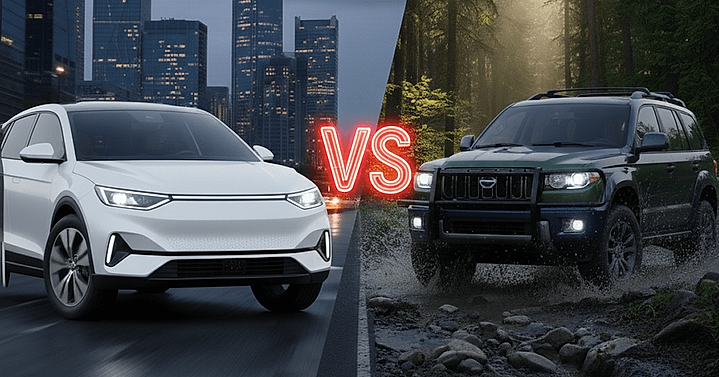
Crossover vs SUV: What Is the Difference and Which Is Better
Vehicle Comparisons
The information provided in this article is for general informational purposes only and may change over time. Vehicle pricing, availability, specifications, incentives, financing terms, interest rates, and other details may vary by vehicle, dealer, lender, location, and individual circumstances. AutoFinder does not guarantee the accuracy or availability of information provided by third parties. Always confirm current vehicle details, pricing, terms, and eligibility directly with the participating dealer or appropriate provider before making a purchase or financial decision.