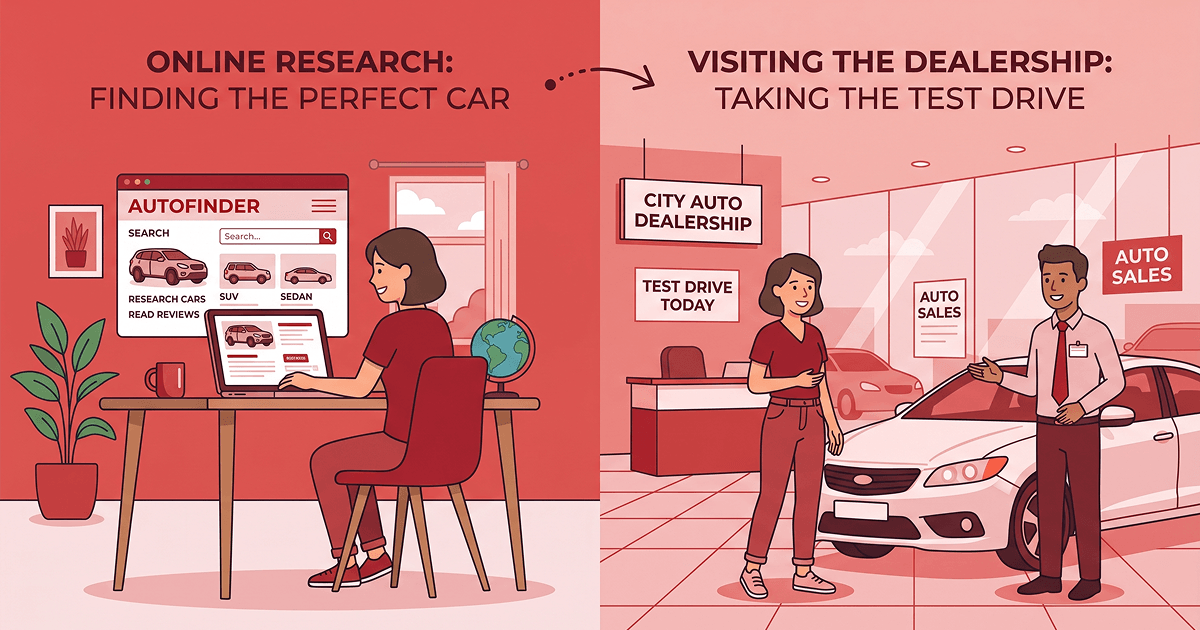
Car Buying Guides
What Questions Should You Ask Before Buying or Leasing a Car?
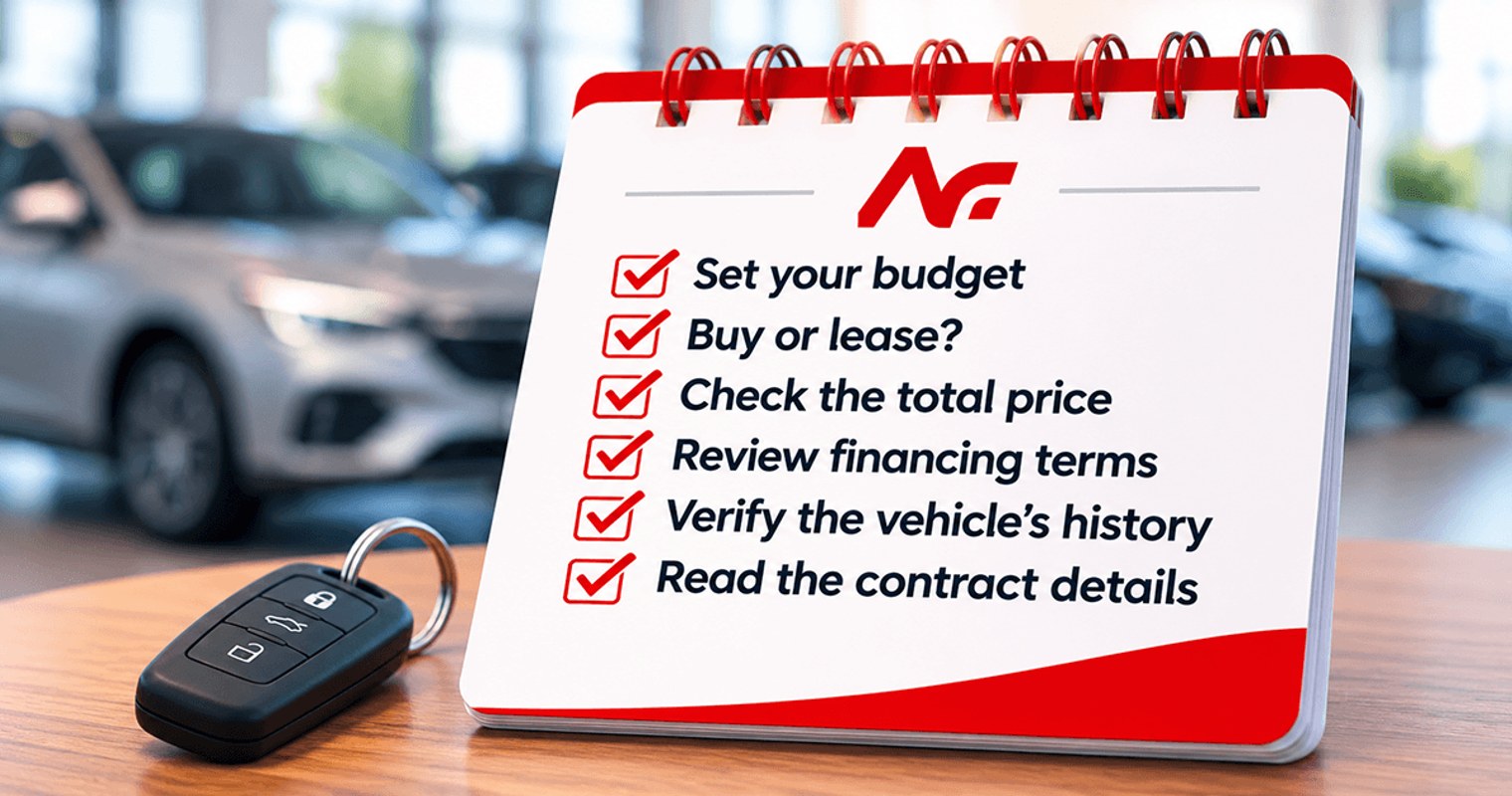
KEY TAKEAWAYS
- Know your total budget. Factor in insurance, fuel, maintenance, and registration alongside the monthly payment before deciding what you can afford.
- Compare buying and leasing. Consider how long you'll keep the vehicle, how many miles you drive, and whether you want to own it.
- Ask for the full price in writing. Request an itemized out-the-door price, including taxes, fees, and any optional products.
- Understand your financing or lease terms. Review the APR, loan length, total interest, or lease mileage limits and end-of-contract charges.
- Check the vehicle before committing. Review warranty coverage, accident history, maintenance records, and recall status, especially when buying used.
- Read the contract before signing. Make sure the final numbers match your agreement and ask about early termination, cancellation, or return policies.
You don't need to ask every question during your first conversation with a dealership. Start with your budget and the type of vehicle you need. Once you've narrowed your choices, you can work through the questions that apply to your purchase or lease.
What Are the Most Important Questions to Ask Before Getting a Car?
If you're getting ready to visit a dealership, these are the questions worth having on your list:
- How much can I comfortably afford, including insurance and maintenance?
- Should I buy or lease based on how long I plan to keep the vehicle?
- What is the total out-the-door price, including taxes and fees?
- What financing rate, loan term, or lease terms do I qualify for?
- Are there manufacturer incentives or dealership discounts available?
- What is the vehicle's accident, maintenance, and warranty history?
- Can I review the complete purchase or lease agreement before signing?
- What happens if I want to sell, trade, or return the vehicle early?
The answers will help you compare vehicles and offers without relying entirely on the advertised price or monthly payment.
What Should You Ask Yourself Before Shopping for a Car?
Before you start comparing cars, figure out what you need and what you can comfortably spend.
How Much Can I Afford to Spend on a Car?
Your monthly car payment is only one part of the expense.
You'll also need to budget for insurance, fuel or charging, maintenance, registration, and occasional repairs.
For example, a $450 monthly payment might fit comfortably into your budget. But if insurance costs $180, fuel costs $140, and you set aside $75 for maintenance, your estimated monthly vehicle expense becomes $845.
Before shopping, ask yourself:
- What monthly payment can I afford without stretching my budget?
- How much can I put toward a down payment?
- Have I checked insurance rates for the vehicles I'm considering?
- Can I comfortably handle unexpected maintenance or repair expenses?
For additional guidance, read How Much Should I Spend on a Car Based on My Salary?.
Should I Buy or Lease a Car?
Buying and leasing can both make sense, depending on your driving habits and how long you expect to keep the vehicle.
Buying is generally a better fit if you want to keep your car for many years, drive a lot of miles, or eventually eliminate your monthly payment.
Leasing may appeal to shoppers who prefer driving a newer vehicle every few years and want a lower monthly payment than they might have with a comparable purchase.
Ask yourself how many miles you drive annually, whether your needs could change in the next few years, and whether owning the vehicle is important to you.
A lease may look less expensive each month, but compare the total cost over the same period. Include the amount due at signing, monthly payments, fees, and what you'll own at the end.
Do I Need a New Car or Would a Used Car Work?
A new vehicle typically includes the full original factory warranty and the latest available technology. A used vehicle may cost less, although its condition, mileage, and remaining warranty coverage deserve closer attention.
Certified pre-owned vehicles can offer another option. Manufacturer-certified vehicles typically meet the automaker's inspection and eligibility requirements and include additional warranty coverage, although programs differ.
Think about whether you're comfortable with a vehicle that has some mileage or whether the benefits of buying new justify the higher price.
What Questions Should You Ask About the Car's Price?
Found a car you like? Before discussing payments, find out what it actually costs.
What Is the Out-the-Door Price?
The out-the-door price includes the vehicle's selling price, applicable taxes, title and registration charges, dealer fees, and any additional products included in the transaction.
It's one of the most useful numbers when comparing purchase offers from different dealerships.
For example, one dealership might advertise a vehicle for $29,500 while another lists a similar vehicle for $30,000. The first vehicle isn't necessarily the better deal if its total fees make the final price higher.
Ask each dealership for a written quote that includes all applicable charges.
You can also use AutoFinder's out-the-door price calculator to estimate how taxes and fees affect your purchase.
Which Fees Are Required and Which Are Optional?
Dealerships handle paperwork, registration, vehicle preparation, and other parts of the transaction. Some charges are set by state or local governments, while others are established by the dealership.
Ask for an explanation of each fee.
Government taxes and registration charges generally aren't negotiable. Documentation fees and other dealership charges may be negotiable, depending on state law and dealership policy.
You may also be offered products such as paint protection, tire and wheel coverage, or extended service contracts.
These products can be useful for some drivers, but ask about their price, coverage, and whether they're optional before agreeing to purchase them.
Is This a Competitive Price for the Vehicle?
Before negotiating, compare the vehicle with similar listings.
For a new car, look at the MSRP, available manufacturer incentives, trim level, and prices advertised by nearby dealerships.
For a used car, compare vehicles with similar mileage, condition, equipment, and ownership history.
A lower-priced used vehicle isn't automatically a better value if it needs expensive repairs or has substantially more mileage.
You can compare new and used vehicles on AutoFinder to see how prices vary across available dealership inventory.
How Do You Compare Two Dealership Offers?
The lowest advertised price doesn't always mean the lowest total cost, especially when financing terms differ.
Suppose you're comparing two offers for similar vehicles:
| Dealership A | Dealership B | |
|---|---|---|
| Vehicle price | $30,000 | $30,500 |
| APR | 7% | 4% |
| Loan term | 60 months | 60 months |
| Monthly payment | $594 | $562 |
| Total loan payments | $35,642 | $33,702 |
In this example, Dealership B starts with a $500 higher vehicle price but saves approximately $1,940 in total loan payments because of the lower APR.
The example assumes the full vehicle price is financed, with no down payment, taxes, fees, or trade-in. Actual financing offers depend on credit approval and lender terms.
When comparing quotes, ask each dealership to provide the selling price, out-the-door price, APR, loan term, and total amount paid. That way, you're comparing the complete offer rather than just one number.
What Is My Trade-In Worth?
If you're trading in your current vehicle, ask the dealership how it determined the offer.
You can research estimated trade-in values beforehand and compare offers from multiple sources.
If you still owe money on your current car, ask for the loan payoff amount and whether you have positive or negative equity.
For example, if your trade-in is worth $15,000 and you owe $12,000, you have approximately $3,000 in positive equity.
If you owe $18,000 instead, the difference is $3,000 in negative equity. Rolling that balance into a new loan increases the amount you're financing.
Ask the dealership to show your trade-in value, existing loan payoff, and new vehicle purchase price separately.
What Questions Should You Ask About Car Financing?
If you're financing your purchase, the interest rate and loan length can affect your total cost by thousands of dollars.
What APR Do I Qualify For?
The annual percentage rate, or APR, reflects the yearly cost of borrowing, including interest and certain financing fees.
Your APR depends on factors such as credit history, loan term, lender requirements, and available promotional financing.
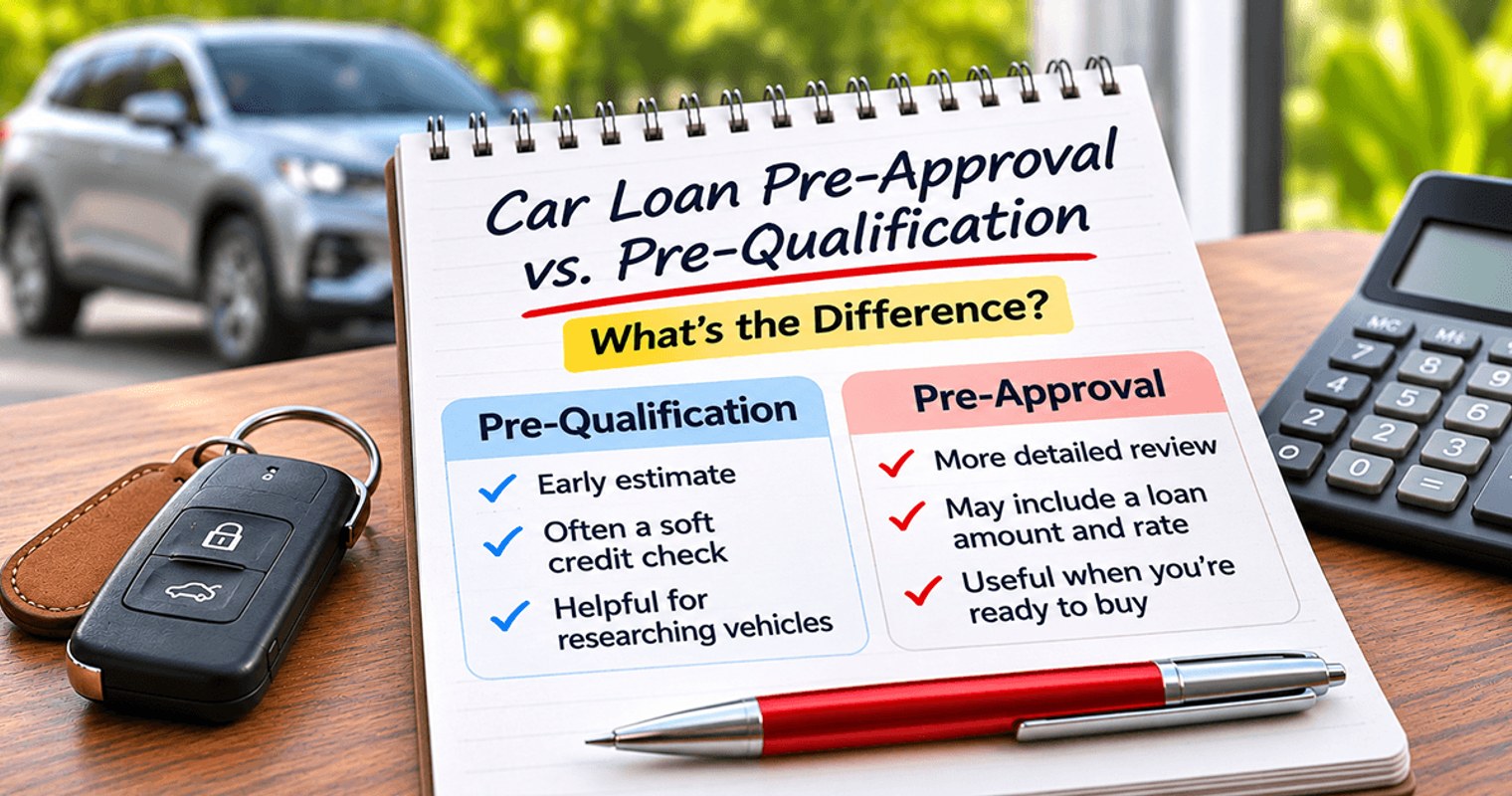
Before visiting a dealership, consider getting preapproved through a bank or credit union.
You can then compare that offer with financing available through the dealership. Dealers often work with multiple lenders and may have access to competitive rates or manufacturer-backed promotions.
If the dealership can offer better terms, you can choose the financing option that works best for you.
How Much Interest Will I Pay Over the Entire Loan?
Stretching a loan over six years instead of four can lower the monthly payment, but you'll pay more interest over the life of the loan.
That difference is worth calculating before choosing a loan term.
Consider a $30,000 loan at 7% APR.
| Loan term | Approximate monthly payment | Total interest |
|---|---|---|
| 48 months | $718 | $4,483 |
| 60 months | $594 | $5,642 |
| 72 months | $511 | $6,826 |
These figures are illustrative, assume fixed-rate financing and exclude taxes and fees.
Moving from 48 to 72 months reduces the monthly payment by approximately $207, but increases total interest by about $2,343.
Ask your dealership to compare multiple loan terms using the same amount financed.
Can I Pay Off the Loan Early?
Some buyers plan to make extra payments or refinance when interest rates improve.
Ask whether your loan has a prepayment penalty and how additional payments are applied.
Is My Financing Fully Approved Before I Take the Car Home?
Before accepting delivery, confirm whether your financing is final or still subject to lender approval.
Sometimes a dealership allows a buyer to take a vehicle home while financing arrangements are being finalized. If the lender doesn't approve the original terms, the buyer may be asked to consider a different financing offer.
Ask whether any conditions remain outstanding and what happens if the financing isn't approved as expected.
You should understand the final APR, loan term, payment amount, and financing status before completing the transaction.
Are Gap Coverage or Extended Warranties Worth Considering?
Gap coverage may help when a vehicle is totaled or stolen and the insurance settlement is less than the remaining loan balance, subject to the policy's terms.
An extended service contract may help cover certain repairs after the factory warranty expires.
Neither product is automatically necessary for every buyer.
Ask what the coverage includes, what it excludes, how much it costs, whether there's a deductible, and how cancellation or refunds work.
What Questions Should You Ask About a Used Car?
Used car shoppers should spend extra time understanding the vehicle's history and condition.
Has the Vehicle Been in an Accident?
Ask for a vehicle history report and review any reported accidents, title issues, mileage discrepancies, or previous ownership information.
A vehicle with an accident history isn't necessarily a poor purchase. The extent of the damage, quality of repairs, and current condition matter.
Remember that not every accident or repair appears on a vehicle history report.
Can I Review the Maintenance Records?
Regular maintenance can tell you a great deal about how a previous owner cared for a vehicle.
Ask whether service records are available and whether major maintenance items have been completed.
For higher-mileage vehicles, ask about tires, brakes, transmission service, and any upcoming manufacturer-recommended maintenance.
Can I Have the Car Inspected by an Independent Mechanic?
A pre-purchase inspection can uncover issues that aren't obvious during a test drive.
Ask whether the dealership will allow an independent mechanic to inspect the vehicle before you complete the purchase.
If taking the vehicle to another location isn't practical, ask whether a mobile mechanic can perform the inspection at the dealership.
Can I Test Drive the Exact Vehicle I'm Considering?
A vehicle can look great online and still feel uncomfortable once you're behind the wheel.
Ask to test drive the specific vehicle you're considering, rather than assuming another example of the same model will feel identical.
During the drive, pay attention to:
- Seating comfort and visibility
- Acceleration, braking, and steering
- Road noise and ride quality
- Infotainment controls and driver assistance features
- Any unusual noises, vibrations, or warning lights
Try to include both city streets and highway driving when possible.
If you're shopping for a used vehicle, the test drive is also an opportunity to notice potential mechanical problems. It doesn't replace an independent inspection, but it can help you decide whether the car deserves a closer look.
Are There Any Open Recalls or Warranty Coverage?
Ask whether the vehicle has outstanding safety recalls and whether the original factory warranty is still active.
You can check open safety recalls using the vehicle identification number through the National Highway Traffic Safety Administration.
For a certified pre-owned vehicle, ask what the certification covers and how its warranty differs from the original manufacturer's coverage.
You should also review the FTC Buyers Guide displayed on used vehicles sold by covered dealerships. It explains whether the vehicle is offered with a warranty or under applicable as-is terms.
What Questions Should You Ask Before Leasing a Car?
Leasing requires a few additional questions because you're paying to use the vehicle for a specified period rather than purchasing it outright.
What Is the Capitalized Cost?
The capitalized cost is the vehicle price used to calculate your lease, with adjustments for certain costs and reductions.
Like a purchase price, the negotiated selling price can affect your monthly lease payment.
Ask the dealership to show the agreed vehicle price, applicable lease incentives, and any additional amounts included in the lease.
What Is the Money Factor and Residual Value?
The money factor helps determine the financing portion of your lease payment.
Multiplying the money factor by 2,400 gives an approximate APR equivalent for comparison purposes.
For example, a money factor of 0.00200 is approximately equivalent to 4.8% APR.
The residual value is the vehicle's estimated value at the end of the lease.
A higher residual value generally lowers the depreciation portion of the payment, assuming the other terms stay the same.
Ask the dealership to explain both figures and how they affect your payment.
How Many Miles Can I Drive Each Year?
Many leases include annual mileage allowances of 10,000, 12,000, or 15,000 miles.
Driving beyond the allowance can result in additional charges when you return the vehicle.
If you regularly take long trips or have a lengthy commute, ask whether a higher mileage allowance is available and how it would affect the payment.
What Will I Owe When the Lease Ends?
Ask about the disposition fee, excess mileage charges, and the standards for excess wear.
Also ask whether the lease includes a purchase option and what you'll pay if you decide to keep the vehicle.
If your plans change, find out how early termination works. Ending a lease early can be expensive, and returning the vehicle doesn't automatically end your financial obligations.
What Happens if My Leased Car Is Totaled?
Leasing companies generally require comprehensive and collision insurance, often with specific coverage limits.
If your leased vehicle is totaled or stolen, your insurance settlement may not cover everything owed under the lease.
Some leases include gap protection, while others may require separate coverage. Ask whether gap protection is included, what it covers, and whether any exclusions apply.
It's also worth checking insurance rates before signing. A lower lease payment may not save you much if the required insurance costs significantly more than expected.
How Much Is Due at Signing?
A lease advertised at $299 per month might require several thousand dollars upfront.
Ask for a breakdown of the first payment, acquisition fee, taxes, registration, and any capitalized cost reduction.
A larger upfront payment can lower the advertised monthly payment without necessarily reducing the total lease cost by the same amount.
When comparing lease offers, calculate the full amount paid over the lease term rather than looking at the monthly payment alone.
What Questions Should You Ask the Dealership Before Visiting?
You can save time by confirming a few details before making the trip.
Ask:
- Is the vehicle still available, and can I schedule a test drive?
- Can you send me the complete pricing breakdown?
- Which manufacturer rebates or financing offers might I qualify for?
- Is the advertised price tied to specific financing or other conditions?
- Can you explain the warranty and available service options?
- What is the dealership's return or exchange policy?
A good dealership should be able to help you understand your options and explain the next steps.
If you're comparing several vehicles, let the dealership know what matters most to you. That might be a particular trim, a firm budget, or a specific financing term.
What Should You Check Before Signing a Purchase or Lease Agreement?
Once you've selected a vehicle and agreed on the terms, take time to review the paperwork.
Use this final checklist:
- Confirm the vehicle details. Check the VIN, model year, trim, mileage, and agreed equipment.
- Review the final price. Make sure the selling price, taxes, fees, and trade-in figures match your agreement.
- Check the financing or lease terms. Verify the APR, payment amount, term length, and amount due at signing.
- Review optional products. Confirm that you understand and agree to every warranty, protection plan, or other add-on included.
- Understand the contract conditions. Ask about loan prepayment, lease termination, mileage charges, and applicable return policies.
- Get copies of your documents. Keep the signed contract, warranty information, and any written promises or agreements.
Don't assume you'll automatically have three days to return a vehicle after signing. Return and cancellation rights depend on applicable law and the dealership's written policies.
If something in the paperwork differs from what you discussed, ask for clarification before signing.
The Bottom Line
The best questions to ask before buying or leasing a car are the ones that help you understand what you're getting and what it will cost.
Start with your budget, compare the full price rather than just the monthly payment, and make sure you understand the financing or lease terms.
For used vehicles, take the additional step of reviewing the history, warranty, and mechanical condition.
You don't need to know every detail about car buying before walking into a dealership. Asking clear questions and reviewing written answers can help you and your dealer find an arrangement that makes sense for your needs.
Want More Car Buying Advice?
Add AutoFinder as a preferred source on Google to help you discover more of our automotive guides and research.