Car Basics
What Is a Half Ton Truck? Meaning, Towing and Payload Explained
OVERVIEW
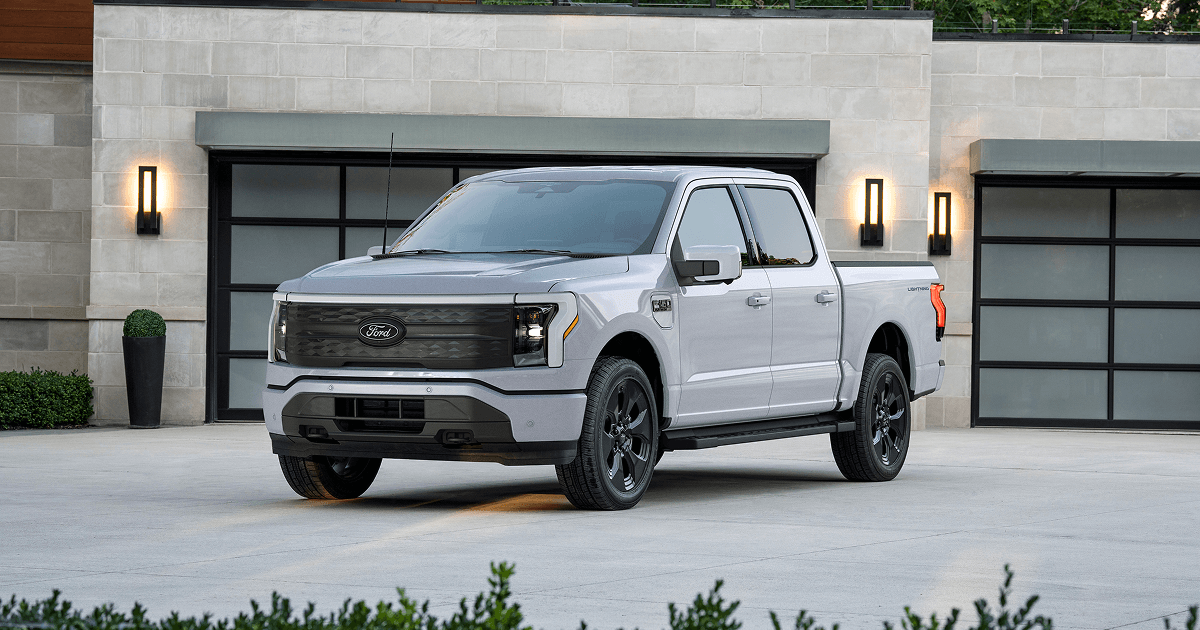
A half-ton truck is a light-duty full-size pickup built to handle everyday driving along with towing, hauling, and general work. Popular examples include the Ford F-150, Chevrolet Silverado 1500, GMC Sierra 1500, Ram 1500, and Toyota Tundra.
The name is a little misleading. A modern half-ton truck is not limited to carrying half a ton, or 1,000 pounds. Many can carry considerably more depending on how they are configured.
The term comes from an older truck classification system based more closely on payload capacity. Trucks have become far more capable since then, but names such as half ton, three-quarter ton, and one ton have stuck around.
Today, half ton is best thought of as a truck category rather than an exact measurement.
What Does Half-Ton Truck Mean?
Historically, a half-ton pickup was associated with roughly 1,000 pounds of payload capacity.
Since 1 ton equals 2,000 pounds, the math was straightforward.
Modern trucks make things a little messier.
Today's half-ton pickups can have payload capacities well above 1,000 pounds. Depending on the truck and configuration, some can carry more than 2,000 pounds.
That does not make them one-ton trucks. It just means the old terminology has outlived the numbers that originally defined it.
If someone says they are shopping for a half-ton truck today, they are usually talking about a light-duty full-size pickup such as an F-150, Silverado 1500, Sierra 1500, Ram 1500, or Tundra.
What Is Payload Capacity?
Payload tells you how much weight a truck can carry.
It is easy to think of payload as whatever you toss into the bed, but there is more to it than that. The weight of people and equipment inside the truck also counts.
Payload can include:
- Driver
- Passengers
- Cargo
- Tools
- Accessories
- Equipment
- Trailer tongue weight
Say a truck has 1,800 pounds of available payload. Loading 1,500 pounds into the bed does not necessarily leave you with another 300 pounds to spare once passengers, equipment, and trailer tongue weight enter the picture.
This is why the payload rating for the exact truck matters more than its half-ton classification.
Is a Half Ton Truck Limited to 1,000 Pounds?
No. This is where the name causes the most confusion.
The 1,000-pound figure explains where the half-ton name came from, but it is not the payload limit for modern trucks.
Today's half-ton pickups can carry substantially more depending on their configuration. Payload can change based on:
- Engine
- Cab
- Bed length
- Drivetrain
- Trim
- Options
- Installed equipment
Two trucks with the same model name can have surprisingly different payload ratings.
So while knowing that an F 150 or Silverado 1500 is a half-ton truck is useful for understanding its general class, it does not tell you how much that particular truck can safely carry.
For that, you need the truck's actual ratings.
Which Trucks Are Half-Ton Trucks?
Most major truck manufacturers offer a model that fits into the light-duty full-size category.
| Truck | Class | Common Use |
|---|---|---|
| Ford F-150 | Half ton | Everyday use, towing and hauling |
| Chevrolet Silverado 1500 | Half ton | Work, towing and daily driving |
| GMC Sierra 1500 | Half ton | Towing, work and daily driving |
| Ram 1500 | Half ton | Everyday use, towing and hauling |
| Toyota Tundra | Half ton | Daily driving, towing and hauling |
The Nissan TITAN also competed in this class before production ended after the 2024 model year.
You will notice that not every half-ton truck has 1500 in its name. Ford uses F-150, while Toyota simply uses Tundra.
The badge is less important than the class the truck competes in.
Is a 1500 Truck a Half Ton?
In most cases, yes.
The Chevrolet Silverado 1500, GMC Sierra 1500, and Ram 1500 are all half-ton pickups. Their heavier-duty counterparts move up to names such as 2500 and 3500.
Ford handles things a little differently. The F-150 fills the same light-duty role, while the F-250 and F-350 are part of the heavier-duty Super Duty lineup.
Toyota does not follow either naming convention, but the Tundra competes directly against those light-duty full-size trucks.
The numbers can help you understand where a pickup sits within a manufacturer's lineup, but they should not be treated as actual payload ratings.
Half Ton vs. Three Quarter Ton Truck
The difference between a half ton and three-quarter ton pickup becomes more meaningful when you start asking the truck to do serious work.
A three-quarter ton truck is built for heavier towing and hauling. Common examples include the Ford F-250, Chevrolet Silverado 2500 HD, GMC Sierra 2500 HD, and Ram 2500.
These trucks typically use heavier-duty frames, suspension components, axles, brakes, cooling systems, and available powertrains.
A half-ton truck is usually the more practical choice for someone who needs a pickup for everyday driving, home projects, moderate hauling, and recreational towing.
A three-quarter-ton truck starts to make more sense when you regularly tow larger trailers, carry heavy loads, use the truck commercially, or need additional capacity for fifth-wheel or gooseneck towing.
More capability sounds great on paper. Living with it every day is another question.
A heavy-duty truck may cost more, ride differently, consume more fuel, and simply be unnecessary if your biggest hauling job is a weekend trip to the hardware store.
Half Ton vs. Three Quarter Ton vs. One Ton Trucks
The traditional names make more sense when you look at them as broad categories.
None of these names should be taken literally.
A one-ton truck is not limited to 2,000 pounds of payload any more than a half-ton truck is limited to 1,000 pounds.
Think of the names as shorthand for different levels of pickup capability.
How Much Can a Half Ton Truck Tow?
There is no one towing capacity that applies to every half-ton truck.
Even within the same model, towing capacity can change significantly depending on how the truck was built.
Factors can include:
- Engine
- Cab configuration
- Bed length
- Axle ratio
- Drivetrain
- Towing package
- Wheels and tires
- Installed equipment
- Gross vehicle weight rating
- Gross combined weight rating
This is why those big maximum towing numbers in truck advertisements need some context.
A manufacturer might advertise a maximum towing figure for an F-150 or Silverado 1500, but only certain configurations may achieve it. Another version of the same truck could have a lower rating.
If towing is a major reason you are buying a pickup, confirm the rating for the exact configuration you are considering.
Payload vs. Towing Capacity
Payload and towing capacity are related, but they are not interchangeable.
Payload is how much weight the truck itself can carry.
Towing capacity is how much trailer weight the truck is rated to pull.
Where things get interesting is trailer tongue weight.
A trailer transfers some of its weight onto the truck through the hitch. That weight uses part of your available payload.
Imagine your truck has 1,700 pounds of available payload. Once you add 4 passengers, luggage, equipment, and the trailer's tongue weight, you could use much of that capacity even if the trailer itself is comfortably below the advertised maximum towing figure.
For anyone buying a truck specifically to tow, payload deserves just as much attention as towing capacity.
What Does GVWR Mean?
GVWR stands for Gross Vehicle Weight Rating.
It is the maximum allowable loaded weight of the vehicle as specified by the manufacturer.
That includes the truck itself plus occupants, cargo, and other applicable weight carried by the vehicle.
GVWR is different from curb weight, which generally refers to the weight of the vehicle before passengers and cargo are added.
These ratings become especially useful when you plan to put a truck to work. The old half-ton label gives you the category. The truck's actual weight ratings tell you what it can handle.
Can a Half Ton Truck Tow a Camper?
Many half-ton trucks can make capable tow vehicles for travel trailers, boats, utility trailers, and other recreational equipment.
The trick is matching the right trailer to the right truck.
Looking only at maximum towing capacity can leave out some important information. You also need to consider:
- Loaded trailer weight
- Tongue weight
- Truck payload
- Passengers
- Cargo
- Towing equipment
- Axle ratings
- Manufacturer limits
Payload can become especially important with a travel trailer because the trailer's tongue weight counts against the truck's available payload.
And if you are shopping for a truck specifically to tow a camper, use the camper's realistic loaded weight when doing the math. The empty weight printed in a brochure may be quite different from what the trailer weighs once you add gear, supplies, water, and everything else you bring along.
Is a Half Ton Truck Good for Everyday Driving?
This is where half-ton pickups tend to shine.
They offer enough capability for a wide range of towing and hauling jobs without moving all the way into heavy-duty truck territory.
Modern crew cab trucks can also have roomy back seats, plenty of technology, comfortable interiors, and features that make them perfectly reasonable family vehicles.
You still have to live with the size.
A full-size pickup takes up a lot of space in a parking lot and may be a tight fit in some garages. Fuel costs and purchase prices can also be higher than they would be with a smaller pickup.
If you rarely tow and mostly want a bed for weekend projects, a midsize or compact pickup may be easier to own.
But if you want one vehicle that can commute during the week, carry the family, haul supplies, and tow on the weekend, a half-ton truck covers a lot of ground.
Pros and Cons of a Half-Ton Truck
Pros
- Strong towing capability
- Useful payload capacity
- Spacious cab options
- Comfortable for daily driving
- Plenty of configurations
- Easier to live with than heavy duty trucks
Cons
- Large exterior size
- Higher purchase prices
- Fuel costs can add up
- Ratings vary by configuration
- More truck than some drivers need
The appeal comes down to versatility.
A half-ton truck gives you legitimate pickup capability without automatically signing you up for the size and heavier-duty setup of an F-250, Silverado 2500 HD, or similar truck.
Do You Need a Half Ton or Heavy Duty Truck?
Instead of starting with the biggest truck you can afford, start with the work you actually expect it to do.
Think about:
- How often you tow
- What you plan to tow
- Loaded trailer weight
- Expected payload
- Number of passengers
- Daily driving
- Parking and garage space
- Purchase budget
- Fuel and ownership costs
If your regular towing and hauling needs fall comfortably within a half-ton truck's ratings, moving up to a heavy-duty pickup may not buy you much beyond extra capability you rarely use.
On the other hand, regularly pushing a half-ton truck close to its limits is not ideal either. A heavier-duty model may be the smarter choice if large trailers or heavy loads are part of your normal routine.
The goal is not to buy the most truck. It is to buy enough truck.
What Should You Look for When Buying a Used Half Ton Truck?
Used pickup trucks deserve a slightly different inspection than the average commuter car.
A truck with 70,000 highway miles may have lived a fairly easy life. Another truck with the same mileage could have spent years pulling trailers, hauling equipment, or working on job sites.
Mileage only tells part of the story.
When shopping used, check:
- Maintenance history
- Accident and title history
- Tires
- Brakes
- Suspension
- Bed condition
- Trailer hitch
- Four Wheel Drive operation
- Warning lights
- Fluid leaks
- Rust
- Modifications
Pay particular attention to aftermarket changes.
Lift kits, oversized tires, suspension modifications, and engine tuning may be appealing, but they can also change how the truck drives and potentially affect how well it suits your towing or hauling needs.
If you are buying a used truck for regular work or towing, a pre-purchase inspection can give you a much clearer picture of what you are getting.
How to Shop for a Half Ton Truck on AutoFinder
Once you have a realistic idea of how much truck you need, comparing your options becomes much easier.
AutoFinder can help you compare new and used dealership inventory by model year, mileage, trim, equipment, photos, and price.
For trucks, pay close attention to configuration.
Two Ford F-150s sitting next to each other could have different engines, cab styles, drivetrains, bed lengths, towing equipment, and payload ratings. The same applies to the Silverado 1500, Sierra 1500, Ram 1500, Tundra, and other pickups.
If towing or hauling is important to you, do not assume the model name tells you everything you need to know. Confirm the specifications for the actual truck before you buy.
Final Thoughts
A half-ton truck is a light-duty full-size pickup such as the Ford F-150, Chevrolet Silverado 1500, GMC Sierra 1500, Ram 1500, or Toyota Tundra.
The term comes from a time when half-ton more closely described how much weight a pickup could carry. Modern trucks have long since outgrown that 1,000-pound benchmark, but the name survived.
For shoppers today, the easiest way to understand half ton is as a category.
It tells you roughly where the truck sits in the pickup world, but not exactly how much it can tow or haul. Those numbers depend on the individual truck and its configuration.
That is ultimately what matters when you are shopping. Look at payload, towing capacity, weight ratings, cab and bed configuration, and what you actually need the truck to do.
For many drivers, a half-ton pickup lands in a useful middle ground. It can handle real work and recreational towing while still being comfortable enough to use when there is absolutely nothing in the bed.