Car Basics
What Is SRS in a Car? What the Warning Light Means
OVERVIEW
If you have noticed “SRS” on your dashboard, steering wheel, or vehicle information, it refers to the Supplemental Restraint System.
The SRS is the safety system responsible for components such as airbags, crash sensors, the SRS control module, and, depending on the vehicle, seat belt pretensioners and other related equipment. Its purpose is to provide additional protection during certain crashes. Airbags are called supplemental restraints because they are designed to work with seat belts, not replace them.
Most of the time, you will not think much about the SRS. It operates in the background and monitors the vehicle for conditions that could require airbag or pretensioner deployment. But if the SRS warning light stays on, starts flashing, or appears while you are driving, it can indicate a problem that deserves attention.
Here is what SRS means, how the system works, and what you should know if the warning light appears.
What Does SRS Stand For?
SRS stands for Supplemental Restraint System.
The name describes its role pretty well. Your seat belt is a primary restraint, while the SRS provides additional protection through airbags and related components when certain crash conditions occur.
Modern SRS setups can include several types of airbags. Depending on the vehicle, these may include:
- Driver front airbag
- Passenger front airbag
- Side airbags
- Curtain airbags
- Knee airbags
- Center airbags
- Seat belt pretensioners
The exact equipment varies by vehicle.
The important thing to remember is that an SRS does not make seat belts optional. Airbags are specifically designed to supplement properly worn seat belts.
How Does an SRS Work?
You generally do not need to do anything to activate the Supplemental Restraint System.
Sensors throughout the vehicle monitor information that can help the system determine what is happening during a collision. The SRS control module processes that information and can activate the appropriate airbags or seat belt pretensioners when deployment conditions are met.
Depending on the vehicle, the system may consider information such as:
- Impact severity
- Direction of impact
- Seat belt use
- Occupant information
- Vehicle deceleration
Not every collision causes every airbag to deploy.
For example, a front airbag is designed for particular types and severities of frontal impacts. Side or curtain airbags have different purposes. The vehicle's sensors and control system determine which restraints should activate based on the circumstances.
What Parts Are Included in the SRS?
The airbag itself is only one part of a much larger system.
A typical SRS can include:
Vehicles can have additional components depending on their design and safety equipment.
For example, Hyundai lists components including front, side, and curtain airbag modules, pretensioners, impact sensors, seat belt buckle sensors, the warning light, and the SRS control module on certain vehicles.
This is why an SRS warning light should not automatically be interpreted as “the airbag is broken.” There are multiple components that can potentially trigger a warning.
What Does the SRS Warning Light Mean?
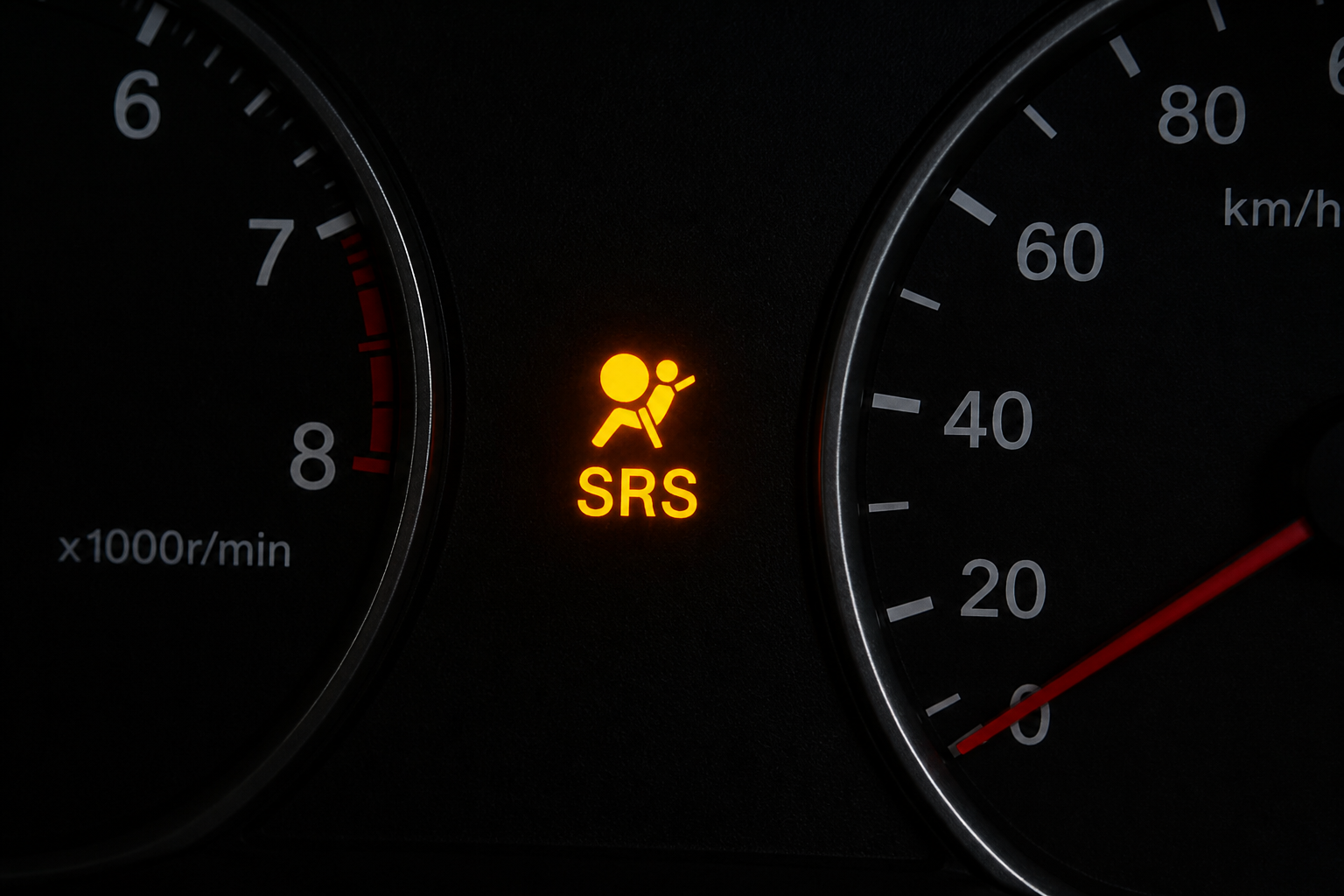
The SRS warning light tells you that the vehicle has detected a potential problem with its supplemental restraint system.
When you first start your vehicle, seeing the airbag or SRS light briefly can be normal. The system performs a self check, and the warning light should then turn off if everything is operating as expected.
For example, Hyundai says its SRS warning light normally illuminates for approximately 3 to 6 seconds after the vehicle is switched on.
You should pay attention if the light:
- Does not illuminate during startup
- Remains on after startup
- Comes on while driving
- Starts flashing
The exact behavior varies by manufacturer, so check your owner's manual for your specific vehicle.
Can You Drive With the SRS Light On?
Your vehicle may still drive normally with an SRS warning light illuminated, but that does not mean the warning should be ignored.
An SRS problem can affect the operation of the airbags or other restraint components. Hyundai, for example, warns that an SRS malfunction could prevent the airbags from inflating properly during a collision and recommends having the system inspected as soon as possible when the warning indicates a malfunction.
The challenge is that you cannot tell how serious the problem is simply by looking at the warning light.
The vehicle may accelerate, steer, and brake normally because the SRS is separate from many of the systems responsible for normal driving. The problem becomes much more important if a collision occurs and the supplemental restraints do not operate as designed.
Check your owner's manual and arrange for the system to be properly diagnosed rather than assuming the warning can wait.
Why Is My SRS Light On?
There is no single cause that applies to every vehicle.
Because the SRS incorporates several components and sensors, diagnosing the warning usually requires reading the vehicle's stored diagnostic information.
Potential issues can involve components within the airbag and restraint system, wiring, sensors, control modules, pretensioners, or other related equipment.
Previous collision damage can also be relevant when evaluating a used vehicle. If airbags previously deployed, the vehicle should have received the appropriate repairs and replacement components.
Rather than replacing parts based on a guess, have the system diagnosed so you know what actually triggered the warning.
Does the SRS Light Mean the Airbags Will Not Work?
Not necessarily, but you should not assume they will operate normally either.
The SRS warning indicates that the system has detected a potential problem. Depending on the fault, one or more components may not function as intended during a crash.
That is what makes an SRS warning different from something like a maintenance reminder.
You may not notice any change in everyday driving, but the system exists specifically for situations where you need it most.
The safest approach is to have the warning diagnosed rather than trying to determine from the dashboard light alone whether the airbags are still functional.
Is SRS the Same as an Airbag?
Not exactly.
The terms are often used interchangeably because airbags are a major part of the Supplemental Restraint System.
But the SRS is the broader system.
Think of it this way: the airbag is one of the components, while the SRS includes the equipment needed to monitor crash conditions and control appropriate restraint deployment.
That can include the airbags themselves, sensors, the control module, warning system, and seat belt pretensioners.
So when your dashboard shows an SRS warning, the issue may involve something other than the physical airbag.
Are SRS Airbags Different From Regular Airbags?
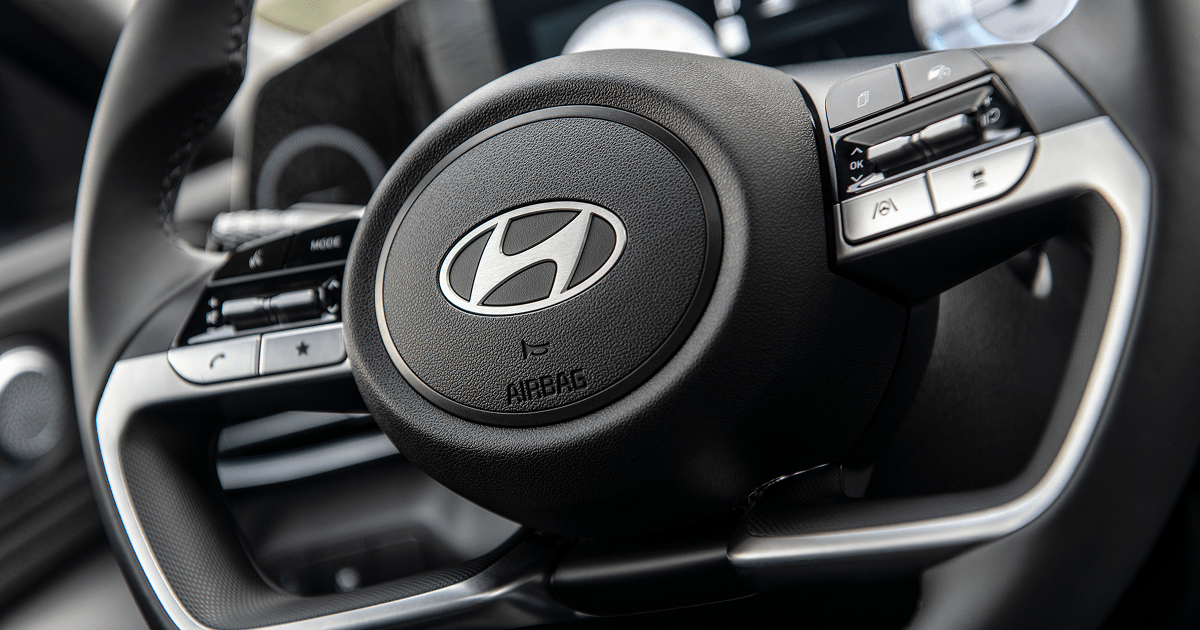
If you see “SRS AIRBAG” printed on a steering wheel or dashboard, it does not mean the vehicle has some unusual type of airbag.
The label emphasizes that the airbag is part of the Supplemental Restraint System.
The word supplemental is important because airbags were never intended to take the place of seat belts. NHTSA describes airbags as supplemental protection designed to work best together with seat belts.
Always wear your seat belt even in a vehicle equipped with a large number of airbags.
Do Airbags Deploy in Every Accident?
No.
Airbags are designed to deploy under particular crash conditions. Whether they activate depends on factors including the location, direction, and severity of the impact and the design of the vehicle's restraint system.
A minor collision may not require airbag deployment at all.
Likewise, different airbags are intended for different crash situations. Front airbags are primarily intended to provide supplemental protection in certain frontal crashes, while side and curtain airbags can provide protection in other types of impacts.
An airbag failing to deploy does not automatically mean the SRS malfunctioned. The system may have determined that deployment conditions were not met.
If you are concerned about airbag behavior following a collision, have the vehicle inspected.
What Happens When an Airbag Deploys?
When the SRS determines that airbag deployment is required, the appropriate airbag inflates extremely quickly.
The goal is to provide additional protection between the occupant and parts of the vehicle during the crash.
Once an airbag has deployed, it cannot simply be folded up and reused. The vehicle will need appropriate repairs and replacement of deployed components.
Other parts of the restraint system may also require attention following a collision.
This can make SRS repairs an important consideration when evaluating a vehicle that has previously experienced significant accident damage.
Should You Reset an SRS Warning Light Yourself?
An SRS warning light is not something you should simply clear to make the dashboard look normal.
Clearing a warning without correcting the underlying fault does not repair the restraint system.
The better approach is to diagnose why the light appeared, repair the actual problem, and then follow the appropriate procedure for the vehicle.
This is also not a system where experimenting with components is a good idea. Hyundai, for example, states that owners should not attempt to service SRS components themselves and warns against modifying or disconnecting SRS components or wiring.
If you are unsure what the warning means on your particular vehicle, start with the owner's manual and have the system inspected by a qualified professional.
What Should You Check When Buying a Used Car?
The SRS deserves attention when you are shopping for a used vehicle, particularly one with an accident history.
Start the vehicle and watch the dashboard.
The SRS or airbag warning light should generally illuminate during its normal startup check and then turn off. Exact behavior varies by vehicle, so confirm the procedure in the owner's manual.
Be cautious if the light stays illuminated or behaves differently from what the manufacturer specifies.
Also check:
- Vehicle history
- Reported accidents
- Previous airbag deployment
- Warning lights
- Signs of interior repairs
- Seat belt operation
- Dashboard and steering wheel condition
- Repair documentation
If a vehicle has experienced a significant collision, ask what was repaired and whether airbags or other restraint components were replaced.
A prepurchase inspection can be especially useful when the vehicle has an accident or rebuilt title history.
Does an Accident Affect the SRS?
It can.
Depending on the severity and type of collision, airbags may deploy and seat belt pretensioners may activate. Sensors and other components can also be involved in the repair process.
This makes proper collision repair particularly important.
If you are considering a used vehicle that previously had airbags deploy, ask for documentation showing how the restraint system was repaired.
Do not assume that a vehicle is ready simply because the bodywork looks good and there are no obvious signs of the previous collision.
The restraint system deserves its own attention.
How Much Does It Cost to Fix an SRS Light?
There is no useful universal repair price because the warning light only tells you that the system has detected a problem.
The actual repair depends on what caused the warning.
A diagnosis may reveal a relatively limited component issue, while a vehicle with deployed airbags or extensive collision damage could require considerably more work.
This is another reason to avoid estimating the repair from the warning light alone.
If you are shopping for a used car with an illuminated SRS light, find out what is wrong and get an estimate before buying. A seller saying it is “probably just a sensor” is not the same as having a confirmed diagnosis.
Can You Inspect the SRS Yourself?
There are a few basic things a shopper can observe, but SRS diagnosis and repair should be left to someone qualified to work on the system.
You can check whether the warning light behaves normally during startup, review the vehicle's accident history, look for obvious signs of previous interior repairs, and ask for documentation.
Beyond that, professional diagnosis is the better approach.
Airbags deploy with significant force, and manufacturers warn against attempting to modify or service SRS components without the appropriate knowledge and procedures.
Why Does SRS Matter When Shopping for a Car?
Safety features can be easy to take for granted because most of them spend nearly all their time doing nothing.
That is exactly what you want from an airbag system.
You may own a vehicle for years without ever seeing an airbag deploy. But if a serious collision happens, you want the restraint systems to operate as designed.
When comparing used vehicles on AutoFinder, look beyond price, mileage, trim, and equipment. Vehicle history and current condition matter too.
If one vehicle has an active SRS warning or a poorly documented collision history, factor that into your decision before assuming it offers better value simply because its price is lower.
Final Thoughts
SRS stands for Supplemental Restraint System. It is the system that manages airbags and related restraint equipment designed to provide additional occupant protection during certain crashes.
The word supplemental is the part worth remembering. Airbags work alongside seat belts rather than replacing them.
If the SRS warning light briefly appears when you start the vehicle and then turns off according to the manufacturer's normal startup sequence, that is generally part of the system check.
If it stays on, flashes, or appears while you are driving, do not simply ignore it. Check your owner's manual and have the system properly diagnosed. An SRS problem may not change the way your car feels during normal driving, but it can affect equipment designed to protect you during a crash.