What should i pay for a new car?
Last updated Sep 15th, 2026
Find Your Best Price
See what others paid and get upfront pricing from local dealers.

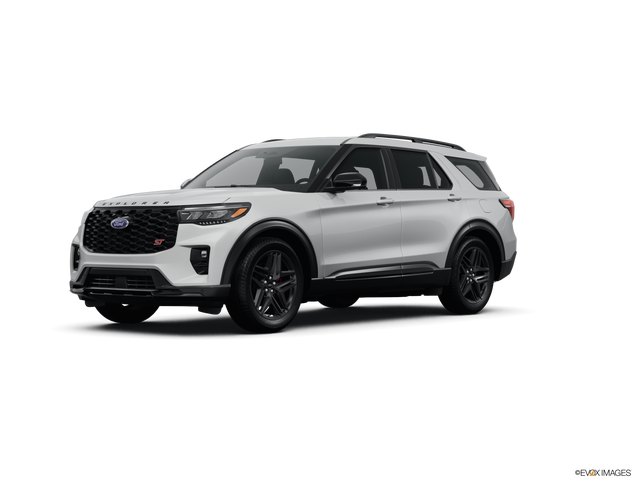
If you are shopping for a new car, one of the biggest questions you will face is simple but important. What should I actually pay for this vehicle
Sticker price tells part of the story, but it is not the number most shoppers end up paying. The real goal is to understand market value, competition, and dealer incentives so you can decide what a fair and confident price looks like.
This guide explains how pricing works, how much buyers typically pay, and how to use research and timing to choose a number that protects your budget. When you know the real numbers behind the purchase, the entire process feels clearer and much less overwhelming.
For verified listings and real pricing from trusted dealers, you can visit AutoFinder, where clarity leads every connection.
Understanding the Key Prices You Will See
Before deciding what you should pay, it helps to understand the three main prices connected to every new car.
Sticker price
This is the manufacturer suggested retail price. It is the number displayed on the window at the dealership. Shoppers rarely pay this full amount.
Market price
Market price reflects what buyers in your area are actually paying. This number often falls below the sticker price and is shaped by supply, demand, and incentives.
Invoice price
This is what the dealer pays the manufacturer before bonuses or incentives. While buyers may not always get this exact price, it helps you understand how much flexibility may exist during negotiation.
Once you understand these numbers, it becomes much easier to identify a fair price for your new car.
How Much Below Sticker Price You Should Expect to Pay
Most shoppers pay somewhere between three percent and ten percent below sticker price. The exact discount depends on supply, demand, and dealership goals.
For popular models
Expect smaller discounts, often closer to three percent.
For common models with steady inventory
Expect five percent or more off sticker price.
For slower selling models or older inventory
Discounts may reach eight to ten percent or more.
These numbers give you a realistic starting point when deciding what you should pay.
Why Market Value Matters More Than Sticker Price
Sticker price is only a suggestion. Market value shows the real price people agree to pay. When you compare listings from multiple dealerships, you begin to see patterns. If most listings fall several thousand dollars below the sticker price, that becomes your target range.
Research helps you avoid overpaying and gives you confidence when you begin talking with dealers.
Our How to Buy a Car Guide offers more help if you want to understand the buying process step by step.
How Timing Influences the Price You Should Pay
The timing of your purchase can shape the price in a meaningful way. Dealerships track monthly, quarterly, and yearly goals. When these deadlines approach, dealers may offer better pricing.
Shoppers often see stronger deals during:
- The final week of the month
- The end of each quarter
- The final weeks of the year
- Weekdays with lighter showroom traffic
When you visit during these high opportunity moments, the price you should pay often becomes more flexible.
How to Use Invoice Price to Guide Your Target
Invoice price is powerful information. It gives you a sense of how much room the dealer may have during negotiation. While dealers still need to earn a profit, knowing the invoice price helps you understand a reasonable starting point.
Many confident shoppers aim for a price halfway between the invoice price and the sticker price. You can adjust from there based on demand, inventory, and dealer incentives.
How to Calculate a Fair Price for Your Car
Here is a simple way to decide what you should pay:
Step one
Look up the market value of your specific model, trim, and location.
Step two
Check the invoice price if possible.
Step three
Look for incentives or seasonal promotions.
Step four
Compare listings from at least three dealerships.
Step five
Choose a target price that lands within the range of your research.
This gives you a fair number grounded in real information rather than guesswork.
Once you have a target vehicle price, you can estimate your out the door price to see how taxes and applicable fees could affect what you may actually pay.
How to Ask for the Price You Want
Now that you know your target, the conversation becomes much easier. Use a calm, clear tone and ask questions that encourage collaboration rather than confrontation.
Here are helpful examples:
- I have seen similar models priced lower. Can we bring this number closer to the market value
- I would like to move forward today if we can agree on this price range
- Can you help me understand how this price compares to current incentives
Dealers appreciate prepared buyers, and these questions show that you have done your homework.
Frequently Asked Questions About What to Pay for a New Car
Do most people pay sticker price
No. Many buyers pay below sticker price unless the model is in very high demand.
How much should I expect to save
Savings often range from three to ten percent, depending on the model and timing.
Can I get a discount on a brand new release
Possibly, but discounts on new releases are usually smaller.
Does paying cash lower the price
Not always. Dealers often earn more from financing, so a cash offer does not guarantee a lower price.
Should I negotiate online or in person
Online research helps you prepare, and in person conversations allow for more detailed discussion.
Final Thought
The best price for a new car is not about guessing. It is about research, timing, and confidence. When you understand sticker price, market value, and invoice price, you can approach the dealership feeling prepared and in control. A fair deal is one that fits your budget and leaves you feeling informed and comfortable with your choice.
When you are ready to compare real prices and see verified inventory from trusted local dealers, visit AutoFinder, where clarity and confidence guide every step of your buying journey.
Featured Articles





The information provided in this article is for general informational purposes only and may change over time. Vehicle pricing, availability, specifications, incentives, financing terms, interest rates, and other details may vary by vehicle, dealer, lender, location, and individual circumstances. AutoFinder does not guarantee the accuracy or availability of information provided by third parties. Always confirm current vehicle details, pricing, terms, and eligibility directly with the participating dealer or appropriate provider before making a purchase or financial decision.