What Dealership Fees Should I Pay
Last updated Sep 15th, 2026
Find Your Best Price
See what others paid and get upfront pricing from local dealers.

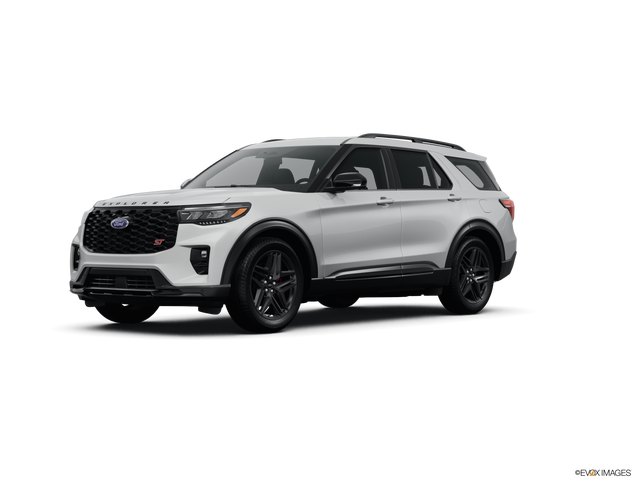
When you buy a car, the listed price is only part of the total cost. Dealership fees can add several hundred or even several thousand dollars to your final amount. Some of these fees are required by law, while others are optional or negotiable. Understanding which fees you should pay and which ones you can question helps you protect your budget and shop with calm confidence.
This guide explains the most common dealership fees, why they exist, and how to review them without feeling overwhelmed. When you understand the purpose behind each fee, the entire car buying experience becomes clearer and more transparent.
Required Fees You Should Expect to Pay
Some dealership fees are legitimate and mandatory. These charges apply to every buyer regardless of the dealership.
Sales tax
Sales tax is required by your state or local government and is applied to the price of the vehicle. You cannot negotiate this amount.
Title fee
The title fee covers the process of legally transferring ownership of the vehicle into your name.
Registration fee
This fee registers the vehicle with the state and provides legal plates and tags. It varies depending on your state and the type of vehicle you purchase.
Documentation fee
Many states allow dealers to charge a documentation fee to cover the cost of preparing and filing paperwork. This fee is usually fixed by the dealership and is often non negotiable. Some states place limits on how high this fee can be.
These fees are normal and should appear on every buyer order.
Fees That May Be Negotiable
Some dealership fees are not required and may be flexible depending on the dealership and your negotiation approach.
Dealer preparation fee
Sometimes called a preparation or service fee, this charge may cover cleaning, inspection, or basic setup work. Many vehicles already receive these services from the manufacturer, so this fee can sometimes be reduced or removed.
Advertising fee
Some dealers include an advertising or marketing fee. While manufacturers sometimes charge dealers for regional advertising, the amount passed on to buyers can vary. It is reasonable to ask for clarification.
VIN etching
This service marks the vehicle identification number on the windows to discourage theft. It is optional and often overpriced when offered at the dealership. You have the right to decline it.
Nitrogen tire fill
Some dealerships charge for nitrogen filled tires. This is not necessary for most drivers and can be refused.
Paint and fabric protection
These products promise to protect the interior or exterior of the vehicle. While helpful for some buyers, they are often optional and may be available elsewhere for a lower price.
If a fee is optional, the dealer must remove it if you choose not to purchase the added service.
Fees You Can Usually Decline
Some fees exist purely as add ons and are not necessary for the purchase of the vehicle.
- Interior protection packages
- Theft recovery systems
- Extended service plans
- Window tint packages
- Aftermarket accessories you did not request
You are never required to accept these items. If they appear on your paperwork, simply ask for them to be removed.
How to Review Fees With Confidence
Dealership paperwork can feel overwhelming at first glance, but breaking it down into sections helps everything feel more manageable.
Step one: Review the vehicle price
Make sure the selling price matches what you agreed to.
Step two: Look at required government fees
These include sales tax, title fees, and registration.
Step three: Review dealer fees
Ask questions about any fee you do not understand.
Step four: Decline unnecessary add ons
Dealers can remove optional products or services if you did not request them.
Step five: Ask for a clean out-the-door price
This shows the full total so you can compare it to other offers with clarity.
If you need help understanding out-the-door price, our guide What Is Out the Door Price on a Car walks through it in simple terms.
You can also use AutoFinder's Out the Door Price Calculator to estimate how the vehicle price, taxes, and applicable fees could affect your total.
How to Ask About Fees Without Stress
A friendly and direct tone always works best. Here are helpful phrases you can use.
- Can you explain this fee so I understand what it covers
- Is this fee required by the state or is it optional
- I prefer not to purchase this service. Can we remove it
- Are there any other fees I should know about before we finalize the offer
Dealers appreciate clear communication, and these questions help protect your budget.
Why Dealers Charge Fees
Dealerships operate with many behind the scenes costs, including paperwork processing, vehicle preparation, and state requirements. Some fees help cover these expenses. Others provide profit for optional services. When you understand which fees are valid and which are negotiable, you can make informed decisions without confusion.
Frequently Asked Questions About Dealership Fees
Are documentation fees required
Documentation fees are allowed in many states, though the amount varies. They usually cannot be removed.
Can I refuse dealer added accessories
Yes. You have the right to decline any add on you did not request.
Is VIN etching necessary
No. It is optional and you can decline it.
Why do fees vary so much by dealership
Each dealership sets its own prices for optional services, which is why fees can differ.
Should I ask for the out the door price
Yes. It is the best way to see the full cost with no surprises.
Final Thought
Understanding dealership fees is one of the simplest ways to shop with confidence. When you know which fees are required and which ones are optional, you can protect your budget and make decisions that feel clear and intentional. A great car buying experience starts with clarity, and asking about fees is an important part of that process.
When you are ready to compare real pricing and shop verified inventory from trusted local dealerships, visit AutoFinder, where trust and transparency guide every step of your car buying journey.
Featured Articles




The information provided in this article is for general informational purposes only and may change over time. Vehicle pricing, availability, specifications, incentives, financing terms, interest rates, and other details may vary by vehicle, dealer, lender, location, and individual circumstances. AutoFinder does not guarantee the accuracy or availability of information provided by third parties. Always confirm current vehicle details, pricing, terms, and eligibility directly with the participating dealer or appropriate provider before making a purchase or financial decision.