What fees do you pay when buying a new car?
Last updated Sep 24th, 2026
Find Your Best Price
See what others paid and get upfront pricing from local dealers.

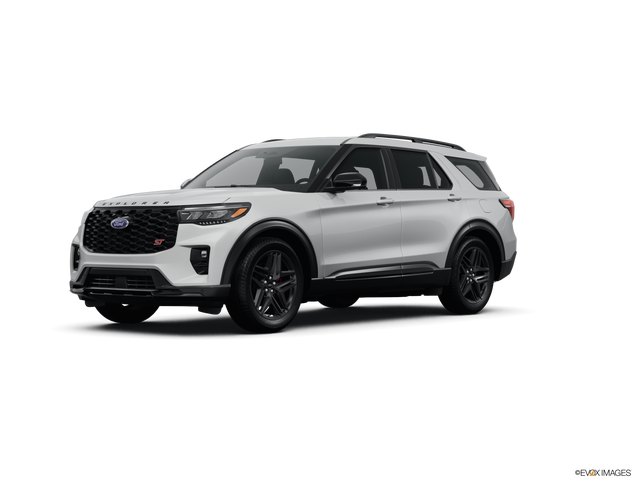
When you buy a new car, the price you see on the window sticker is only part of the total cost. Additional fees will appear on your buyer order or final contract, and knowing what each fee means helps you avoid confusion and choose a deal that feels right. Some fees are required by law. Others are dealership fees that may be negotiable or optional.
This guide explains all the common fees you might see when buying a new car and which ones you should expect to pay. With the right knowledge, the entire paperwork process becomes simpler, clearer, and far less stressful.
When you are ready to compare real pricing from trusted local dealerships, visit AutoFinder, where transparency supports every step of your journey.
What Dealer Fees Should I Agree to When Buying a New Car?
When buying a new car, expect applicable sales tax, title, and registration charges. Your dealer can walk you through these costs along with any dealership fees or added products included in the quote.
If you see a charge you do not recognize, ask what it covers. The goal is not necessarily to avoid every fee. It is to understand what you are paying for and compare the complete cost of the vehicle.
When reviewing your quote:
- Sales tax, title, and registration: Ask the dealer to explain how these charges were calculated.
- Documentation fee: Check the amount and ask what services it covers.
- Preparation or advertising charges: Ask what is included in the charge and how it applies to the purchase.
- Added products or packages: Review what is included, what it costs, and whether it is part of the vehicle or offer you are considering.
A written out-the-door quote makes this much easier because you can see the vehicle price and applicable charges together. If you are comparing dealerships, compare similar vehicles and the full price rather than judging an offer by one fee alone.
Fees and requirements can vary by location and dealership. A dealer can explain the charges that apply to your specific purchase.
For more detail on individual charges you may encounter, read our guide to dealership fees and what you should expect to pay.
Required Fees You Will Always Pay
These fees are set by the state or local government and apply to every new car purchase. They cannot be removed or negotiated.
Sales tax
Sales tax is based on your location and is applied to the price of the vehicle. This is one of the largest fees on your contract.
Title fee
The title fee pays for the legal documentation that transfers ownership of the vehicle into your name.
Registration fee
Registration fees cover your official license plates, tags, and registration with the state. The amount varies depending on your location and vehicle type.
These fees are standard, expected, and required for every buyer.
Common Dealership Fees You Are Likely to See
These fees are charged by the dealership. Some are reasonable, while others may be open to discussion.
Documentation fee
Also called a doc fee, this charge covers the time and resources needed to prepare all the paperwork for your purchase. Some states place limits on this fee, while others do not. It is usually non negotiable.
Dealer preparation fee
Some dealers charge a preparation fee for cleaning, inspecting, or preparing the vehicle for delivery. Many of these tasks are already completed at the factory, so it is fair to ask for clarification or request removal.
Advertising fee
Dealers sometimes include a fee to recoup regional advertising expenses. While manufacturers may charge dealerships for marketing, the amount passed to buyers varies. You can ask how this fee is calculated.
Optional Fees You Can Decline
These fees or products are not required. If you do not want them, the dealer must remove them from your contract.
VIN etching
This service places the vehicle identification number on the windows for theft prevention. It is optional and often overpriced at the dealership.
Paint and fabric protection
These products claim to protect the interior or exterior of the vehicle. They can be helpful for some buyers but are completely optional.
Nitrogen tire fill
Some dealerships charge for nitrogen filled tires. Most drivers do not need this service.
Extended warranties or service plans
These plans may offer value for some buyers, but they are optional and should never be added without your approval.
Aftermarket accessories
Items such as wheel locks, door guards, window tint, or appearance packages are optional and can be removed if you did not request them.
You have full control over all optional items. A dealer cannot require you to purchase them.
How to Review Fees Before Signing Anything
Reviewing your paperwork carefully is an important step. Here is a simple process that can help you understand each fee with confidence.
Step one
Check the selling price of the vehicle to ensure it matches the agreed amount.
Step two
Separate required government fees from dealership fees.
Step three
Ask the dealer to explain any fee you do not recognize.
Step four
Decline any optional products you did not request.
Step five
Ask for a clean out the door price so you can compare it to other offers without confusion.
If you want help understanding out-the-door price, our guide What Is Out the Door Price on a Car explains it in clear and simple terms.
You can also estimate your out the door price to see how the vehicle price, taxes, and applicable fees could affect your total.
How to Ask About Fees in a Friendly and Confident Way
A calm and positive tone always works best. Here are helpful questions you can use.
- Can you explain what this fee covers
- Is this fee required or is it optional
- I prefer not to include this product. Can we remove it
- Can you show me the full out the door price before we continue
These questions help you stay informed and avoid paying for items you do not need.
Why Dealership Fees Exist
Behind every car sale is a large amount of paperwork, compliance steps, and vehicle preparation. Some fees genuinely support that process. Others are profit driven add ons. Knowing the difference gives you more control over your budget and the final price.
Frequently Asked Questions About Dealership Fees
Are dealership fees negotiable
Some are, such as preparation fees or optional add ons. Others, like documentation fees, are often fixed.
Can I refuse added products
Yes. You can decline any optional service or accessory.
Do all dealerships charge the same fees
No. Fees vary by dealership, market, and state regulations.
Why are there so many fees
Many fees cover legal requirements or dealership operating costs, while others are added profit opportunities.
Should I always ask for the out the door price
Yes. It is the best way to see the full cost with no surprises.
Final Thought
Understanding which fees you pay when buying a new car helps you shop with clarity and confidence. When you know which charges are required and which ones are optional, you can make choices that protect your budget and support a smooth, transparent buying experience.
When you are ready to browse verified listings and compare real pricing from trusted local dealerships, visit AutoFinder, where trust and transparency guide every step of your car buying journey.
Featured Articles


Related Articles


The information provided in this article is for general informational purposes only and may change over time. Vehicle pricing, availability, specifications, incentives, financing terms, interest rates, and other details may vary by vehicle, dealer, lender, location, and individual circumstances. AutoFinder does not guarantee the accuracy or availability of information provided by third parties. Always confirm current vehicle details, pricing, terms, and eligibility directly with the participating dealer or appropriate provider before making a purchase or financial decision.