2026 Hyundai Tucson vs Toyota RAV4: SUV Comparison
Last updated Oct 1st, 2026The Hyundai Tucson and Toyota RAV4 consistently rank among the most popular compact SUVs on the market. Both offer comfortable interiors, impressive safety technology, available All Wheel Drive, and excellent everyday practicality. Whether you're commuting, running errands, or taking family road trips, either SUV is capable of handling just about anything daily life throws your way.
While they compete in the same segment, they appeal to slightly different buyers. The Hyundai Tucson stands out with its modern styling, upscale interior, and generous technology, while the Toyota RAV4 has earned a reputation for reliability, strong resale value, and impressive fuel economy, especially in its hybrid models.
If you're deciding between these two SUVs, here's everything you need to know before making your choice.
Find Your Best Price
See what others paid and get upfront pricing from local dealers.

Quick Comparison
If you're looking for a quick answer, here's how these two compact SUVs compare.
Choose the Hyundai Tucson if you want:
- A more modern interior
- Larger available infotainment screens
- Excellent warranty coverage
- Comfortable ride quality
- Great value for the money
Choose the Toyota RAV4 if you want:
- Outstanding long-term reliability
- Strong resale value
- Excellent hybrid fuel economy
- Proven reputation
- Higher off-road capability with TRD Off Road models
The better SUV ultimately depends on which features matter most to you.
Exterior Design
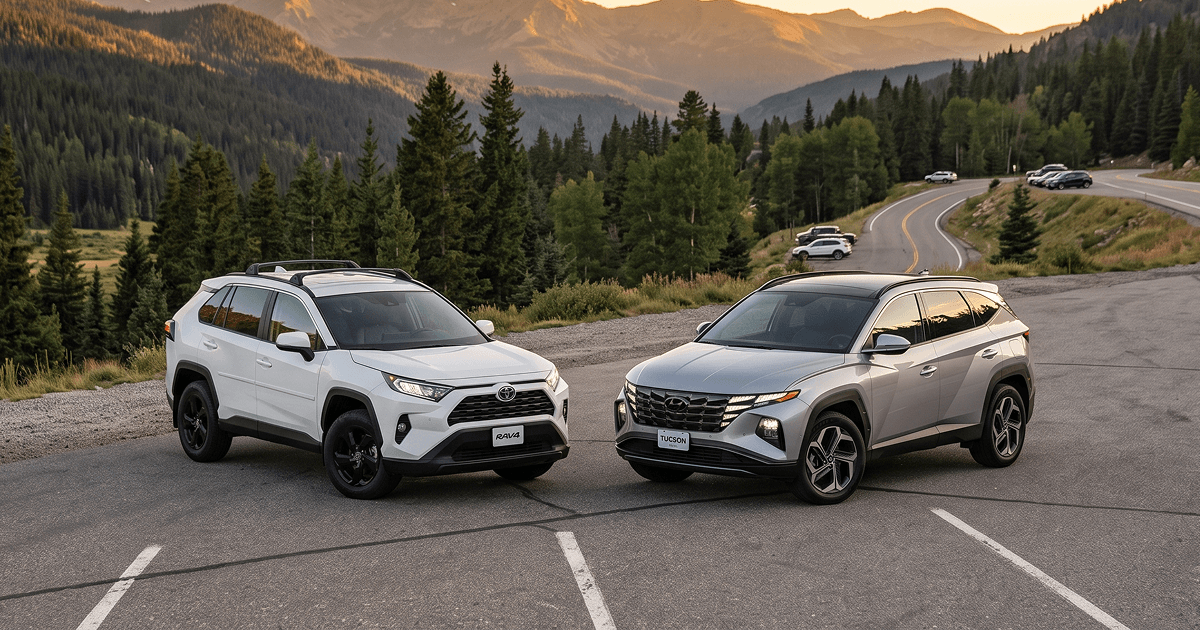
Although both vehicles fit within the compact SUV category, they have very different personalities.
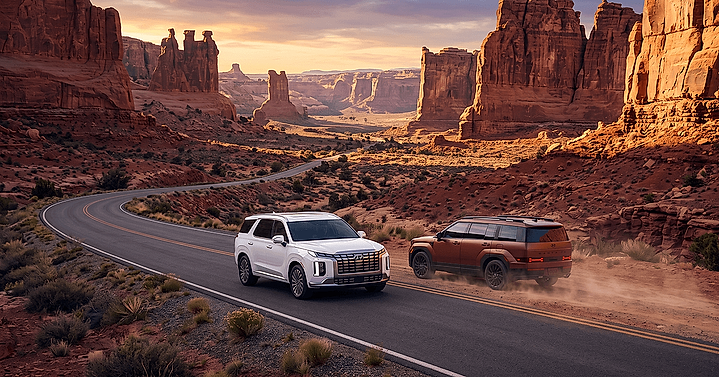
The Hyundai Tucson features a bold, futuristic design with sharp body lines, hidden daytime running lights, and an upscale appearance that helps it stand out in parking lots. It looks more premium than many competitors, especially in higher trim levels.
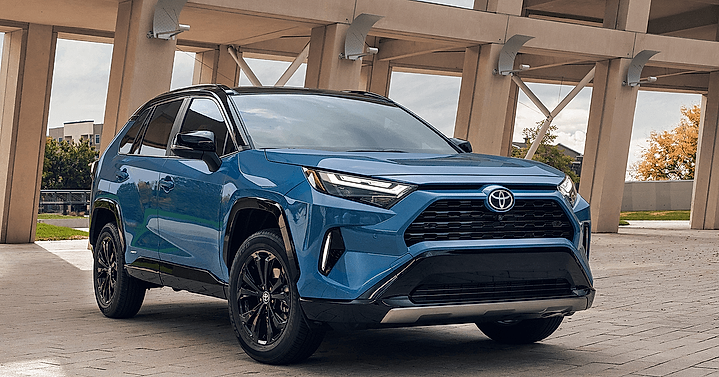
The Toyota RAV4 takes a more rugged approach. Its squared-off body, aggressive front fascia, and available adventure-inspired trims give it a tougher appearance. Buyers who enjoy a more outdoorsy style often prefer the RAV4's design.
Neither SUV is objectively better looking. The decision largely comes down to personal preference.
Interior Comfort and Cabin Quality
Inside, the Hyundai Tucson immediately feels more upscale.
The dashboard features clean horizontal lines, soft touch materials, and an available panoramic curved display that creates a premium atmosphere. Hyundai has done an excellent job minimizing physical buttons while keeping the cabin uncluttered.
Front seat comfort is excellent, making the Tucson an enjoyable SUV for long highway drives and daily commuting alike.
The Toyota RAV4 focuses more on durability than luxury. The layout is simple, intuitive, and functional. While material quality has improved over the years, it doesn't feel quite as refined as the Tucson's interior.
Rear passengers have generous legroom in both SUVs, although the Tucson offers a slightly more open feeling thanks to its cabin design.
Winner: Hyundai Tucson
Buyers looking for a more premium interior experience will likely prefer the Tucson.
Technology and Infotainment
Technology has become one of the biggest deciding factors for SUV shoppers, and both vehicles deliver plenty of features.
Depending on trim level, the Hyundai Tucson offers:
- Large touchscreen displays
- Wireless Apple CarPlay and Android Auto on many trims
- Available digital instrument cluster
- Wireless phone charging
- Multiple USB ports
- Available premium audio system
- Hyundai Digital Key
The Toyota RAV4 offers many of the same essentials, including:
- Toyota Audio Multimedia
- Apple CarPlay
- Android Auto
- Available digital gauge cluster
- Available JBL premium audio
- Connected services
Both systems are user-friendly, but Hyundai generally provides more technology for the money, especially on lower trim levels.
Winner: Hyundai Tucson
Performance and Driving Experience
The driving experience differs more than many buyers expect.
The Hyundai Tucson prioritizes comfort. Its suspension absorbs bumps well, steering feels light, and road noise is well controlled. For everyday commuting, it delivers a smooth and relaxed ride.
The Toyota RAV4 feels a bit firmer and more responsive. Steering is slightly heavier, and the suspension provides more feedback from the road. Some drivers appreciate the added confidence, while others may find it less comfortable over rough pavement.
Neither SUV is designed as a performance vehicle, but both offer predictable handling and enough power for highway merging and passing.
If comfort is your priority, the Tucson has a slight advantage.
Winner: Hyundai Tucson
Fuel Economy
Fuel economy is an important consideration for many SUV buyers.
Gas-powered versions of the Hyundai Tucson and Toyota RAV4 offer competitive efficiency, with both delivering solid fuel economy for daily driving.
Where the Toyota RAV4 separates itself is in its hybrid lineup.
The RAV4 Hybrid consistently ranks among the most fuel-efficient compact SUVs available, making it an excellent option for drivers with long commutes or anyone looking to reduce fuel costs over time.
Hyundai also offers hybrid and plug-in hybrid Tucson models, which provide impressive efficiency, but the Toyota RAV4 Hybrid has established itself as one of the segment leaders.
Winner: Toyota RAV4
Cargo Space and Practicality
Compact SUVs are expected to balance passenger comfort with cargo capacity, and both models perform well.
The Hyundai Tucson offers a spacious cargo area with a wide opening that makes loading luggage, groceries, or sports equipment easy. Folding the rear seats creates even more usable space for larger items.
The Toyota RAV4 also provides generous cargo room and a practical layout. Its boxier shape can make loading taller items slightly easier, particularly for outdoor gear or larger storage containers.
For most families, either SUV offers more than enough room for everyday errands, weekend trips, or road trip luggage.
Neither vehicle has a significant advantage here, making this category too close to call.
Winner: Tie
Safety and Driver Assistance
Safety is a major strength for both the Hyundai Tucson and Toyota RAV4. Each SUV includes a broad collection of standard driver assistance features designed to support the driver during everyday trips.
Depending on the trim, the Hyundai Tucson offers features such as:
- Forward collision avoidance assistance
- Lane keeping assistance
- Lane following assistance
- Blind spot collision warning
- Rear cross traffic collision avoidance assistance
- Adaptive cruise control
- Available surround view monitoring
- Available Highway Driving Assist
The Toyota RAV4 also offers a strong collection of active safety technology. The redesigned 2026 RAV4 introduces Toyota Safety Sense 4.0, along with a standard 12.3-inch digital gauge cluster and additional available technology.
Both SUVs can help reduce some of the stress that comes with highway driving, crowded parking lots, and busy commutes. However, available features can vary by trim, so shoppers should compare the exact equipment included on the vehicles they are considering.
Winner: Tie
Both models provide a strong selection of safety and driver assistance features. The better choice may depend on which trim includes the specific technology you want.
Reliability and Long-Term Ownership
Toyota has built a strong reputation among shoppers who prioritize long-term ownership, resale value, and a proven vehicle history. The RAV4 has been one of the most established choices in the compact SUV segment, which may give some buyers additional confidence when planning to keep their vehicle for many years.
Hyundai has also made meaningful improvements in vehicle quality, technology, and overall ownership value. The Tucson may appeal to shoppers who want a modern SUV backed by extensive factory warranty protection.
Reliability can vary from one vehicle to another, and maintenance history plays an important role in how any SUV holds up over time. Following the recommended maintenance schedule and addressing small issues early can make a major difference regardless of which model you choose.
Winner: Toyota RAV4
The RAV4 gets the advantage for its established reputation and appeal among long-term owners. However, the Tucson remains a strong option, especially for shoppers who value warranty coverage.
Warranty Coverage
Warranty coverage is one of the clearest differences between these SUVs.
Hyundai provides a 5-year or 60,000-mile new vehicle limited warranty. Its 10-year or 100,000-mile powertrain limited warranty applies to the original owner and is not fully transferable to later owners.
Toyota traditionally provides a shorter basic and powertrain warranty than Hyundai, although Toyota adds value through ToyotaCare, which includes scheduled maintenance coverage for eligible new vehicles.
For shoppers planning to keep their SUV for several years, Hyundai’s longer original owner powertrain coverage can provide additional peace of mind. Buyers considering a used Tucson should review the warranty terms carefully because some coverage changes when ownership transfers.
Winner: Hyundai Tucson
Hyundai offers the stronger factory warranty package for the original owner.
Pricing and Trim Levels
Pricing can change by model year, trim, drivetrain, location, and available incentives. That makes it important to compare similarly equipped vehicles rather than looking only at the lowest advertised starting price.
The Hyundai Tucson is generally positioned as a strong value choice. Hyundai often includes desirable comfort, safety, and technology features without requiring shoppers to move immediately into the highest trim.
The redesigned 2026 Toyota RAV4 starts at an MSRP of $31,900 before applicable destination charges, taxes, registration, options, and dealer pricing adjustments. Toyota lists LE, XLE Premium, SE, Woodland, XSE, and Limited trims for the new model.
The Tucson may offer more features for the money at certain trim levels, while the RAV4 may justify its price for shoppers who value fuel economy, resale potential, and Toyota’s established reputation.
Before choosing a trim, compare the features you will actually use. Paying more for a larger screen, premium upholstery, or additional cameras may make sense for one shopper but not another.
Winner: Hyundai Tucson for Upfront Value
The Tucson often delivers a generous amount of equipment for its price. The RAV4 may provide stronger long-term value for shoppers focused on efficiency and resale.
Hyundai Tucson Hybrid vs Toyota RAV4 Hybrid
The hybrid comparison has become especially important because the 2026 Toyota RAV4 is now offered as a fully hybrid lineup rather than separating the model into conventional gas and hybrid versions.
The Hyundai Tucson Hybrid combines a turbocharged engine with electric assistance and standard HTRAC All Wheel Drive. Hyundai also offers a Tucson Plug-in Hybrid for shoppers who want limited electric driving capability with the flexibility of a gas engine.
The RAV4 is the better fit for shoppers who place fuel economy at the top of their list. Toyota says the 2026 RAV4 can achieve up to an estimated 47 mpg in the city and 40 mpg on the highway, although ratings vary by trim and drivetrain.
The Tucson Hybrid may appeal more to drivers who want stronger acceleration, a quieter and more refined cabin, and a more technology-focused interior. In a comparison of the previous model year hybrids, Edmunds found that the Tucson Hybrid delivered more power and a more comfortable, technology-rich experience, while the RAV4 Hybrid held the fuel economy advantage.
Winner: Toyota RAV4 for Fuel Economy
Winner: Hyundai Tucson for Comfort and Technology
This category depends heavily on what you expect from a hybrid. The RAV4 places greater emphasis on efficiency, while the Tucson Hybrid delivers a more polished and feature-rich driving experience.
Which SUV Is Better for Families?
Both SUVs are practical family vehicles, but the Tucson may have a slight advantage for families focused on passenger comfort and cabin design.
Its spacious rear seat, comfortable ride, wide cargo opening, and available surround view camera can make school drop offs, grocery runs, and road trips easier. The interior also feels open and modern, which may help it feel more comfortable during longer drives.
The RAV4 remains an excellent family option. Its cargo area is practical, its controls are straightforward, and its strong fuel economy can help reduce the cost of regular commuting and family travel. Toyota lists up to 37.8 cubic feet of cargo capacity behind the rear seats for the 2026 RAV4.
Families who spend more time driving around town may appreciate the RAV4’s hybrid efficiency. Those who prioritize ride comfort, interior space, and technology may prefer the Tucson.
Winner: Hyundai Tucson
The Tucson receives a narrow advantage for comfort and interior usability, but the RAV4 remains a highly practical choice.
Which SUV Is Better for Road Trips?
The Tucson’s smooth ride, quiet cabin, comfortable seats, and user-friendly technology make it a strong road trip companion. It may feel less tiring during long highway drives, especially when equipped with adaptive cruise control and Highway Driving Assist.
The RAV4 counters with excellent fuel economy, available All Wheel Drive, and a practical cargo area. Fewer fuel stops can make a noticeable difference on longer trips, particularly for drivers choosing an efficiency-focused trim.
For paved highway travel, the Tucson may be more comfortable. For shoppers who combine road trips with outdoor activities, rough roads, or light trail use, the RAV4 may be the more appealing choice.
Winner: Tie
Choose the Tucson for comfort and the RAV4 for efficiency and available adventure-focused capability.
Which SUV Is Better for Snow and Bad Weather?
Both SUVs are available with All Wheel Drive, which can improve traction when accelerating on wet, snowy, or loose surfaces. However, All Wheel Drive does not replace the need for appropriate tires or careful driving.
The RAV4 offers a more outdoors-focused personality, particularly in trims such as Woodland. Toyota says the 2026 Woodland includes rugged exterior equipment and all-terrain tires designed to support driving beyond ordinary paved roads.
The Tucson’s HTRAC All Wheel Drive system is well suited to daily winter commuting and changing road conditions. Its comfort-focused ride may also be appealing to drivers dealing with damaged winter pavement.
Winner: Toyota RAV4
The RAV4 earns the advantage for shoppers who want a more rugged configuration, while the Tucson remains fully capable of handling ordinary winter driving when properly equipped.
Which SUV Offers Better Value?
The Hyundai Tucson offers better immediate value for many shoppers. Its modern interior, technology, warranty coverage, and comfortable ride make it feel like a well-equipped SUV even before reaching the most expensive trim.
The Toyota RAV4 may offer better value over a longer ownership period. Its efficiency, established reputation, and potential resale strength can help balance a higher purchase price or fewer standard features on certain trims.
Value is not simply about choosing the SUV with the lowest MSRP. It includes:
- The features included in the trim
- Fuel costs
- Insurance
- Financing
- Warranty coverage
- Expected maintenance
- Resale value
A Tucson with the features you want at a competitive price may be the better deal. A RAV4 that saves more fuel and retains more of its value may make greater financial sense over several years.
Winner: Tie
The Tucson offers stronger upfront value. The RAV4 may provide stronger long-term value.
Hyundai Tucson vs Toyota RAV4: Which One Should You Buy?
Choose the Hyundai Tucson if interior comfort, modern technology, warranty coverage, and features for the money are your biggest priorities.
Choose the Toyota RAV4 if fuel economy, long-term ownership confidence, resale value, and adventure-focused capability matter more.
For many shoppers, the Tucson is the more comfortable and polished everyday SUV. Its cabin feels modern, its ride is relaxed, and Hyundai includes an impressive amount of technology across the lineup.
The RAV4 is the more efficiency-focused and proven choice. The redesigned 2026 model strengthens its appeal with an all-hybrid lineup, updated technology, available All Wheel Drive, and towing capacity of up to 3,500 pounds when properly equipped.
Overall Winner: Hyundai Tucson for Comfort and Features
Best for Efficiency and Long-Term Value: Toyota RAV4
There is no poor choice here. The right answer depends on your driving habits, budget, preferred features, and how long you plan to own the vehicle.
Final Thoughts
The Hyundai Tucson and Toyota RAV4 succeed for different reasons.
The Tucson stands out for its comfortable ride, upscale cabin, generous technology, and excellent warranty coverage. It feels refined and thoughtfully designed, making it especially appealing to commuters and families who spend a lot of time inside their vehicle.
The RAV4 delivers excellent efficiency, practical capability, and the confidence that comes with choosing one of the most established compact SUVs on the market. The redesigned 2026 lineup also brings updated technology and a fully hybrid approach that should appeal to shoppers trying to reduce fuel use.
Your decision should come down to the experience you prefer. Test drive both SUVs, sit in the front and rear seats, try the infotainment systems, and compare complete pricing for similarly equipped trims. The differences become much clearer once you experience each vehicle in person.
Want More Car Buying Advice?
Add AutoFinder as a preferred source on Google to help you discover more of our automotive guides and research.
FAQs
Is the Hyundai Tucson better than the Toyota RAV4?
The Tucson may be better for shoppers who prioritize a comfortable ride, modern interior technology, and longer original owner warranty coverage. The RAV4 may be better for drivers focused on fuel economy, long-term ownership, resale value, or adventure-oriented capability. The best choice depends on your budget and priorities.
Which is more reliable, the Hyundai Tucson or Toyota RAV4?
The Toyota RAV4 has a longer established reputation among buyers who prioritize reliability and long-term ownership. Hyundai supports the Tucson with extensive factory warranty coverage, including a 10-year or 100,000-mile powertrain limited warranty for the original owner. Maintenance and driving habits also affect long-term reliability.
Which has more cargo space, the Hyundai Tucson or Toyota RAV4?
Both SUVs provide generous cargo space for the compact SUV class. The Tucson is known for its wide, usable cargo area, while Toyota lists up to 37.8 cubic feet behind the rear seats for the 2026 RAV4. The best layout may depend on the size and shape of the items you regularly carry.
Is the Tucson Hybrid better than the RAV4 Hybrid?
The Tucson Hybrid may be better for shoppers who want stronger acceleration, a quieter cabin, and more modern technology. The RAV4 is generally the stronger choice for maximum fuel efficiency. The 2026 RAV4 can achieve up to an estimated 47 mpg city and 40 mpg highway, depending on the configuration.
Is the Hyundai Tucson or Toyota RAV4 better for families?
The Tucson receives a slight advantage for families because of its comfortable ride, roomy rear seat, modern cabin, and available parking technology. The RAV4 is also an excellent family SUV, particularly for households that prioritize fuel economy, cargo practicality, and long-term ownership value.
Featured Articles
The information provided in this article is for general informational purposes only and may change over time. Vehicle pricing, availability, specifications, incentives, financing terms, interest rates, and other details may vary by vehicle, dealer, lender, location, and individual circumstances. AutoFinder does not guarantee the accuracy or availability of information provided by third parties. Always confirm current vehicle details, pricing, terms, and eligibility directly with the participating dealer or appropriate provider before making a purchase or financial decision.