Car Basics
Who Makes Honda Cars?
OVERVIEW
Honda cars are made by Honda Motor Co., a Japanese automotive and mobility company with operations around the world.
Honda is not owned by another major automaker.
It is its own publicly traded company, headquartered in Tokyo, Japan, and it designs, develops, manufactures, and sells vehicles under the Honda brand.
Honda also owns Acura, its luxury vehicle division.
That means a Honda Civic and an Acura Integra come from the same broader company, even though they are sold under different brands and aimed at different buyers.
Honda’s manufacturing story is global.
Some Honda vehicles are built in Japan.
Others are assembled in the United States, Canada, and other countries.
For American shoppers, that means the Honda parked at a local dealership may have been built much closer to home than expected.
Quick Answer: Who Makes Honda Cars?
Honda Motor Co. makes Honda vehicles.
Honda is a Japanese automaker headquartered in Tokyo, but the company has grown into a global manufacturer with production operations across North America, Asia, and other markets.
Today:
- Honda Motor Co. is the parent company
- Honda is publicly traded
- Honda owns Acura
- Honda builds vehicles in Japan and several other countries
- Many Hondas sold in the United States are built in North America
- Honda also produces motorcycles, power products, aircraft, and other mobility technology
So while Honda's manufacturing footprint reaches around the world, the company itself remains Japanese.
Is Honda a Japanese Car Company?
Yes. Honda is a Japanese automotive company headquartered in Tokyo.
The company was founded in Japan and initially built its reputation through motorcycles before expanding into automobiles in the 1960s. Small, efficient vehicles became an important part of Honda's early success in the car market, eventually helping models such as the Civic and Accord become familiar names around the world.
Honda's lineup looks very different today. In addition to cars, the company sells SUVs, a pickup, hybrids, and electric vehicles.
Its manufacturing footprint has changed just as much. Honda now operates major production facilities outside Japan, including a large presence in North America.
That global expansion does not change where the company comes from. Honda remains a Japanese automaker even when a particular Honda is assembled in Ohio, Indiana, Alabama, Ontario, or somewhere else outside Japan.
Who Owns Honda?
Honda is not owned by Toyota, Nissan, General Motors, or another competing automaker.
Honda Motor Co. is an independent, publicly traded company. Ownership is spread among institutional and individual shareholders rather than another automotive brand controlling the company.
Honda does collaborate with other automakers when it makes sense. The company has worked with General Motors on electric vehicle technology, for example, but partnerships like these are different from ownership.
Honda remains responsible for its own brand, vehicle lineup, engineering operations, and broader business strategy.
What Is Honda Motor Co.?
Honda Motor Co. is the parent company behind Honda vehicles, but passenger cars are only part of its business.
The company also develops products and technology in areas including:
- Motorcycles
- Engines
- Power equipment
- Marine products
- Aircraft
- Robotics
- Mobility technology
Honda's background in engineering stretches across all of these areas.
Engines are a particularly important part of that history. Long before electrification became a major focus for the auto industry, Honda had spent decades developing engines for cars, motorcycles, motorsports, power equipment, and other applications.
Today, that engineering work has expanded into hybrid systems, electric motors, batteries, software, and other technology.
For a car shopper, though, the corporate structure is simple: Honda Motor Co. is the company behind the Honda brand.
Where Are Honda Cars Made?
Honda vehicles are manufactured in several countries, so there is no single answer that applies to every model.
Depending on the vehicle and market, Honda production has taken place in countries including:
- Japan
- United States
- Canada
- Mexico
- Thailand
- Indonesia
- China
Other regional manufacturing operations also contribute to Honda's global business.
North America is particularly important. Honda has spent decades building vehicles in the United States and Canada, which means a Honda sitting at an American dealership may have been assembled much closer to home than shoppers expect.
If you want to know where a particular vehicle was built, check the vehicle itself. Assembly location can vary by model, model year, and production plan.
Are Honda Cars Made in the United States?
Yes. Honda has manufactured vehicles in the United States for decades.
The company has major automotive production operations in states including Ohio, Indiana, and Alabama.
Honda was an early mover among Japanese automakers when it came to establishing large-scale U.S. manufacturing. Over time, those operations became a major part of the company's North American business rather than simply a small supplement to production in Japan.
Models that have been produced in the United States include:
- Honda Accord
- Honda CR V
- Honda Pilot
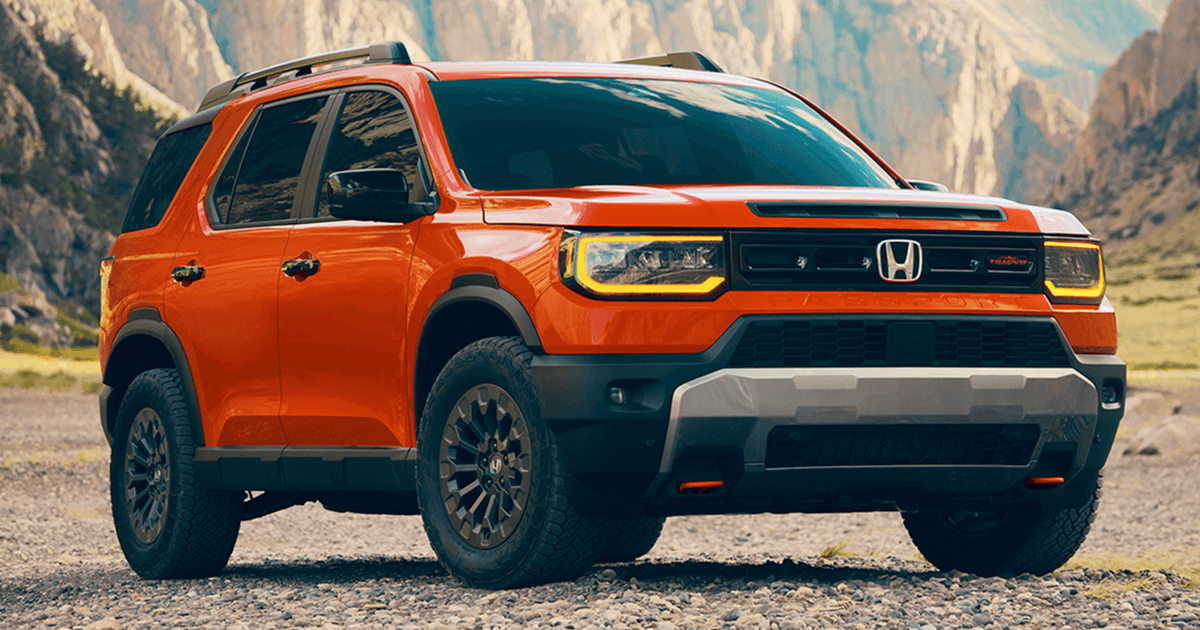
- Honda Passport
- Honda Odyssey
- Honda Ridgeline
Production assignments can change, so this list should not be treated as a guarantee that every version of one of these models comes from a U.S. factory.
If assembly location matters to you, check the VIN and factory information on the specific vehicle you are considering.
Are Honda Cars Made in Canada?
Yes. Canada is another important part of Honda's North American manufacturing network.
Honda of Canada Manufacturing operates production facilities in Ontario and has built high-volume models such as the Civic and CR V.
This is another reason the idea that Hondas sold in the United States are simply imported from Japan is outdated. A large portion of Honda's North American business is supported by manufacturing on this continent.
Where a particular vehicle comes from still depends on the model and production schedule.
Are Any Honda Cars Still Made in Japan?
Yes. Honda continues to manufacture vehicles in Japan.
Japan also remains important for Honda's research, engineering, product development, and advanced manufacturing operations.
The expansion of factories into North America and other markets did not replace Honda's Japanese operations. Instead, the company built a larger manufacturing network around them.
A Honda assembled in Japan and one assembled in the United States are both products of the same automaker. The different assembly locations reflect Honda's global production strategy rather than a different company behind the vehicle.
What Honda Cars Are Made in North America?
Honda's North American manufacturing operations have supported many of the vehicles that matter most to U.S. shoppers.
Depending on the model year and configuration, North American production has included:
- Honda Civic
- Honda Accord
- Honda CR V
- Honda Pilot
- Honda Passport
- Honda Odyssey
- Honda Ridgeline
The exact factory can vary, and production plans can change from one model year to another.
For most shoppers, assembly location is only one piece of the research. Price, reliability, features, fuel economy, safety, passenger space, and how the vehicle actually drives are likely to have a much bigger impact on whether a particular Honda is right for you.
What Cars Does Honda Make?
Honda offers a broad mainstream lineup that stretches from compact cars to family SUVs and a midsize pickup.
Honda Civic
The Civic is Honda's compact car and one of the company's best-known nameplates.
Its manageable size, fuel economy, useful interior, and available performance options give it broad appeal. It can work just as easily for a first-time buyer as it can for someone who simply wants an efficient commuter that is not oversized for everyday driving.
Honda Accord
The Accord gives sedan shoppers more passenger space than the Civic.
It has long been positioned as a practical midsize sedan for commuters and families, with hybrid versions available for shoppers who put a higher priority on fuel economy.
Honda CR-V
The CR-V is a compact SUV and one of the most important vehicles in Honda's current lineup.
It offers the higher seating position many SUV shoppers want without becoming difficult to maneuver or park. A roomy cabin, flexible cargo area, and available hybrid powertrain also make it well suited to family use.
Honda HR-V
The HR-V sits below the CR-V in Honda's SUV lineup.
Its smaller footprint can make it easier to live with in cities or tight parking situations while still giving shoppers the seating position and cargo flexibility of a crossover.
Honda Pilot
The Pilot is Honda's larger 3-row SUV.
It is aimed at families that need more passenger and cargo room than the CR V can provide, along with greater towing capability for certain configurations.
Honda Ridgeline
The Ridgeline is Honda's midsize pickup.
Its design differs from more traditional body-on-frame trucks, putting greater emphasis on ride comfort and everyday usability while still providing an open bed and useful truck capability.
For someone who wants pickup utility but does not need a full-size truck, the Ridgeline takes an interesting middle ground.
Does Honda Own Acura?
Yes. Acura is Honda's luxury vehicle brand.
Honda launched Acura in the 1980s to compete in the premium vehicle market. The relationship gives Acura access to Honda's engineering experience, technology, manufacturing resources, and broader corporate infrastructure.
Acura models generally put more emphasis on:
- Premium interior materials
- Performance
- Technology
- Distinctive styling
- Additional standard equipment
Honda and Acura target different shoppers, but both ultimately belong to Honda Motor Co.
Is Acura Just a Luxury Honda?
There is some truth behind the description, but it oversimplifies the relationship.
Acura is Honda's luxury brand, so shared engineering, components, platforms, and technology are not unusual.
The finished vehicles are still developed for a different part of the market.
Depending on the model, an Acura may have different engines, suspension tuning, styling, interior materials, technology, features, and performance goals than a comparable Honda.
This is common across the auto industry. Luxury brands often benefit from the resources of a larger parent company while developing vehicles with their own design and driving characteristics.
So yes, Acura belongs to Honda. That does not make every Acura a Honda with a different badge.
Does Honda Make Its Own Engines?
Yes. Honda has a long history of developing its own engines and powertrain technology.
Engine development has been one of the company's defining strengths, with experience stretching across passenger cars, motorcycles, motorsports, power equipment, and other products.
Honda does not manufacture every component inside every engine. Like other automakers, it relies on a network of suppliers.
The larger point is that Honda has substantial internal powertrain engineering expertise rather than relying on another automaker to develop its engines.
That expertise has expanded beyond gasoline engines as Honda invests more heavily in hybrid systems, electric motors, batteries, and electrification.
Does Honda Make Hybrid Cars?
Yes. Hybrids are an important part of Honda's current vehicle strategy.
Models include vehicles such as the Accord Hybrid and CR V Hybrid.
For shoppers who want better fuel economy but do not want to regularly plug in their vehicle, a traditional hybrid can be a useful middle ground. The gasoline engine and electric motor work together, and the vehicle handles charging the hybrid battery during normal operation.
Honda has been working with hybrid technology for decades, and electrified powertrains now play a much larger role across its lineup.
Does Honda Make Electric Cars?
Yes. Honda is expanding into battery electric vehicles.
One example is the Honda Prologue, an electric SUV developed through a collaboration with General Motors.
The partnership gave Honda access to GM electric vehicle technology for the Prologue rather than requiring the company to wait until every part of its own next-generation EV program was ready.
Honda is also developing additional electric vehicle technology and platforms of its own as its EV strategy expands.
For shoppers, this means Honda's electrified lineup is likely to continue changing as the company adds new models and technology.
Does General Motors Make Honda Cars?
No. General Motors does not own Honda or manufacture the Honda brand as a whole.
The confusion largely comes from collaborations between the 2 companies, particularly around electric vehicles.
The Honda Prologue, for example, was developed using GM's Ultium-based EV architecture as part of a partnership between the automakers.
Automotive partnerships like this are fairly common. Companies may collaborate on platforms, batteries, factories, software, components, or other technology without merging their brands or ownership structures.
Honda remains an independent automaker, and a partnership on a particular vehicle does not make Honda part of GM.
Is Honda the Same Company as Nissan?
No. Honda and Nissan are separate Japanese automakers.
They have their own ownership structures, brands, engineering operations, manufacturing networks, and vehicle lineups.
The same applies to other major Japanese automakers such as Toyota, Mazda, Subaru, and Mitsubishi.
They may compete in many of the same vehicle segments and occasionally work with other companies on technology, but being headquartered in the same country does not make them part of the same automotive group.
What Is Honda Known For?
Honda's reputation has developed around several areas.
Reliability
Vehicles such as the Civic, Accord, and CR V have helped Honda build a strong reputation among shoppers interested in long-term ownership.
Reliability can still vary by model, model year, powertrain, and maintenance history, so the specific vehicle matters more than the badge alone.
Fuel Economy
Efficient engines have been a Honda strength for decades, and hybrid technology has given shoppers more ways to reduce fuel use.
Practicality
Honda generally puts plenty of thought into passenger space, visibility, storage, cargo flexibility, and controls that are easy to use.
Driving Experience
Practical does not necessarily mean dull. Several Honda models have earned loyal followings partly because they can still feel responsive and enjoyable in everyday driving.
Engineering
Honda's engineering experience reaches well beyond cars, with decades of work in motorcycles, engines, motorsports, hybrid systems, manufacturing, and other mobility technology.
Is Honda a Luxury Brand?
No. Honda is primarily a mainstream automotive brand.
Its vehicles compete with brands such as:
- Toyota
- Nissan
- Hyundai
- Kia
- Mazda
- Subaru
Shoppers looking for a luxury vehicle from Honda Motor Co. would generally turn to Acura.
There can be some overlap at the edges. A higher Honda trim may include leather seating, large displays, advanced driver assistance features, upgraded audio, and other equipment you might also find in an entry-level luxury vehicle.
The bigger difference comes down to positioning, design, refinement, performance, and the overall ownership experience rather than one individual feature.
Is Honda a Good Brand to Consider?
Honda belongs on the shopping list for plenty of buyers, particularly those interested in practical vehicles with efficient powertrains and broad dealer support.
Depending on the model, Honda may appeal if you prioritize:
- Reliability
- Fuel economy
- Practical interiors
- Modern safety technology
- Resale value
- Hybrid options
- Broad dealer and service availability
The Honda badge alone should not make the decision for you.
A competing vehicle may cost less, offer a longer warranty, provide more cargo room, or simply feel better from the driver's seat.
Compare the actual Honda model you are considering with its closest alternatives. That gives you a much better idea of whether Honda's strengths line up with what you need.
How AutoFinder Helps You Research Honda Cars
Honda's lineup covers enough ground that shopping for a Civic is a very different exercise from shopping for a Pilot or Ridgeline.
AutoFinder can help you compare:
- Honda models
- Vehicle pricing
- Trim levels
- Gas and hybrid options
- Safety features
- Fuel economy
- Passenger and cargo space
- Local inventory
- Competing vehicles
A Civic shopper may care most about price, efficiency, and everyday driving. Someone looking at a Pilot may put passenger space near the top of the list, while a Ridgeline buyer may be comparing towing, bed utility, and comfort.
Once you know which type of Honda fits your needs, comparing actual vehicles, equipment, and pricing can narrow the search considerably.
Final Thoughts
Honda cars are made by Honda Motor Co., an independent Japanese automotive company headquartered in Tokyo.
Honda also owns Acura, its luxury vehicle brand, and its business extends well beyond passenger cars into motorcycles, power products, aircraft, and other mobility technology.
The manufacturing side of the company is much more international than the Honda name might suggest. Vehicles are built in Japan as well as countries across North America and Asia, with many Hondas sold in the United States assembled in the United States or Canada.
Honda also works with other automakers on certain projects, but those partnerships do not change who owns the company.
So, who makes Honda cars? Honda Motor Co. does, with a global manufacturing network supporting one of Japan's most recognizable automotive brands.