Buying Guides
How to Choose the Right Pickup Truck for Your Needs
OVERVIEW
A pickup truck should make your life easier, whether you're hauling supplies for a weekend project, towing a camper, or getting to work every morning. The challenge is finding one that handles those jobs without paying for size, power, or equipment you won't use.
A truck that makes sense for a contractor may be more than someone needs for commuting and occasional trips to the hardware store. Even two trucks with the same model name can have very different towing capabilities, passenger space, and bed configurations.
Before comparing prices or choosing a trim, think about what you'll actually ask your truck to do. That will help you narrow the choices and avoid getting distracted by specifications that sound impressive but may not matter to you.
How Do You Choose the Right Pickup Truck?
Start with these seven decisions:
Choose a truck size
Compare compact, midsize, full-size, and heavy-duty pickups.
Calculate towing and payload needs
Know the weight of what you'll pull and carry.
Pick a cab and bed configuration
Balance passenger room with cargo space.
Compare engines and fuel economy
Match the powertrain to your driving habits.
Decide whether you need Four Wheel Drive
Consider weather, road conditions, and recreation.
Compare trims and ownership costs
Prioritize useful equipment over features you won't use.
Research inventory and test drive
Compare specific trucks before deciding.
1. Choose the Right Pickup Truck Size
Truck size affects almost everything else, including capability, parking, passenger space, and price.
You don't necessarily need a full-size pickup just because you want a truck bed. On the other hand, choosing something smaller to save money may not work if you regularly tow or carry heavy equipment.
Compact Pickup Trucks
Compact pickups make sense for drivers who want a useful cargo bed without the size of a traditional truck.
Models such as the Ford Maverick and Hyundai Santa Cruz are worth considering if you regularly carry bicycles, gardening supplies, or materials for smaller home projects.
They're generally easier to maneuver than larger pickups, which can make a difference if you commute through busy areas or park in a garage.
The tradeoff is capability. Compact trucks usually offer lower towing and payload ratings than larger models, and their beds may not accommodate everything you want to carry.
Midsize Pickup Trucks
Midsize trucks offer more traditional pickup capability while remaining smaller than full-size models.
The Toyota Tacoma, Ford Ranger, Chevrolet Colorado, GMC Canyon, and Nissan Frontier are examples.
These trucks can be a good fit for camping, outdoor recreation, moderate towing, and everyday driving. Many also offer dedicated off-road configurations.
If you're considering a midsize truck, compare the available cab and bed combinations carefully. Some prioritize passenger space, while others provide longer beds or different capability ratings.
You can explore the 2026 Toyota Tacoma trims and configurations to see how much the options can vary within one model.
Full Size Pickup Trucks
Full-size trucks are worth considering if you regularly tow, carry substantial cargo, or need a spacious crew cab.
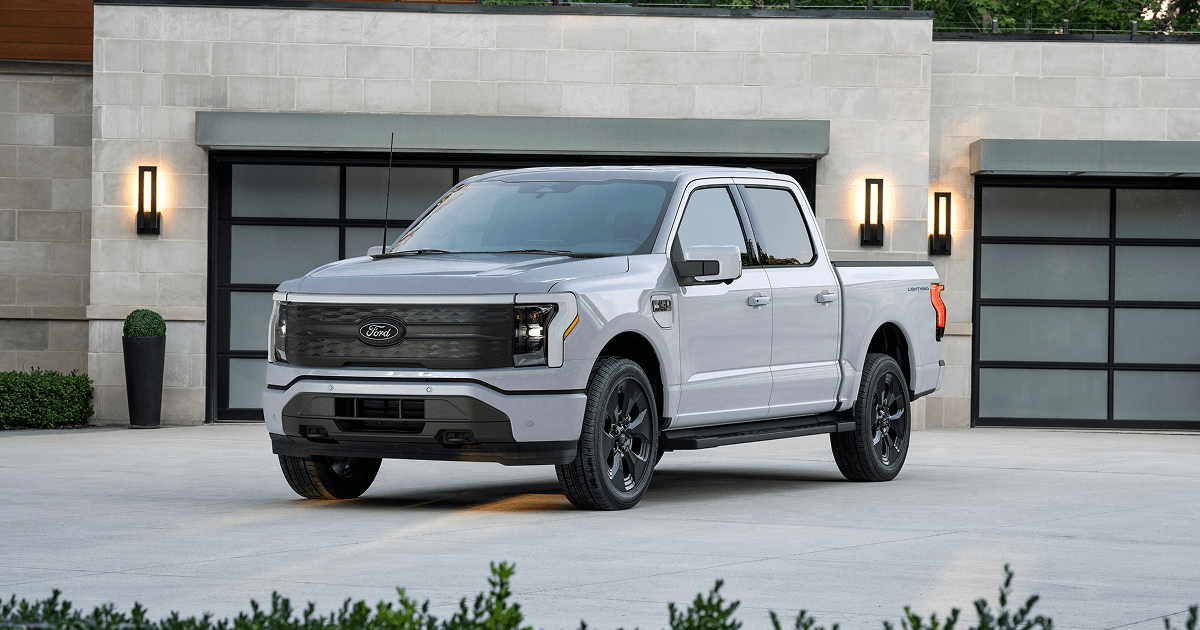
Models include the Ford F-150, Chevrolet Silverado 1500, Ram 1500, GMC Sierra 1500, and Toyota Tundra.
These trucks typically offer more available towing and payload capability than smaller pickups, along with a wider range of engines, beds, and equipment packages.
That versatility is useful, but it also makes choosing the right configuration important.
A 2026 Ford F-150, for example, is offered in multiple cab, drivetrain, bed, and trim combinations. Don't assume every version has the same capabilities.
Heavy Duty Pickup Trucks
Heavy duty pickups are built for more demanding towing and hauling.
Examples include the Ford F-250 and F-350 Super Duty, Chevrolet Silverado 2500HD and 3500HD, and Ram 2500 and 3500.
These trucks may be necessary if you regularly tow large trailers, carry heavy equipment, or use your pickup for commercial work.
However, additional capability comes with trade-offs. Heavy-duty trucks can be more expensive to buy and operate, harder to park, and less comfortable on rough roads when unloaded.
If you rarely need that level of capability, a full-size light-duty pickup may be a better fit.
Pickup Truck Size Comparison
| Truck category | Best suited for | Main consideration |
|---|---|---|
| Compact | Commuting, light hauling, smaller projects | Lower towing capacity and shorter beds |
| Midsize | Outdoor recreation, moderate towing, everyday use | Less passenger room and capability than many full size trucks |
| Full size | Regular towing, work, family transportation | Larger dimensions and ownership costs |
| Heavy duty | Large trailers, heavy equipment, demanding work | Higher cost, size, and potentially firmer ride |
Which Truck Size Should You Start Shopping For?
If you mainly commute and occasionally carry home improvement supplies, start with compact and midsize pickups. You may not need the added size or capability of a full-size truck.
If you need room for a family, regularly carry equipment, or tow a recreational trailer, compare midsize and full-size models. The right choice will depend on your actual passenger, cargo, and trailer weights.
If you tow large trailers or carry particularly heavy equipment for work, investigate heavy-duty pickups. But check the ratings before assuming a heavy-duty badge automatically makes every configuration suitable.
You don't have to choose a truck category permanently at this stage. The point is to narrow your search so you're comparing vehicles that can realistically handle your needs.
2. Determine How Much Towing and Payload Capacity You Need
Towing capacity and payload capacity measure different things. Understanding both can prevent an expensive mistake.
What Is Towing Capacity?
Towing capacity describes how much weight a properly equipped truck is rated to pull.
If you're buying a pickup to tow a camper, boat, or equipment trailer, start by finding out how much that trailer weighs when loaded.
A camper's empty weight doesn't include everything you'll bring along. Water, propane, luggage, food, and camping equipment can add considerable weight.
The truck also needs to be equipped correctly. Engine choice, axle ratio, cab style, drivetrain, and towing equipment can affect the rating.
That's why a manufacturer's advertised maximum towing capacity shouldn't be treated as the rating for every truck in that model lineup.
What Is Payload Capacity?
Payload capacity describes how much additional weight a truck can carry within its rated limits.
That includes passengers, tools, luggage, cargo, accessories, and the weight a trailer transfers onto the truck through its hitch.
For someone buying a truck primarily for work, payload may matter just as much as towing capacity.
How to Check Whether a Truck Can Tow Your Trailer
Start with the trailer, not the truck advertisement.
Find the trailer's gross vehicle weight rating, or GVWR, which represents its maximum allowable loaded weight. If you already own the trailer, weighing it as you actually use it provides a more useful picture than relying on its empty weight.
Next, check the towing specifications for the exact truck you're considering. The engine, axle ratio, cab, drivetrain, and towing package can all affect its rating.
Then check payload. A conventional trailer transfers some of its weight onto the truck through the hitch. That tongue weight uses part of the truck's available payload, along with passengers, cargo, and accessories.
For example, consider a truck with 1,600 pounds of available payload:
| Weight carried by truck | Illustrative weight |
|---|---|
| Passengers | 600 pounds |
| Tools and cargo | 350 pounds |
| Trailer tongue weight | 500 pounds |
| Total | 1,450 pounds |
| Remaining payload | 150 pounds |
Illustrative example only. Actual available payload depends on the specific truck, installed equipment, and its ratings.
Even though the truck has 150 pounds remaining in this example, you still need to verify its towing capacity, gross vehicle weight rating, gross axle weight ratings, gross combined weight rating, and hitch limits.
The best approach is to check the manufacturer's towing guide and the certification labels on the specific vehicle. If you're unsure which configuration meets your needs, ask the dealership to help verify the ratings before buying.
For an example of how ratings vary by configuration, see Ford's towing and hauling resources.
3. Choose the Right Cab Size and Bed Length
A pickup can have all the capability you need and still be frustrating to live with if the cab or bed doesn't fit your routine.
Regular Cab, Extended Cab, or Crew Cab?
Pickup trucks generally offer three cab styles, although availability varies by model.
Regular cab: Usually provides one row of seating. It can make sense for work-focused buyers who prioritize cargo space over passenger room.
Extended cab: Adds space behind the front seats, sometimes with smaller rear seats or additional storage.
Crew cab: Provides four full-size doors and a larger rear seating area. It's often the most practical choice for families or drivers who regularly carry passengers.
If you're considering a crew cab, sit in the back during your dealership visit. Rear seat comfort can vary considerably between trucks.
How Long Should Your Truck Bed Be?
Bed lengths vary by model and configuration.
A shorter bed may be easier to maneuver and park, especially when paired with a crew cab.
A longer bed may be more useful for transporting lumber, ladders, construction materials, or bulky equipment.
Before choosing, consider whether you'll regularly carry long items, install a toolbox, transport recreational equipment, or need room for work supplies.
Also check bed width, wheel well clearance, tie-down points, tailgate features, and available cargo management systems.
If your truck needs to fit in a garage, measure the available space before you shop. Overall vehicle length matters more than bed length alone.
4. Compare Engines, Performance, and Fuel Economy
Pickup trucks offer a variety of powertrains, including gasoline, diesel, hybrid, and electric options.
The best choice depends on how much you drive, what you tow, and what you want to spend over time.
Gasoline Engines
Gasoline engines are common in compact, midsize, and full-size pickups.
Depending on the model, you may find naturally aspirated or turbocharged engines with different power, torque, and efficiency characteristics.
A smaller engine may provide enough capability for everyday hauling and moderate towing. A larger engine may be better suited to certain workloads.
Compare the actual specifications rather than assuming the largest engine is always the strongest choice.
Diesel Engines
Diesel engines are available in certain pickups, particularly heavy-duty trucks.
They can provide substantial low-speed torque and may appeal to buyers who regularly tow heavy trailers over long distances.
However, diesel trucks may have higher purchase prices, additional maintenance requirements, and emissions system considerations.
If you only tow occasionally, the added cost may not make sense.
Hybrid and Electric Pickup Trucks
Hybrid and electric trucks offer additional choices.
Some hybrids provide improved fuel efficiency or useful onboard electrical features, depending on the model.
Electric pickups can offer strong acceleration, onboard power, and additional storage options.
However, towing can substantially reduce an electric truck's driving range. Buyers should consider charging access, route planning, trailer weight, and charging convenience before choosing an electric pickup for regular long-distance towing.
Think About Your Daily Driving
A truck that spends most of its time commuting has different requirements than one towing equipment every week.
Look at your actual mileage, driving conditions, and expected workload.
For gasoline, diesel, and hybrid models, compare official fuel economy estimates using FuelEconomy.gov.
Fuel expenses are only one part of ownership, but they can become significant over several years.
5. Decide Whether You Need Four Wheel Drive
Many pickup trucks offer two-wheel drive or Four Wheel Drive configurations.
Four Wheel Drive can improve traction in certain conditions, but not every buyer needs it.
When Two-Wheel Drive Makes Sense
A two-wheel-drive pickup may be sufficient if most of your driving takes place on paved roads and you rarely encounter difficult traction conditions.
Depending on the model, these configurations may also cost less and have different fuel economy or payload ratings.
For someone who mainly commutes and occasionally carries supplies, two-wheel drive may provide everything they need.
When Four Wheel Drive Is Worth Considering
Four Wheel Drive can be useful for driving on snow-covered roads, muddy job sites, unpaved trails, or other low-traction surfaces.
It's also worth considering if you frequently travel to remote locations or use your truck for outdoor recreation.
However, Four Wheel Drive doesn't eliminate the need for appropriate tires or careful driving.
It may help a truck gain traction, but it doesn't automatically improve braking performance on slippery roads.
Do You Need an Off-Road Package?
Some trucks offer dedicated off-road trims with equipment such as all-terrain tires, skid plates, locking differentials, additional ground clearance, and specialized suspension components.
These features can be valuable if you regularly drive on challenging terrain.
If your truck will spend almost all its time on pavement, though, an off-road package may add expense without providing much everyday benefit.
6. Compare Trims, Features, and Ownership Costs
Once you've chosen the type of truck you need, compare the available trims.
A base model may provide the capability you're looking for at a lower price, while higher trims often add comfort, technology, appearance upgrades, and specialized equipment.
Prioritize Features You'll Actually Use
Depending on your needs, worthwhile equipment might include:
Trailer brake controller
Integrated towing cameras
Blind spot monitoring with trailer coverage
Heated seats and steering wheel
Durable interior materials
Bed lighting and power outlets
Cargo tie-downs and bed storage
Advanced driver assistance features
A buyer who tows frequently may get more value from a towing package than from premium interior materials.
Someone using a truck as a family vehicle might prioritize rear seat comfort, safety features, and a quieter cabin.
Don't Overlook the Total Cost
The truck with the lowest advertised price isn't always the least expensive to own.
Insurance, fuel, tires, maintenance, registration, financing, and depreciation all affect the long-term cost.
Larger trucks may require more expensive tires or consume more fuel. Certain engines and specialized equipment may also affect maintenance expenses.
Before deciding, estimate the monthly payment using AutoFinder's Car Payment Calculator.
You can also use the Out the Door Price Calculator to estimate applicable taxes and fees beyond the advertised vehicle price.
A lower trim with a few carefully selected options may offer better value than a fully loaded version, particularly if you don't need the extra equipment.
7. Compare Real Truck Inventory and Test Drive Your Finalists
Researching specifications is important, but the final decision should involve actual vehicles.
Two pickups with the same model name may have different engines, axle ratios, towing packages, payload ratings, bed lengths, and features.
Those differences can determine whether the truck meets your needs.
Compare Pickup Trucks on AutoFinder
AutoFinder lets you explore dealership inventory and compare new and used pickup trucks based on model year, trim, mileage, equipment, and advertised price.
Start by exploring pickup truck models and pricing on AutoFinder.
Once you've narrowed your search, compare trucks with similar cab styles, drivetrains, and equipment.
For example, if you're considering a Ford F-150, Chevrolet Silverado 1500, and Ram 1500, don't compare a basic work truck against a heavily equipped luxury trim without accounting for the differences.
A truck with the towing package or bed configuration you need may offer more value than one with a lower advertised price.
Before visiting a dealership, confirm availability and ask about specifications that aren't clear from the listing.
What to Check During a Pickup Truck Test Drive
A test drive is especially important with pickups because their size, handling, and ride quality can differ from smaller vehicles.
Pay attention to:
Visibility: Can you comfortably see around the truck, especially when parking or changing lanes?
Ride comfort: Does the suspension feel comfortable on the roads you normally use?
Steering and handling: Is the truck manageable in traffic and tight spaces?
Cabin space: Is there enough room for passengers and everyday belongings?
Technology: Are the controls, cameras, and driver assistance features easy to use?
Parking: Will the truck fit comfortably in your driveway, garage, or usual parking spaces?
If towing is a major priority, ask the dealership to confirm the exact truck's towing equipment and ratings before purchasing.
For a used truck, consider an independent inspection. Pay particular attention to signs of heavy towing, underbody damage, modifications, suspension wear, and maintenance history.
Finding a Pickup Truck That Fits Your Life
A pickup truck should make the things you do easier, whether that's getting to work, carrying supplies, towing a camper, or heading out for the weekend.
Start with the jobs you'll ask it to handle most often. Check towing and payload requirements before getting attached to a particular engine or trim. Then think about the everyday details: parking, passenger comfort, bed space, fuel costs, and features.
Once you've narrowed the field, compare specific trucks rather than relying on advertised maximum capabilities. A dealership can help confirm equipment and specifications, while an in-person test drive will tell you whether the truck feels right.
The best choice is the truck that meets your needs without making you pay for more capability than you'll use.
Want More Car Buying Advice?
Add AutoFinder as a preferred source on Google to help you discover more of our automotive guides and research.