Deal Alerts
Best Hybrid SUVs in 2026
OVERVIEW
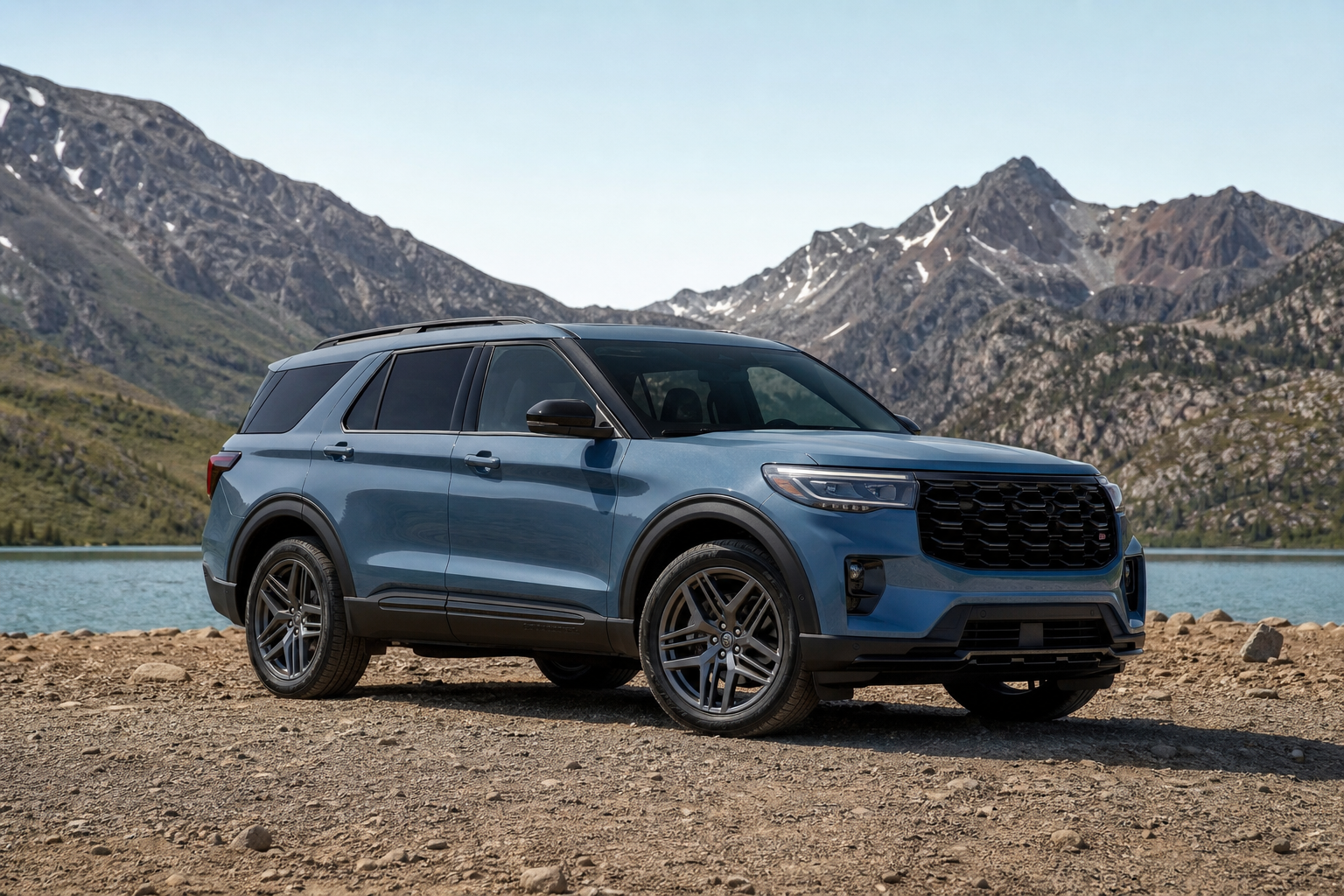
The best hybrid SUVs 2026 are designed to meet the demands of modern drivers looking for efficiency, comfort, and advanced technology. These vehicles combine the benefits of traditional SUVs with hybrid technology, offering improved fuel economy and lower emissions. As the market evolves, several models stand out, providing consumers with a variety of options that cater to different lifestyles and preferences. This guide will help you navigate the top choices, key features, and considerations when selecting the best hybrid SUV for your needs.
This overview of the best hybrid SUVs 2026 walks through trims, pricing, and ownership costs so you can compare options with confidence. As the automotive market evolves, hybrid SUVs are gaining popularity for their efficiency and versatility. In 2026, several models stand out for their performance, technology, and eco-friendliness.
Top Picks for the Best Hybrid SUVs 2026
When considering the best hybrid SUVs 2026, it is essential to evaluate various factors such as fuel efficiency, safety ratings, and available technology. The following models are leading the way:
- Toyota RAV4 Hybrid: Known for its reliability and excellent fuel economy, the RAV4 Hybrid offers a spacious interior and advanced safety features.
- Honda CR-V Hybrid: The CR-V Hybrid combines practicality with a smooth driving experience, making it a favorite among families.
- Ford Escape Hybrid: With its sporty design and impressive tech offerings, the Escape Hybrid is a strong contender for those seeking a stylish SUV.
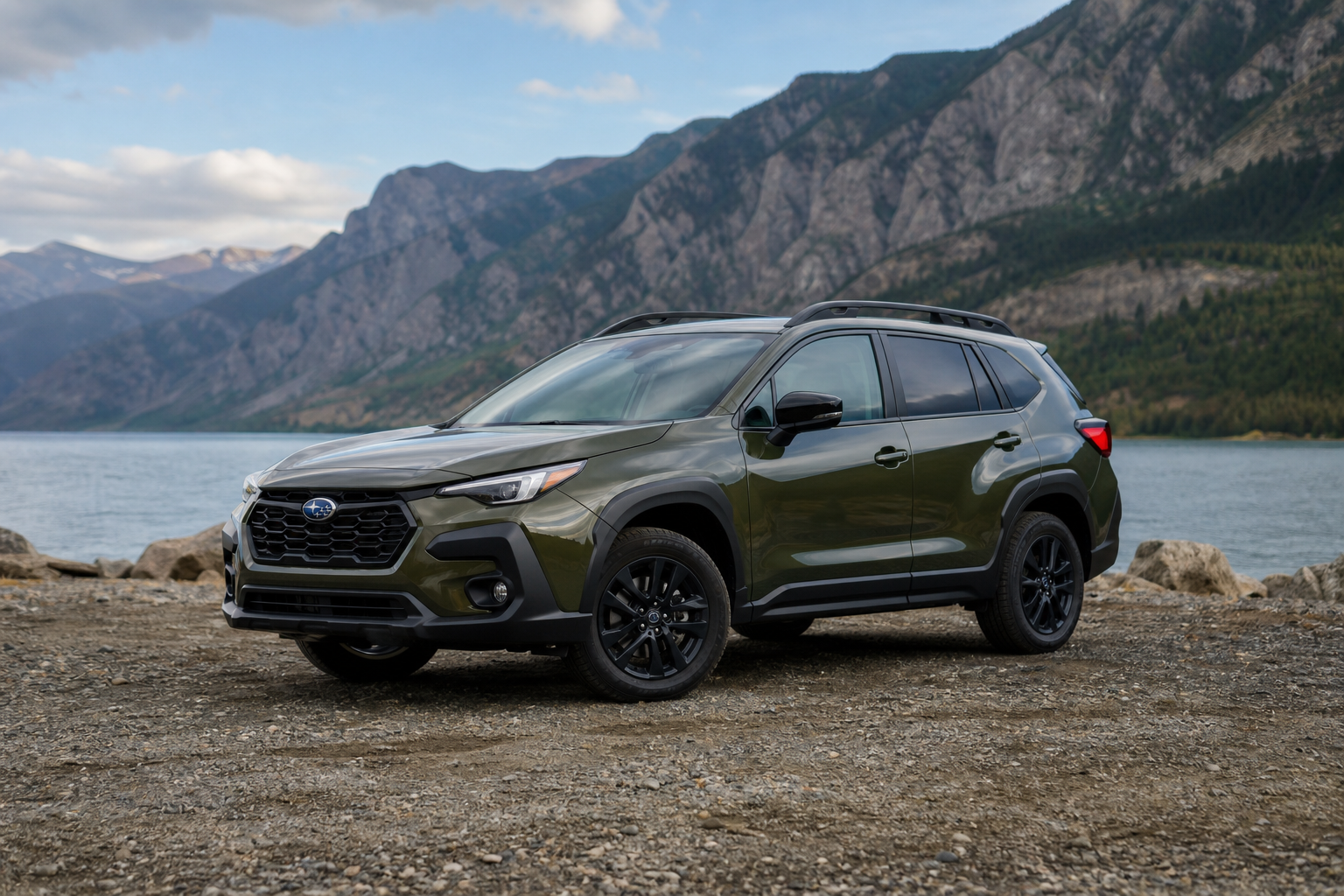
- Subaru Crosstrek Hybrid: This model stands out with its all-wheel drive capabilities, making it ideal for adventurous drivers.
- Kia Sportage Hybrid: The Sportage Hybrid features a modern design and a wealth of standard technology, making it a competitive option.
- Hyundai Tucson Hybrid: Known for its comfortable ride and user-friendly tech, the Tucson Hybrid is a well-rounded choice for hybrid SUV buyers.
- Mazda CX-50 Hybrid: Combining luxury with efficiency, the CX-50 Hybrid offers a premium interior and engaging driving dynamics.
- Chevrolet Equinox Hybrid: The Equinox Hybrid provides a balance of performance and comfort, making it suitable for daily commutes and road trips alike.
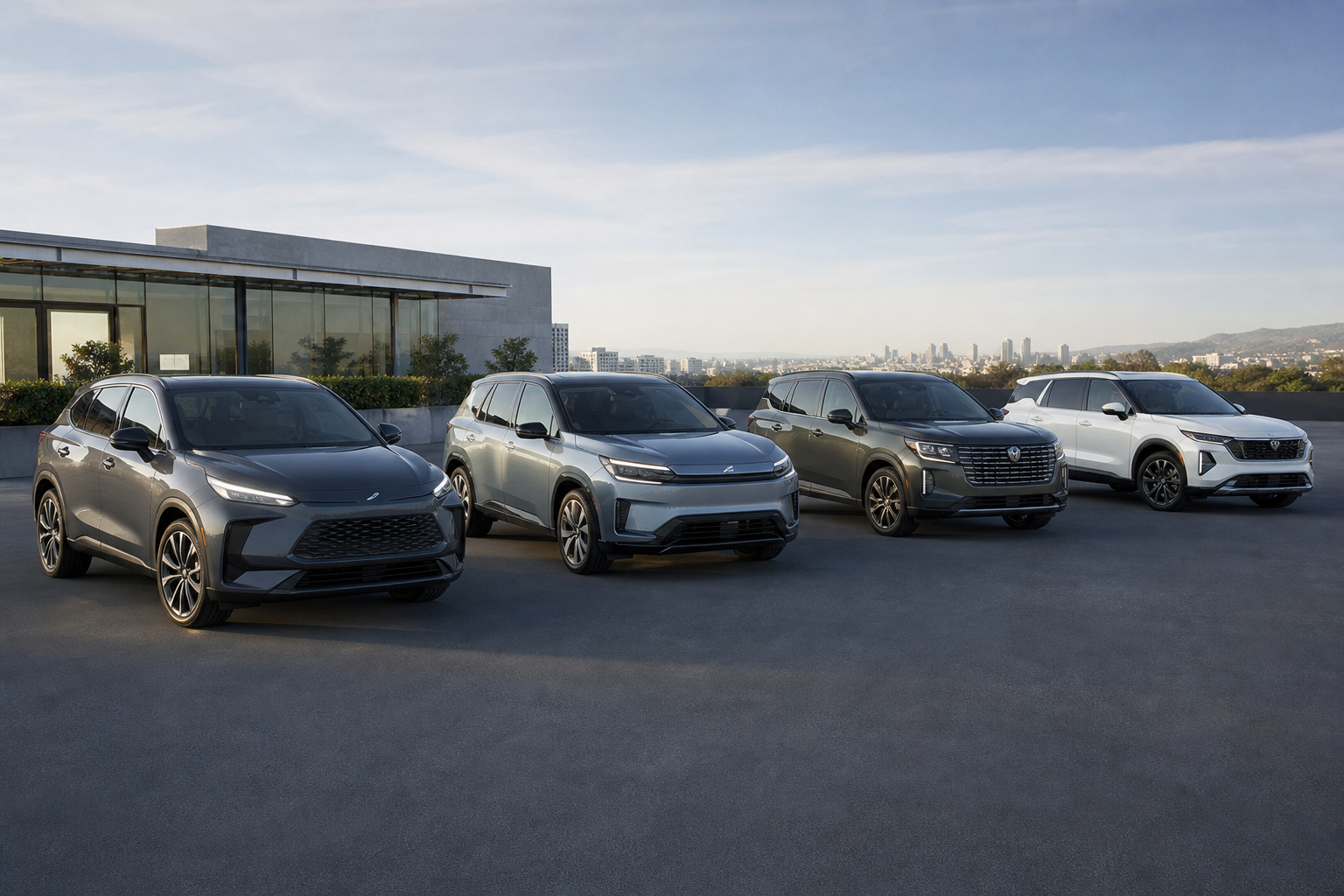
Each of these models showcases the advancements in hybrid technology, offering consumers a range of choices to fit their lifestyles. The best hybrid SUVs 2026 not only focus on fuel efficiency but also prioritize comfort, safety, and technology.
Key Features to Look For in the Best Hybrid SUVs 2026
When shopping for the best hybrid SUVs 2026, consider the following features:
- Fuel Efficiency: Look for models that offer high miles per gallon (MPG) ratings to save on fuel costs.
- Safety Ratings: Check crash test ratings and available safety features, such as adaptive cruise control and lane-keeping assist.
- Technology: Ensure the SUV has modern infotainment systems, smartphone integration, and advanced driver-assistance features.
- Interior Space: Evaluate the cargo space and passenger comfort, especially if you have a family or frequently transport items.
- Warranty and Reliability: Consider the manufacturer's warranty and the vehicle's reliability ratings to ensure long-term satisfaction.
Frequently Asked Questions About the Best Hybrid SUVs 2026
What are the benefits of hybrid SUVs?
Hybrid SUVs offer improved fuel efficiency compared to traditional gasoline vehicles, lower emissions, and often come with advanced technology features. They are ideal for consumers looking to reduce their carbon footprint while enjoying the versatility of an SUV. Additionally, many hybrid models provide a quieter driving experience and may have lower maintenance costs over time.
How do hybrid SUVs perform in terms of maintenance?
Hybrid SUVs typically require similar maintenance as their gasoline counterparts. However, it is essential to ensure that the hybrid battery is maintained, as this can affect overall performance and longevity. Regular oil changes, tire rotations, and brake inspections are necessary, and some models may have specific service intervals for the hybrid system that should be followed for optimal performance.
Are hybrid SUVs more expensive than regular SUVs?
While hybrid SUVs may have a higher upfront cost, they often save money in fuel costs over time. Additionally, many hybrid models qualify for tax incentives, which can help offset the initial investment. It's important to consider the total cost of ownership, including fuel savings and potential resale value, when evaluating the financial aspect of purchasing a hybrid SUV.
What should I consider when choosing a hybrid SUV?
Consider your driving habits, budget, and the specific features that matter most to you. Test-driving multiple models can also help you determine which hybrid SUV best fits your needs. Additionally, think about the vehicle's size, cargo capacity, and technology features, as well as its environmental impact and any available incentives for hybrid vehicle purchases.
Conclusion
In conclusion, this buying guide offers a blend of efficiency, comfort, and technology. By evaluating your options carefully, you can find the perfect model that meets your needs and preferences. The this buying guide combine innovative features with practical benefits, making them an excellent choice for today's environmentally conscious drivers.
Final shopping checklist
When you move from research to quotes, bring a written list of must-have equipment and a firm out-the-door ceiling. Request itemized quotes that list destination, documentation, and any dealer add-ons separately so you can compare stores fairly. Match cab configuration and bed length to how you haul people and gear, not just a monthly payment target. Prior model years can offer value when incentives stack with remaining inventory on the lot.
Financing terms can change the total cost more than a small discount on sticker price, so compare APR and term length alongside rebate eligibility. Getting pre-approval from a bank or credit union before you visit the showroom helps you understand your range. Ask whether the dealer participates in manufacturer loyalty or conquest programs that may not appear in online ads. If you plan to trade a vehicle, obtain independent appraisal values so you can judge whether the allowance is competitive.
Inspection and delivery details matter on new and used purchases alike. Confirm floor mats, spare keys, and software updates are included before you leave. For used inventory, review service records and run a history report even when the listing looks clean. On new units, verify the window sticker matches the VIN you test-drove and that port or factory installed options are listed correctly.
Long-term ownership costs often exceed the purchase price, so factor insurance, maintenance, and fuel into your decision early. Estimate annual miles and research common maintenance intervals for the engine and drivetrain you select. Extended warranties may make sense for complex packages, but read coverage exclusions carefully instead of treating them as default add-ons. Revisit your choice after a cooling-off day if the salesperson pushes same-day paperwork.
When you move from research to quotes, bring a written list of must-have equipment and a firm out-the-door ceiling. Request itemized quotes that list destination, documentation, and any dealer add-ons separately so you can compare stores fairly. Match cab configuration and bed length to how you haul people and gear, not just a monthly payment target. Prior model years can offer value when incentives stack with remaining inventory on the lot.
Financing terms can change the total cost more than a small discount on sticker price, so compare APR and term length alongside rebate eligibility. Getting pre-approval from a bank or credit union before you visit the showroom helps you understand your range. Ask whether the dealer participates in manufacturer loyalty or conquest programs that may not appear in online ads. If you plan to trade a vehicle, obtain independent appraisal values so you can judge whether the allowance is competitive.
Inspection and delivery details matter on new and used purchases alike. Confirm floor mats, spare keys, and software updates are included before you leave. For used inventory, review service records and run a history report even when the listing looks clean. On new units, verify the window sticker matches the VIN you test-drove and that port or factory installed options are listed correctly.
Long-term ownership costs often exceed the purchase price, so factor insurance, maintenance, and fuel into your decision early. Estimate annual miles and research common maintenance intervals for the engine and drivetrain you select. Extended warranties may make sense for complex packages, but read coverage exclusions carefully instead of treating them as default add-ons. Revisit your choice after a cooling-off day if the salesperson pushes same-day paperwork.
When you move from research to quotes, bring a written list of must-have equipment and a firm out-the-door ceiling. Request itemized quotes that list destination, documentation, and any dealer add-ons separately so you can compare stores fairly. Match cab configuration and bed length to how you haul people and gear, not just a monthly payment target. Prior model years can offer value when incentives stack with remaining inventory on the lot.
Financing terms can change the total cost more than a small discount on sticker price, so compare APR and term length alongside rebate eligibility. Getting pre-approval from a bank or credit union before you visit the showroom helps you understand your range. Ask whether the dealer participates in manufacturer loyalty or conquest programs that may not appear in online ads. If you plan to trade a vehicle, obtain independent appraisal values so you can judge whether the allowance is competitive.
Inspection and delivery details matter on new and used purchases alike. Confirm floor mats, spare keys, and software updates are included before you leave. For used inventory, review service records and run a history report even when the listing looks clean. On new units, verify the window sticker matches the VIN you test-drove and that port or factory installed options are listed correctly.
Long-term ownership costs often exceed the purchase price, so factor insurance, maintenance, and fuel into your decision early. Estimate annual miles and research common maintenance intervals for the engine and drivetrain you select. Extended warranties may make sense for complex packages, but read coverage exclusions carefully instead of treating them as default add-ons. Revisit your choice after a cooling-off day if the salesperson pushes same-day paperwork.
When you move from research to quotes, bring a written list of must-have equipment and a firm out-the-door ceiling. Request itemized quotes that list destination, documentation, and any dealer add-ons separately so you can compare stores fairly. Match cab configuration and bed length to how you haul people and gear, not just a monthly payment target. Prior model years can offer value when incentives stack with remaining inventory on the lot.
Financing terms can change the total cost more than a small discount on sticker price, so compare APR and term length alongside rebate eligibility. Getting pre-approval from a bank or credit union before you visit the showroom helps you understand your range. Ask whether the dealer participates in manufacturer loyalty or conquest programs that may not appear in online ads. If you plan to trade a vehicle, obtain independent appraisal values so you can judge whether the allowance is competitive.
Inspection and delivery details matter on new and used purchases alike. Confirm floor mats, spare keys, and software updates are included before you leave. For used inventory, review service records and run a history report even when the listing looks clean. On new units, verify the window sticker matches the VIN you test-drove and that port or factory installed options are listed correctly.
Long-term ownership costs often exceed the purchase price, so factor insurance, maintenance, and fuel into your decision early. Estimate annual miles and research common maintenance intervals for the engine and drivetrain you select. Extended warranties may make sense for complex packages, but read coverage exclusions carefully instead of treating them as default add-ons. Revisit your choice after a cooling-off day if the salesperson pushes same-day paperwork.
Pros
- Improved fuel efficiency compared to traditional SUVs.
- Lower emissions, contributing to a reduced carbon footprint.
- Advanced technology features enhance driving experience and safety.
- Variety of models available to fit different lifestyles and preferences.
Cons
- Higher upfront costs compared to conventional SUVs.
- Hybrid battery replacement can be expensive if needed.
- Limited towing capacity in some hybrid models.
- Availability of hybrid models may vary by region.