Top Picks
Best Small SUVs in 2026: 10 Picks Worth Considering
OVERVIEW
A small SUV should make everyday life easier. It needs to fit your parking space, your budget, and whatever you regularly carry, whether that's groceries, sports equipment, a stroller, or a couple of friends in the back seat.
The challenge is that small SUVs are not all that small anymore. Some are compact enough to maneuver through crowded city streets, while others offer nearly as much passenger room as larger SUVs. And a vehicle that looks spacious from the outside can still have a cramped second row or a cargo area that struggles with a folded stroller.
Our overall pick is the 2026 Honda CR-V for its balance of passenger space, comfort, and everyday usability. The Toyota RAV4 is especially appealing for shoppers who want hybrid efficiency, while the Chevrolet Trax is worth a close look if keeping the purchase price down matters most.
We've included both compact and subcompact SUVs because shoppers searching for a small SUV often consider both. The best choice depends on how much room you actually need.
What Are the Best Small SUVs in 2026?
Here are 10 models worth putting on your shopping list.
| Small SUV | Best for | Main consideration |
|---|---|---|
| Honda CR-V | Best overall | Costs more than many smaller SUVs |
| Toyota RAV4 | Hybrid efficiency | Redesigned model and hybrid focused lineup |
| Hyundai Tucson | Comfort and technology | Larger footprint |
| Kia Sportage | Features for the money | Trim selection matters |
| Subaru Forester | Visibility and AWD | Less engaging driving feel |
| Mazda CX-50 | Driving enjoyment | Firm ride on some versions |
| Chevrolet Trax | Affordable everyday transportation | No AWD |
| Hyundai Kona | City driving and technology | Less room than compact SUVs |
| Subaru Crosstrek | Snowy roads and outdoor trips | Modest cargo capacity |
| Honda HR-V | Simple, practical transportation | Modest acceleration |
These are not ten interchangeable vehicles. A CR-V and a Trax, for example, serve different budgets and space requirements. Choosing between them starts with deciding how much SUV you really need.
1. Honda CR-V: Best Small SUV Overall
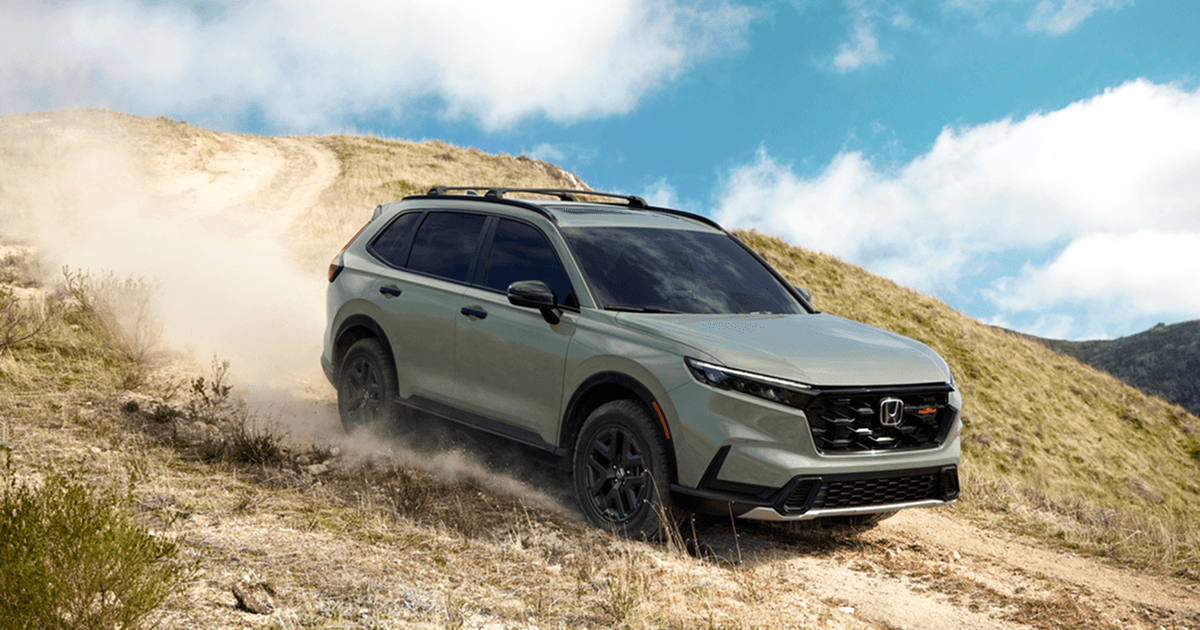
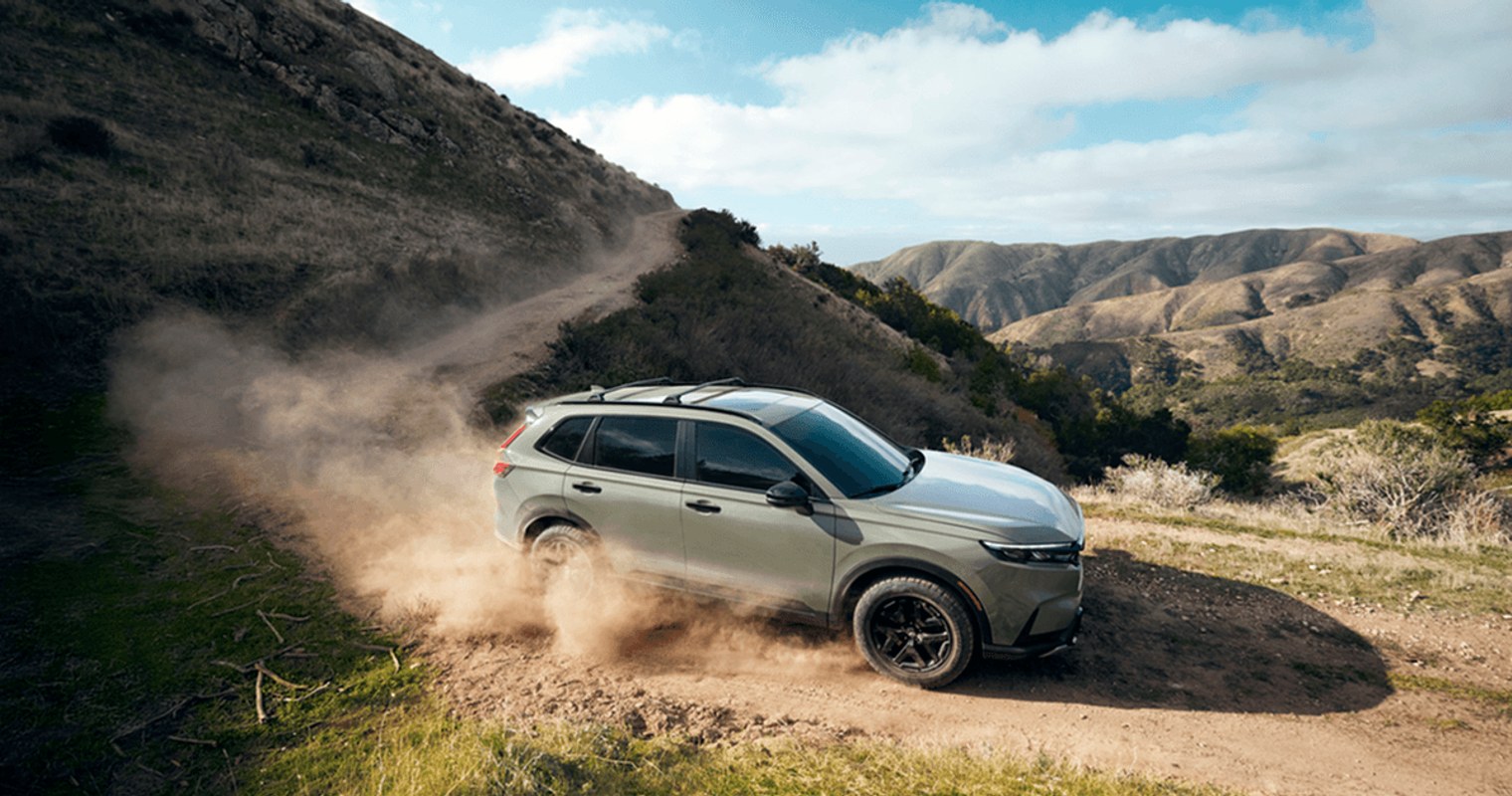
2026 Honda CR-V
2026 Honda CR-V
The Honda CR-V is an easy vehicle to recommend because it does so many everyday things well.
The cabin has generous space for passengers, the cargo area is useful without complicated seat arrangements, and the ride is comfortable enough for commuting and longer trips. Families will appreciate the rear seat space, especially when children start getting taller or adults regularly ride in the back.
The CR-V also offers a hybrid powertrain for shoppers who want to reduce fuel consumption without plugging in.
What makes it appealing is how little compromise it asks of the average buyer. It is comfortable, practical, and easy to live with.
What shoppers should know: The CR-V is not the cheapest option here. If you rarely carry rear passengers and mainly drive around town, a smaller SUV could meet your needs for less money.
Best fit: Couples, small families, and commuters who want one vehicle to handle most situations.
2. Toyota RAV4: Best for Hybrid Efficiency
2026 Toyota RAV4
2026 Toyota RAV4
The redesigned 2026 Toyota RAV4 deserves attention from anyone who spends a lot of time driving.
Toyota moved the 2026 RAV4 lineup to hybrid and plug-in hybrid powertrains, making electrified driving central to the model rather than an optional upgrade.
That makes the RAV4 particularly interesting for drivers with long commutes, frequent errands or high annual mileage.
It also has the versatility people expect from a compact SUV, with available AWD and enough room for everyday family use.
What shoppers should know: Do not compare the new RAV4's price with an older gasoline model without accounting for the powertrain differences. And if you are considering a plug in hybrid, think about whether you have convenient access to charging.
Best fit: Drivers who prioritize fuel efficiency and plan to keep their vehicle for several years.
For a deeper look at the ownership decision, read our Is the Toyota RAV4 a Good SUV to Buy? guide.
3. Hyundai Tucson: Best for Comfort and Technology
2026 Hyundai Tucson
2026 Hyundai Tucson
The Hyundai Tucson is a strong choice for shoppers who want a comfortable, modern SUV without moving into a larger vehicle class.
Its cabin feels roomy, with a layout that works well for passengers and everyday cargo. Depending on the trim, shoppers can find large displays, useful driver assistance features, and convenience equipment that would have required a more expensive vehicle not long ago.
The Tucson is especially worth considering if you regularly drive with another adult or have children in the back.
There is enough room that it does not feel like a vehicle you will immediately outgrow.
What shoppers should know: The Tucson is on the larger side of the small SUV category. That helps with interior space but may be less appealing if you have a narrow garage or regularly park in tight spaces.
Best fit: Shoppers who prioritize comfort, interior room, and useful technology.
4. Kia Sportage: Best for Features for the Money
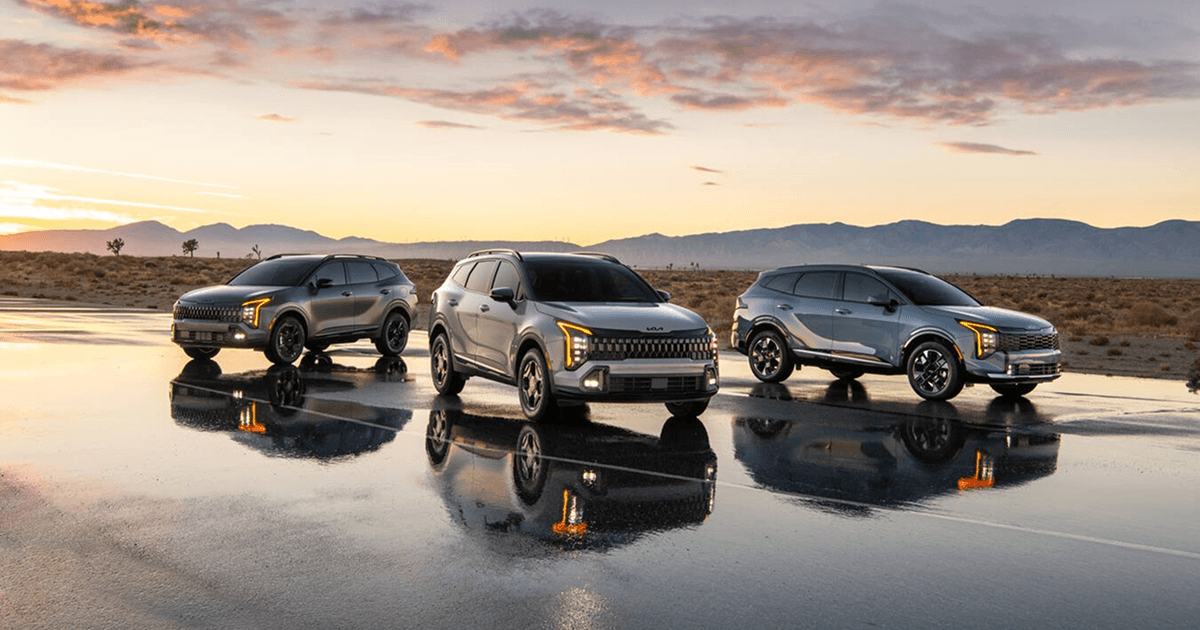
2026 Kia Sportage
2026 Kia Sportage
The Kia Sportage is worth a look if you want a well-equipped SUV without automatically moving to the highest trim.
It offers a roomy cabin, distinctive styling, and a broad selection of equipment across its lineup. Hybrid versions are also available for shoppers who want better fuel efficiency.
The Sportage makes particular sense for buyers comparing monthly payments and features. A mid-level trim may provide much of what you want without paying for equipment you rarely use.
Still, compare the actual vehicles rather than assuming one trim is the best value.
Heated seats, camera systems, upgraded displays, and other convenience features can vary considerably.
What shoppers should know: The Sportage's styling may appeal more to some shoppers than others. It is also worth comparing the gasoline and hybrid versions carefully because their purchase prices and driving characteristics differ.
Best fit: Value-focused shoppers who want a roomy SUV with plenty of available features.
5. Subaru Forester: Best for Visibility and Everyday AWD
2026 Subaru Forester
2026 Subaru Forester
Some SUVs look good on paper but feel awkward when you sit behind the wheel. The Subaru Forester tends to make a strong first impression for a different reason: you can see out of it.
Its upright cabin, large windows, and practical shape make it appealing for drivers who value visibility over dramatic styling.
Standard AWD is another advantage, especially for shoppers who regularly encounter snow, rain, or unpaved roads.
The Forester also has useful passenger and cargo space without requiring buyers to move into a midsize SUV.
What shoppers should know: AWD helps with traction, but it does not replace appropriate tires or improve stopping distances on ice. Drivers who want a particularly sporty feel may prefer a Mazda.
Best fit: Drivers in colder climates, outdoor enthusiasts and anyone who values clear visibility.
6. Mazda CX-50: Best for Drivers Who Enjoy Driving
2026 Mazda CX-50
2026 Mazda CX-50
Not everyone wants an SUV simply because it sits higher than a sedan.
Some shoppers still want a vehicle that feels responsive around corners, confident on the highway, and enjoyable on a winding road.
The Mazda CX-50 deserves a test drive for that reason.
It combines SUV practicality with steering and handling that feel more connected than many competitors. The interior also has a more refined appearance than its price might suggest.
The CX-50 is a good reminder that a practical vehicle does not have to feel dull.
What shoppers should know: Some versions have a firmer ride, and the sporty roofline may not provide the same sense of openness as a Forester or CR-V. Try the exact wheel and tire combination you plan to buy.
Best fit: Drivers who want useful cargo space but still care about how their vehicle feels on the road.
7. Chevrolet Trax: Best Affordable Small SUV
2026 Chevrolet Trax
2026 Chevrolet Trax
The Chevrolet Trax is one of the most interesting choices for shoppers trying to keep the price of a new SUV reasonable.
It provides useful interior space, modern styling, and a straightforward driving experience without requiring a compact SUV budget.
For someone moving out of an older sedan, the Trax can offer the higher seating position and hatchback versatility they want without a major jump in vehicle size or cost.
It is particularly appealing for commuting, grocery runs and everyday transportation.
What shoppers should know: The Trax is Front Wheel Drive only. If AWD is a requirement, cross it off the list and look at the Kona, Crosstrek or other available AWD models instead.
It is also worth driving the Trax on the highway with passengers to make sure its modest engine performance meets your expectations.
Best fit: First-time SUV buyers, commuters, and shoppers who want to control their purchase price.
8. Hyundai Kona: Best for City Driving and Technology
2026 Hyundai Kona
2026 Hyundai Kona
The Hyundai Kona offers a useful middle ground between very small city vehicles and larger compact SUVs.
It is easier to maneuver than many larger crossovers, but it still provides a practical hatchback layout and a seating position that many drivers prefer.
The interior feels modern, and available technology features make the Kona attractive to buyers who spend plenty of time commuting or navigating city traffic.
It is also worth considering if you want available AWD without stepping up to a larger SUV.
What shoppers should know: The Kona is roomy for its size, but it is not a substitute for a Tucson if you regularly carry tall adults in the back or need substantial cargo space.
Best fit: Urban and suburban commuters, couples and shoppers who want a smaller footprint.
9. Subaru Crosstrek: Best for Snow and Outdoor Trips
2026 Subaru Crosstrek
2026 Subaru Crosstrek
The Subaru Crosstrek is a sensible option for people who spend their weekdays commuting and their weekends getting outside.
Its standard AWD and useful ground clearance make it appealing for snowy driveways, gravel roads, and trips to trailheads.
It is also small enough that driving and parking it around town is not a chore.
The Crosstrek feels like a good fit for someone who wants a little extra capability without buying a larger SUV they do not need.
What shoppers should know: Its cargo area is smaller than those of roomier compact SUVs. If you routinely carry camping equipment, a large dog crate or several passengers with luggage, measure the space before deciding.
And remember that good winter tires remain important even with AWD.
Best fit: Drivers who encounter winter weather and enjoy outdoor activities.
10. Honda HR-V: Best for Simple, Practical Transportation
2026 Honda HR-V
2026 Honda HR-V
The Honda HR-V is worth considering if you want a straightforward small SUV without a long list of complicated decisions.
It has a practical interior, useful rear seating, and a manageable size for daily driving.
It is particularly appealing to shoppers who value predictable controls, easy parking, and a comfortable place to spend time rather than maximum horsepower.
For buyers moving from a compact sedan, the HR-V offers familiar driving manners with the added flexibility of an SUV body.
What shoppers should know: Acceleration is modest, especially when the vehicle is loaded with passengers. If you regularly merge onto fast highways or drive through steep terrain, pay attention to how the HR-V performs during your test drive.
Best fit: Commuters, first-time SUV buyers, and shoppers who value simplicity.
What Should You Look for When Buying a Small SUV?
The best small SUV on paper may not be the best one for your driveway.
Before narrowing your list, think about how you actually use your current vehicle and what you wish it did better.
How Much Rear Seat Space Do You Really Need?
A small SUV can look roomy from the driver's seat and still feel tight in the second row.
If you regularly carry adults, sit in the back yourself during the test drive. Check knee room, foot space, and how comfortable the seat feels with the front seat adjusted for your normal driving position.
Families with young children should bring their child seats when possible.
A rear-facing car seat can take up more room than expected, and the front passenger may need to move forward to accommodate it.
That is the kind of detail that matters much more after purchase than the size of the infotainment screen.
Will Your Stroller, Dog Crate or Luggage Actually Fit?
Cargo volume figures are useful, but they do not tell the entire story.
Two SUVs with similar advertised cargo capacity can have different load floor heights, openings, and interior shapes.
A wide, square cargo area may be more useful than a larger space with an awkward opening.
Bring measurements of the items you carry most often. Better yet, bring the actual stroller, folding wagon, or other equipment to the dealership and check the fit with the rear seats upright.
You should not have to fold down the second row every time you buy groceries.
Do You Really Need AWD?
AWD can be useful in snow, rain, and on loose surfaces, but not every driver needs it.
If you live somewhere with mild weather and mostly drive on paved roads, a Front Wheel Drive SUV may meet your needs while costing less to purchase or operate.
If winter weather is common, AWD is worth considering. Just remember that tires play a major role in braking and cornering.
Do not pay extra for AWD simply because it sounds safer. Think about where you drive and the conditions you regularly encounter.
Is a Hybrid Small SUV Worth the Extra Cost?
A hybrid can make sense if you drive enough miles to benefit from lower fuel consumption.
It may be especially attractive if your commute includes stop-and-go traffic, where hybrid systems can be particularly efficient.
But a hybrid is not automatically the best financial choice for everyone.
Compare the purchase price, expected fuel costs, and how long you plan to own the vehicle.
A driver covering 6,000 miles a year may reach a different conclusion than someone driving 20,000 miles annually.
The best way to evaluate a hybrid is to look at the total cost of ownership rather than fuel economy alone.
Which Safety Features Are Worth Prioritizing?
Start with automatic emergency braking, blind spot monitoring, lane departure warning and good outward visibility.
Then look at the safety ratings for the exact model year and vehicle.
The Insurance Institute for Highway Safety evaluates crash protection and crash avoidance performance, and its awards can help narrow your choices.
Remember that safety equipment and ratings can depend on the model year, build date and equipment.
A feature being available does not mean it comes standard on every trim.
How Much Should You Spend on a Small SUV?
Set your budget based on the full cost, not just the advertised monthly payment.
A lower payment can sometimes result from a longer loan term, which may increase the total interest you pay.
Before visiting the dealership, estimate:
Vehicle price
Sales tax
Registration and title costs
Dealer documentation fees
Insurance
Fuel or charging costs
Maintenance
Financing interest
AutoFinder's Out the Door Price Calculator can help you estimate the total purchase cost before comparing financing options.
The right SUV should fit your life without making the rest of your budget uncomfortable.
Is a Subcompact SUV or Compact SUV Better?
For many shoppers, this is the decision that matters most.
A subcompact SUV such as the Trax, Kona, or HR-V may be enough if you mostly drive alone or with one passenger.
A compact SUV such as the CR-V, Tucson or Sportage usually makes more sense when rear seat space and cargo capacity are regular priorities.
Think about what happens on an ordinary Tuesday, not just the occasional road trip.
If your normal routine involves two adults, two children, backpacks and a stroller, the larger compact SUV may be worth the additional cost.
If you mainly commute, park in tight spaces, and carry groceries, a smaller SUV may be the smarter purchase.
Should You Buy a New or Used Small SUV?
A new small SUV gives you access to the latest available equipment, full new vehicle warranty coverage, and more choice over trims and colors.
A used model may allow you to purchase a roomier or better-equipped SUV for the same budget.
For example, the money you would spend on a new subcompact SUV might also put you into a used compact SUV with more passenger space.
There are trade-offs.
A used vehicle's condition, service history, accident history, and remaining warranty coverage matter. A lower purchase price is not automatically a better deal if expensive maintenance is approaching.
Compare vehicles based on their condition and total ownership costs, not age alone.
How Should You Test Drive a Small SUV?
Try to make the test drive resemble your normal driving.
A short loop around the dealership may not tell you enough.
Pay attention to:
Seat comfort: Are you comfortable after 20 minutes, not just the first two?
Visibility: Can you see clearly when changing lanes and backing up?
Acceleration: Does the SUV feel confident merging onto the highway?
Ride quality: How does it handle rough pavement and bumps?
Cabin noise: Can passengers have a normal conversation at highway speed?
Controls: Are the features you use frequently easy to reach?
Parking: Can you maneuver comfortably into a tight space?
Before making a final decision, sit in the rear seat and open the cargo area.
An SUV that drives well but cannot comfortably accommodate your passengers is not the right one.
Which Small SUV Should You Buy?
For most shoppers who want a roomy, comfortable vehicle that can handle commuting, errands, and family use, the Honda CR-V is an excellent starting point.
The Toyota RAV4 deserves a close look if hybrid efficiency is a priority. The Hyundai Tucson and Kia Sportage are strong alternatives for shoppers who value interior space, comfort, and features.
If your budget is tighter, start with the Chevrolet Trax. If you want a smaller vehicle with available AWD, look at the Hyundai Kona or Subaru Crosstrek.
And if driving enjoyment matters, make time for the Mazda CX-50.
The best small SUV is not necessarily the one with the longest equipment list or the highest starting price. It is the one that fits your passengers, your daily routine, and your budget without making you pay for space or features you rarely use.