Top Picks
Best MPG Cars in 2026: 10 Fuel Efficient Picks
OVERVIEW
Getting better gas mileage is one of the simplest ways to spend less money driving. But buying the car with the highest MPG rating isn't always the smartest financial decision.
A hybrid that gets 55 MPG sounds appealing, especially if you commute every day. But if it costs several thousand dollars more than a similar gasoline car, you'll want to know how long it takes for the fuel savings to make up that difference.
There's also more to consider than gas mileage. A car needs enough room for your passengers, a comfortable driving position, and a purchase price that fits your budget.
The 2026 Toyota Prius leads our list with up to 57 MPG combined. But the Hyundai Elantra Hybrid, Toyota Corolla Hybrid and Honda Civic Hybrid may be better choices for shoppers who want a different balance of price, comfort and practicality.
We've selected ten vehicles that combine strong fuel economy with reasons shoppers might actually want to own them.
Which Cars Get the Best MPG in 2026?
The following vehicles offer some of the strongest fuel economy ratings in their respective categories.
| Vehicle | Best Combined MPG | Best For |
|---|---|---|
| Toyota Prius | 57 | Highest MPG overall |
| Hyundai Elantra Hybrid | 54 | Affordable hybrid commuting |
| Kia Niro Hybrid | 53 | Efficient crossover practicality |
| Toyota Camry | 51 | Family sedan comfort |
| Hyundai Sonata Hybrid | 51 | Space and highway commuting |
| Toyota Corolla Hybrid | 50 | Everyday value |
| Honda Civic Hybrid | 49 | Driving enjoyment |
| Honda Accord Hybrid | 48 | Roomy family transportation |
| Toyota Corolla Cross Hybrid | 42 | Small SUV practicality |
| Honda CR-V Hybrid | 40 | Family SUV versatility |
Figures are the highest EPA estimated combined MPG available for the listed 2026 models, rounded to whole numbers. They apply to specific configurations, not every trim. The list is organized around shopper needs rather than strictly ranked by MPG. Conventional hybrids do not require plugging in.
1. Toyota Prius: Best MPG Overall
2026 Toyota Prius
2026 Toyota Prius
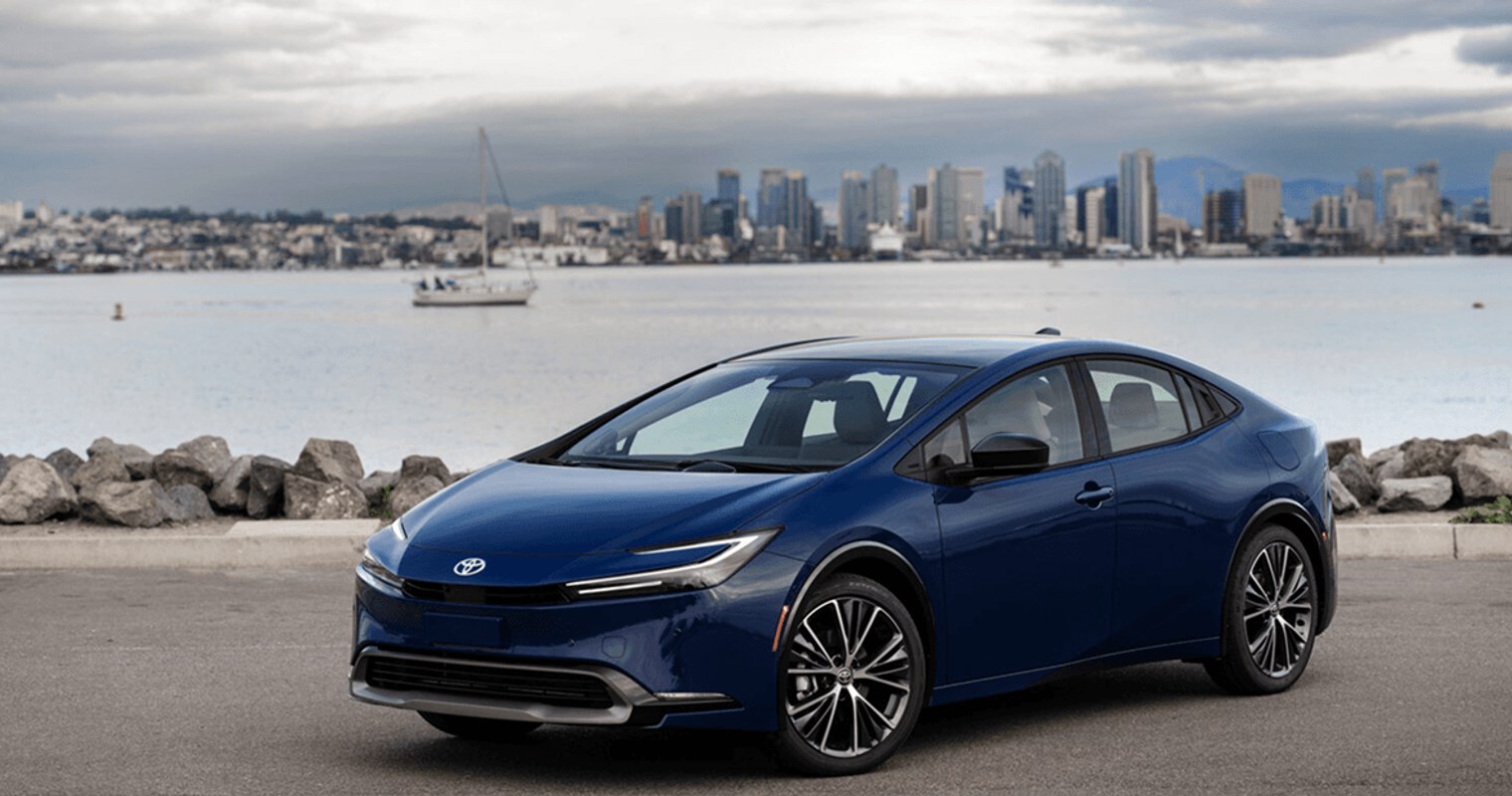
The Toyota Prius has been associated with fuel efficiency for decades, and the 2026 model continues to make a strong case for shoppers who want to use as little gasoline as possible.
With up to 57 MPG combined, it's one of the most efficient new cars you can buy without plugging it in.
That efficiency is especially attractive for people with long commutes or drivers who put substantial mileage on their vehicles every year.
The Prius is also more enjoyable to drive than older versions might lead you to expect. Its hybrid powertrain provides responsive acceleration, and the hatchback design makes it useful for groceries and luggage.
What shoppers should know: The sloping roofline affects rear headroom, and getting into the back seat may feel less comfortable than in a more upright sedan.
Best fit: High-mileage commuters who want to minimize fuel consumption without switching to an electric vehicle.
2. Hyundai Elantra Hybrid: Best for Affordable Hybrid Commuting
2026 Hyundai Elantra Hybrid
2026 Hyundai Elantra Hybrid
The Hyundai Elantra Hybrid is worth considering if you want excellent gas mileage without paying for a larger vehicle.
The most efficient version delivers up to 54 MPG combined.
For someone who drives to work every day, that can translate into fewer gas station visits and lower fuel spending over time.
The Elantra also offers a comfortable cabin and useful technology, making it a practical everyday car rather than simply a vehicle built to achieve a high MPG number.
What shoppers should know: The highest fuel economy rating belongs to the Hybrid Blue configuration. Other trims have different ratings, so compare the exact version you're considering.
Best fit: Commuters and budget-conscious shoppers who want strong efficiency in a compact sedan.
3. Kia Niro Hybrid: Best for Efficient Crossover Practicality
2026 Kia Niro Hybrid
2026 Kia Niro Hybrid
The Kia Niro Hybrid is a good option for shoppers who like the versatility of a small crossover but don't want to sacrifice much fuel economy.
With up to 53 MPG combined, it offers efficiency that comes close to some of the best hybrid sedans.
Its upright seating position and hatchback cargo area make it useful for errands, groceries, and everyday transportation.
The Niro can be particularly appealing if you prefer sitting a little higher than you would in a traditional compact car.
What shoppers should know: The Niro Hybrid is Front Wheel Drive only. If AWD is important, you'll need to consider another model.
Best fit: Drivers who want excellent gas mileage with a practical cargo area and a more upright seating position.
4. Toyota Camry: Best MPG Family Sedan
2026 Toyota Camry
2026 Toyota Camry
The Toyota Camry is a strong choice for shoppers who want better fuel economy without moving into a small car.
The 2026 Camry uses a hybrid powertrain across its lineup and achieves up to 51 MPG combined.
It offers a spacious cabin, comfortable ride and enough rear seat room for regular family use.
That makes it appealing for drivers who spend a lot of time commuting but still need room for passengers.
The Camry also offers available AWD, although those configurations have different fuel economy ratings.
What shoppers should know: The most efficient Camry isn't necessarily the one with the features or drivetrain you want. Compare MPG and equipment together before selecting a trim.
Best fit: Families and commuters who want excellent fuel economy in a comfortable midsize sedan.
5. Hyundai Sonata Hybrid: Best for Comfortable Highway Commuting
2026 Hyundai Sonata Hybrid
2026 Hyundai Sonata Hybrid
The Hyundai Sonata Hybrid is another strong option for drivers who want space and fuel efficiency.
Certain 2026 configurations achieve up to 51 MPG combined.
The Sonata offers a roomy interior, comfortable seats, and a driving experience well suited to longer commutes.
It's worth comparing directly with the Toyota Camry because both offer impressive efficiency without requiring shoppers to downsize to a compact sedan.
What shoppers should know: Fuel economy varies by trim, and the highest-rated version may not have every convenience feature you're looking for.
Best fit: Drivers who spend substantial time on the highway and want a comfortable, efficient sedan.
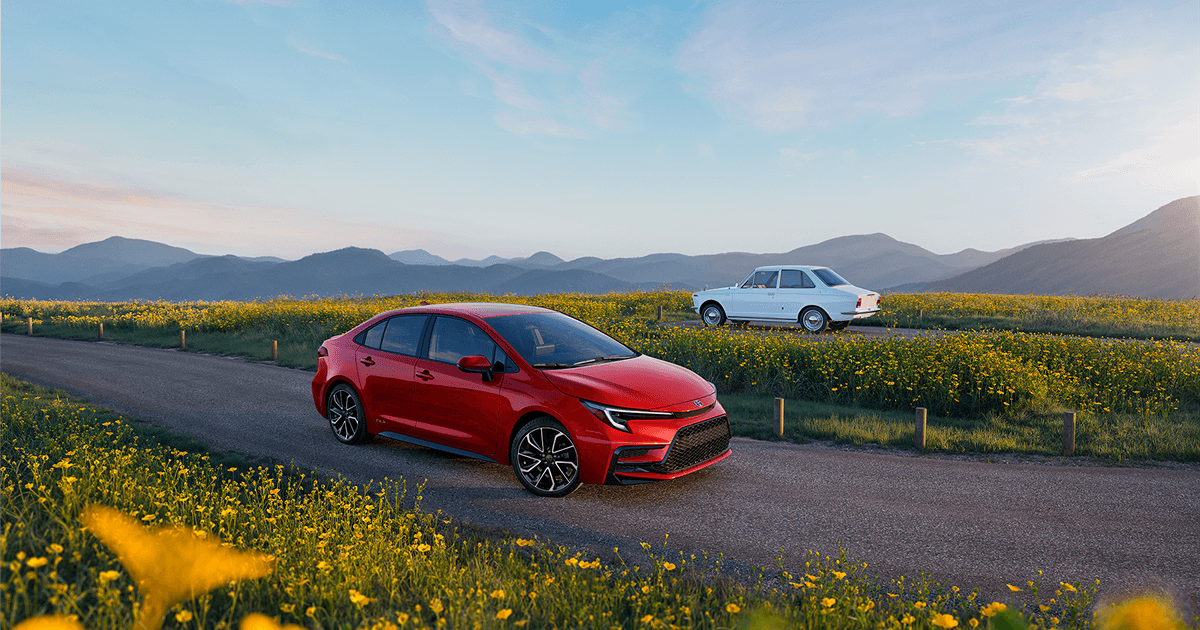
6. Toyota Corolla Hybrid: Best for Everyday Value
2026 Toyota Corolla Hybrid
2026 Toyota Corolla Hybrid
The Toyota Corolla Hybrid is an appealing option for shoppers who want to keep both their fuel spending and vehicle size under control.
It delivers up to 50 MPG combined and provides straightforward transportation without requiring a large budget.
Its compact dimensions make parking easier, especially in crowded areas.
The Corolla Hybrid is also worth considering for drivers who want a conventional hybrid without complicated charging requirements.
What shoppers should know: Rear passenger space and cargo capacity are more limited than in larger sedans. If you regularly carry adults in the back, compare it with the Camry or Accord.
Best fit: First-time buyers, commuters and shoppers who prioritize affordable everyday transportation.
7. Honda Civic Hybrid: Best for Driving Enjoyment
2026 Honda Civic Hybrid
2026 Honda Civic Hybrid
The Honda Civic Hybrid proves that a fuel-efficient car doesn't have to feel dull.
The sedan delivers up to 49 MPG combined while providing responsive acceleration and a comfortable driving experience.
It also offers a well-designed interior with controls that are relatively easy to use.
For shoppers who want a compact car that feels enjoyable on their daily commute, the Civic Hybrid deserves a test drive.
The hatchback version adds cargo flexibility, although its fuel economy rating differs from the sedan.
What shoppers should know: The hybrid costs more than some gasoline Civic configurations. Compare the price difference with your expected annual fuel savings.
Best fit: Drivers who want strong fuel economy without giving up responsive performance.
8. Honda Accord Hybrid: Best for Roomy Family Transportation
2026 Honda Accord Hybrid
2026 Honda Accord Hybrid
The Honda Accord Hybrid is worth considering if passenger comfort is just as important as fuel efficiency.
The most efficient 2026 configuration delivers up to 48 MPG combined.
Its spacious rear seat makes it especially useful for families and drivers who frequently carry adults.
The Accord also provides a comfortable ride and enough trunk space for luggage, groceries, and everyday needs.
It's a good example of why the highest MPG rating isn't always the most important factor.
A smaller car may use less fuel, but the Accord could be the better purchase if you need its extra room.
What shoppers should know: Not every Accord is a hybrid, and hybrid trim ratings vary. Make sure you're comparing the correct powertrain.
Best fit: Families and commuters who want a comfortable midsize sedan with low fuel consumption.
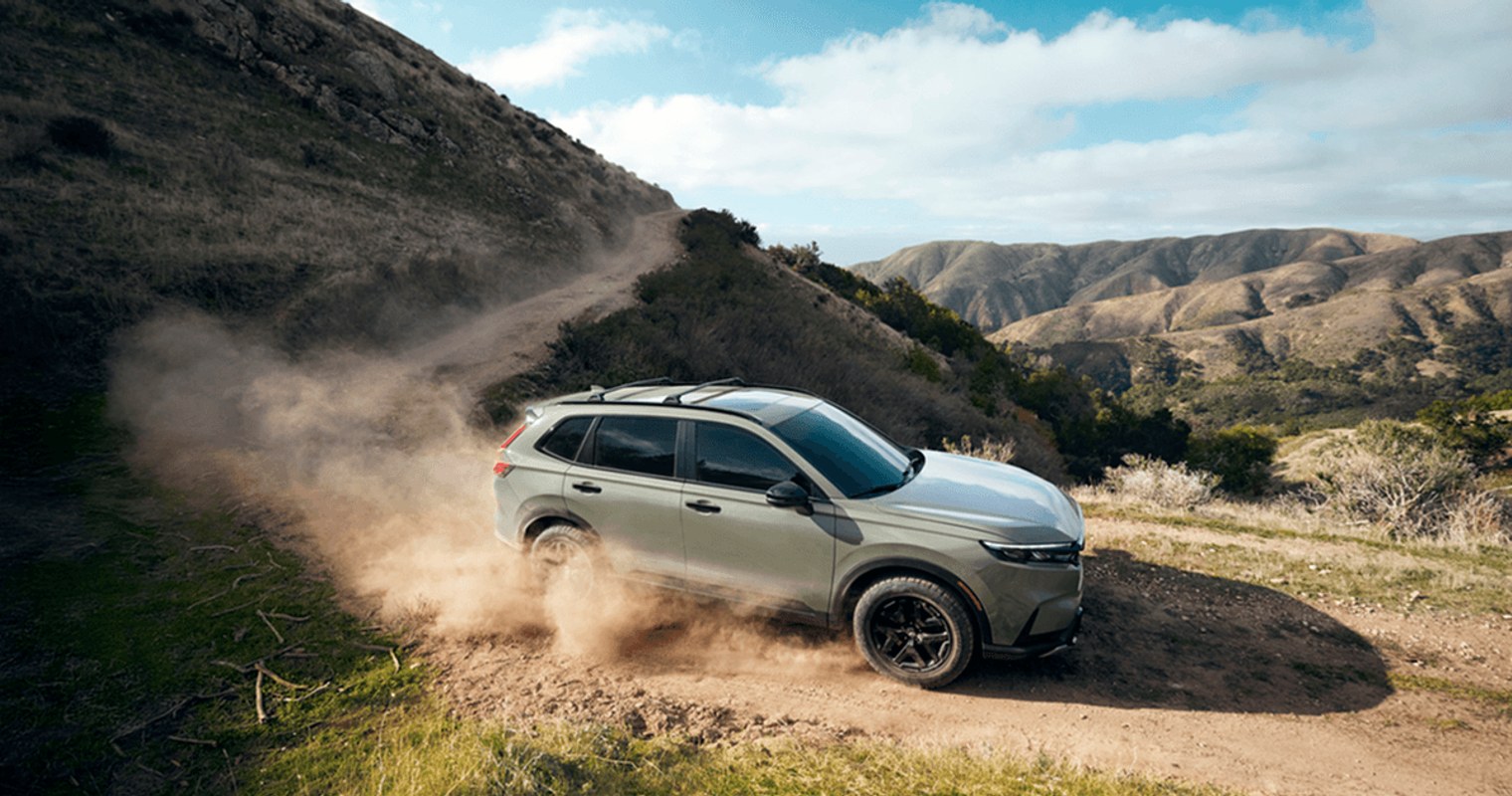
9. Toyota Corolla Cross Hybrid: Best MPG Small SUV for Value
2026 Toyota Corolla Cross Hybrid
2026 Toyota Corolla Cross Hybrid
The Toyota Corolla Cross Hybrid is a practical option for shoppers who want SUV versatility without moving into a larger, less efficient vehicle.
With up to 42 MPG combined, it offers strong fuel economy for a small SUV.
Its higher seating position, hatchback cargo area, and standard AWD make it useful for a variety of driving conditions.
The Corolla Cross Hybrid is especially appealing to shoppers who want something easier to park than a larger SUV.
What shoppers should know: Rear seat space and cargo capacity are more limited than in roomier compact SUVs. Bring your child seats or regular cargo items when evaluating it.
Best fit: Commuters and small households that want an efficient SUV with AWD.
10. Honda CR-V Hybrid: Best MPG SUV for Families
2026 Honda CR-V Hybrid
2026 Honda CR-V Hybrid
The Honda CR-V Hybrid is worth considering if you need more passenger and cargo space than a small crossover provides.
Certain Front Wheel Drive configurations deliver up to 40 MPG combined.
The CR-V offers a roomy rear seat, practical cargo area, and comfortable ride.
That makes it a good choice for families who want to reduce fuel consumption without sacrificing everyday usability.
It's also worth comparing with the Toyota RAV4 and Hyundai Tucson Hybrid before making a decision.
What shoppers should know: AWD versions have different fuel economy ratings. The CR-V Hybrid also costs more than smaller vehicles such as the Corolla Cross Hybrid.
Best fit: Families who want a practical SUV with better gas mileage than many conventional gasoline alternatives.
How Much Money Can Better MPG Actually Save You?
A vehicle that gets 50 MPG uses significantly less gasoline than one that gets 30 MPG.
But the amount you save depends on how much you drive and what gasoline costs where you live.
Consider someone who drives 15,000 miles per year with gasoline at $3.50 per gallon.
| Combined MPG | Gallons Per Year | Annual Fuel Cost |
|---|---|---|
| 25 MPG | 600 | $2,100 |
| 30 MPG | 500 | $1,750 |
| 40 MPG | 375 | $1,313 |
| 50 MPG | 300 | $1,050 |
| 55 MPG | 273 | $955 |
Illustrative calculations based on 15,000 annual miles and gasoline costing $3.50 per gallon. Actual expenses depend on driving conditions, local fuel prices and vehicle efficiency.
Moving from 30 MPG to 50 MPG saves approximately $700 annually in this example.
Over five years, that's around $3,500 before considering differences in vehicle purchase price, maintenance, insurance, and financing.
That is meaningful money, but it doesn't automatically justify paying an additional $6,000 for a more efficient vehicle.
The purchase price still matters.
Is a Hybrid Worth It for Better Gas Mileage?
A hybrid can be worth the additional cost, particularly if you drive a lot or spend considerable time in city traffic.
Conventional hybrids use a gasoline engine and electric motor together. They recharge their batteries through the engine and regenerative braking, so you don't need to plug them in.
They can be particularly efficient in stop-and-go driving.
However, the financial benefit depends on the actual price difference between the hybrid and gasoline versions.
For example, if a hybrid costs $2,000 more and saves $500 per year in fuel, the simple fuel savings payback period is approximately four years.
That calculation doesn't include financing, maintenance, insurance, or resale value differences, but it gives you a starting point.
If you plan to keep the car for eight years, the hybrid may make financial sense. If you replace your vehicle every two years, the decision may be different.
Does City or Highway MPG Matter More?
That depends on where you drive.
If your commute involves traffic lights, congestion, and frequent stops, pay close attention to the city MPG rating.
If you regularly travel long distances on highways, highway MPG may be more relevant.
The EPA combined MPG rating blends city and highway driving and provides a useful starting point for comparing vehicles.
However, your actual results can differ based on speed, temperature, traffic, driving habits, and vehicle condition.
Hybrids can perform particularly well in city driving because regenerative braking recovers some energy during deceleration.
Should You Buy a Gasoline Car or Hybrid?
If you're trying to spend as little as possible upfront, a gasoline car may be the better fit.
Some conventional gasoline vehicles still achieve respectable fuel economy without the additional cost of a hybrid powertrain.
If you drive substantial mileage, a hybrid may provide enough fuel savings to justify the higher purchase price.
The best way to compare them is to calculate total costs over the time you expect to own the vehicle.
Consider the purchase price, financing, insurance, maintenance, fuel, and expected resale value.
Avoid choosing a car solely because its window sticker shows a higher MPG number.
What About Plug-in Hybrids and Electric Vehicles?
Plug-in hybrids and fully electric vehicles can reduce gasoline use even further, but their efficiency ratings require a different comparison.
A plug-in hybrid can travel using electricity for a certain distance before relying more heavily on gasoline.
If you charge regularly and mostly drive short distances, you may use very little gasoline.
If you rarely charge, the vehicle's gasoline-only efficiency becomes more important.
Fully electric vehicles don't use gasoline, so they are rated in MPGe rather than conventional MPG.
For shoppers interested in eliminating gasoline use, our Best Electric Vehicles in 2026 guide covers EVs based on range, charging, practicality, and value.
How Can You Get Better MPG From Your Current Car?
You don't necessarily need to purchase another vehicle to improve fuel economy.
A few driving and maintenance habits can help:
Keep your tires inflated to the manufacturer's recommended pressure.
Avoid unnecessary hard acceleration and braking.
Remove heavy cargo you don't regularly need.
Keep up with scheduled maintenance.
Reduce unnecessary idling.
Use cruise control when appropriate on open highways.
Avoid carrying roof racks or cargo boxes when they aren't needed.
Your driving habits can make a noticeable difference, particularly on longer commutes.
Which MPG Car Should You Buy in 2026?
If your main goal is to use as little gasoline as possible, the Toyota Prius is the strongest starting point.
The Hyundai Elantra Hybrid and Toyota Corolla Hybrid are appealing for shoppers who want excellent fuel economy in a relatively affordable compact car.
For drivers who want more space, the Toyota Camry, Hyundai Sonata Hybrid, and Honda Accord Hybrid offer impressive efficiency without giving up midsize sedan comfort.
If you prefer an SUV, start with the Kia Niro Hybrid or Toyota Corolla Cross Hybrid. The Honda CR-V Hybrid is worth the extra consideration if your family needs more room.
Before buying, compare the exact trim's EPA rating, purchase price, and total ownership costs.
The car with the best MPG isn't always the car that saves you the most money.