A low sticker price does not necessarily make a car inexpensive to own.
If you plan to keep your next vehicle for years, fuel, insurance, maintenance, repairs, depreciation, and eventually resale value all become part of what that car really costs you.
That is why shoppers focused on reliability and ownership costs often end up looking at familiar names such as the Toyota Corolla, Honda Civic, Toyota Camry, Honda Accord, Honda CR-V, Toyota RAV4, and Subaru Crosstrek. These vehicles approach value differently, so the best choice depends on how much space and capability you actually need.
The Corolla is an easy place to start if keeping costs down is the main goal. A CR-V or RAV4 makes more sense if you genuinely need SUV space. The Crosstrek brings standard All Wheel Drive into the conversation.
None of them comes with a guarantee of trouble-free ownership. Reliability can vary by model year, powertrain, maintenance history, and even the individual vehicle. The better strategy is to look at the whole ownership picture rather than buying on reputation alone.
What Makes a Car Affordable to Own?
Purchase price matters, but it is only the first expense.
Over several years, you will also pay for some combination of:
Fuel
Insurance
Maintenance
Repairs
Tires
Registration
Financing
Depreciation
How much each one matters depends on the driver.
Someone covering 20,000 miles a year should pay close attention to fuel economy. Someone who drives 6,000 miles may care more about purchase price and insurance. A shopper planning to keep a car for 10 years has a different ownership calculation than someone who expects to trade it after 3.
Start with the vehicle you actually need, then compare what it will cost to live with.
Best Cars for Reliability and Low Ownership Costs
These are not ranked from most reliable to least reliable. Instead, each earns a place for a slightly different type of shopper.
Model
Best For
Why It Made the List
Toyota Corolla
Overall value
Low starting price and strong efficiency
Honda Civic
Everyday driving
Efficient without feeling overly basic
Toyota Camry
Midsize efficiency
Standard hybrid power
Honda Accord
More passenger space
Roomy sedan with gas and hybrid choices
Honda CR-V
Practical SUV
Useful space without moving to a large SUV
Toyota RAV4
Efficient SUV
Hybrid lineup with strong fuel economy
Subaru Crosstrek
AWD value
Standard all wheel drive at a manageable price
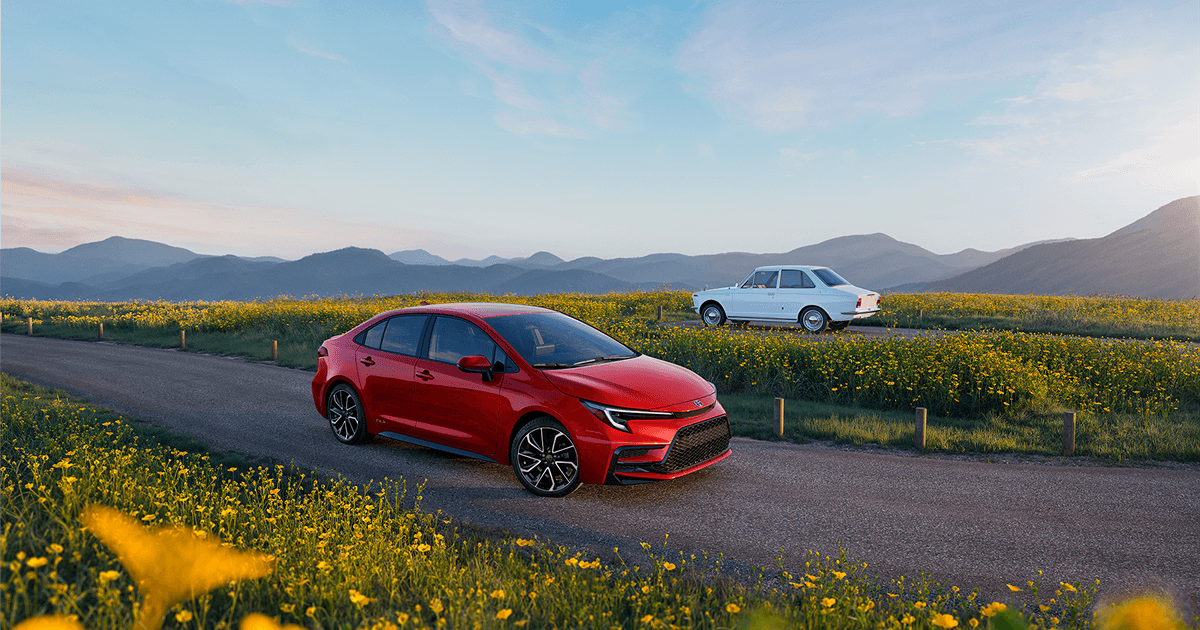
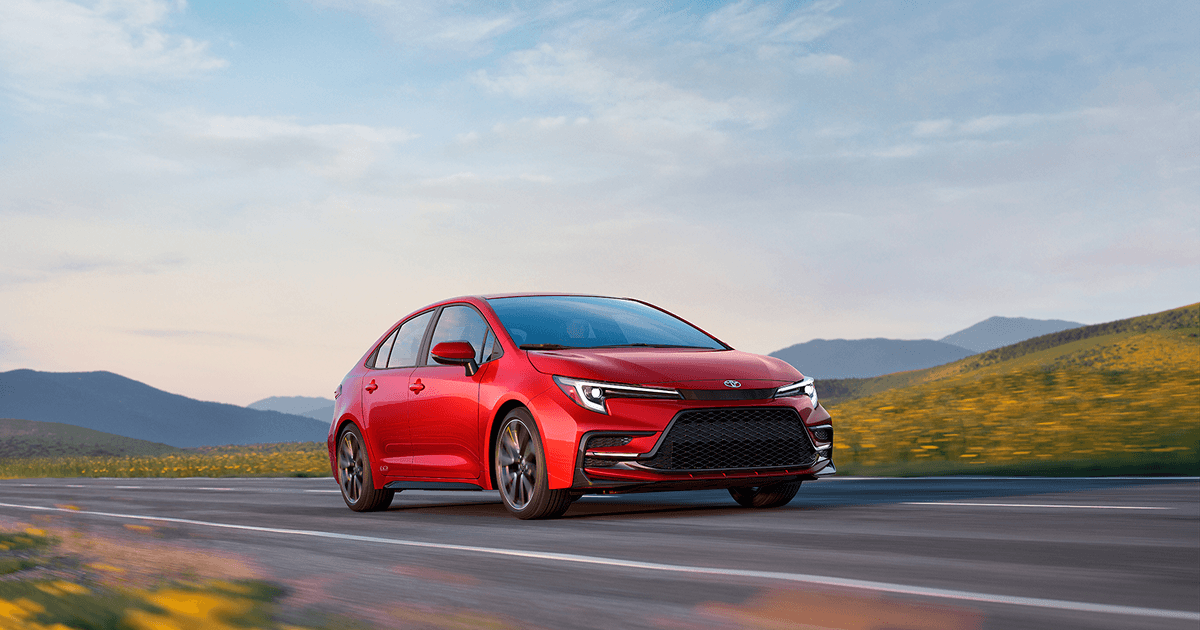
Toyota Corolla 2027
1. Toyota Corolla
If the goal is straightforward, economical transportation, start here.
The 2026 Corolla LE starts at $23,125 and is rated at an estimated 32 mpg city and 41 mpg highway. The Corolla Hybrid LE starts at $24,975 and raises the estimates to 53 mpg city and 46 mpg highway.
Those numbers make the Corolla interesting before you ever get into its reputation.
You can buy one without starting near $30,000; the gas version is already efficient, and the hybrid does not require an enormous jump in starting price.
The Corolla also works particularly well for shoppers who do not need much vehicle. If most of your driving consists of commuting, errands, and carrying a few passengers, paying thousands more for additional size may not improve your life very much.
There are nicer and faster cars. There are certainly larger ones. But when keeping the financial side of ownership simple is the priority, the Corolla makes a convincing case.
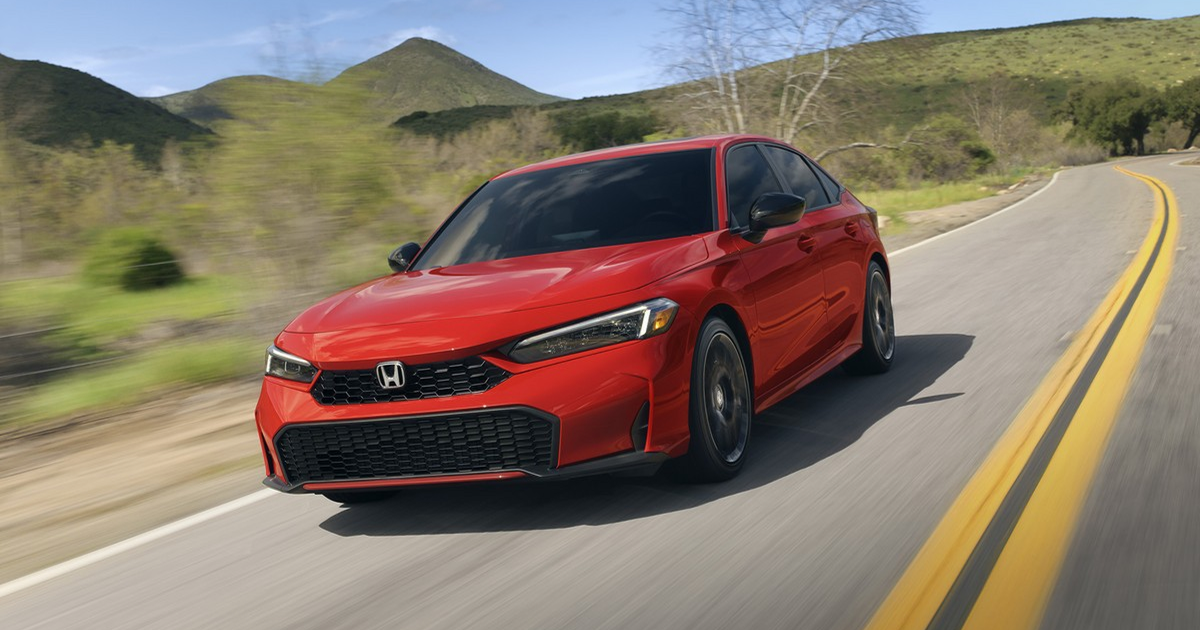
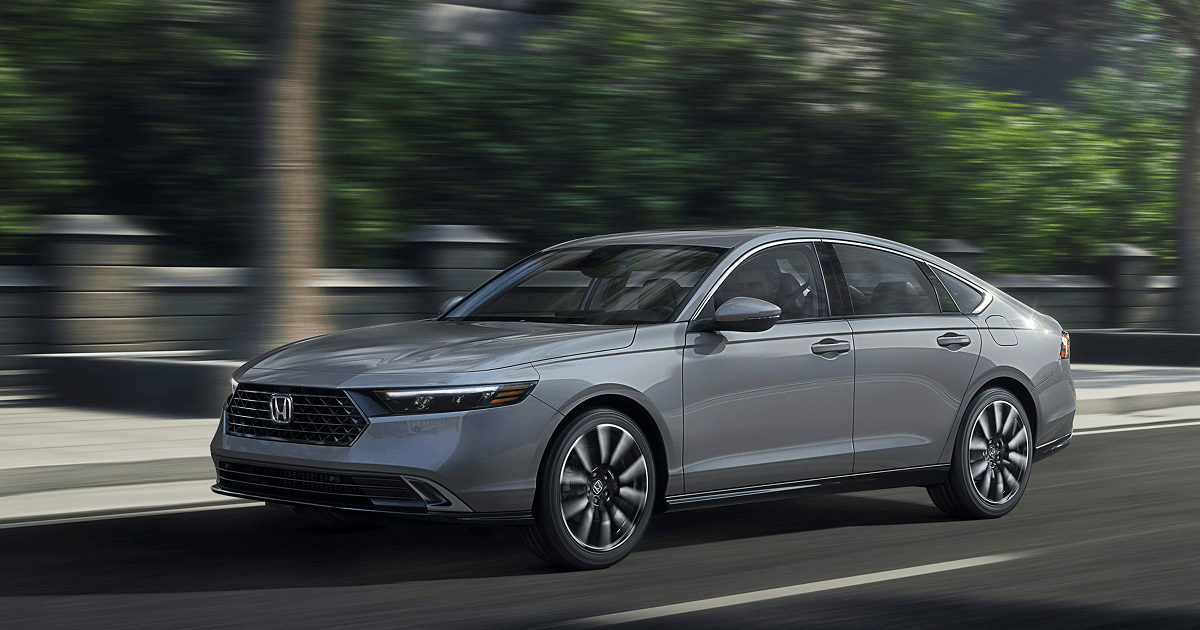
2026 Honda Civic
2. Honda Civic
The Civic is for the shopper who wants to be sensible without choosing a car solely because it is sensible.
The 2026 Civic Sedan starts at $24,695. The LX is rated at 32 mpg city and 41 mpg highway, while the available Civic Sedan Hybrid reaches 50 mpg city and 47 mpg highway.
That puts the Civic in much of the same conversation as the Corolla, but the 2 do not necessarily appeal to the same buyer.
The Civic is worth a look if you want an efficient compact that still feels like a car you chose rather than the default economical option. There are also sedan and hatchback body styles available, which gives shoppers more flexibility.
You do not need the hybrid to get good fuel economy either. At 32 mpg city and 41 mpg highway, the base sedan already has a strong argument for someone trying to control fuel costs without spending more upfront for an electrified powertrain.
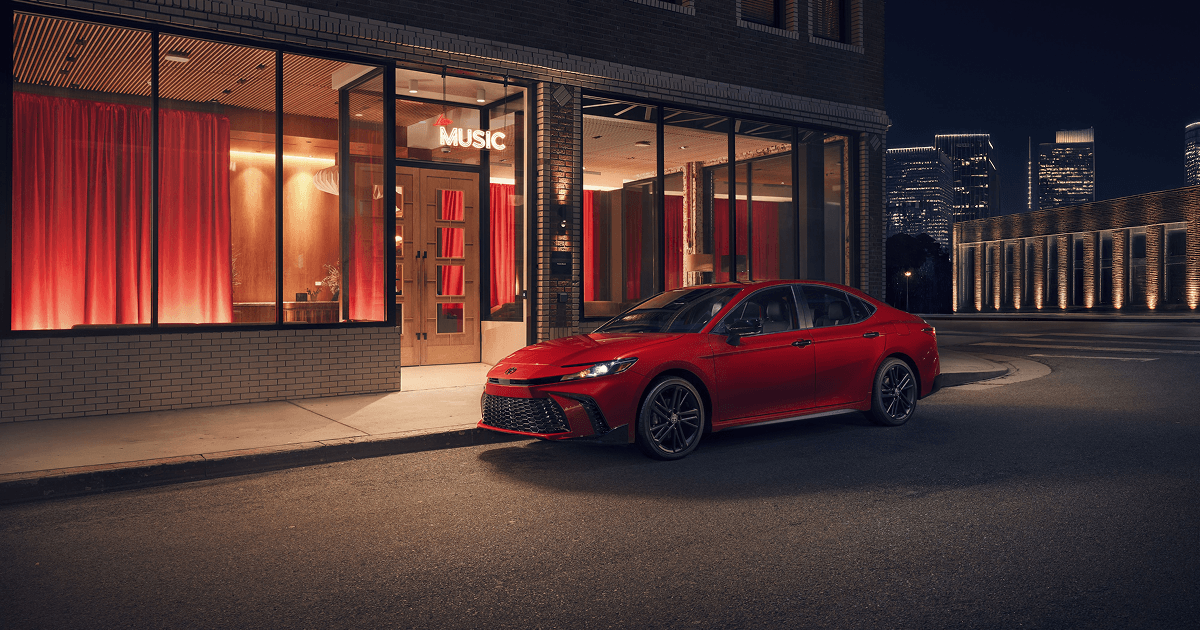
Toyota Camry 2026
3. Toyota Camry
The Camry makes this list for a simple reason: not everybody who wants to keep ownership costs reasonable wants a compact car.
The 2026 Camry starts at $29,600, and the lineup is hybrid. The LE is rated at an estimated 52 mpg city and 49 mpg highway.
That is an appealing combination if you want more passenger room than a Corolla provides but still care about how much fuel you will use over the next several years.
There is an important cost decision here, though.
If a Corolla comfortably fits your life, moving up to a Camry means spending more money to get more car. For someone regularly carrying adults or spending hours on the highway, that may be money well spent. For a solo commuter, maybe not.
The Camry is not the cheapest option on this list. It is the option for someone who wants midsize comfort without giving up the efficiency that makes a smaller car attractive.
2026 Honda Accord
4. Honda Accord
The Accord gives shoppers another way to move up from a compact without moving into an SUV.
The 2026 Accord starts at $28,395. The standard model is rated at 29 mpg city and 37 mpg highway, while the Accord Hybrid starts at $33,795 and is rated at up to 46 mpg city and 41 mpg highway.
For long term ownership, the Accord makes the most sense when you will use its extra room.
Maybe you regularly have adults in the back seat. Maybe you spend a lot of time on longer drives and simply prefer the space of a midsize sedan. In those situations, the additional purchase price over a Civic can be easier to justify.
The availability of both gas and hybrid power also lets you decide how much you want to spend upfront for additional efficiency.
If you drive relatively little, the gas model may be enough. If your annual mileage is high, compare the hybrid price difference against the fuel you realistically expect to save.
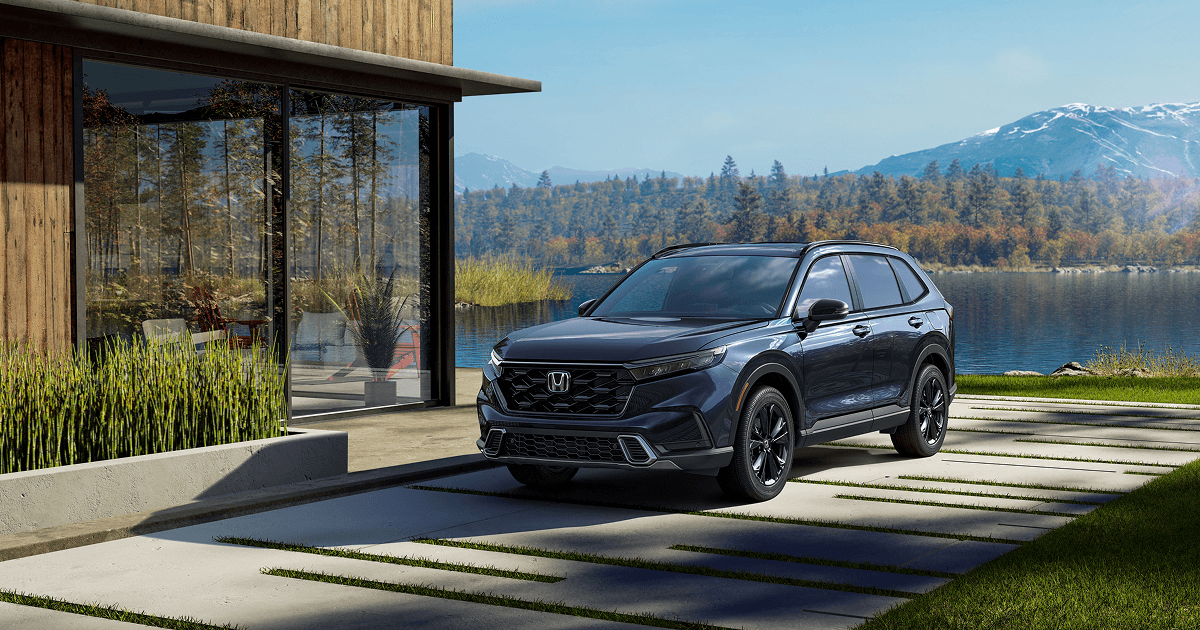
2026 honda cr-v
5. Honda CR-V
Once an SUV becomes part of the requirement, the ownership cost conversation changes.
You are generally starting with a higher purchase price than a compact sedan, so it becomes more important to buy the amount of SUV you actually need.
The 2026 CR-V starts at $30,920. The gas version is rated at up to 28 mpg city and 33 mpg highway, while the CR-V Hybrid starts at $35,630 and reaches up to 43 mpg city and 36 mpg highway.
That gives shoppers a fairly straightforward choice.
If you want the CR-V's space but do not drive enough to make fuel consumption a major expense, the gas model keeps the starting price lower. Higher mileage drivers may find the hybrid more interesting, particularly if much of that driving happens around town.
Either way, you get SUV practicality without paying for the size and fuel needs of a 3-row model you may never use.
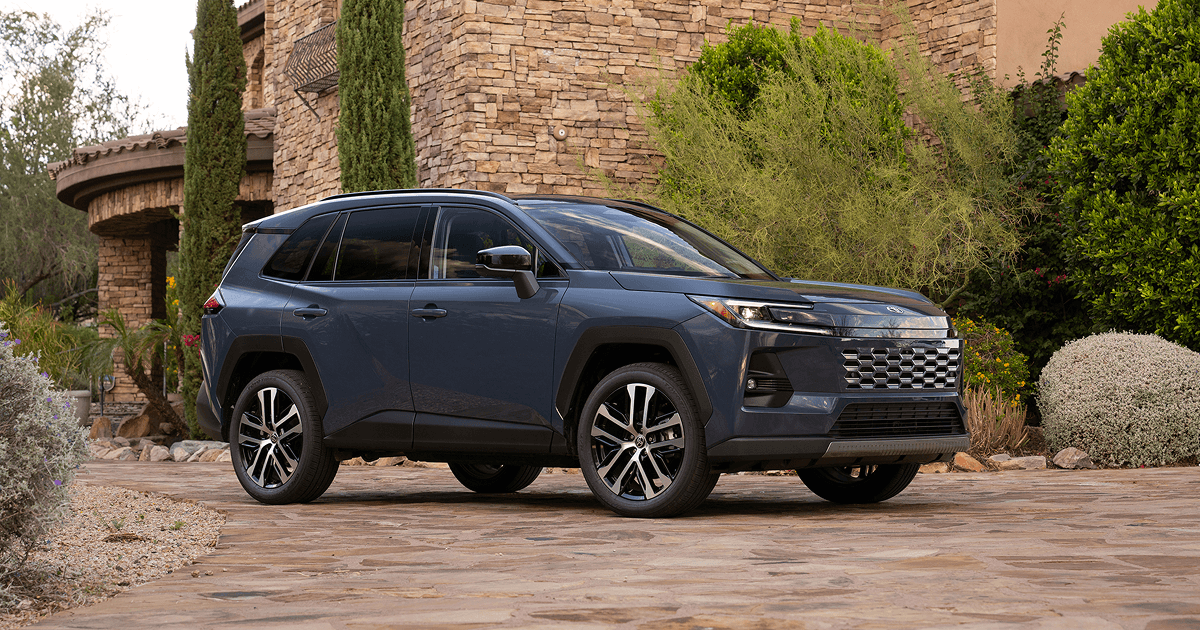
2026 Toyota Rav4
6. Toyota RAV4
For 2026, the RAV4 gives efficiency-focused SUV shoppers a different proposition because the lineup now centers on hybrid power.
The RAV4 LE starts at $31,900 and carries an estimated rating of 47 mpg city and 40 mpg highway.
Those are notable numbers for someone who needs an SUV but still wants fuel costs to remain a major part of the buying decision.
The RAV4 also illustrates why trim selection matters so much when ownership cost is the priority.
The LE gets you into the lineup at $31,900. Move through the higher trims and pricing climbs quickly. You may love the additional equipment, and there is nothing wrong with paying for features you will enjoy. Just remember that the underlying reason you started looking at the RAV4 was probably practicality and efficiency.
You do not have to buy the most expensive version to get those qualities.
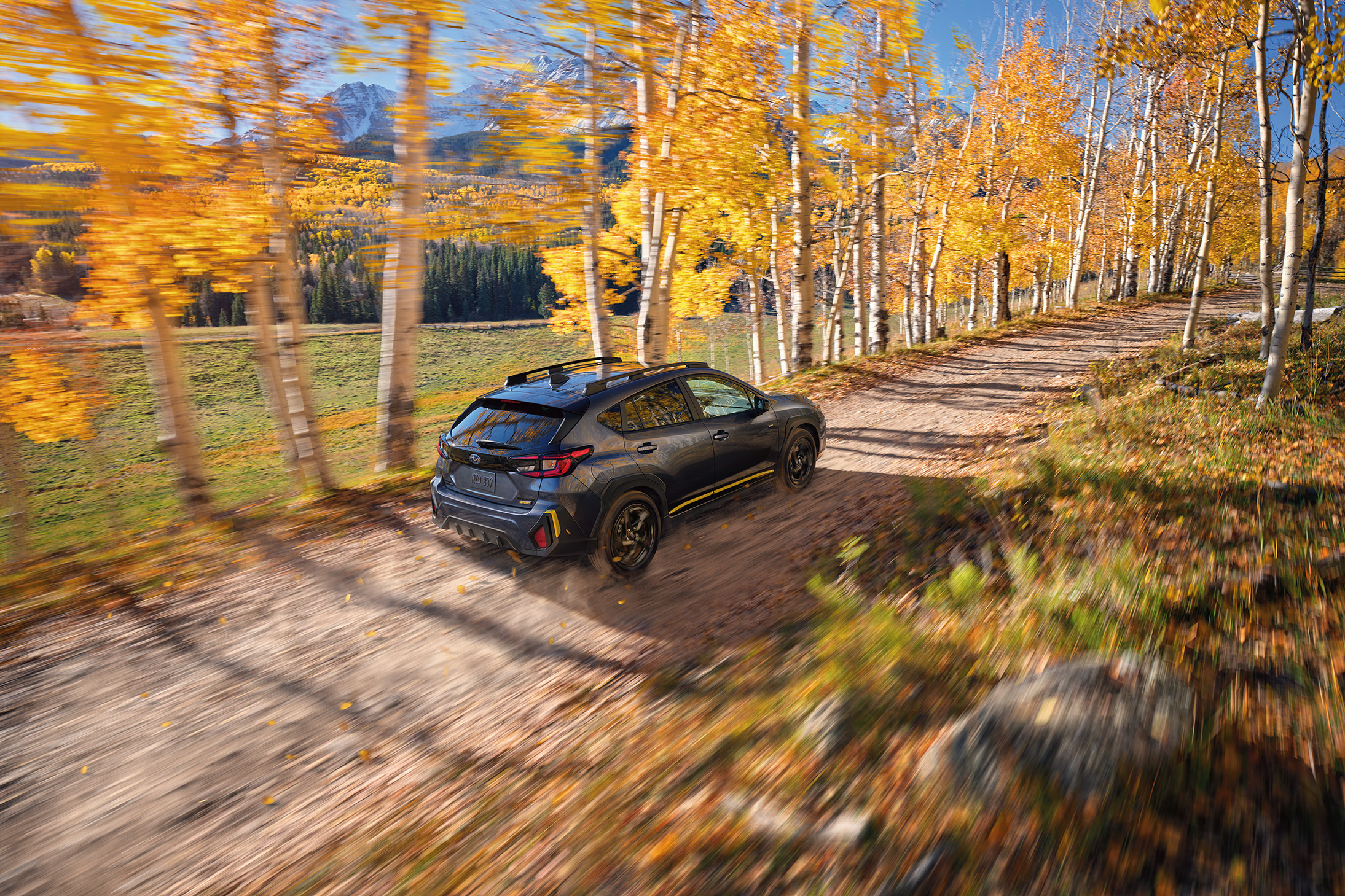
2027 Subaru Crosstrek
7. Subaru Crosstrek
The Crosstrek has a more specific job on this list.
It is for the shopper who wants to keep costs reasonable but also has a legitimate use for All Wheel Drive.
The 2026 Crosstrek starts at $26,995 and comes standard with Subaru Symmetrical All Wheel Drive. Gas models are rated at up to 26 mpg city and 33 mpg highway, while the available hybrid reaches 36 mpg city and 36 mpg highway.
That starting price is what makes the Crosstrek particularly interesting.
You get standard All Wheel Drive without immediately moving into a larger, more expensive SUV. For drivers dealing with regular snow, unpaved roads, or conditions where the added traction is useful, that can be a practical trade.
If you live somewhere that rarely gives you a reason to use All Wheel Drive, a Corolla or Civic will probably be the more economical answer. The Crosstrek earns its place when the extra capability is something you will actually use.
Is a Sedan or SUV Cheaper to Own?
If either body style works for you, start by looking at the sedan.
A 2026 Corolla starts at $23,125. A 2026 CR V starts at $30,920. A 2026 RAV4 starts at $31,900.
That is a meaningful difference before you account for financing, insurance, tires, or fuel.
SUVs can absolutely be worth paying more for. Cargo space, a higher seating position, available All Wheel Drive, and additional passenger flexibility may make an SUV much better suited to your household.
The mistake is assuming you need one simply because SUVs are popular.
Think about what ends up in your car during a normal week. If a compact sedan handles it comfortably, that is difficult to ignore when low ownership cost is the goal. If you are constantly folding seats, loading bulky cargo, or wishing for more room, the extra cost of an SUV starts to make more sense.
Is a Hybrid Worth It if You Want to Save Money?
Sometimes the answer is obvious. Sometimes it is not.
Take the Corolla.
The 2026 Corolla LE starts at $23,125, while the Hybrid LE starts at $24,975. The gas model is rated at 32 mpg city and 41 mpg highway. The Hybrid LE is rated at 53 mpg city and 46 mpg highway.
The hybrid costs more upfront, but the difference is relatively modest and the city fuel economy improvement is substantial.
Now think about 2 drivers.
One drives 18,000 miles a year through heavy commuter traffic. The other works from home and covers 5,000 miles annually.
The same hybrid will not have the same financial value to both of them.
Rather than assuming hybrid equals cheaper, estimate your annual mileage, look at the type of driving you do, and compare the price difference. Fuel savings become much more meaningful when you give them enough miles and years to accumulate.
How Much Does Trim Level Matter?
A lot, especially when you started shopping because you wanted an inexpensive car to own.
The 2026 Corolla is a good example again.
The LE starts at $23,125. The XSE starts at $28,840.
You are still buying a Corolla, but there is more than $5,000 between the starting prices.
Higher trims can also bring larger wheels and more expensive tires along with the comfort, technology, appearance, and convenience upgrades you are paying for.
This does not mean everyone should buy the base model.
A feature you use every day can easily be worth paying for. Heated seats may matter where you live. A power liftgate may be genuinely useful. You may simply enjoy a nicer interior enough to justify the expense.
The question is whether you are paying for features you value or moving up trims because the more expensive one happens to be sitting in front of you.
For a cost focused shopper, a lower or middle trim often deserves the first look.
Does Buying a Reliable Car Mean You Will Avoid Repairs?
No.
Reliability is about reducing risk, not eliminating maintenance and repairs from car ownership.
Every vehicle has wear items. Tires eventually need replacing. Batteries age. Brakes wear. Fluids and filters need attention. As a vehicle gets older, other components can require repair too.
There is also no way to know exactly how an individual new car will behave over the next 10 years.
That is why broad brand reputation should only be the beginning of your research.
Look at the specific model, model year, powertrain, recalls, warranty coverage, maintenance schedule, and any significant changes that have recently been made to the vehicle.
Used cars require another layer of homework. Maintenance records, mileage, accident history, current condition, and a pre purchase inspection can tell you things that a model's reputation cannot.
A well maintained used car is a very different purchase from an abused example of the exact same model.
Is New or Used Better for Low Ownership Costs?
Used cars have an obvious advantage: someone else has already owned them.
That can mean a lower purchase price and less exposure to the earliest years of depreciation.
But there are cases where buying new makes sense too.
You get full new vehicle warranty coverage, know the car's history from the beginning, and may have access to manufacturer financing or incentives that change the cost comparison.
The important number is the actual gap between the 2 vehicles you are considering.
If a lightly used model costs only a little less than a comparable new one, the new vehicle may deserve a closer look. If the used example represents a substantial savings and has been well maintained, the calculation changes.
Do not buy used simply because you have heard that used cars are always the smarter financial decision. Compare the actual cars and actual prices available to you.
How Long Should You Keep a Car to Lower Ownership Costs?
If you buy a car because you want low ownership costs and then replace it every few years, you are working against part of your own strategy.
A vehicle can become particularly valuable financially once the loan is gone.
Say you finance a car for 5 years and keep it for 9. That gives you several years when there is no monthly loan payment.
You will still have expenses. An older vehicle may need more maintenance and occasional repairs, and insurance, registration, tires, and fuel do not disappear.
But a $1,000 repair on a paid off car is not automatically a reason to replace it with another $500 or $600 monthly payment.
Look at the cost of keeping the vehicle against the cost of replacing it.
This is also why choosing the right size at the beginning matters. A car you outgrow after 2 years never gets the chance to become a great long term value.
What Should You Check Before Buying a Car for Long Term Ownership?
Start with the specific car, not simply the badge on the hood.
Check:
Purchase price
Fuel economy
Insurance quote
Warranty coverage
Maintenance schedule
Tire size and replacement cost
Reliability history
Recalls
Resale value
Expected annual mileage
Then think about your own plans.
Will this vehicle still have enough passenger and cargo space 5 years from now? Are you paying for capability you rarely use? Would the hybrid save enough fuel based on your mileage? Can you comfortably afford the payment without stretching the loan unnecessarily?
Those questions are less exciting than horsepower or screen size, but they have much more to do with whether a vehicle feels affordable several years after you buy it.
What Is the Best Car to Keep for 10 Years?
There is no car that can promise you 10 trouble free years.
A better question is whether the vehicle is one you can realistically see yourself keeping that long.
The Corolla and Civic are easy recommendations for shoppers whose needs are unlikely to change much. The Camry and Accord give you additional room that may make them easier to live with as circumstances change. If an SUV is already necessary, a CR V or RAV4 may prevent you from needing something larger later.
Then maintenance becomes part of the plan.
Follow the manufacturer's service schedule, address problems rather than letting them accumulate, keep records, and take care of the vehicle.
Buying a model with a good track record helps. Keeping it in good condition is what gives that reputation a chance to matter.
How AutoFinder Helps You Shop for a Car You Can Keep
Once you have a shortlist, the next question is what you can actually buy.
AutoFinder lets you search dealer inventory and compare vehicles by make, model, price, trim, features, and other details that matter to your purchase.
For a shopper focused on ownership costs, comparing trims can be just as useful as comparing models.
You may find that the lower trim has everything you need and saves thousands upfront. You may find a hybrid priced close enough to the gas version to make the fuel savings more appealing. Or you may decide that spending a little more for the SUV you actually need makes more sense than buying a smaller car you are likely to replace.
Once you find a vehicle that fits, AutoFinder can connect you with the dealership to discuss availability, pricing, financing, trade ins, and next steps.
The goal is not necessarily to find the cheapest car. It is to find one that makes financial sense now and still makes sense several years from now.
Final Thoughts
If reliability and low ownership costs matter most, the Toyota Corolla and Honda Civic are 2 of the strongest places to begin your search. They keep the starting price relatively manageable, deliver strong fuel economy, and may be all the vehicle many shoppers actually need.
The list changes once your needs change.
The Camry and Accord give you more room without requiring an SUV. The CR V and RAV4 bring more cargo flexibility for households that need it. The Crosstrek is particularly interesting if standard all wheel drive solves a real problem for you.
From there, resist the temptation to shop on reputation alone.
Look at the specific model and trim. Get an insurance quote. Compare gas and hybrid pricing against your actual mileage. Think about tire costs, maintenance, financing, and how long you realistically expect to keep the car.
A dependable vehicle that fits your life and your budget is much easier to keep.
And keeping a good car for years, especially after you have finished paying for it, can be one of the simplest ways to make car ownership cost less.
Frequently Asked Questions
There is no single car that will be the cheapest and most reliable for every owner. The Toyota Corolla and Honda Civic are strong starting points because they combine relatively accessible prices with good fuel economy. Maintenance and repair costs will still vary based on the model year, mileage, driving conditions, maintenance history, location, and individual vehicle.