Top Picks
Best Electric Vehicles in 2026: 10 EVs Worth Buying
OVERVIEW
The best electric vehicle is not necessarily the one that travels the farthest on a charge. It's the one that fits your daily driving, your budget, and the way you plan to charge it.
An electric SUV with 300 miles of range might sound perfect until you discover that it costs more than you planned to spend. A smaller EV could save you thousands, but feel cramped once you install a child seat or load luggage for a weekend trip.
Charging deserves just as much attention. If you can plug in at home, owning an EV can be surprisingly straightforward. If you depend on public chargers, charging speed, station availability, and your normal driving routes become much more important.
For 2026, the Hyundai Ioniq 5 is our best overall electric vehicle because it combines useful range, quick charging, a comfortable interior, and everyday practicality. The Chevrolet Equinox EV is a compelling value, the Tesla Model Y deserves consideration for its charging convenience, and the Kia EV9 stands out for families who need three rows.
Here are ten electric vehicles worth comparing before you buy.
What Are the Best Electric Vehicles in 2026?
| Electric vehicle | Best for | What to consider |
|---|---|---|
| Hyundai Ioniq 5 | Best overall | Cargo space and range vary by version |
| Tesla Model Y | Charging convenience | Touchscreen centered controls |
| Chevrolet Equinox EV | Value and range | No Apple CarPlay or Android Auto |
| Tesla Model 3 | Electric sedan shoppers | Low seating position and limited hatchback utility |
| Kia EV9 | Families needing three rows | Higher purchase price |
| Nissan Leaf | Affordable electric transportation | Smaller cabin and charging differences by trim |
| Hyundai Ioniq 9 | Family road trips | Large footprint and price |
| Kia EV6 | Sporty everyday driving | Less upright cargo space |
| Ford Mustang Mach-E | Driving enjoyment | Rear visibility and trim pricing |
| Lucid Air | Long distance luxury | Expensive and specialized ownership experience |
Each vehicle earns its place for a different reason. The Model 3 and EV9 are not direct competitors, and a shopper who needs three rows should not be comparing them as though they are.
Start with the type of vehicle you need, then narrow your choices based on charging, range and total cost.
1. Hyundai Ioniq 5: Best Electric Vehicle Overall
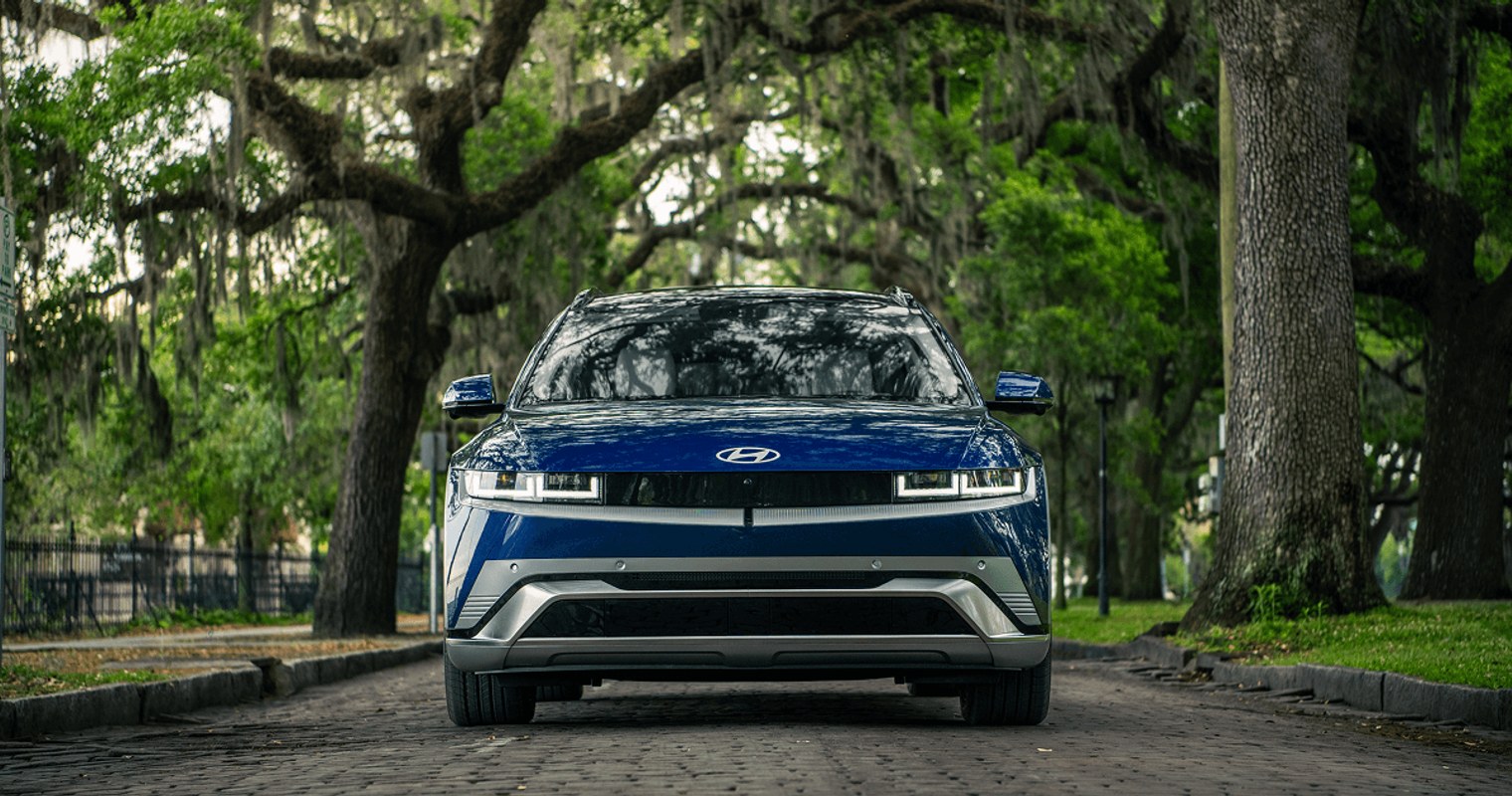
2026 Hyundai Ioniq 5
2026 Hyundai Ioniq 5
The Hyundai Ioniq 5 gets many of the details right that matter after the excitement of buying an electric car wears off.
It has a roomy cabin, comfortable seating, and a layout that makes everyday driving feel uncomplicated. The rear seats offer useful space, and the hatchback design works well for groceries, luggage, and other regular cargo.
Its strongest advantage is the combination of range and fast charging capability. Depending on configuration, the 2026 Ioniq 5 offers EPA estimated range figures from approximately 245 to 318 miles.
That makes it practical for commuting while providing enough flexibility for longer drives.
The Ioniq 5 also supports high-power DC fast charging, although actual charging performance depends on the charger, battery temperature, and other conditions.
What shoppers should know: Not every Ioniq 5 has the same battery or driving range. Check the exact trim and drivetrain before comparing prices. The performance-oriented Ioniq 5 N is a substantially different purchase from a regular Ioniq 5.
Best fit: Drivers who want one electric vehicle that handles commuting, errands, and road trips comfortably.
2. Tesla Model Y: Best for Charging Convenience
2026 Tesla Model Y
2026 Tesla Model Y
The Tesla Model Y remains an important vehicle to consider, particularly for shoppers who expect to take longer trips.
Tesla's integrated charging experience is a major advantage. Route planning, charging station information, and vehicle charging functions work together in a way that can make longer journeys easier to manage.
The Model Y also offers a practical cargo area, useful passenger space and strong efficiency.
For someone switching from a gasoline SUV, it can provide much of the everyday versatility they already enjoy without requiring a dramatic change in vehicle size.
The interior is where shoppers tend to have stronger preferences.
Tesla places many functions in its central touchscreen, which may feel natural to some drivers and frustrating to others.
What shoppers should know: Spend time using the controls before buying. Also compare the specific version's range, drivetrain, and equipment rather than assuming every Model Y is configured the same way.
Best fit: Drivers who frequently travel beyond their home charging range and value an integrated charging experience.
3. Chevrolet Equinox EV: Best Electric SUV for Value
2026 Chevrolet Equinox EV
2026 Chevrolet Equinox EV
The Chevrolet Equinox EV is worth a close look if you want an electric SUV without paying luxury vehicle prices.
It offers a roomy interior, useful range, and an approachable driving experience.
The 2026 Front Wheel Drive version offers up to an EPA-estimated 319 miles of range, while AWD versions trade some efficiency for additional traction and performance.
That makes the Equinox EV particularly interesting for drivers who want enough range for occasional longer trips without paying for the most expensive electric SUV on the market.
The cabin has a large central display and available driver assistance features, including Super Cruise on appropriately equipped vehicles.
What shoppers should know: Apple CarPlay and Android Auto are not offered. If smartphone integration is important to you, try the built-in system during your test drive.
Best fit: Budget-conscious shoppers who want a practical electric SUV with substantial driving range.
4. Tesla Model 3: Best Electric Sedan
2026 Tesla Model 3
2026 Tesla Model 3
Not everyone needs an SUV.
The Tesla Model 3 is a strong option for drivers who prefer a lower seating position, efficient highway driving, and a car that is easy to maneuver.
It offers competitive range, responsive acceleration, and access to Tesla's integrated charging network.
Its relatively compact shape can also be appealing for commuters who regularly park in crowded lots or garages.
The biggest reason to choose the Model 3 over a Model Y is personal preference. Some drivers simply prefer how a sedan sits and drives.
What shoppers should know: The low seating position and trunk opening will not work as well for everyone. If you regularly carry bulky cargo or have difficulty getting into lower vehicles, compare it with the Model Y before deciding.
Best fit: Commuters and sedan buyers who prioritize efficiency and charging convenience.
5. Kia EV9: Best Electric Vehicle for Large Families
2026 Kia EV9
2026 Kia EV9
Finding an electric vehicle with three genuinely useful rows is more difficult than finding a five-passenger crossover.
The Kia EV9 helps solve that problem.
Its upright design provides space for passengers, and its interior is designed around family use rather than simply squeezing extra seats into the back.
The EV9 can work well for school transportation, family trips, and households that need more seating than a compact electric SUV provides.
It also offers competitive fast charging capability, which matters when a family is traveling with several passengers and luggage.
What shoppers should know: The EV9 is substantially more expensive than many two-row EVs. Driving range also varies by battery, drivetrain, and trim. Check third-row comfort and cargo space with all seats in use.
Best fit: Families who need three rows and want to replace a gasoline-powered family SUV with an EV.
6. Nissan Leaf: Best Affordable Electric Vehicle
2026 Nissan Leaf
2026 Nissan Leaf
The redesigned 2026 Nissan Leaf is a much more compelling option than shoppers familiar only with older Leaf models might expect.
It offers updated styling, improved driving range, and a more modern charging experience.
For someone who primarily commutes, runs errands, and charges at home, the Leaf could provide the benefits of electric driving without requiring a premium vehicle budget.
The 2026 model offers an EPA-estimated range of up to 303 miles on certain configurations, although other versions have lower ratings.
That makes checking the battery and trim especially important.
What shoppers should know: Compare charging equipment and capabilities carefully. A less expensive version may have different battery capacity, range, and charging performance.
Best fit: First-time EV buyers, commuters, and shoppers trying to keep the purchase price manageable.
7. Hyundai Ioniq 9: Best for Comfortable Family Road Trips
2026 Hyundai Ioniq 9
2026 Hyundai Ioniq 9
The Hyundai Ioniq 9 is designed for people who need more room than a typical electric crossover provides.
Its three-row layout makes it appealing to families, especially those who regularly travel with children, relatives, or several passengers.
The interior emphasizes comfort and space, and its long wheelbase helps create a relaxed environment for extended drives.
Depending on configuration, the 2026 Ioniq 9 offers an EPA-estimated range of approximately 311 to 335 miles.
It is worth comparing directly with the Kia EV9 because both serve similar family needs but offer different styling, interior layouts, and equipment choices.
What shoppers should know: The Ioniq 9 is a large vehicle. Check garage clearance, parking space, and third-row cargo capacity before purchasing.
Best fit: Families who want a spacious electric SUV for daily use and longer trips.
8. Kia EV6: Best for Sporty Everyday Driving
2026 Kia EV6
2026 Kia EV6
The Kia EV6 is an appealing alternative to more traditional-looking electric SUVs.
Its lower, sleeker shape gives it a different driving character, while its electric powertrain delivers responsive acceleration.
It also offers fast charging capability that makes it useful beyond short daily trips.
For drivers who want an EV that feels more like a sporty car than a tall family SUV, the EV6 deserves a test drive.
The interior is modern, and the available equipment provides plenty of options for buyers who care about technology and convenience.
What shoppers should know: The sloping roofline affects the shape of the cargo area. Check how your regular luggage or equipment fits, especially if you are comparing it with the more upright Ioniq 5.
Best fit: Drivers who want an enjoyable electric vehicle without giving up everyday practicality.
9. Ford Mustang Mach-E: Best for Driving Enjoyment
2026 Ford Mustang Mach-E
2026 Ford Mustang Mach-E
The Ford Mustang Mach-E is worth considering if you want an electric crossover that feels responsive and engaging.
It combines strong available acceleration with practical passenger space and a recognizable SUV body style.
The Mach-E also provides a useful mix of technology and comfort, making it suitable for commuting and longer trips.
Some versions emphasize efficiency, while others prioritize performance. That gives shoppers flexibility, but it also makes trim selection important.
What shoppers should know: Visibility and cargo usability may feel different from more upright SUVs. Compare the exact trim's range and price because performance-oriented versions can cost considerably more.
Best fit: Drivers who want an electric crossover with a more engaging driving character.
10. Lucid Air: Best Luxury EV for Long-Distance Driving
2026 Lucid Air
2026 Lucid Air
The Lucid Air occupies a different part of the electric vehicle market.
It is a luxury sedan designed around efficiency, long driving range, strong performance, and a refined cabin.
Certain versions offer exceptional EPA-estimated range, making the Air particularly interesting for shoppers who travel long distances and want to minimize charging stops.
Its quiet driving experience and upscale interior also help distinguish it from more mainstream EVs.
But this is not a vehicle most shoppers need to stretch their budget to purchase.
What shoppers should know: The purchase price, insurance costs, service access and ownership experience deserve careful consideration. The Lucid Air makes the most sense for buyers who specifically want a premium electric sedan.
Best fit: Luxury shoppers who prioritize range, comfort and technology.
How Much Electric Vehicle Range Do You Actually Need?
Range is one of the first numbers shoppers look at, but it is easy to overestimate how much you need.
If you drive 35 miles a day and can charge at home every night, a vehicle with 250 miles of EPA estimated range may provide plenty of flexibility.
If you regularly drive hundreds of miles in one day, range and charging performance become much more important.
Consider your typical driving rather than planning every purchase around the longest trip you might take once a year.
Also remember that EPA range is an estimate, not a promise.
Highway speeds, cold weather, steep terrain, tire choice, and climate control can affect how far an EV travels between charges.
For road trips, the ability to charge quickly and reliably can matter as much as the advertised range.
Is Charging at Home Necessary to Own an EV?
No, but having dependable home charging can make EV ownership much easier.
If you have a driveway or garage with access to appropriate electrical service, you may be able to charge overnight and start most mornings with enough battery for your normal driving.
A Level 2 home charger is often a practical option for drivers who cover substantial daily mileage.
If you live in an apartment or condominium, find out whether charging is available before buying.
Relying entirely on public charging is possible, but it requires more planning.
Consider where chargers are located, how reliable they are, what they cost, and whether you would need to wait for an available stall.
The best EV purchase starts with a realistic charging plan.
How Long Does It Take to Charge an Electric Vehicle?
Charging time depends on the vehicle, battery, charging equipment, and current battery level.
There are three broad charging options.
Level 1 charging uses a standard household outlet and is relatively slow. It may work for drivers with low daily mileage and long parking periods.
Level 2 charging uses higher-power electrical equipment and is commonly used for home charging and some public stations.
DC fast charging can add substantial range in a shorter period, making it useful for road trips.
Do not compare vehicles using peak charging power alone.
A vehicle may briefly reach a high charging rate but slow considerably as the battery fills. Battery temperature and charger performance also affect the result.
Look at how long a vehicle takes to charge through a useful range, such as 10% to 80%, under suitable conditions.
Are Electric Vehicles Cheaper to Own Than Gas Cars?
They can be, but the answer depends on how you drive and charge.
Electric vehicles generally have fewer routine engine-related maintenance requirements. There are no engine oil changes, and regenerative braking can reduce wear on the friction brakes.
Electricity may also cost less per mile than gasoline, particularly when charging at home at favorable utility rates.
However, insurance premiums, tire replacement, depreciation, and public fast charging costs can change the calculation.
A driver who charges mostly at home may have very different operating costs from someone who relies on expensive public charging.
Compare the full cost of ownership rather than assuming every EV will save the same amount.
Should You Buy or Lease an Electric Vehicle?
Leasing can be appealing if you want to drive a newer EV without committing to long ownership.
Electric vehicle technology is changing quickly. Charging capabilities, battery designs, vehicle features, and pricing can all change between model generations.
A lease may give you more flexibility to move into a newer vehicle after a few years.
Buying can make more sense if you plan to keep the vehicle for a long time and want to avoid mileage restrictions or repeated lease payments.
The best option depends on the actual terms.
Compare the down payment, monthly payment, mileage allowance, total lease cost, financing interest, and expected resale value.
Do not assume leasing is automatically better because electric vehicle technology continues to evolve.
Should You Buy a Used Electric Vehicle Instead?
A used EV may provide excellent value, especially if you want features that would be expensive on a new model.
But the purchase requires some additional research.
Check the vehicle's remaining battery warranty, charging compatibility, service history and available battery health information.
An older EV may have less range and slower charging than a newer version of the same model.
Also consider whether its charging connector works with the stations you plan to use. Adapters can help in some situations, but compatibility is not universal.
A lower purchase price is useful only if the vehicle still meets your driving and charging needs.
How Does Cold Weather Affect Electric Vehicles?
Cold weather can reduce an EV's available driving range.
The battery operates less efficiently in low temperatures, and heating the cabin requires energy.
That does not mean an EV is unsuitable for winter driving.
It means shoppers in colder climates should plan for reduced range during the coldest months.
If you regularly park outside, consider whether the vehicle offers battery preconditioning, a heat pump or other cold weather features.
AWD may improve traction when accelerating on slippery roads, but appropriate winter tires remain important for braking and steering.
For most drivers, the practical question is whether the vehicle still provides enough winter range for their regular driving.
What Should You Check Before Buying an Electric Vehicle?
Before choosing an EV, make sure you can answer these questions:
Where will I charge most often? Home, work, or public stations?
How far do I drive on a normal day? Use your actual mileage.
How often do I take long trips? Consider charging stops and station availability.
Does the vehicle fit my passengers and cargo? Test the rear seats and storage area.
What will insurance cost? Get a quote for the exact model.
Does the trim include the equipment I want? Battery size and features can vary.
What is the full purchase cost? Include taxes, fees, and financing.
How long do I plan to keep it? Ownership length can affect the buy versus lease decision.
Take your normal route during the test drive if possible.
Pay attention to seat comfort, visibility, controls, ride quality, and how naturally the vehicle fits your routine.
An EV should make daily driving easier, not create new problems you did not expect.
Which Electric Vehicle Should You Buy in 2026?
For many shoppers, the Hyundai Ioniq 5 is the best place to start. It offers a practical combination of space, comfort, range, and charging capability.
The Tesla Model Y is worth considering if integrated charging and road trip convenience matter most.
The Chevrolet Equinox EV and Nissan Leaf are strong starting points for value-focused shoppers, while the Tesla Model 3 is appealing for those who prefer a sedan.
Families who need three rows should compare the Kia EV9 and Hyundai Ioniq 9. Drivers who enjoy responsive handling may prefer the Kia EV6 or Ford Mustang Mach-E.
The Lucid Air is a more specialized choice for luxury buyers who want exceptional range and refinement.
You do not need the longest range, largest battery, or most expensive EV to make a good purchase.
You need a vehicle that fits your daily mileage, gives you a practical way to charge, and costs an amount you are comfortable spending.