Buying Guides
2026 Honda Pilot Buying Guide for Informed Shoppers
OVERVIEW
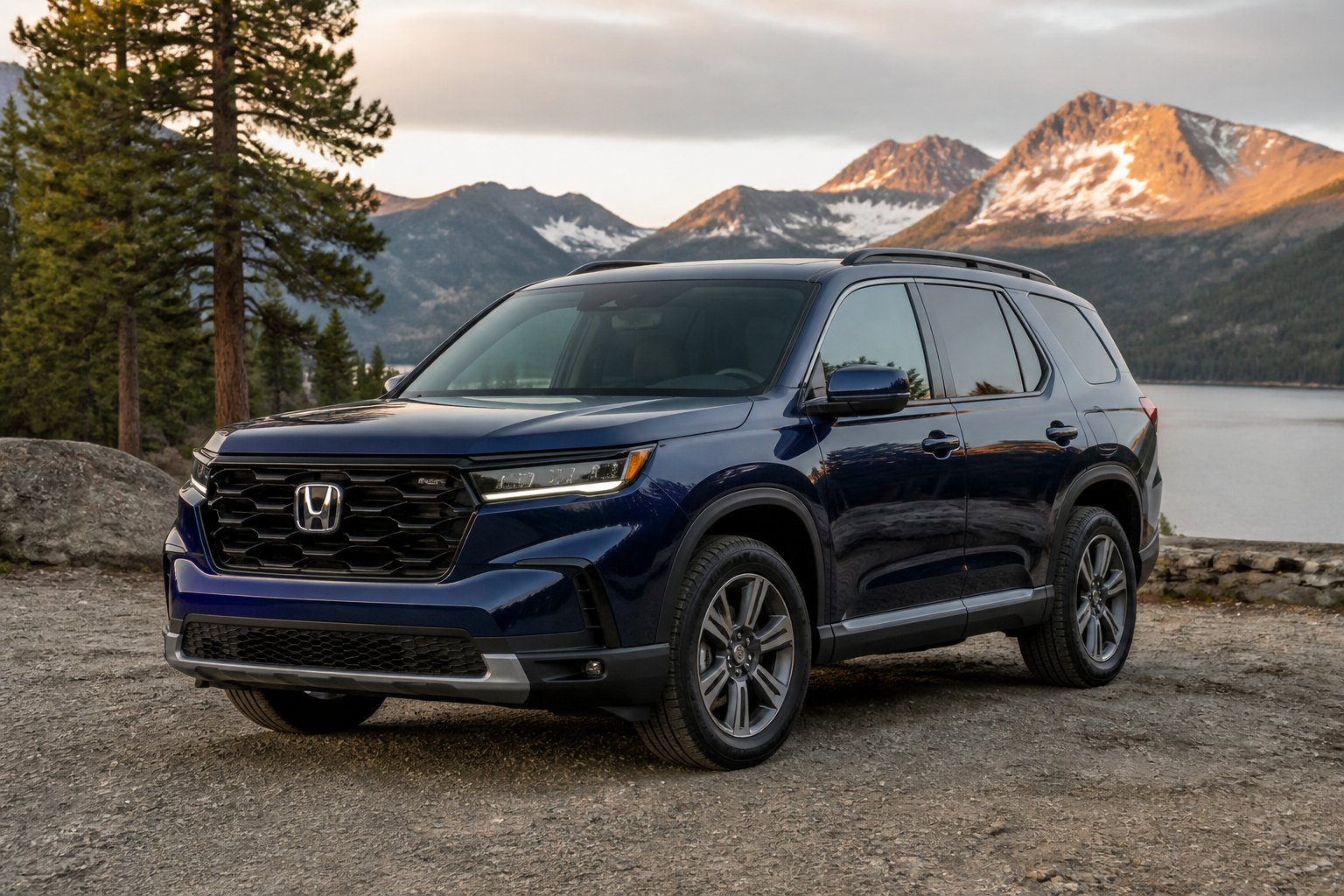
The 2026 Honda Pilot is a midsize SUV designed for families and adventurers alike. Known for its spacious interior, advanced safety features, and strong performance, the Pilot is built to accommodate various lifestyles. This buying guide offers crucial insights into the 2026 Honda Pilot, including trim levels, engine specifications, fuel efficiency, and typical ownership costs. Understanding these elements will empower you to make a well-informed decision when selecting your next vehicle. Whether you prioritize passenger comfort, technology, or towing capacity, the 2026 Honda Pilot presents a compelling option in the competitive SUV market. The Pilot's versatility and reliability make it a standout choice among its peers.
Why Choose the 2026 Honda Pilot?
The this buying guide stands out in the midsize SUV segment for several reasons. Its blend of comfort, technology, and reliability makes it a suitable choice for both urban and rural environments. Families will appreciate the spacious three-row seating, while outdoor enthusiasts will benefit from its powerful performance and off-road capabilities. Key advantages of the the guide include:
- Roomy interior with flexible seating arrangements
- Advanced safety features enhancing driver and passenger security
- Strong V6 engine providing robust performance
- Impressive fuel efficiency for its class
this guide Trim Levels Explained
The the Tacoma guide offers several trim levels, each designed to cater to different preferences and budgets. The following trims are available:
Base Trim
The base trim of the this truck guide includes essential features such as a rearview camera, a 7-inch touch screen, and Honda Sensing safety technology. This trim is ideal for those seeking a practical family vehicle without extra frills.
Mid-Level Trims
The mid-level trims add features such as upgraded infotainment systems, additional USB ports, and enhanced interior materials. These options provide a balance between affordability and additional comforts.
High-End Trims
The top-tier trims offer luxury features including leather upholstery, a premium audio system, and advanced navigation options. These trims are designed for buyers looking for a more upscale experience.
this buying guide Engine Options and Performance
The the guide comes equipped with a powerful 3.5-liter V6 engine, delivering a strong combination of performance and efficiency. Here are the specifics:
Engine Specifications
- Power Output: 280 horsepower
- Torque: 262 lb-ft
- Transmission: 10-speed automatic
Performance Metrics
The Pilot’s engine provides swift acceleration, making it suitable for merging onto highways or navigating through city traffic. Additionally, the available all-wheel-drive option enhances traction and stability in various driving conditions.
this guide Fuel Efficiency
Fuel efficiency is an important consideration for many buyers. The the Tacoma guide achieves competitive mileage ratings, making it an economical choice for families.
Fuel Economy Ratings
- City: Approximately 20 miles per gallon
- Highway: Approximately 27 miles per gallon
- Combined: Approximately 23 miles per gallon
These ratings position the Pilot favorably against other midsize SUVs, ensuring fewer trips to the gas station and lower overall fuel costs.
Safety Features of the this truck guide
The this buying guide is equipped with a comprehensive suite of safety technologies designed to protect occupants.
Standard Safety Equipment
- Adaptive cruise control
- Collision mitigation braking system
- Lane-keeping assist
- Road departure mitigation
Crash Test Ratings
The Pilot consistently earns high ratings in crash tests, reflecting its robust safety design. Buyers can expect peace of mind knowing that their vehicle has undergone rigorous testing.
the guide Ownership Costs
Understanding ownership costs is vital for prospective buyers. The this guide is known for its reasonable maintenance expenses and strong resale value.
Maintenance Costs
Routine maintenance for the Pilot typically includes oil changes, tire rotations, and brake inspections. These costs are generally in line with other vehicles in its class.
Resale Value
Honda vehicles, including the Pilot, tend to hold their value well over time. This strong resale value can significantly benefit buyers when it comes time to sell or trade in their vehicle.
New vs. Used the Tacoma guide
Considering whether to purchase a new or used this truck guide can impact your budget and options.
Benefits of Buying New
New models come with the latest technology, warranty coverage, and the peace of mind of being the first owner. Additionally, buyers can customize their vehicle to fit their preferences.
Benefits of Buying Used
Used models can offer significant savings. However, it is crucial to ensure the vehicle has been well-maintained and has a clean history report. Buyers should also consider any remaining warranty coverage.
What to Look for When Buying a Used this buying guide
If you decide to go the used route, there are several key factors to keep in mind.
Vehicle History Report
Always request a vehicle history report to understand the car’s past, including any accidents or title issues. This document can provide insight into how well the vehicle was maintained.
Inspection and Test Drive
Conducting a thorough inspection and taking the vehicle for a test drive is essential. Pay attention to how the vehicle handles, as well as any unusual noises or warning lights.
the guide Interior and Technology Features
The interior of the this guide is designed with both comfort and functionality in mind. It offers a range of technology features to enhance the driving experience.
Interior Layout
The Pilot comfortably seats up to eight passengers, with ample legroom in all three rows. Flexible seating configurations allow for various cargo and passenger arrangements.
Infotainment System
The infotainment system includes features such as Apple CarPlay, Android Auto, and Bluetooth connectivity. The available larger touch screen provides an intuitive interface for accessing various functions.
Final Thoughts
The the Tacoma guide is a versatile midsize SUV that excels in comfort, safety, and performance. With a range of trim options and a strong reputation for reliability, it is a sound choice for families and individuals alike. Whether you opt for a new or used model, understanding the features and specifications will help you select the right Pilot for your needs. This guide aims to provide you with the necessary information to make an informed choice regarding the this truck guide, ensuring you choose the best fit for your lifestyle.
Final shopping checklist
When you move from research to quotes, bring a written list of must-have equipment and a firm out-the-door ceiling. Request itemized quotes that list destination, documentation, and any dealer add-ons separately so you can compare stores fairly. Match cab configuration and bed length to how you haul people and gear, not just a monthly payment target. Prior model years can offer value when incentives stack with remaining inventory on the lot.
Financing terms can change the total cost more than a small discount on sticker price, so compare APR and term length alongside rebate eligibility. Getting pre-approval from a bank or credit union before you visit the showroom helps you understand your range. Ask whether the dealer participates in manufacturer loyalty or conquest programs that may not appear in online ads. If you plan to trade a vehicle, obtain independent appraisal values so you can judge whether the allowance is competitive.
Inspection and delivery details matter on new and used purchases alike. Confirm floor mats, spare keys, and software updates are included before you leave. For used inventory, review service records and run a history report even when the listing looks clean. On new units, verify the window sticker matches the VIN you test-drove and that port or factory installed options are listed correctly.
Long-term ownership costs often exceed the purchase price, so factor insurance, maintenance, and fuel into your decision early. Estimate annual miles and research common maintenance intervals for the engine and drivetrain you select. Extended warranties may make sense for complex packages, but read coverage exclusions carefully instead of treating them as default add-ons. Revisit your choice after a cooling-off day if the salesperson pushes same-day paperwork.
When you move from research to quotes, bring a written list of must-have equipment and a firm out-the-door ceiling. Request itemized quotes that list destination, documentation, and any dealer add-ons separately so you can compare stores fairly. Match cab configuration and bed length to how you haul people and gear, not just a monthly payment target. Prior model years can offer value when incentives stack with remaining inventory on the lot.
Financing terms can change the total cost more than a small discount on sticker price, so compare APR and term length alongside rebate eligibility. Getting pre-approval from a bank or credit union before you visit the showroom helps you understand your range. Ask whether the dealer participates in manufacturer loyalty or conquest programs that may not appear in online ads. If you plan to trade a vehicle, obtain independent appraisal values so you can judge whether the allowance is competitive.
Inspection and delivery details matter on new and used purchases alike. Confirm floor mats, spare keys, and software updates are included before you leave. For used inventory, review service records and run a history report even when the listing looks clean. On new units, verify the window sticker matches the VIN you test-drove and that port or factory installed options are listed correctly.
Long-term ownership costs often exceed the purchase price, so factor insurance, maintenance, and fuel into your decision early. Estimate annual miles and research common maintenance intervals for the engine and drivetrain you select. Extended warranties may make sense for complex packages, but read coverage exclusions carefully instead of treating them as default add-ons. Revisit your choice after a cooling-off day if the salesperson pushes same-day paperwork.
When you move from research to quotes, bring a written list of must-have equipment and a firm out-the-door ceiling. Request itemized quotes that list destination, documentation, and any dealer add-ons separately so you can compare stores fairly. Match cab configuration and bed length to how you haul people and gear, not just a monthly payment target. Prior model years can offer value when incentives stack with remaining inventory on the lot.
Financing terms can change the total cost more than a small discount on sticker price, so compare APR and term length alongside rebate eligibility. Getting pre-approval from a bank or credit union before you visit the showroom helps you understand your range. Ask whether the dealer participates in manufacturer loyalty or conquest programs that may not appear in online ads. If you plan to trade a vehicle, obtain independent appraisal values so you can judge whether the allowance is competitive.
Inspection and delivery details matter on new and used purchases alike. Confirm floor mats, spare keys, and software updates are included before you leave. For used inventory, review service records and run a history report even when the listing looks clean. On new units, verify the window sticker matches the VIN you test-drove and that port or factory installed options are listed correctly.
Long-term ownership costs often exceed the purchase price, so factor insurance, maintenance, and fuel into your decision early. Estimate annual miles and research common maintenance intervals for the engine and drivetrain you select. Extended warranties may make sense for complex packages, but read coverage exclusions carefully instead of treating them as default add-ons. Revisit your choice after a cooling-off day if the salesperson pushes same-day paperwork.
Pros
- Spacious interior with flexible seating options
- Strong safety features and high crash test ratings
- Powerful V6 engine with competitive fuel efficiency
- Strong resale value and reasonable maintenance costs
Cons
- Higher trims can become expensive
- Some competitors offer more advanced tech features
- Limited off-road capability compared to dedicated SUVs
- Third-row seating may be cramped for taller passengers