Buying Guides
How Can I Research Recalls Before Buying a Used Car?
OVERVIEW
Checking for recalls should be part of your research whenever you are seriously considering a used car.
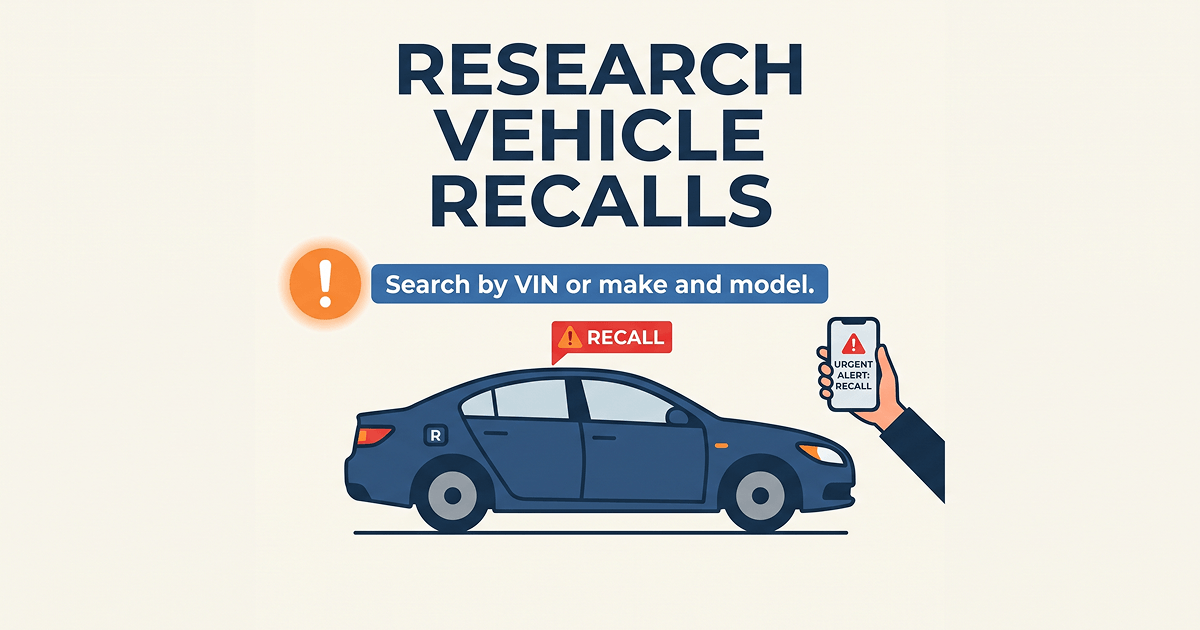
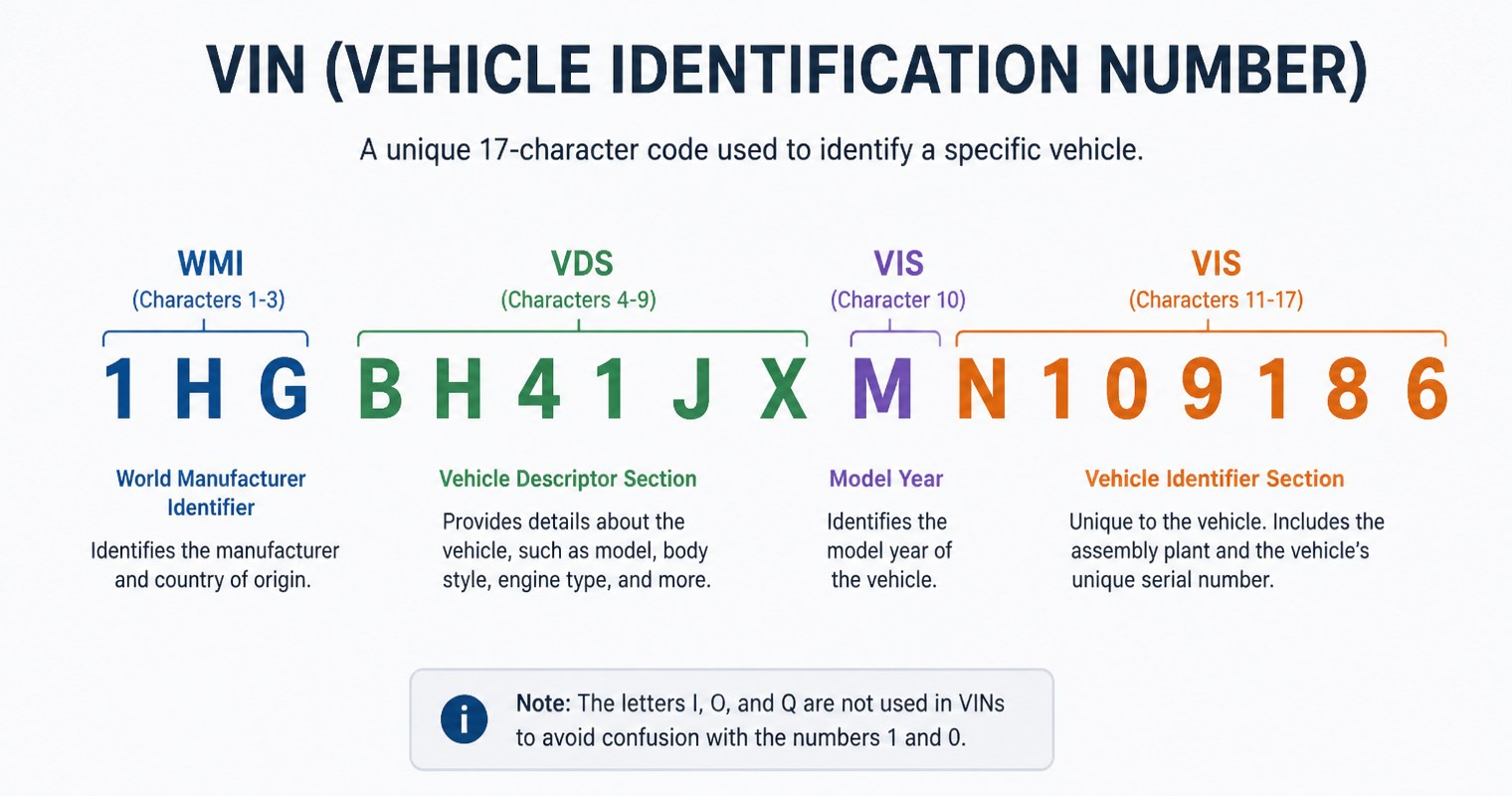
The easiest way to do it is with the vehicle's 17-character VIN. Enter the VIN into the NHTSA Recall Lookup to see whether that specific vehicle has an unrepaired safety recall.
Finding an open recall does not automatically mean you should cross the car off your list. What matters is understanding the recall, whether the repair has been completed, and what needs to happen next.
It only takes a few minutes, and you can usually do the research before visiting the dealership.
Quick Answer
Before buying a used car:
- Get the VIN for the vehicle you are considering.
- Check it with the NHTSA Recall Lookup.
- Read the details of any open recalls.
- Ask the dealer about the repair status.
- Pay attention to any special driving or parking instructions.
- Review the vehicle's history separately.
- Consider an independent inspection before buying.
A recall search answers one important question about the car. It should be part of your used car research, not the only research you do.
How Do You Check a Used Car for Recalls?
Start with the VIN.
Every vehicle has a unique 17-character Vehicle Identification Number. You can usually find it at the lower driver's side of the windshield or on a label inside the driver's door area. It may also appear on registration and insurance documents.
If you are shopping online, check the vehicle listing. If the VIN is not shown, ask the dealer for it.
Then go to the NHTSA Recall Lookup.
Enter the VIN to check whether that particular vehicle has an unrepaired safety recall in NHTSA's system.
NHTSA also allows searches using a license plate. If you are still researching models rather than a specific vehicle, you can search by year, make, and model to see broader information about recalls, investigations, complaints, and manufacturer communications.
Once you are considering an actual car, though, use its VIN.
What Does an Open Recall Mean on a Used Car?
An open recall means the vehicle is associated with a safety recall and the required remedy has not been recorded as completed in the recall lookup.
The important part is what comes next.
Read the recall information to find out:
- Which component is affected
- What the safety concern is
- What remedy the manufacturer has announced
- Whether there are special instructions for owners
- Whether you need to contact an authorized dealer for more information
Some recall situations require more immediate attention than others.
NHTSA sometimes issues warnings telling owners not to drive a vehicle or to park it outside because of a particular safety risk. If the vehicle you are considering has instructions like these, take them seriously and discuss the situation with the dealer before moving forward.
Is It Bad to Buy a Used Car With an Open Recall?
Not necessarily.
Recalls can affect vehicles from many manufacturers. The presence of a recall tells you there is a known safety issue that needs to be addressed, but it does not tell you everything else about the condition or value of the car.
Ask the dealer about the recall status.
The repair may already be scheduled. Parts may be available. The dealer may also be able to help you determine where the repair can be completed if it cannot be handled before the sale.
For questions about the actual recall remedy, an authorized dealership for the vehicle's manufacturer can provide additional information.
The key is knowing about the recall before buying rather than discovering it afterward.
Are Dealers Required to Fix Recalls Before Selling a Used Car?
Federal requirements for used vehicles are different from those for new vehicles, so do not assume every used car with an open recall must have the repair completed before it can be sold.
Instead, check the VIN and talk with the dealer about what you found.
A useful question is:
“I found an open recall when I checked the VIN. What is the current status of the repair?”
The dealer may already know about the recall and can help explain what the next step looks like.
If you need additional information, use the recall details from NHTSA to identify the manufacturer and recall campaign.
Are Recall Repairs Free on a Used Car?
Safety recall remedies are generally provided free through an authorized dealership for the vehicle's manufacturer.
You do not need to have been the original owner when the recall was announced.
If the used vehicle you are considering has an open recall, ask where the repair can be completed and whether there is anything you need to know about scheduling or parts availability.
The NHTSA recall result should give you the information you need to identify the recall when speaking with the dealer or manufacturer.
What If a Used Car Had a Recall That Was Already Fixed?
A previous recall and an open recall are not the same thing.
A vehicle may have been subject to a recall earlier in its life and already received the required remedy.
If there are no current unrepaired recalls associated with the VIN, continue researching the vehicle the way you normally would.
Look at its mileage, maintenance, history, condition, price, and how it performs during a test drive.
If you have questions about a previous recall repair, ask the dealer whether documentation is available or contact an authorized dealership for the manufacturer with the VIN.
Can a Vehicle History Report Tell You About Recalls?
Do not use a vehicle history report as a substitute for checking the VIN directly with NHTSA.
They answer different questions.
NHTSA recall search: Does this specific vehicle have an unrepaired safety recall?
Vehicle history report: What can available records tell you about the vehicle's previous ownership, title, accidents, damage, or other history?
Independent inspection: What condition is the vehicle in today?
For vehicle history research, the FTC directs consumers to the National Motor Vehicle Title Information System to find approved vehicle history report providers.
A history report can be valuable, but the FTC also makes an important point: it does not replace an independent mechanical inspection.
What Else Should You Research Before Buying a Used Car?
Once you have checked for recalls, spend some time on the actual vehicle.
Review its history
Use the National Motor Vehicle Title Information System to find approved providers for an NMVTIS vehicle history report.
An NMVTIS report can provide information about the vehicle's title, brand history, odometer reading, and certain junk, salvage, and insurance total loss records. Other vehicle history services may provide additional information, such as reported accidents, repairs, or maintenance records.
No vehicle history report can tell you everything about a used car, which is why it is still worth looking at the actual vehicle and considering an independent inspection.
Read the FTC Buyer's Guide
Most dealers are required to display a Buyer's Guide on used vehicles they offer for sale.
The guide tells you whether the vehicle is being sold with a warranty or as-is and provides other important information about the purchase.
The FTC has additional guidance in its Buying a Used Car From a Dealer resource.
Consider an independent inspection
A clean history report does not tell you what a mechanic will find underneath the car today.
An independent inspection can help identify mechanical problems, wear, previous repairs, and other issues that may matter before you buy.
The FTC recommends considering an independent inspection even when a vehicle has already been inspected by the dealership or is being sold with warranty coverage.
Take a real test drive
This is where you get to experience the actual car rather than its listing.
Pay attention to braking, steering, acceleration, transmission behavior, warning lights, unusual sounds, visibility, seat comfort, and how the vehicle feels at different speeds.
The recall search, vehicle history, inspection, and test drive each tell you something different.
Should You Check Recalls Before or After a Test Drive?
Before is easier.
If you already have the VIN, run the recall search while you are researching the vehicle online.
If nothing appears, you can move on to the rest of your research.
If an open recall appears, you now have something specific to discuss when you contact or visit the dealer.
This is particularly useful when the recall contains special instructions. You would rather know about a warning before getting behind the wheel.
What Should You Ask the Dealer About an Open Recall?
You do not need a long interrogation. Start with the recall you found and ask what the dealer knows about its status.
Useful questions include:
- Has this recall repair been completed?
- If not, has the repair been scheduled?
- Are the necessary parts currently available?
- Can the repair be completed before delivery?
- If not, where can I have it completed?
- Are there any driving or parking instructions associated with the recall?
The dealer may be able to answer these questions directly or help point you toward an authorized dealership for the manufacturer if additional information is needed.
What If NHTSA Shows 0 Unrepaired Recalls?
That is useful information, but it is not the same thing as getting a clean bill of health for the entire car.
NHTSA may display “0 unrepaired recalls associated with this VIN” when its VIN search does not identify an unrepaired recall for the vehicle.
That result does not tell you whether the car has worn brakes, previous damage, a transmission problem, overdue maintenance, or another mechanical issue.
Keep going with the rest of your used car research.
There is also a reason to stay informed after you buy. A new recall could be announced later.
How Can You Find Out About Recalls After You Buy the Car?
NHTSA offers the free SaferCar app.
Add your vehicle and VIN to the app and it can alert you when a recall affects your vehicle. NHTSA says the vehicle information stays on your device rather than being stored by the agency.
That makes the app useful after the purchase, when you no longer want to remember to manually check the recall database.
You can also use NHTSA's recall tools again whenever you want to check your vehicle.
Do Safety Recalls Expire?
NHTSA says vehicle safety recalls do not expire.
That makes a VIN search particularly useful when shopping for an older used vehicle.
A recall may have been announced years ago. If the remedy was never completed, the recall can still matter to the vehicle you are considering today.
Rather than assuming an older car's previous recalls were handled, check the VIN.
A Simple Used Car Recall Checklist
Once you find a used vehicle you are serious about, work through these steps:
- Get the VIN. Make sure it belongs to the exact vehicle you are considering.
- Use the NHTSA Recall Lookup. Check for unrepaired safety recalls.
- Read any recall details. Pay attention to the affected component, remedy, and special instructions.
- Talk with the dealer. Ask about the repair status if an open recall appears.
- Check the vehicle's history. Use an NMVTIS-approved provider or another vehicle history service.
- Look at the Buyer's Guide. Understand the warranty information provided with the vehicle.
- Consider an independent inspection. Let a mechanic evaluate the actual condition of the car.
- Take a test drive. Make sure the vehicle itself feels right before making your decision.
That gives you a much fuller picture than relying on a recall search alone.
How AutoFinder Helps You Research a Used Car
Recall research becomes most useful once you have narrowed your search to an actual vehicle.
AutoFinder lets you browse available used vehicles by make, model, year, price, mileage, features, and other details. When you find one you are interested in, use its VIN to continue your research with the NHTSA tools.
Then connect with the dealer if you have questions about the vehicle, an open recall, its availability, financing, your trade, or scheduling a test drive.
The dealer can help you understand information specific to the vehicle and what the next step looks like if a recall still needs attention.
Final Thoughts
Checking a used car for recalls does not require much detective work.
Get the VIN and run it through the NHTSA Recall Lookup. If an open recall appears, read the details and ask the dealer about its status.
Then keep researching the car.
A recall lookup, vehicle history report, test drive, and independent inspection answer different questions. Together, they give you a much better picture of the used vehicle you are considering.
Frequently Asked Questions
Related Articles

Sources
- National Highway Traffic Safety Administration. “Check for Recalls: Vehicle, Car Seat, Tire, Equipment.” NHTSA Recall Lookup
- Federal Trade Commission. “Buying a Used Car From a Dealer.” FTC Consumer Advice
- U.S. Department of Justice, National Motor Vehicle Title Information System. “Understanding an NMVTIS Vehicle History Report.” Understanding an NMVTIS Vehicle History Report
- U.S. Department of Justice, National Motor Vehicle Title Information System. “Research Vehicle History.” NMVTIS Research Vehicle History
- National Highway Traffic Safety Administration. “SaferCar App: Vehicle Safety Recalls App.” NHTSA SaferCar App
- National Highway Traffic Safety Administration. “Resources Related to Investigations and Recalls.” NHTSA Recall Resources