Car Pricing Explained: MSRP vs. Invoice Price vs. Dealer Price
Last updated Sep 30th, 2026Shopping for a new car can feel overwhelming, especially when you see multiple prices listed for the same vehicle. Between the MSRP, invoice price, dealer price, negotiated price, and out-the-door price, it's not always obvious which number matters most.
The good news is that each price serves a specific purpose. Once you understand what these pricing terms mean, comparing offers becomes much easier.
In this guide, we'll explain the most common vehicle pricing terms, how they work together, and which prices deserve the most attention when you're shopping for your next vehicle.
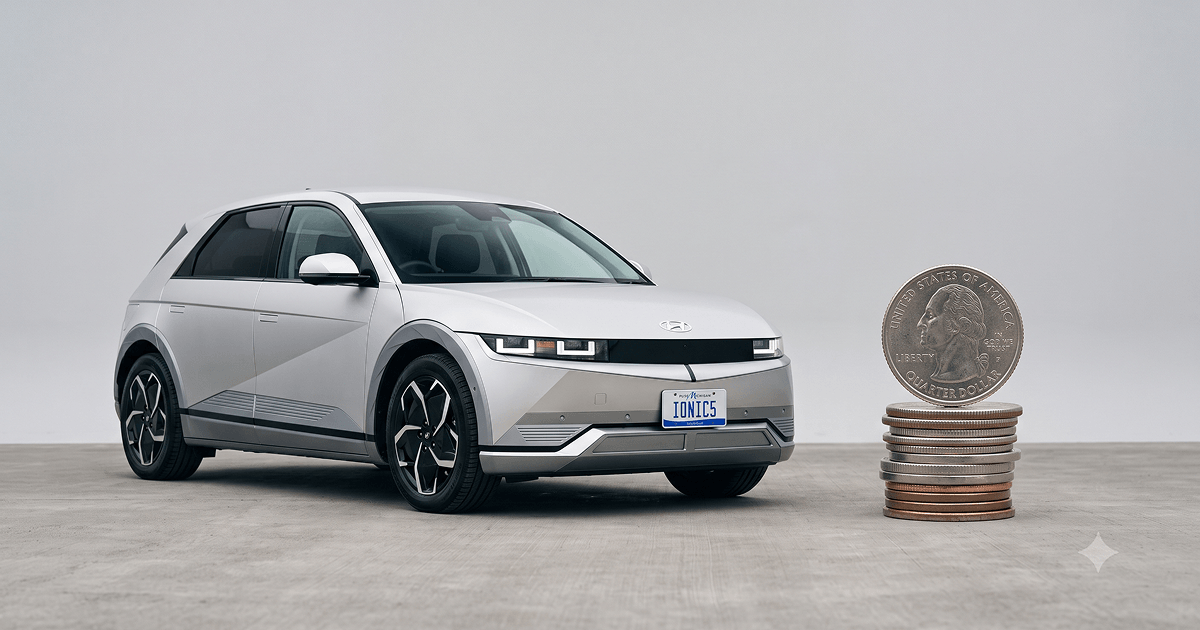
Find Your Best Price
See what others paid and get upfront pricing from local dealers.

Quick Guide to Common Car Prices
Before diving into each pricing term, here's a quick overview of what you'll encounter during the buying process.
MSRP:
The manufacturer's suggested selling price.
Invoice Price:
The amount the manufacturer bills the dealership for the vehicle.
Dealer Price:
A term often used interchangeably with invoice price, although the dealer's actual cost may differ.
Negotiated Price:
The selling price agreed upon between you and the dealership.
Sales Price:
The price after discounts, rebates, and negotiations have been applied.
Out-the-Door Price:
Your total purchase price, including taxes and applicable fees.
While all of these prices are important, understanding how they relate to one another can help you shop with greater confidence.
Why Are There So Many Different Car Prices?
If you've ever wondered why a vehicle seems to have several different prices attached to it, you're not alone.
Every price represents a different stage of the vehicle's journey from the manufacturer to the buyer.
Manufacturers establish an MSRP to provide a recommended retail price. Dealerships purchase inventory from manufacturers using invoice pricing, while additional manufacturer incentives and dealer programs may affect what the dealership ultimately pays.
Once a vehicle arrives at the dealership, factors like local demand, inventory levels, manufacturer rebates, financing offers, and negotiations all influence the final amount a buyer pays.
Understanding these different pricing terms allows you to evaluate the complete offer instead of focusing on just one number.
What Is MSRP?
MSRP stands for Manufacturer's Suggested Retail Price.
Often referred to as the sticker price, the MSRP is the price the manufacturer recommends dealerships charge for a new vehicle. You'll find it displayed on the federally required Monroney sticker that's attached to every new vehicle sold in the United States.
The MSRP typically includes:
- The base vehicle price
- Factory-installed options
- Standard equipment
The destination charge is also listed on the window sticker, although it usually appears as a separate line item.
It's important to remember that the MSRP is only a recommendation. Depending on market conditions, dealerships may sell a vehicle below, at, or above MSRP.
For example, a newly released model with limited inventory may sell above MSRP due to high demand. On the other hand, vehicles with higher inventory levels or manufacturer incentives may sell below MSRP.
The MSRP provides an excellent starting point for comparing vehicles, but it shouldn't be the only price you consider.
Related reading: Learn more in our guide to What Is MSRP?
What Is Invoice Price?
The invoice price is the amount the manufacturer bills the dealership for the vehicle.
Many shoppers assume this represents exactly what the dealership paid for the vehicle, but the reality is often more complicated.
Manufacturers frequently offer programs that reduce the dealership's effective cost after the sale. These may include:
- Dealer incentives
- Holdback payments
- Volume bonuses
- Marketing assistance
- Sales performance programs
Because of these additional programs, the published invoice price doesn't always represent the dealer's true investment in the vehicle.
Even so, invoice pricing remains a valuable research tool because it provides buyers with additional context beyond the MSRP.
Understanding invoice pricing can help shoppers better evaluate pricing differences between dealerships while setting realistic expectations during negotiations.
Want to research invoice pricing before visiting a dealership? AutoFinder makes it easy to compare dealer invoice prices across thousands of new vehicles.
What Is Dealer Price?
Dealer price is one of the most misunderstood pricing terms you'll encounter.
Some dealerships use the phrase interchangeably with invoice price, while others use it as a marketing term to indicate a discounted selling price.
In reality, there isn't one universal definition of dealer price.
A dealership's actual investment in a vehicle depends on many factors beyond the published invoice price, including manufacturer incentives, inventory financing costs, holdback programs, and sales bonuses.
For shoppers, this means it's often more productive to compare overall offers than to focus solely on whether a vehicle is advertised at "dealer price."
Instead of trying to determine exactly what a dealership paid for a vehicle, concentrate on whether the final purchase price represents a competitive value compared with similar vehicles in your area.
What Is the Negotiated Price?
The negotiated price is the amount you and the dealership agree upon before taxes and government fees are added.
This is where much of the buying process takes place.
Negotiations may include:
- Dealer discounts
- Manufacturer rebates
- Promotional offers
- Trade in value
- Financing incentives
The negotiated price often changes throughout the buying process as discounts and incentives are applied.
For many shoppers, this is one of the most important numbers to understand because it forms the foundation of the final purchase agreement.
However, it's still not the last number you should evaluate before signing paperwork.
What Is the Sales Price?
The sales price is the amount you'll pay for the vehicle after negotiations have been completed and applicable discounts have been applied.
Depending on the dealership and available incentives, the sales price may include:
- Dealer discounts
- Manufacturer rebates
- Promotional pricing
- Eligible buyer incentives
Keep in mind that some advertised prices assume buyers qualify for specific offers, such as military discounts, recent college graduate programs, loyalty incentives, or financing through a particular lender.
Before comparing offers, confirm exactly which incentives have been included in the advertised sales price so you can make an accurate comparison between dealerships.
What Is the Out the Door Price?
The Out the Door (OTD) price is arguably the most important number you'll receive during the car buying process.
Unlike the MSRP or negotiated price, the Out the Door price reflects the total amount you'll pay to purchase the vehicle. It includes the vehicle's selling price plus taxes, title and registration fees, documentation fees, and any other required charges.
An Out the Door price typically includes:
- Negotiated sales price
- Sales tax
- Title and registration fees
- Documentation fees
- State or local government fees
- Destination charge, if applicable
Comparing Out the Door prices from multiple dealerships is one of the easiest ways to determine which offer provides the best overall value.
A dealership advertising a lower selling price may ultimately have a higher Out the Door price if additional fees are added later in the process.
Related reading: Learn more in our guide to What Is the Out the Door Price?
If you already have a vehicle price in mind, you can estimate your out the door price with AutoFinder's calculator to see how taxes and applicable fees could affect your total.
What Is Dealer Holdback?
Dealer holdback is money that manufacturers return to dealerships after a vehicle is sold.
Typically calculated as a small percentage of either the MSRP or invoice price, holdback helps dealerships offset expenses associated with maintaining inventory, financing vehicles, and operating their business.
While some buyers attempt to negotiate using holdback information, it generally shouldn't be the primary focus during negotiations.
Modern vehicle pricing is influenced by many factors beyond holdback, including market demand, inventory levels, manufacturer incentives, and local competition.
Understanding that holdback exists can provide additional context, but it doesn't necessarily determine how much flexibility a dealership has on a particular vehicle.
What Are Dealer Incentives?
Dealer incentives are programs manufacturers use to encourage dealerships to sell specific vehicles.
Unlike customer rebates, which are advertised directly to shoppers, many dealer incentives are available only to the dealership.
Examples include:
- Dealer cash
- Sales volume bonuses
- Marketing assistance
- Inventory reduction incentives
- Special financing support
- Lease assistance
These incentives can sometimes allow dealerships to offer prices below MSRP or even below the published invoice price while still maintaining profitability.
Because incentive programs frequently change throughout the year, pricing may vary significantly from one month to the next.
What Is the Destination Charge?
Every new vehicle sold in the United States includes a destination charge.
This fee covers the cost of transporting the vehicle from the manufacturing facility to the dealership.
Unlike many dealership fees, the destination charge is established by the manufacturer and applies equally to every vehicle of the same make and model.
While shoppers generally cannot negotiate the destination charge itself, it's important to remember that it's already part of the vehicle's overall purchase price and should be included when comparing offers.
How All These Prices Work Together
Understanding each pricing term individually is helpful, but seeing how they fit together makes the buying process much easier to follow.
A typical vehicle purchase looks something like this:
- The manufacturer establishes the MSRP.
- The dealership receives the vehicle and is billed the invoice price.
- Manufacturer incentives, dealer programs, and holdback may affect the dealership's actual cost.
- You negotiate the vehicle's selling price based on current market conditions, incentives, and available inventory.
- Taxes, registration, documentation fees, and other required charges are added to determine your Out-the-Door price.
Each step represents a different stage in the transaction, which is why several pricing terms exist for a single vehicle.
Which Price Should You Negotiate?
One of the most common questions buyers ask is which price they should negotiate.
The answer isn't always the MSRP or the invoice price.
Instead, focus on negotiating the overall purchase price while comparing complete Out the Door quotes from multiple dealerships.
A dealership may advertise a vehicle below invoice but offset those savings with higher fees or fewer incentives.
Likewise, paying slightly above invoice may still represent an excellent deal if you're receiving valuable financing offers or manufacturer rebates.
Looking at the complete offer instead of a single pricing number gives you a much clearer understanding of the vehicle's true cost.
Common Car Pricing Mistakes
Even experienced shoppers sometimes misunderstand vehicle pricing.
Here are several common mistakes to avoid:
- Comparing only the MSRP instead of the total purchase price.
- Shopping based solely on the monthly payment.
- Ignoring manufacturer incentives and available rebates.
- Forgetting to compare Out-the-Door prices.
- Assuming invoice price equals the dealer's exact cost.
- Overlooking dealer fees until the final paperwork.
Taking the time to compare complete pricing information can help you avoid surprises and make a more informed buying decision.
Why Can the Same Vehicle Cost Different Amounts at Different Dealerships?
It's common to find the same vehicle listed at different prices, even when comparing dealerships in the same area.
Several factors can influence pricing, including:
- Local market demand
- Available inventory
- Manufacturer incentive programs
- Sales volume goals
- Regional competition
- Time of year
For example, dealerships trying to meet monthly or quarterly sales targets may offer more aggressive pricing than dealerships with limited inventory.
This is one reason it's often worthwhile to compare quotes from multiple dealerships before making a purchase.
How AutoFinder Helps You Compare Vehicle Pricing
Researching vehicle prices shouldn't require visiting multiple dealerships before you understand your options.
AutoFinder helps simplify the process by giving shoppers access to pricing information that supports smarter buying decisions.
With AutoFinder, you can:
- Compare MSRP across trims
- Research dealer invoice pricing
- Explore available incentives
- Browse new vehicle inventory
- Compare similar models
- Connect with trusted dealerships
Whether you're shopping for your first vehicle or replacing your current one, understanding pricing before visiting a dealership helps you approach negotiations with greater confidence.
Final Thoughts
Vehicle pricing can seem complicated at first, but each price tells part of the story.
The MSRP provides a useful benchmark, invoice price offers insight into dealership pricing, negotiated and sales prices reflect the discounts available to buyers, and the Out the Door price shows what you'll actually pay to drive the vehicle home.
Rather than focusing on one number, compare the complete purchase price while considering incentives, fees, financing offers, and overall value.
The more informed you are before shopping, the easier it becomes to recognize a competitive offer and make a confident buying decision.
When you're ready to compare pricing, explore dealer invoice information, and browse local inventory, AutoFinder provides the tools and resources to help you shop smarter.
Want More Car Buying Advice?
Add AutoFinder as a preferred source on Google to help you discover more of our automotive guides and research.
FAQs
What is the difference between MSRP and invoice price?
MSRP is the manufacturer's suggested retail price for a new vehicle, while invoice price is the amount the manufacturer bills the dealership. Because manufacturers may provide incentives and other programs to dealerships, invoice price doesn't always represent the dealer's actual cost.
Is invoice price the same as dealer cost?
Not necessarily. Although invoice price is often referred to as dealer cost, manufacturers may provide dealer incentives, holdback payments, or sales bonuses that reduce the dealership's effective cost below the published invoice price.
What price should I negotiate when buying a new car?
Rather than focusing solely on MSRP or invoice price, negotiate the overall purchase price and compare complete Out-the-Door quotes from multiple dealerships. This provides the clearest picture of what you'll actually pay.
Why do two dealerships charge different prices for the same vehicle?
Pricing differences can result from inventory levels, regional demand, manufacturer incentives, sales goals, financing offers, and local competition. Comparing multiple quotes helps ensure you're receiving a competitive offer.
How can AutoFinder help me compare car prices?
AutoFinder helps shoppers compare MSRP, dealer invoice pricing, available incentives, trim levels, and local inventory so they can better understand pricing before contacting a dealership and make more informed purchasing decisions.

The information provided in this article is for general informational purposes only and may change over time. Vehicle pricing, availability, specifications, incentives, financing terms, interest rates, and other details may vary by vehicle, dealer, lender, location, and individual circumstances. AutoFinder does not guarantee the accuracy or availability of information provided by third parties. Always confirm current vehicle details, pricing, terms, and eligibility directly with the participating dealer or appropriate provider before making a purchase or financial decision.