Buying Guides
Is the Hyundai Tucson a good SUV for smart shoppers
OVERVIEW
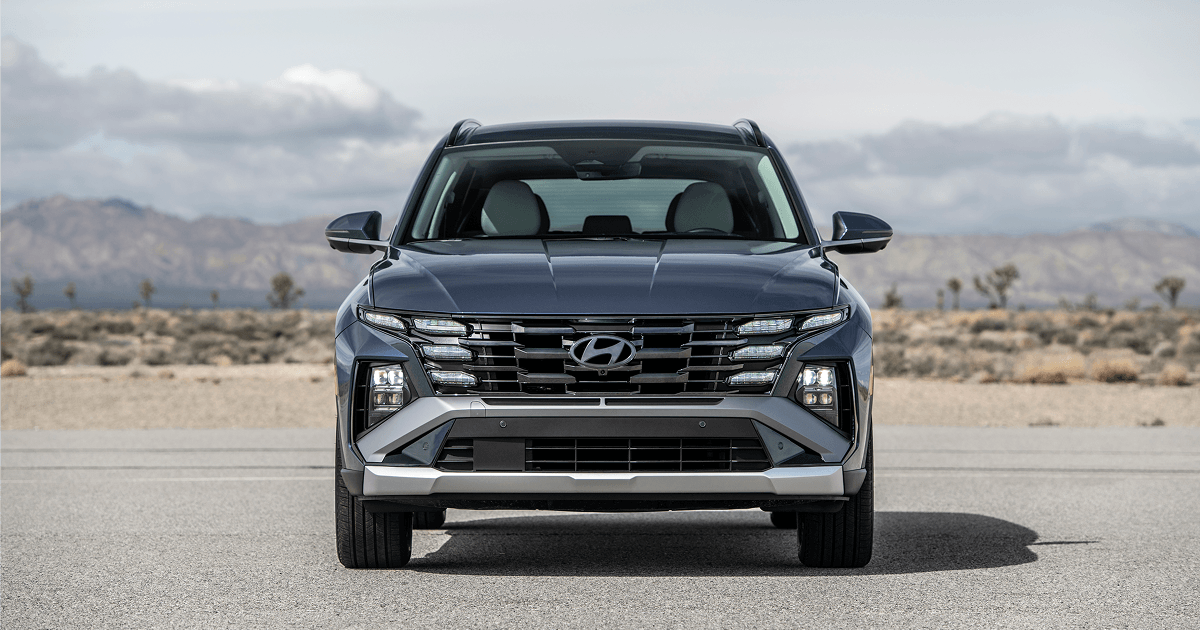
The Hyundai Tucson has emerged as a strong contender in the compact SUV market. But is the Hyundai Tucson a good SUV? This review evaluates various aspects such as design, performance, interior comfort, safety ratings, and technology features. With a focus on practicality and modern styling, the Tucson aims to meet diverse driving needs. This analysis provides the data necessary to determine if the Tucson aligns with your requirements. The Tucson's blend of performance, comfort, and advanced technology makes it a solid option for those seeking a reliable compact SUV. Additionally, the Tucson's reputation for quality and value enhances its standing in a competitive segment. Overall, our examination will help answer the question: is the Hyundai Tucson a good SUV for you? Readers of this review should verify VIN-specific equipment and warranty start dates on any shortlisted vehicle.
Use this Is the Hyundai Tucson a good SUV to shortlist cab styles and bed lengths before you request dealer quotes.
The Hyundai Tucson has emerged as a strong contender in the compact SUV market. But this guide? This review evaluates various aspects such as design, performance, interior comfort, safety ratings, and technology features. With a focus on practicality and modern styling, the Tucson aims to meet diverse driving needs. This analysis provides the data necessary to determine if the Tucson aligns with your requirements. The Tucson's blend of performance, comfort, and advanced technology makes it a solid option for those seeking a reliable compact SUV. Additionally, the Tucson's reputation for quality and value enhances its standing in a competitive segment. Overall, our examination will help answer the question: the Tacoma guide for you? Readers of this review should verify VIN-specific equipment and warranty start dates on any shortlisted vehicle.
When considering if the Hyundai Tucson is a good SUV, it is important to evaluate its features and specifications. The Tucson's performance metrics, including engine options and fuel efficiency, contribute significantly to its appeal.
In addition to its solid performance and safety ratings, the Tucson offers a comfortable interior with modern technology. The spacious cabin and user-friendly infotainment system enhance the overall driving experience. The Hyundai Tucson's versatility makes it suitable for both urban commuting and family outings, further supporting the question: this truck guide for your lifestyle?
Performance and Engine Options
The Hyundai Tucson offers a standard 2.5-liter four-cylinder engine that produces 187 horsepower. Additionally, there is a hybrid option that combines a 1.6-liter turbocharged engine with an electric motor, resulting in a combined output of 226 horsepower. This variety allows buyers to choose between traditional and hybrid powertrains based on their driving preferences. The availability of these options ensures that the Tucson can cater to a wide range of drivers, whether they prioritize fuel efficiency or performance.
Fuel Efficiency
The standard Tucson delivers an EPA-estimated 26 mpg in the city and 33 mpg on the highway. The hybrid model provides even better fuel efficiency, achieving up to 38 mpg combined. This makes the Tucson an attractive option for those looking to save on fuel costs while enjoying the benefits of an SUV. The impressive fuel economy of the Tucson not only helps reduce expenses but also appeals to environmentally conscious consumers who want to minimize their carbon footprint.
Safety Features
The Tucson comes equipped with Hyundai's SmartSense safety suite, which includes features like forward collision warning, automatic emergency braking, lane-keeping assist, and a driver attention monitor. Higher trims add features such as blind-spot monitoring and a surround-view camera system, enhancing overall safety and driving confidence. These advanced safety technologies work together to provide a reassuring driving experience, making the Tucson a reliable choice for families and individuals alike.
Interior Comfort and Technology
The Hyundai Tucson's interior is designed with comfort and convenience in mind. It features spacious seating for up to five passengers, with ample legroom and headroom in both the front and rear seats. The cargo area is generous, providing enough space for luggage, groceries, or sports equipment. The technology suite includes a user-friendly infotainment system with a touchscreen display, smartphone integration, and available premium audio. This combination of comfort and technology makes the Tucson an appealing choice for daily commutes and weekend getaways.
Conclusion: this buying guide for you?
In conclusion, the Hyundai Tucson stands out in the compact SUV segment due to its well-rounded features. Whether considering performance, fuel efficiency, safety, or technology, the Tucson has much to offer. It is essential to assess your specific needs and preferences to determine if the Tucson is the right fit for you.
- Consider the engine options: traditional vs. hybrid.
- Evaluate safety features and ratings for peace of mind.
- Assess interior space and comfort for family needs.
- Review fuel efficiency to align with your driving habits.
- Research regional inventory and pricing for the best options.
- Test drive the Tucson to experience its features firsthand.
Final shopping checklist
When you move from research to quotes, bring a written list of must-have equipment and a firm out-the-door ceiling. Request itemized quotes that list destination, documentation, and any dealer add-ons separately so you can compare stores fairly. Match cab configuration and bed length to how you haul people and gear, not just a monthly payment target. Prior model years can offer value when incentives stack with remaining inventory on the lot.
Financing terms can change the total cost more than a small discount on sticker price, so compare APR and term length alongside rebate eligibility. Getting pre-approval from a bank or credit union before you visit the showroom helps you understand your range. Ask whether the dealer participates in manufacturer loyalty or conquest programs that may not appear in online ads. If you plan to trade a vehicle, obtain independent appraisal values so you can judge whether the allowance is competitive.
Inspection and delivery details matter on new and used purchases alike. Confirm floor mats, spare keys, and software updates are included before you leave. For used inventory, review service records and run a history report even when the listing looks clean. On new units, verify the window sticker matches the VIN you test-drove and that port or factory installed options are listed correctly.
Long-term ownership costs often exceed the purchase price, so factor insurance, maintenance, and fuel into your decision early. Estimate annual miles and research common maintenance intervals for the engine and drivetrain you select. Extended warranties may make sense for complex packages, but read coverage exclusions carefully instead of treating them as default add-ons. Revisit your choice after a cooling-off day if the salesperson pushes same-day paperwork.
This Is the Hyundai Tucson a good SUV compares trim packages, tow ratings, and everyday running costs in plain terms.
The Is the Hyundai Tucson a good SUV sections above cover reliability signals, holdover models, and fair price benchmarks.
When you move from research to quotes, bring a written list of must-have equipment and a firm out-the-door ceiling. Request itemized quotes that list destination, documentation, and any dealer add-ons separately so you can compare stores fairly. Match cab configuration and bed length to how you haul people and gear, not just a monthly payment target. Prior model years can offer value when incentives stack with remaining inventory on the lot.
Financing terms can change the total cost more than a small discount on sticker price, so compare APR and term length alongside rebate eligibility. Getting pre-approval from a bank or credit union before you visit the showroom helps you understand your range. Ask whether the dealer participates in manufacturer loyalty or conquest programs that may not appear in online ads. If you plan to trade a vehicle, obtain independent appraisal values so you can judge whether the allowance is competitive.
Inspection and delivery details matter on new and used purchases alike. Confirm floor mats, spare keys, and software updates are included before you leave. For used inventory, review service records and run a history report even when the listing looks clean. On new units, verify the window sticker matches the VIN you test-drove and that port or factory installed options are listed correctly.
Long-term ownership costs often exceed the purchase price, so factor insurance, maintenance, and fuel into your decision early. Estimate annual miles and research common maintenance intervals for the engine and drivetrain you select. Extended warranties may make sense for complex packages, but read coverage exclusions carefully instead of treating them as default add-ons. Revisit your choice after a cooling-off day if the salesperson pushes same-day paperwork.
When you move from research to quotes, bring a written list of must-have equipment and a firm out-the-door ceiling. Request itemized quotes that list destination, documentation, and any dealer add-ons separately so you can compare stores fairly. Match cab configuration and bed length to how you haul people and gear, not just a monthly payment target. Prior model years can offer value when incentives stack with remaining inventory on the lot.
Financing terms can change the total cost more than a small discount on sticker price, so compare APR and term length alongside rebate eligibility. Getting pre-approval from a bank or credit union before you visit the showroom helps you understand your range. Ask whether the dealer participates in manufacturer loyalty or conquest programs that may not appear in online ads. If you plan to trade a vehicle, obtain independent appraisal values so you can judge whether the allowance is competitive.
Inspection and delivery details matter on new and used purchases alike. Confirm floor mats, spare keys, and software updates are included before you leave. For used inventory, review service records and run a history report even when the listing looks clean. On new units, verify the window sticker matches the VIN you test-drove and that port or factory installed options are listed correctly.
Long-term ownership costs often exceed the purchase price, so factor insurance, maintenance, and fuel into your decision early. Estimate annual miles and research common maintenance intervals for the engine and drivetrain you select. Extended warranties may make sense for complex packages, but read coverage exclusions carefully instead of treating them as default add-ons. Revisit your choice after a cooling-off day if the salesperson pushes same-day paperwork.
When you move from research to quotes, bring a written list of must-have equipment and a firm out-the-door ceiling. Request itemized quotes that list destination, documentation, and any dealer add-ons separately so you can compare stores fairly. Match cab configuration and bed length to how you haul people and gear, not just a monthly payment target. Prior model years can offer value when incentives stack with remaining inventory on the lot.
Pros
- Spacious interior with ample cargo capacity.
- High safety ratings and advanced safety features.
- User-friendly technology and infotainment system.
- Strong fuel efficiency, especially with hybrid option.
Cons
- Base engine may feel underpowered for some drivers.
- Limited off-road capabilities compared to rivals.
- Higher trims can become pricey with added options.
- Some competitors offer more robust performance options.