Buying Guides
When You Lease a Car, Who Pays for Repairs?
OVERVIEW
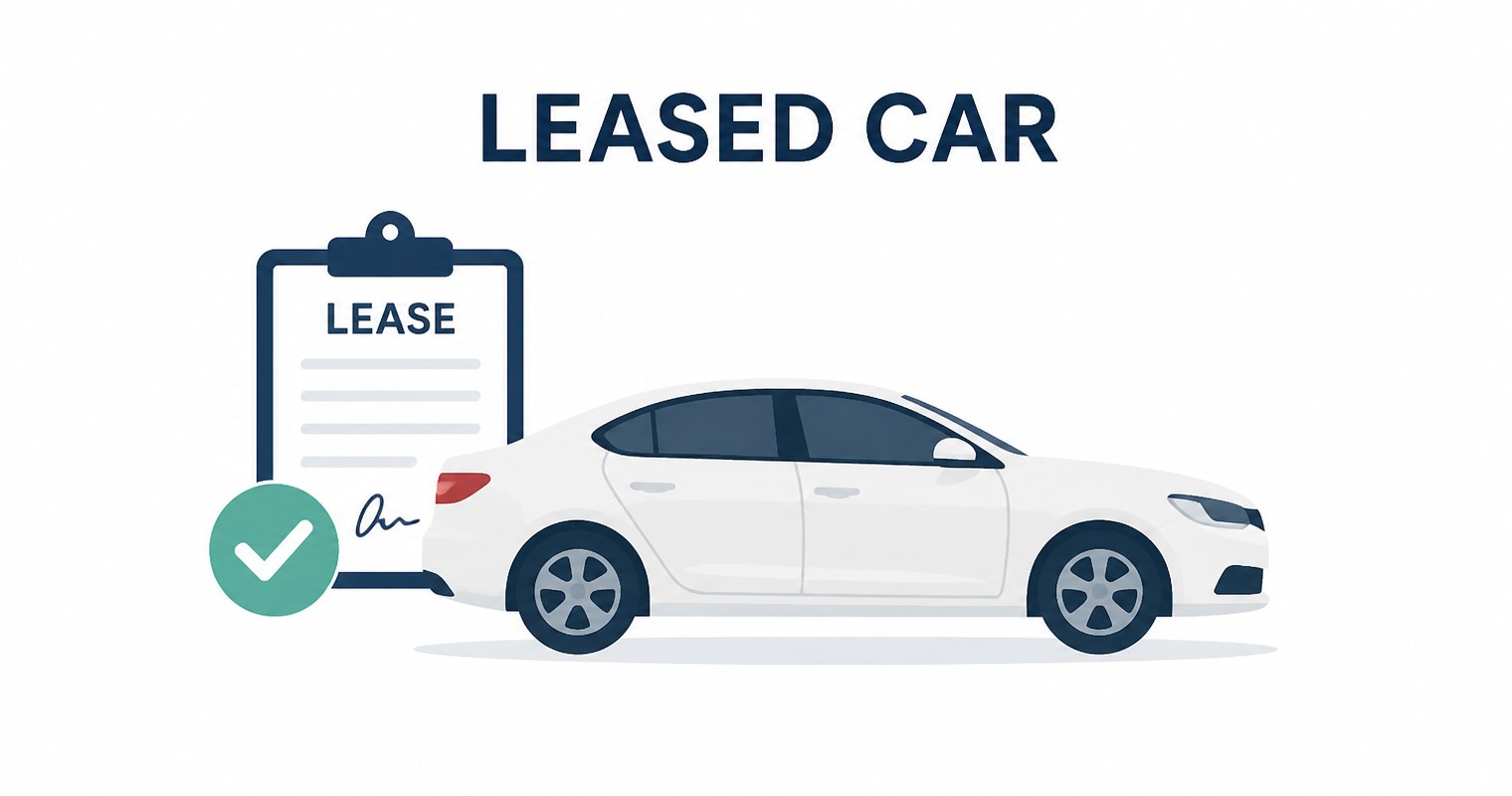
When you lease a car, you are responsible for taking care of it, but that does not mean every repair comes out of your pocket.
Most leased cars are new and remain under the manufacturer's factory warranty for much or all of the lease term. If a covered component fails because of a defect, the warranty will generally pay for the repair. You are usually responsible for routine maintenance, damage you cause, wear items, and repairs that fall outside the warranty.
The basic breakdown looks like this:
- Warranty repair: Usually covered by the manufacturer
- Routine maintenance: Usually your responsibility
- Accident damage: Usually handled through insurance
- Excess wear or damage: Usually your responsibility
- Tires and other wear items: Usually your responsibility
- Repairs outside warranty coverage: Depends on the lease and repair
Your lease agreement and warranty ultimately determine what is covered, so it is worth understanding both before you drive off the lot.
Who Pays for Repairs on a Leased Car?
It depends on why the vehicle needs to be repaired.
Leasing does not mean the leasing company takes care of every mechanical problem. Instead, repairs generally fall into a few different categories.
| Type of Repair | Who Usually Pays? | What to Check |
|---|---|---|
| Warranty repair | Manufacturer | Warranty coverage |
| Routine maintenance | You | Lease requirements |
| Accident damage | Insurance or you | Deductible and coverage |
| Normal wear items | You | Maintenance schedule |
| Excess damage | You | Lease return standards |
The good news is that factory warranty coverage often overlaps with the lease period. A 36-month lease on a new vehicle, for example, may keep you within the manufacturer's basic warranty throughout the lease, depending on mileage and warranty terms.
That can reduce your exposure to unexpected mechanical repair bills, but it does not eliminate the normal costs of owning and driving a car.
Does a Car Lease Include Repairs?
Not automatically.
Your monthly lease payment primarily covers the cost of using the vehicle during the lease term. It does not mean you have purchased an all-inclusive maintenance and repair plan.
Factory warranty coverage is separate.
If a covered part fails while the vehicle is still within its warranty period, the manufacturer generally covers the qualifying repair according to the warranty terms. You may not pay anything for that repair even though you are leasing rather than financing the vehicle.
Maintenance is another matter.
Oil changes, tire rotations, replacement tires, brake components, and other maintenance or wear items may be your responsibility unless your lease, manufacturer program, or separate maintenance plan includes them.
Are Repairs Covered Under the Factory Warranty?
Many mechanical repairs can be covered while a leased vehicle is under its factory warranty.
A new vehicle warranty is designed to cover certain defects in materials or workmanship. Exact coverage varies by manufacturer, and different parts of the vehicle can have different warranty periods.
For example, a vehicle may have separate coverage for:
- Basic vehicle components
- Powertrain components
- Hybrid or electric vehicle components
- Battery systems
- Corrosion
- Emissions equipment
If your infotainment system stops working because of a covered defect, that may be a warranty issue. If you crack the screen by dropping something on it, that is a different situation.
The cause of the repair matters just as much as the part being repaired.
Always check the warranty booklet or manufacturer terms for the specific leased vehicle rather than assuming every mechanical problem is covered.
What Repairs Do You Pay for on a Leased Car?
You are generally responsible for costs that are considered part of normal vehicle use rather than a manufacturing defect.
That can include:
- Oil and filter changes
- Tire rotations
- Replacement tires
- Wiper blades
- Brake wear
- Wheel damage
- Windshield or glass damage
- Interior damage
- Body damage
- Maintenance required by the manufacturer
Some of these costs may be covered by insurance or a separate maintenance plan depending on the situation.
The important distinction is that a warranty is not the same thing as free maintenance.
A warranty covers qualifying problems with the vehicle. Maintenance keeps the vehicle in proper operating condition.
Who Pays for Maintenance on a Leased Car?
In most cases, the person leasing the vehicle is responsible for required maintenance.
Your lease agreement may require you to maintain the car according to the manufacturer's recommended schedule. That can include oil changes, inspections, tire rotations, and other scheduled services.
Skipping maintenance can cause more than an inconvenience.
If a mechanical problem results from neglect or failure to maintain the vehicle properly, warranty coverage could be affected. You could also face charges when returning the vehicle if its condition falls outside the leasing company's standards.
Keep service records throughout the lease. Receipts and maintenance history can be useful if there is ever a question about whether the vehicle was properly cared for.
Do Leased Cars Come With Free Maintenance?
Some do, but you should not assume yours will.
Certain manufacturers include complimentary maintenance with new vehicles for a limited period. A dealership or leasing company may also offer a maintenance package.
What is included varies.
A maintenance program might cover services such as oil changes and tire rotations but exclude tires, brake pads, damage, and other wear related expenses.
Before signing your lease, ask what scheduled maintenance is included and what you will need to pay for yourself.
What Happens If Something Breaks on a Leased Car?
If something stops working, your first step should usually be to determine whether the vehicle is still under warranty.
For a newer leased car, there is a good chance it is.
Contact an authorized service department and explain the problem. The dealer can determine whether the repair qualifies for warranty coverage.
If it does, the manufacturer typically covers the qualifying repair.
If it does not, ask why before approving the work. The issue may be considered normal wear, accidental damage, maintenance related, or specifically excluded by the warranty.
This is one reason leasing can appeal to shoppers who do not want to own an aging vehicle. A typical lease may end before many vehicles reach the point where larger age related repairs become more common.
What If the Leased Car Needs an Expensive Repair?
An expensive repair is not automatically an expensive bill for you.
If the problem is covered under the manufacturer's warranty, the repair may be handled under that coverage regardless of what the repair would normally cost.
Problems arise when the repair is not covered.
Imagine you damage a wheel by hitting a curb. That is not a manufacturing defect simply because the car is under warranty. You may need to pay for the repair yourself unless another type of coverage applies.
The same principle applies to neglect. If damage results from failing to perform required maintenance, the manufacturer may determine that the repair is not covered.
Before paying for a major repair on a leased vehicle, make sure you understand why it is not being covered under warranty or another applicable protection.
Who Pays If You Damage a Leased Car?
You are generally responsible for damage that happens while the vehicle is in your possession.
That does not necessarily mean you personally pay the entire repair bill.
If the damage results from an accident or another covered event, your auto insurance may pay for the repair according to your policy. You would typically still be responsible for your deductible and any costs your policy does not cover.
Leasing companies generally require drivers to carry certain levels of insurance because the vehicle belongs to the leasing company.
Small scratches and minor wear may fall within the leasing company's acceptable wear standards. More substantial dents, scratches, cracked glass, damaged wheels, or interior damage could result in charges if they are not repaired before you return the car.
What Is Normal Wear and Tear on a Leased Car?
A leased vehicle is not expected to look untouched after several years of normal driving.
Leasing companies generally allow a certain amount of normal wear. The difficulty is deciding where normal wear ends and excess damage begins.
Minor signs of everyday use may be acceptable. Larger dents, deep scratches, damaged wheels, torn upholstery, missing equipment, or severely worn tires may result in lease end charges.
Your leasing company should provide guidelines explaining its standards.
Review those guidelines before the end of the lease rather than waiting until the return appointment. That gives you time to address anything that might otherwise result in an unexpected bill.
Should You Repair Damage Before Returning a Leased Car?
Sometimes, but do not automatically repair everything you see.
Start by checking the leasing company's wear and damage standards. A small mark you are worried about may already fall within acceptable wear.
For damage that is likely to result in a charge, compare your options.
You may be able to have the repair completed before returning the vehicle, use insurance if the damage qualifies, or return the car and pay the lease end charge.
If you decide to repair something yourself, make sure the work meets the leasing company's requirements. A cheap repair that has to be corrected later does not save much money.
Who Pays for Tires on a Leased Car?
You usually do.
Tires are wear items, which means they are generally not covered by a standard factory warranty simply because they wear down through normal driving.
A tire manufacturer warranty may apply in certain situations, such as a qualifying defect, but ordinary tread wear is normally the driver's responsibility.
Tires can also matter when the lease ends.
If they are worn below the leasing company's acceptable standard, damaged, or do not meet return requirements, you may be charged.
Check the tires several months before your lease ends so you have time to decide whether replacement makes sense.
Who Pays for Brakes on a Leased Car?
Brake components that wear through normal use are typically your responsibility.
Brake pads and similar components naturally wear as you drive, so replacing them is generally considered maintenance rather than a warranty repair.
A defect involving the braking system could be different. If a covered component fails because of a manufacturing issue, warranty coverage may apply.
How much brake maintenance you actually need during a lease depends on mileage, driving conditions, driving habits, and the vehicle itself.
A low mileage 36 month lease may never need major brake work. A higher mileage lease could.
What Happens If Your Leased Car Is in an Accident?
Auto insurance generally comes into play when a leased vehicle is damaged in a covered accident.
You should follow the reporting requirements in your insurance policy and lease agreement. Depending on the severity of the damage, the leasing company may also need to be notified.
If the vehicle can be repaired, insurance may cover qualifying costs after your deductible.
A total loss is more complicated because you do not own the vehicle. The insurance settlement is generally tied to the vehicle and leasing company.
Many leases include or require some form of GAP protection, but terms vary. GAP coverage can help address certain differences between an insurance settlement and the amount owed under the lease after a covered total loss.
Check your lease rather than assuming GAP protection is automatically included.
What Repairs Are Not Usually Covered by a Lease Warranty?
Standard factory warranties generally do not cover problems caused by normal wear, neglect, misuse, accidents, or outside damage.
Common examples can include:
- Worn tires
- Worn brake pads
- Accident damage
- Curb damage
- Scratches and dents
- Interior stains or tears
- Maintenance items
- Damage caused by improper modifications
Coverage varies, so a specific repair should always be evaluated under the actual warranty terms.
If you are unsure, ask the service department whether the repair is covered before authorizing paid work.
Is Leasing Better If You Want Fewer Repair Costs?
It can be.
One advantage of leasing a new vehicle is that you are generally driving it during the earlier years of its life. The factory warranty may cover much or all of the lease term, which can reduce the chance that you will be responsible for a major covered mechanical repair.
That does not make leasing maintenance-free.
You still have routine service, tires, possible brake wear, insurance costs, and responsibility for damage.
Pros
- Factory warranty coverage
- Newer vehicle
- Fewer age related repairs
- Predictable lease period
- Possible maintenance programs
Cons
- Maintenance is still required
- Wear items are usually your cost
- Damage can mean extra charges
- Mileage limits still apply
- You do not own the vehicle
The repair side of leasing is attractive for some shoppers, but it should be considered along with the total cost and restrictions of the lease.
Leasing vs Buying: Who Pays for Repairs?
The biggest difference becomes more noticeable as the vehicle gets older.
| Cost | Leasing | Buying |
|---|---|---|
| Warranty repairs | Usually covered while eligible | Usually covered while eligible |
| Routine maintenance | Usually you | You |
| Wear items | Usually you | You |
| Accident damage | Insurance or you | Insurance or you |
| Repairs after warranty | Less common during a typical new lease | Your responsibility if you still own the car |
Buying and leasing are not dramatically different when the vehicle is new and under warranty.
The difference comes later. If you buy and keep a vehicle after its warranty expires, future repair bills are yours. With a typical lease, you may return the vehicle before reaching that stage.
That predictability is one reason some shoppers prefer leasing.
How Can You Avoid Unexpected Repair Charges on a Lease?
A little preparation can make lease ownership much easier.
Follow the Maintenance Schedule
Complete the services recommended by the manufacturer and keep your records.
Understand the Warranty
Know how long the basic and powertrain warranties last and what they cover.
Check Your Insurance
Make sure you meet the leasing company's insurance requirements and understand your deductible.
Read the Wear Guidelines
Do this before the end of the lease so you know what condition the vehicle needs to be in when you return it.
Inspect the Vehicle Early
A few months before lease end, look at the tires, wheels, glass, body, and interior. You will have more options if you discover a problem early.
Ask Before Paying for a Repair
If something breaks unexpectedly, find out whether it is covered under warranty before assuming you have to pay.
Is Leasing a Car Worth It?
Repair costs are only one part of the decision between leasing and buying a car.
Leasing can appeal to shoppers who like driving a newer vehicle, want to change cars every few years, and prefer having factory warranty coverage during much of their time with the vehicle.
Buying may make more sense if you want to keep your car for a long time, drive a lot of miles, customize it, or eventually eliminate monthly car payments.
Neither approach is automatically cheaper for everyone.
Look at the monthly payment, amount due at signing, mileage allowance, insurance requirements, maintenance, potential lease-end charges, and what you plan to do with the vehicle several years from now.
How AutoFinder Helps You Shop for Your Next Car
Whether you plan to lease or buy, start by comparing the vehicles themselves.
AutoFinder can help you research new vehicles based on factors such as:
- Make and model
- Trim
- Price
- Features
- Fuel economy
- Powertrain
- Available inventory
- Local dealer options
Once you find vehicles that fit your needs, you can compare the purchase and lease options available to you.
If you are considering a lease specifically because you want fewer unexpected repair expenses, look closely at the manufacturer's warranty and the length and mileage limits of the lease. The closer those periods line up, the easier it is to understand where your repair responsibility begins and ends.
Final Thoughts
When you lease a car, who pays for repairs depends on what caused the problem.
A qualifying mechanical defect is usually covered by the manufacturer's warranty while that coverage remains active. Routine maintenance, worn tires, brake wear, and damage you cause are generally your responsibility. Accident repairs may be handled through your insurance, subject to your coverage and deductible.
That makes a new car lease relatively predictable when it comes to major mechanical repairs, especially when the lease term falls within the factory warranty period.
Before signing, check 3 things: the lease term, mileage allowance, and factory warranty.
Then look at what maintenance is included, what you are expected to handle yourself, and how the leasing company defines excess wear.
Knowing those details ahead of time is much easier than finding out what your lease covers after something breaks.