Buying Guides
Best Time to Buy a Car: End of 2026 or Early 2027?
OVERVIEW
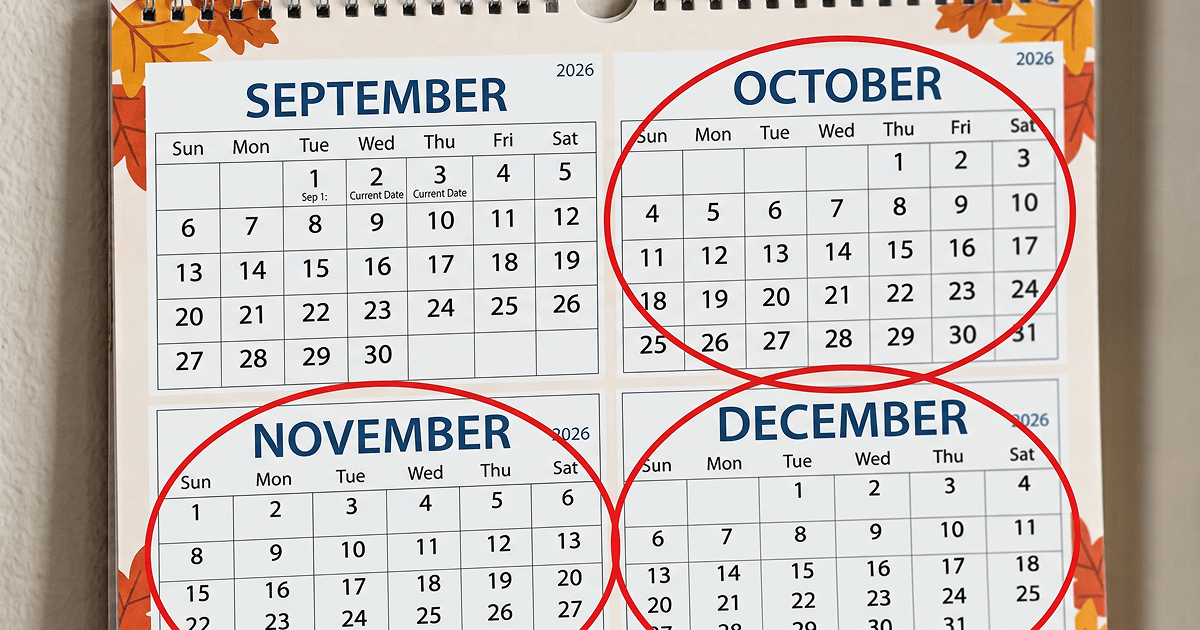
If you're planning to buy a car before the end of 2026, November and December are worth watching. Manufacturers may offer seasonal incentives, and dealerships could have outgoing models they're ready to sell.
For shoppers focused on saving money, late 2026 is a good time to compare offers. Waiting until early 2027 could also pay off, particularly on leftover inventory, but you risk losing the trim or color you want.
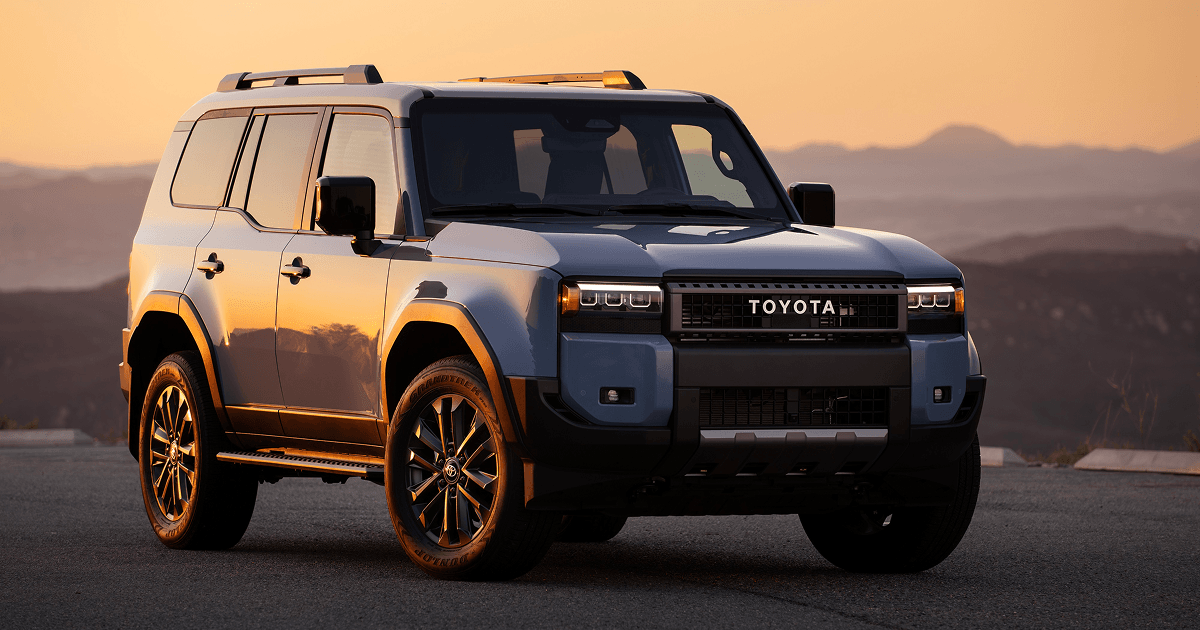
The biggest factor may be the vehicle itself. A popular Toyota hybrid with limited availability is unlikely to see the same discounts as an SUV that's been sitting on a dealership lot for several months.
Is It Better to Buy a Car at the End of 2026 or Wait Until 2027?
Start shopping in October or November rather than waiting until the final week of December. That gives you time to compare vehicles, check incentives, and recognize a competitive offer when one appears.
| Buying factor | End of 2026 | Early 2027 |
|---|---|---|
| Discounts | Potential savings on outgoing models | Possible deals on leftover 2026 inventory |
| Incentives | Holiday rebates and financing offers | New programs may replace December offers |
| Selection | More outgoing inventory may be available | Fewer leftover trims and colors |
| Best for | Shoppers ready to buy | Shoppers who can wait or want a newer model |
Neither period guarantees the lowest price. The better choice depends on the vehicle, local inventory, and total purchase cost.
What Makes the End of 2026 Different for Car Buyers?
New car prices remain high, but inventory has improved.
Kelley Blue Book reported an average new vehicle transaction price of $50,562 in September 2026. Cox Automotive reported approximately 2.8 million new vehicles in inventory that month, representing an 82-day supply.
Those national averages hide substantial differences between vehicles.
Which Vehicles May Offer Better Discounts?
Some vehicles had considerably more inventory than others in September 2026.
| Vehicle | September 2026 days of supply |
|---|---|
| Toyota RAV4 | 24 |
| Toyota Camry | 22 |
| Ram 1500 | 142 |
| Jeep Wrangler | 162 |
| Jeep Grand Cherokee | 179 |
Days of supply estimates how long available inventory would last at the current sales pace. Higher supply can create negotiating opportunities, but it doesn't guarantee discounts.
A shopper considering a Toyota RAV4 may have limited room to negotiate if dealerships have few available. Someone shopping for a Jeep Grand Cherokee could have more choices and potentially more competitive offers.
The arrival of 2027 models also matters. Cox Automotive reported that 2027 vehicles represented 22.4% of new inventory at the end of September 2026, compared with 38.3% for the next model year at the same point in 2025.
With fewer newer models arriving, some dealerships may have less pressure to clear their 2026 inventory.
These figures reflect September's national market, not today's inventory at a particular dealership. Check local listings before making a purchase decision.
Why December Can Be a Good Time to Buy a New Car
December has historically been one of the strongest months for new car discounts.
Edmunds reported that the industry-wide average discount from MSRP was 4.7% in December 2025, compared with 4.0% in January 2025. Those are historical results, not a prediction of discounts for December 2026.
Manufacturers may offer customer cash, promotional financing, or lease specials as the year ends. Dealerships may also be motivated to sell outgoing inventory or meet sales targets.
However, holiday promotions aren't automatically better than offers available earlier in November.
Black Friday can be worth checking, but review eligibility requirements and confirm the advertised vehicle is available.
There's also no need to wait until December 31. If you find the right vehicle at a competitive price earlier in the month, delaying could mean losing it.
Could January or February 2027 Be Cheaper?
Yes, particularly if dealerships still have unsold 2026 models.
But remaining inventory may be limited, and manufacturer incentives can change when December ends.
Consider this hypothetical comparison for the same new SUV.
| Cost | December 2026 | January 2027 |
|---|---|---|
| MSRP | $38,000 | $38,000 |
| Dealer discount | $1,500 | $2,000 |
| Manufacturer rebate | $2,000 | $500 |
| Price after discounts | $34,500 | $35,500 |
Although the dealership offers a larger discount in January, the December purchase costs $1,000 less before taxes and fees because of the manufacturer rebate.
The opposite could happen if a dealership substantially reduces the price of a leftover vehicle.
Waiting makes sense if you don't need a car immediately, want to compare a newly arriving 2027 model, or need more time to prepare financially.
Should You Buy a 2026 Model or a 2027 Model?
A discounted 2026 vehicle may offer better value when the newer version has only minor changes.
If a 2027 model costs $3,000 more but offers similar features and performance, the outgoing vehicle could be the smarter purchase.
However, a new hybrid system, improved safety technology, or significant redesign may justify the higher price.
Compare the features you'll use, the actual purchase price, and expected ownership costs. A newer model year may also retain more resale value, depending on the vehicle.
Should You Wait for Lower Interest Rates in 2027?
There's no guarantee auto loan rates will decline in early 2027.
Your APR depends on your credit, lender, loan term, and available manufacturer promotions.
For example, financing $35,000 over 60 months at 4% APR costs approximately $3,675 in interest. At 8% APR, interest rises to approximately $7,581.
That's nearly $3,900 in additional financing costs.
A promotional APR in December could be more valuable than a modest January vehicle discount. But compare the total cost because some financing offers cannot be combined with manufacturer rebates.
Is Late 2026 a Good Time to Buy a Used Car?
Used car pricing works differently.
Manufacturer clearance incentives generally don't apply. Instead, condition, mileage, vehicle history, and local demand have a greater influence on value.
A used vehicle that's been in dealership inventory for an extended period may offer negotiating opportunities, regardless of the month.
Focus on finding a well-maintained vehicle at a fair price rather than waiting for a specific date.
If you're trading in your current vehicle, remember that its value can also change while you wait.
How to Get the Best Car Deal Before the End of 2026
A few steps can help you recognize a worthwhile offer.
- Compare available inventory. Look for similar vehicles at multiple dealerships, checking the exact trim, drivetrain, and equipment.
- Request written quotes. Confirm the selling price, applicable incentives, and whether the vehicle is available.
- Compare the out-the-door price. Include taxes, registration, dealership fees, and any accessories. AutoFinder's Out the Door Price Calculator can help.
- Review financing. Compare a bank or credit union pre-approval with dealership financing and manufacturer promotions.
- Research your trade-in. Understand your vehicle's value and ask for the trade-in allowance to be itemized separately. Read How Does Trading In a Car Work? for additional guidance.
The Verdict: Buy at the End of 2026 or Wait Until Early 2027?
November and December 2026 are good months to shop if you're ready to buy, especially when dealerships have outgoing inventory and manufacturer incentives are available.
But the largest discounts won't necessarily be on the most popular vehicles. Inventory, demand, and financing terms can matter more than the date.
Waiting until early 2027 makes sense if you want a particular new model, haven't found a competitive offer, or need more time to prepare.
The best time to buy is when you've found the right vehicle, compared the available offers, and understand the total cost.
Want More Car Buying Advice?
Add AutoFinder as a preferred source on Google to help you discover more of our automotive guides and research.