What Is Blind Spot Monitoring and Is It Worth It
Last updated Apr 17th, 2026Blind spot monitoring is a safety feature that alerts you when a vehicle is in your blind spot.
Here is why it matters:
- Helps prevent lane change accidents
- Gives you extra awareness on the road
- Works quietly in the background
- Especially useful on highways
- Adds confidence to everyday driving
For many drivers, it quickly becomes one of those features you do not want to drive without.
Find Your Best Price
See what others paid and get upfront pricing from local dealers.

What Is Blind Spot Monitoring
Let’s start simple.
Blind spot monitoring is a system that helps you detect vehicles you might not see when changing lanes.
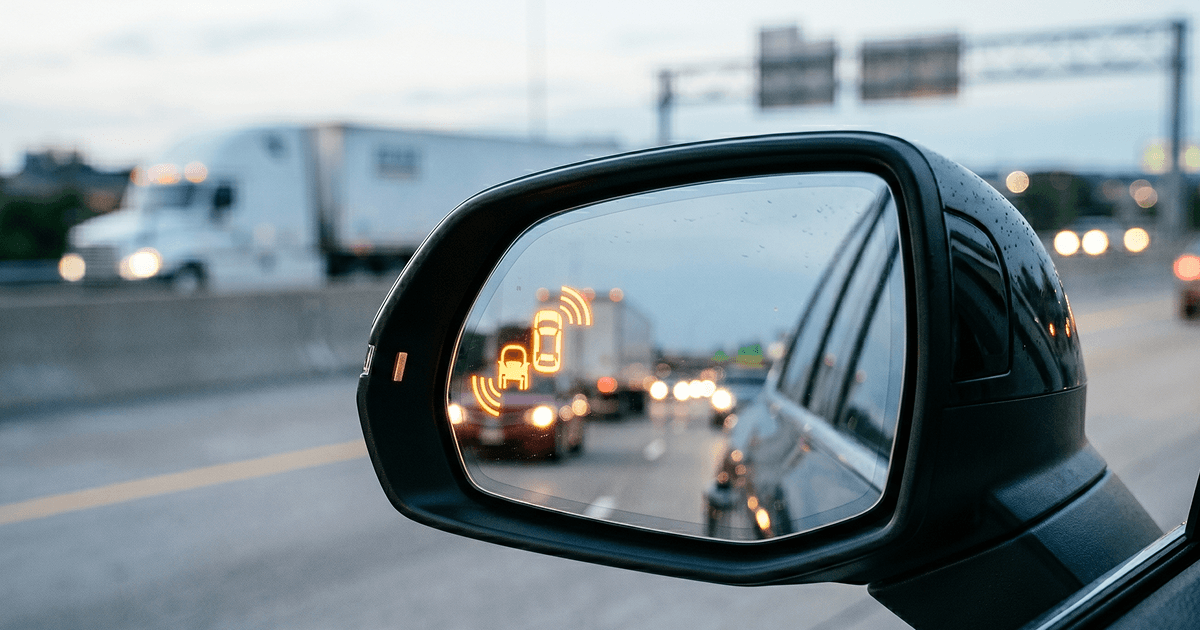
Your car uses sensors, usually near the rear bumper, to track vehicles in the lanes next to you. If a car is sitting in your blind spot, the system alerts you.
That alert might be:
- A small light in your side mirror
- A warning sound
- A visual message on your dashboard
It is not there to take over driving. It is there to give you a helpful heads-up.
How Blind Spot Monitoring Works
The system is always quietly scanning the area around your car.
When another vehicle enters your blind spot:
- Sensors detect its position
- A warning light appears in your mirror
- If you signal to change lanes, you may get an additional alert
It all happens in real time, without you needing to think about it.
That is what makes it so useful. It works in the background and steps in when you need it.
Why Blind Spots Are a Real Problem
Every car has blind spots.
Even with mirrors adjusted correctly, there are angles where another vehicle can sit just out of view.
This is especially common:
- On highways with multiple lanes
- In heavier traffic
- When vehicles are moving at different speeds
Blind spot monitoring helps close that gap and gives you more complete awareness.
What It Feels Like in Real Driving
This is where the feature really shines.
In everyday situations:
- On the highway, it helps you change lanes with more confidence
- In traffic, it keeps you aware of cars moving around you
- During longer drives, it reduces the need to constantly double-check
You still check your mirrors. You still stay alert.
But now you have a backup system supporting you.
Is Blind Spot Monitoring Worth It
Short answer: for most drivers, yes.
It is one of the most practical safety features you can have.
Here is why people find it worth it:
- It helps prevent common lane change mistakes
- It works automatically without effort
- It adds confidence in busy driving situations
- It becomes second nature very quickly
It is not flashy, but it is incredibly useful.
When It Matters Most
Blind spot monitoring is especially valuable if you:
- Drive on highways often
- Commute in traffic
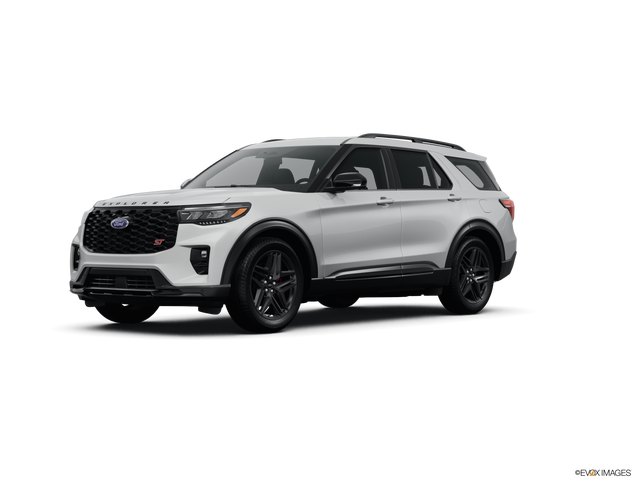
- Drive larger vehicles like SUVs or trucks
- Want extra confidence when changing lanes
The more you drive in these situations, the more you will appreciate it.
Are There Any Limitations
Like any feature, it is not perfect.
It works best when:
- Sensors are clean
- Weather conditions are clear
- Vehicles are moving at normal speeds
It may not detect:
- Very fast approaching vehicles immediately
- Motorcycles in certain positions
- Stationary objects
That is why it is a support tool, not a replacement for awareness.
Cars Known for Strong Blind Spot Monitoring Systems
Many manufacturers now include blind spot monitoring, but some have made it a priority across their lineup.
Brands often recognized for strong safety feature availability include:
- Subaru, known for including driver assistance features as standard on many models
- Volvo, with a strong focus on safety innovation
- Honda and Toyota, offering dependable systems across multiple vehicles
- Hyundai and Kia, making these features more accessible at different price points
The key is checking how the feature is included on the specific vehicle and trim you are considering.
AutoFinder makes it easy to compare vehicles and see exactly which safety features are included.
Blind Spot Monitoring vs Just Using Mirrors
You might be thinking:
“Do I really need this if I already check my mirrors”
Fair question.
The difference is consistency.
Blind spot monitoring:
- Never gets distracted
- Always checks the same area
- Alerts you instantly
It adds a layer of reliability that complements what you are already doing.
How It Fits Into Overall Safety
Blind spot monitoring is one piece of a bigger safety system.
It works best when combined with features like:
- Lane keeping assist
- Rear cross traffic alert
- Automatic emergency braking
Together, these features create a more complete safety net.
If you are comparing vehicles, our guide on how to compare car prices like a pro can help you evaluate these features alongside cost so you understand the full value.
Safety Features and Value
A car with blind spot monitoring may sometimes cost slightly more depending on the trim.
But that added feature often brings real value.
If you are deciding whether that price makes sense, understanding what is a good deal on a car in 2026 can help you see how safety features fit into the bigger picture.
What It Feels Like to Have It
Once you drive a car with blind spot monitoring, it becomes part of your routine.
You feel:
- More aware of your surroundings
- More confident changing lanes
- Less stressed in traffic
It is one of those features you do not think about until it helps you, and then you really appreciate it.
Final Thought
Blind spot monitoring is not about replacing your driving. It is about supporting it.
It helps you catch what you might miss and adds confidence in everyday situations.
For most drivers, it is absolutely worth having.
And when you use AutoFinder to compare vehicles, it becomes easy to find cars that include the features that matter most to you.
Want More Car Buying Advice?
Add AutoFinder as a preferred source on Google to help you discover more of our automotive guides and research.
FAQs
Does blind spot monitoring work all the time?
Blind spot monitoring works most of the time when sensors are clear and conditions are normal. However, it may be less effective in heavy weather or if sensors are blocked. It is designed to assist you, not replace checking your surroundings.
Is blind spot monitoring standard on most cars?
Many newer vehicles include blind spot monitoring, but it is not always standard on every trim. Sometimes it is part of a package or higher trim level. It is always worth checking the specific vehicle details to see if it is included.
Can blind spot monitoring prevent accidents?
It can help reduce the risk of accidents by alerting you to vehicles you may not see. While it does not take control of the car, it provides an extra layer of awareness that can help you make safer decisions.
The information provided in this article is for general informational purposes only and may change over time. Vehicle pricing, availability, specifications, incentives, financing terms, interest rates, and other details may vary by vehicle, dealer, lender, location, and individual circumstances. AutoFinder does not guarantee the accuracy or availability of information provided by third parties. Always confirm current vehicle details, pricing, terms, and eligibility directly with the participating dealer or appropriate provider before making a purchase or financial decision.