Top 10 Must Have Car Tech Features in 2026
Last updated Sep 30th, 2026Today's vehicles offer far more than comfortable seats and larger touchscreens.
From advanced driver assistance systems to smartphone integration and over-the-air software updates, technology has become one of the biggest factors shoppers consider when purchasing a new vehicle.
The challenge isn't finding a vehicle with technology. It's knowing which features actually improve the ownership experience and which ones are simply nice to have.
This guide highlights 10 of the most useful car technology features available in 2026 and explains why they're worth considering before buying your next vehicle.
Find Your Best Price
See what others paid and get upfront pricing from local dealers.

How We Chose These Features
Not every new feature adds meaningful value.
For this list, we focused on technologies that improve everyday driving through greater convenience, safety, connectivity, or long-term ownership benefits.
Our selections are based on:
- Everyday usefulness
- Driver convenience
- Safety benefits
- Availability across multiple manufacturers
- Long-term ownership value
Whether you're shopping for your first new vehicle or upgrading from an older model, these technologies can make driving easier and more enjoyable.
Why Vehicle Technology Matters More Than Ever
Technology has quickly become one of the biggest differences between older and newer vehicles.
Many of today's systems can help drivers avoid accidents, reduce stress during long trips, simplify parking, or keep software current without visiting a dealership.
While every buyer has different priorities, choosing the right technology today can improve your ownership experience for years to come.
1. Wireless Apple CarPlay and Android Auto
Why It Matters: Seamless smartphone connectivity.
Few features have changed the driving experience as much as wireless smartphone integration.
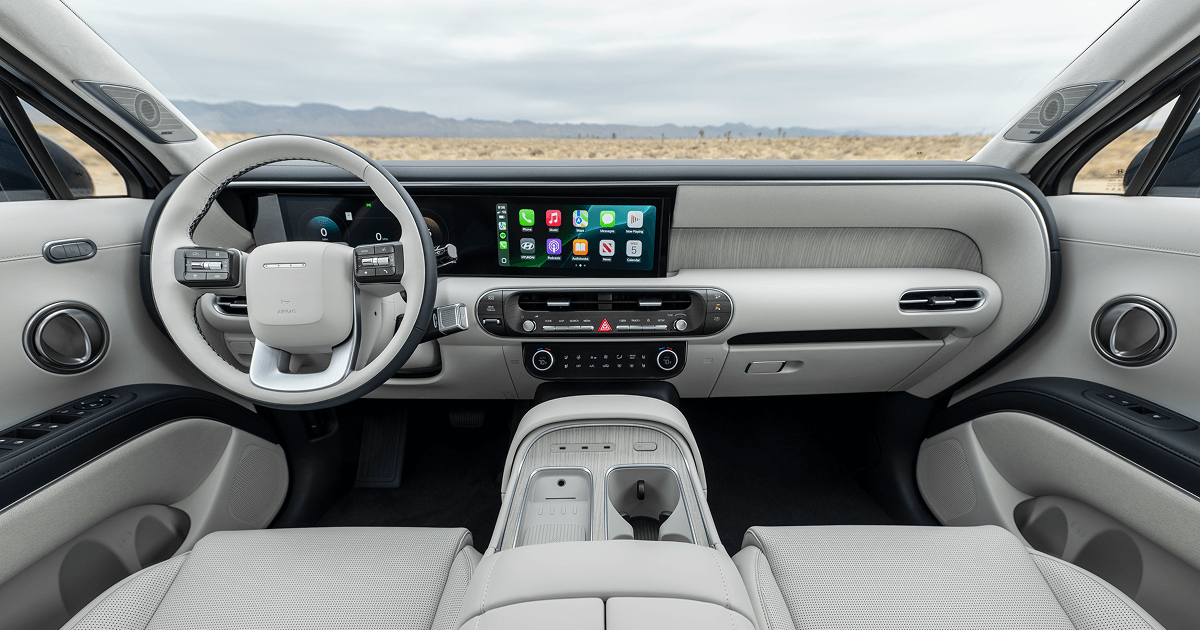
Wireless Apple CarPlay and Android Auto allow drivers to access navigation, music, phone calls, messages, and many favorite apps without plugging in a cable every time they get into the vehicle.
Whether you're using Google Maps to find your next destination or listening to your favorite podcast during your commute, wireless connectivity keeps your phone safely integrated into the vehicle's infotainment system.
It's a feature many drivers quickly begin to rely on every day.
2. Hands-Free Highway Driving
Why It Matters: Reduced fatigue during long trips.
Hands-free highway driving continues to expand across the automotive industry.
Systems like GM Super Cruise, Ford BlueCruise, and similar technologies allow drivers to remove their hands from the steering wheel on certain compatible highways while the vehicle manages steering, acceleration, and braking.
Drivers must still remain attentive and ready to take control, but these systems can significantly reduce fatigue during longer highway drives.
For commuters and road trip enthusiasts, this technology is becoming increasingly desirable.
3. 360 Degree Camera Systems
Why It Matters: Easier parking and maneuvering.
Parking lots continue to become more crowded while vehicles continue to grow larger.
A 360-degree camera system combines images from multiple cameras to create an overhead view around your vehicle, helping you avoid curbs, shopping carts, bicycles, and other obstacles that may be difficult to see.
This feature is especially valuable on larger SUVs and pickup trucks, but drivers of all vehicle types can benefit from the added visibility.
Once you've used one, it's difficult to imagine parking without it.
4. Blind Spot Monitoring with Rear Cross Traffic Alert
Why It Matters: Added confidence in everyday driving.
Changing lanes and backing out of parking spaces are among the most common situations where accidents occur.
Blind Spot Monitoring alerts drivers when another vehicle is traveling alongside them, while Rear Cross Traffic Alert helps detect approaching traffic when backing out of parking spaces.
Together, these systems provide another layer of awareness that can help drivers make safer decisions in busy traffic and crowded parking lots.
While they don't replace attentive driving, they can help reduce common mistakes.
5. Automatic Emergency Braking
Why It Matters: One of the most important safety technologies available.
Automatic Emergency Braking has become one of the most valuable safety features offered on modern vehicles.
Using cameras, radar, or a combination of sensors, these systems monitor traffic ahead and can provide warnings or automatically apply the brakes if a potential collision is detected and the driver doesn't respond in time.
While every system operates differently depending on the manufacturer, Automatic Emergency Braking has become an important technology that many shoppers now expect as standard equipment.
It's a feature that provides added confidence every time you drive.
6. Digital Key and Phone as a Key
Why It Matters: More convenience, fewer keys.
Leaving your keys at home used to mean your trip was over. Today, many newer vehicles allow you to unlock, lock, and even start your car using your smartphone.
Digital Key technology, sometimes called Phone as a Key, is becoming increasingly common across many brands. Some systems even let you share temporary digital access with family members or friends, eliminating the need to hand over a physical key.
Beyond convenience, many digital key systems offer additional security features and can automatically recognize different drivers to load personalized seat positions, climate settings, and infotainment preferences.
As more drivers rely on their smartphones throughout the day, this technology is quickly becoming a feature worth looking for.
7. Over the Air Software Updates
Why It Matters: Your vehicle can improve over time.
Modern vehicles are becoming more like smartphones, with software playing a larger role in how they operate.
Over-the-air updates allow manufacturers to improve vehicle software remotely without requiring a trip to the dealership. Updates may include infotainment improvements, navigation enhancements, bug fixes, performance refinements, or new vehicle features.
While Tesla helped popularize this technology, many manufacturers now offer some form of remote software updating.
For owners, it means their vehicle can continue improving long after they drive it home.
8. Head Up Display
Why It Matters: Important information stays in your line of sight.
A Head Up Display projects information such as speed, navigation directions, and driver assistance alerts onto the windshield or a transparent display directly in front of the driver.
Instead of glancing down at the instrument panel, drivers can keep their eyes closer to the road while still viewing essential information.
Although once limited to luxury vehicles, Head Up Displays are becoming more common on mainstream models.
For drivers who frequently travel on highways or unfamiliar roads, it's a feature that can make driving feel more intuitive.
9. Adaptive Cruise Control with Lane Centering
Why It Matters: Less stress during highway driving.
Traditional cruise control maintains only a set speed.
Adaptive Cruise Control automatically adjusts your speed to maintain a safe following distance from the vehicle ahead, while Lane Centering helps keep the vehicle positioned within its lane.
Together, these technologies make highway driving smoother and less tiring, especially during heavy traffic or long road trips.
While drivers must remain attentive and ready to take control, these systems provide meaningful assistance that many owners quickly come to appreciate.
10. Built-In Google and AI-Powered Voice Assistants
Why It Matters: Easier access to navigation, entertainment, and vehicle controls.
Voice assistants have become much more capable in recent years.
Many vehicles now include Google Built In, Amazon Alexa integration, or advanced manufacturer-specific voice assistants that can perform far more than simple navigation requests.
Drivers can ask for directions, adjust cabin temperature, find charging stations, play music, send messages, or answer questions using natural voice commands.
As artificial intelligence continues to evolve, voice assistants are becoming an increasingly useful part of the driving experience.
Which Tech Features Are Worth Paying Extra For?
Not every available technology package offers the same value.
If you're working within a budget, prioritize features that improve your everyday driving experience rather than those that simply look impressive on a brochure.
Some of the best investments include:
- Wireless Apple CarPlay and Android Auto
- Adaptive Cruise Control
- Blind Spot Monitoring
- Automatic Emergency Braking
- 360 Degree Camera Systems
These technologies provide benefits you'll likely use every time you drive.
Luxury features like ambient lighting, premium audio systems, or larger displays can certainly enhance the ownership experience, but they may not deliver the same everyday value for every shopper.
Should Technology Influence Which Trim You Buy?
Absolutely.
Many of today's most desirable technology features are available only on specific trim levels or as part of optional equipment packages.
A lower-priced trim may appear to offer better value initially, but stepping up one trim level could unlock features like wireless smartphone integration, additional safety technology, or a larger infotainment display that you'll enjoy for years to come.
Before making your decision, compare trims carefully to understand which technologies are included and which require an upgrade.
Final Thoughts
Vehicle technology continues to evolve at an incredible pace, making today's cars smarter, safer, and more connected than ever before.
Features like Wireless Apple CarPlay and Android Auto, Adaptive Cruise Control, Automatic Emergency Braking, and Blind Spot Monitoring have become everyday conveniences that many drivers quickly consider essential.
At the same time, newer innovations such as Digital Key technology, Over the Air software updates, and advanced AI-powered voice assistants are reshaping what drivers can expect from a modern vehicle.
As you shop for your next car, remember that the best technology isn't necessarily the newest. It's the technology you'll actually use every day.
When you're ready to compare trims, features, and local inventory, AutoFinder makes it easy to find a vehicle with the technology that matters most to you.
Want More Car Buying Advice?
Add AutoFinder as a preferred source on Google to help you discover more of our automotive guides and research.
FAQs
What is the most useful car technology feature in 2026?
While every driver's needs are different, Wireless Apple CarPlay and Android Auto, Automatic Emergency Braking, Adaptive Cruise Control, and Blind Spot Monitoring are among the most useful features because they improve convenience and safety during nearly every drive.
Are advanced driver assistance features worth paying for?
For many buyers, yes. Features like Adaptive Cruise Control, Lane Centering, Blind Spot Monitoring, and Automatic Emergency Braking can make driving less stressful while providing additional confidence in everyday situations.
What are Over the Air software updates?
Over-the-air updates allow manufacturers to remotely update your vehicle's software without requiring a dealership visit. Updates may improve infotainment systems, navigation, vehicle performance, and other software-based features.
Should I choose a higher trim level for more technology?
It depends on which features are important to you. Many desirable technologies are available only on certain trims or optional packages, so comparing trim levels before buying can help ensure you get the features you'll use most often.
How can AutoFinder help me compare vehicle technology?
AutoFinder makes it easy to compare trims, pricing, available technology features, safety equipment, and local dealer inventory so you can confidently choose a vehicle with the features that best fit your lifestyle.

The information provided in this article is for general informational purposes only and may change over time. Vehicle pricing, availability, specifications, incentives, financing terms, interest rates, and other details may vary by vehicle, dealer, lender, location, and individual circumstances. AutoFinder does not guarantee the accuracy or availability of information provided by third parties. Always confirm current vehicle details, pricing, terms, and eligibility directly with the participating dealer or appropriate provider before making a purchase or financial decision.