Top 10 Cars With the Best Hands Free Driving Technology
Last updated Sep 30th, 2026When people search for self-driving cars, they're usually looking for one thing.
A vehicle that makes driving easier.
While no consumer vehicle sold today is fully self-driving, many new vehicles offer advanced driver assistance systems that can help reduce the stress of long highway drives, stop-and-go traffic, and everyday commuting.
These technologies can automatically maintain speed, keep the vehicle centered in its lane, assist with steering, and even perform lane changes in certain situations.
The important thing to remember is that these systems still require the driver to remain attentive and ready to take control whenever necessary.
For this guide, we selected vehicles with some of the most advanced driver assistance technologies available today while also considering comfort, reliability, ease of use, and overall ownership experience.
Find Your Best Price
See what others paid and get upfront pricing from local dealers.

How We Chose These Vehicles
The best driver assistance systems do more than add impressive technology.
They make everyday driving feel less demanding.
To build this list, we evaluated each vehicle based on:
- Hands-free highway capability
- Adaptive Cruise Control performance
- Lane Centering
- Driver monitoring systems
- Ease of operation
- Safety technology
- Reliability
- Everyday comfort
- Overall ownership experience
Rather than focusing on futuristic promises, we focused on technologies you can actually use today.
What Does "Self Driving" Really Mean?
The phrase "self driving" gets used a lot.
In reality, today's consumer vehicles still require active driver supervision.
Most of the vehicles on this list operate at what's commonly referred to as Level 2 driver assistance.
That means the vehicle can help with steering, accelerating, and braking under certain conditions, but the driver must remain attentive, keep their eyes on the road, and be ready to take over at any time.
These systems are designed to reduce workload.
They are not designed to replace the driver.
Understanding that distinction helps set realistic expectations and allows you to get the most benefit from these impressive technologies.
How Hands-Free Driving Can Improve Everyday Travel
Driver assistance technology isn't just about convenience.
It can also help reduce fatigue during long drives.
Many systems can:
- Maintain a safe following distance.
- Keep the vehicle centered within its lane.
- Assist during stop-and-go traffic.
- Reduce steering effort on long highway trips.
- Help manage speed automatically.
For commuters and road trip enthusiasts, these features can make driving feel noticeably less stressful.
1. Chevrolet Equinox EV
Best For: Drivers looking for advanced technology at an accessible price.
The Chevrolet Equinox EV brings one of the industry's most respected driver assistance systems to a wider audience through available Super Cruise.
On compatible highways, Super Cruise allows for hands-free driving while continuously monitoring the driver's attention using an advanced driver monitoring system.
The experience feels remarkably smooth, with confident lane centering, natural steering inputs, and adaptive cruise control that handles changing traffic conditions comfortably.
Beyond its impressive technology, the Equinox EV also offers a spacious cabin, intuitive infotainment system, and practical electric driving range that makes it easy to live with every day.
For buyers interested in experiencing hands-free highway driving without moving into a luxury price range, the Equinox EV is an outstanding place to start.
Things to Consider
Super Cruise operates only on compatible roads and still requires drivers to remain attentive.
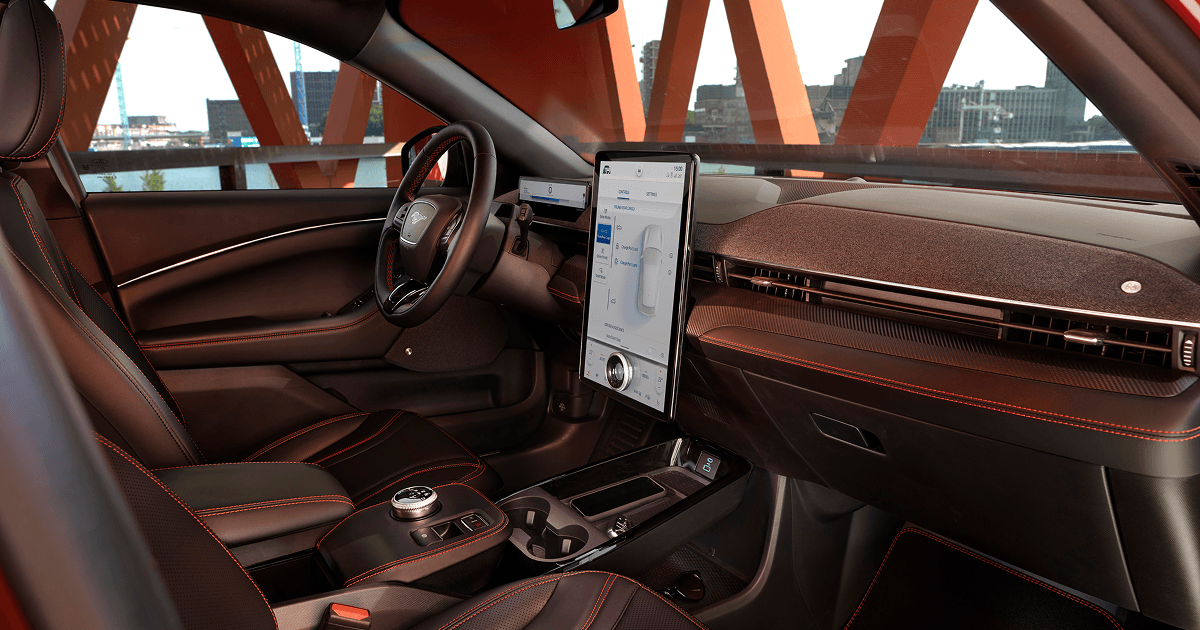
2. Ford Mustang Mach-E
Best For: Drivers who want one of the best highway assistance systems available.
Ford's BlueCruise has quickly become one of the strongest competitors in the hands-free driving space.
Available on the Mustang Mach-E, BlueCruise delivers confident lane centering, adaptive cruise control, and hands-free driving on thousands of miles of approved highways.
The system also monitors driver attention to ensure drivers remain engaged while allowing them to relax their hands during supported driving situations.
The Mustang Mach-E itself offers impressive electric performance, comfortable seating, and modern technology that complements the driving experience.
For many buyers, BlueCruise is one of the easiest systems to trust because of its smooth, predictable operation.
Things to Consider
Some BlueCruise features require an active subscription after the included trial period.
3. Cadillac Lyriq
Best For: Buyers seeking luxury and advanced driving technology.
The Cadillac Lyriq combines premium comfort with one of the most polished implementations of Super Cruise currently available.
The quiet cabin creates an ideal environment for highway travel, while Super Cruise confidently manages steering, speed, and available automatic lane changes on compatible roads.
The system transitions smoothly between driving situations, helping reduce fatigue during longer trips.
Inside, the Lyriq surrounds passengers with premium materials, a large curved display, and a refined driving experience that feels every bit as advanced as its technology suggests.
It's a luxury SUV that's as relaxing to drive as it is impressive to look at.
Things to Consider
Luxury pricing places it above many mainstream competitors.
4. Hyundai Ioniq 5
Best For: Drivers wanting advanced technology without a luxury price tag.
The Hyundai Ioniq 5 offers one of the most complete collections of driver assistance features in its segment.
Highway Driving Assist 2 combines adaptive cruise control, lane centering, and additional highway support technologies to reduce driver workload during longer trips.
Although it isn't a true hands free system in the same way as Super Cruise or BlueCruise, its smooth operation and intuitive controls make it one of the easiest systems to use.
The Ioniq 5 also delivers excellent electric driving range, a roomy cabin, and fast charging capability that makes road trips more practical.
It's one of the most balanced electric vehicles available today.
Things to Consider
Drivers must continue keeping their hands on the steering wheel while using Highway Driving Assist.
5. Kia EV9
Best For: Families wanting advanced technology in a spacious SUV.
The Kia EV9 brings cutting-edge driver assistance technology to one of the newest three-row electric SUVs on the market.
Available Highway Driving Assist 2 helps manage speed, steering, and highway travel while reducing driver workload during longer trips.
The spacious cabin comfortably accommodates families while offering impressive technology throughout the interior.
Combined with generous passenger space, strong electric driving range, and thoughtful storage solutions, the EV9 demonstrates how advanced technology can complement everyday practicality.
For families interested in the latest safety and convenience features, it's one of the most compelling choices available.
Things to Consider
Like other Level 2 systems, drivers must remain attentive and ready to take control.
6. BMW i5
Best For: Drivers looking for luxury with advanced highway assistance.
The BMW i5 combines premium comfort with one of the most sophisticated driver assistance systems available today.
Available Highway Assistant allows for hands-free driving on compatible highways at certain speeds while continuously monitoring the driver's attention. The system also offers available eye-activated lane changes, allowing drivers to initiate a lane change simply by looking at the appropriate side mirror when prompted.
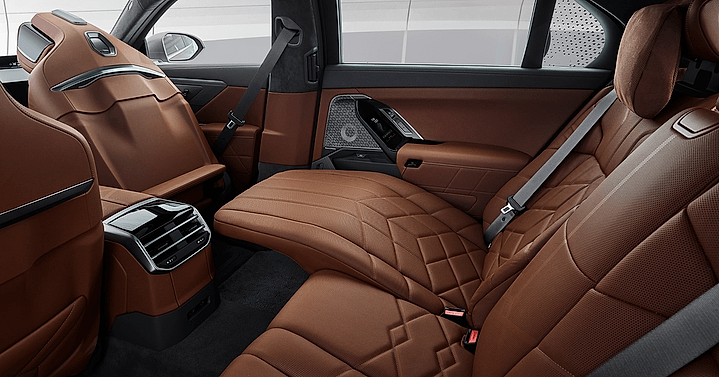
Beyond its advanced technology, the i5 delivers the smooth ride, responsive handling, and refined interior BMW is known for. Large digital displays, supportive seating, and high quality materials create an environment that's enjoyable during both daily commutes and long road trips.
For buyers looking for cutting-edge technology without sacrificing driving enjoyment, the BMW i5 is an impressive option.
Things to Consider
Many advanced driver assistance features are available only on higher trims or through optional packages.
7. Mercedes-Benz E-Class
Best For: Buyers seeking luxury and intelligent driver assistance.
The Mercedes-Benz E-Class has long been recognized for introducing advanced automotive technology, and the latest generation continues that tradition.
Available Driver Assistance Package features include Active Distance Assist DISTRONIC®, Active Steering Assist, Active Lane Change Assist, and additional technologies that help reduce driver workload during highway travel.
The system delivers smooth steering inputs and natural braking, creating a relaxed driving experience while still requiring the driver to remain engaged.
Inside, the E-Class offers a quiet cabin, premium materials, advanced digital displays, and exceptionally comfortable seating that make every journey feel refined.
It's a luxury sedan designed around comfort, confidence, and innovation.
Things to Consider
Advanced driver assistance packages may increase the overall purchase price.
8. Nissan Ariya
Best For: Drivers wanting approachable driver assistance technology.
The Nissan Ariya combines modern electric performance with one of Nissan's most advanced driver assistance systems.
Available ProPILOT Assist 2.0 allows for hands-free driving on certain compatible highways while using cameras, radar, and driver monitoring technology to help manage steering, speed, and following distance.
The Ariya's quiet cabin, comfortable seating, and smooth acceleration make it particularly enjoyable during longer trips.
Its intuitive technology is also easy to learn, making it a great choice for drivers who may be experiencing advanced driver assistance features for the first time.
For buyers interested in practical electric driving with advanced highway support, the Ariya deserves serious consideration.
Things to Consider
Some ProPILOT Assist features are available only on specific trims.
9. Tesla Model 3
Best For: Drivers interested in Tesla's technology ecosystem.
Few vehicles have generated as much conversation around driver assistance technology as the Tesla Model 3.
Its standard Autopilot system provides adaptive cruise control and lane centering, while optional Full Self Driving (Supervised) expands the vehicle's capabilities with additional driver assistance features.
Despite the name, it's important to understand that Full Self Driving (Supervised) still requires the driver to remain attentive, monitor the driving environment, and be prepared to take control at any moment.
The Model 3 also delivers impressive electric range, quick acceleration, and access to Tesla's extensive Supercharger network.
For buyers who value technology and continuous software updates, it's one of the most compelling electric sedans available.
Things to Consider
Driver supervision remains essential whenever these features are active.
10. Honda Accord
Best For: Buyers wanting advanced safety technology at an affordable price.
Not every excellent driver assistance system requires a luxury vehicle.
The Honda Accord demonstrates that modern safety technology can be accessible to a wide range of buyers.
Honda Sensing® includes Adaptive Cruise Control with Low Speed Follow, Lane Keeping Assist, Collision Mitigation Braking, and Traffic Jam Assist on select models.
While the Accord doesn't offer hands free highway driving like some vehicles higher on this list, its systems are exceptionally smooth, intuitive, and easy to trust during everyday commuting.
Combined with excellent fuel economy, comfortable seating, and Honda's outstanding reputation for reliability, the Accord remains one of the smartest all-around choices for buyers who value advanced technology.
Things to Consider
Drivers specifically seeking hands-free highway capability should compare vehicles equipped with Super Cruise or BlueCruise.
Understanding Driver Assistance Levels
One of the biggest misconceptions about today's vehicles is that they're fully self-driving.
In reality, most consumer vehicles currently available operate with Level 2 driver assistance.
Here's a simple way to understand the different levels:
- Level 0: The driver performs all driving tasks.
- Level 1: Basic assistance, such as adaptive cruise control or lane keeping.
- Level 2: The vehicle can assist with steering, braking, and accelerating simultaneously under certain conditions, but the driver must remain attentive and ready to take over at all times.
- Level 3 and above: Increasing levels of automation are available in limited situations, but widespread use remains restricted and depends on regulations, road conditions, and vehicle capabilities.
For most shoppers today, Level 2 systems offer the best combination of convenience and real-world usability.
Are Hands-Free Driving Systems Worth It?
For many drivers, the answer is yes.
If you regularly commute on highways or take long road trips, advanced driver assistance technology can make driving feel less tiring by helping maintain speed, lane position, and safe following distances.
These systems are designed to assist the driver, not replace them.
When used correctly, they can improve comfort and reduce the workload associated with repetitive highway driving.
As the technology continues to evolve, many buyers now consider advanced driver assistance features just as important as fuel economy or infotainment systems.
Final Thoughts
Advanced driver assistance technology is changing the way people drive.
While today's vehicles are not fully self-driving, many can significantly reduce the stress of highway travel by helping with steering, braking, acceleration, and maintaining lane position under the right conditions.
Whether you're interested in the industry leading capabilities of Super Cruise, the confidence of Ford BlueCruise, the innovation of Tesla, or the everyday practicality of Honda Sensing®, there's a vehicle that fits both your driving style and your budget.
When you're ready to compare trims, explore available inventory, and connect with trusted dealerships, AutoFinder makes it easy to find a vehicle equipped with the technology that can make every drive more comfortable and enjoyable.
Want More Car Buying Advice?
Add AutoFinder as a preferred source on Google to help you discover more of our automotive guides and research.
FAQs
Are there any fully self driving cars available today?
No. While many new vehicles offer advanced driver assistance systems that can help with steering, braking, and acceleration under certain conditions, no consumer vehicle currently available is fully self-driving. Drivers must remain attentive and ready to take control at all times.
What is the difference between hands free driving and self driving?
Hands-free driving systems can allow you to remove your hands from the steering wheel in certain situations on compatible roads while the vehicle assists with driving tasks. Self-driving implies full vehicle autonomy, which is not available in today's consumer vehicles.
Which manufacturer has the best hands free driving technology?
General Motors' Super Cruise and Ford BlueCruise are widely recognized among the leading hands-free highway driving systems. Other manufacturers, including BMW, Mercedes-Benz, Hyundai, Kia, Nissan, Tesla, and Honda, also offer advanced driver assistance technologies with different capabilities.
Are hands free driving systems safe?
When used as intended, advanced driver assistance systems can help reduce driver workload and improve comfort during highway travel. However, drivers must remain attentive, monitor road conditions, and be prepared to take control whenever necessary.
How can AutoFinder help me compare vehicles with advanced driver assistance technology?
AutoFinder lets you compare driver assistance features, safety technology, available trims, pricing, and local dealer inventory so you can choose a vehicle with the technology that best matches your driving needs.
The information provided in this article is for general informational purposes only and may change over time. Vehicle pricing, availability, specifications, incentives, financing terms, interest rates, and other details may vary by vehicle, dealer, lender, location, and individual circumstances. AutoFinder does not guarantee the accuracy or availability of information provided by third parties. Always confirm current vehicle details, pricing, terms, and eligibility directly with the participating dealer or appropriate provider before making a purchase or financial decision.