Top 10 New Cars That Hold Their Value Best
Last updated Jul 15th, 2026Buying a new vehicle isn't just about what it costs today.
It's also about what it may be worth years from now.
Every new car loses value over time, but not all vehicles depreciate at the same rate. Some models retain their value remarkably well thanks to strong reliability, consistent demand, and a reputation for long term durability. Others can lose a significant portion of their value within just a few years.
That difference can have a real impact on your finances.
Whether you're planning to trade in your vehicle after a few years or keep it for a decade, choosing a model with strong resale value can reduce your overall cost of ownership and give you more flexibility when it's time to buy your next vehicle.
For this guide, we selected vehicles that have consistently demonstrated excellent resale value while also delivering comfort, reliability, practicality, and everyday usability.
Find Your Best Price
See what others paid and get upfront pricing from local dealers.

How We Chose These Vehicles
Holding value isn't about luck.
The vehicles that depreciate the least typically share several important qualities.
For this guide, we considered:
- Historical resale performance
- Long-term reliability
- Consumer demand
- Ownership costs
- Fuel economy
- Maintenance reputation
- Brand strength
- Overall popularity
While no vehicle is completely immune to depreciation, these models have consistently performed well over time.
Why Depreciation Matters
When people think about vehicle ownership costs, they often think about fuel, insurance, or maintenance.
In reality, depreciation is frequently the single largest expense.
Imagine purchasing a vehicle for $40,000.
If it's worth only $24,000 a few years later, you've lost $16,000 in value regardless of how much fuel you saved or how inexpensive the oil changes were.
Choosing a vehicle with stronger resale value helps reduce that loss.
It can also increase your trade-in value, lower your overall ownership costs, and provide more financial flexibility when you're ready for your next vehicle.
What Helps a Vehicle Hold Its Value?
Several factors influence depreciation.
Vehicles that consistently retain value often have:
- Strong reliability
- Excellent owner satisfaction
- High demand
- Good fuel economy
- Affordable maintenance
- Broad dealer support
- A reputation for lasting hundreds of thousands of miles
Brand reputation also plays an important role.
Manufacturers known for dependable vehicles often see stronger resale values because buyers trust their products in both the new and used markets.
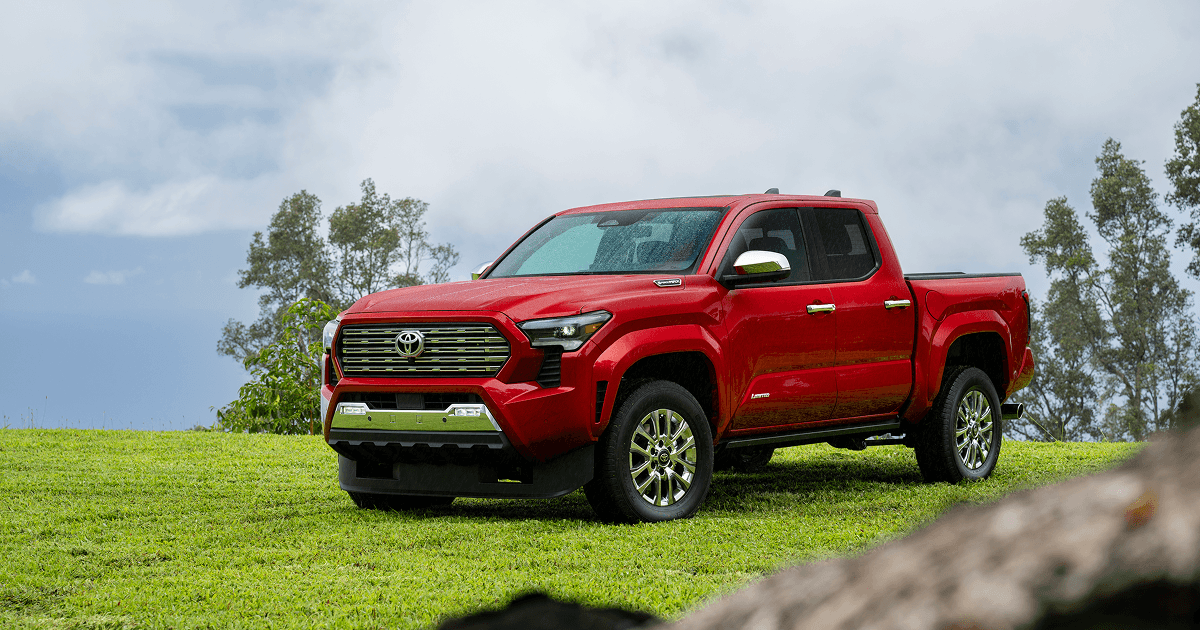
1. Toyota Tacoma
Best For: Buyers who want legendary resale value.
If there were a hall of fame for resale value, the Toyota Tacoma would almost certainly have its own display.
Year after year, the Tacoma ranks among the strongest vehicles for long term value retention.
Part of that success comes from exceptional reliability.
Part comes from consistently high demand.
And part comes from the truck's reputation for lasting well beyond 200,000 miles with proper maintenance.
Whether you're using it as a daily driver, work truck, or weekend adventure vehicle, the Tacoma remains one of the safest choices for buyers who care about future resale value.
It also offers strong capability, available Four Wheel Drive, and excellent long-term ownership satisfaction.
Things to Consider
Ride quality is firmer than many SUVs, especially if most of your driving takes place on paved roads.
2. Toyota 4Runner
Best For: Drivers planning to keep their SUV for many years.
The Toyota 4Runner has built an almost legendary reputation for durability.
Its combination of dependable engineering, off-road capability, and consistently strong demand has helped it retain value better than many SUVs.
Owners also appreciate its roomy cabin, generous cargo space, and ability to handle everything from daily commuting to weekend camping trips.
Because used 4Runners remain highly sought after, depreciation has historically been much lower than many competitors.
For buyers thinking long term, that's an important advantage.
3. Honda Civic
Best For: Everyday drivers who want outstanding long-term value.
The Honda Civic has quietly become one of the smartest financial decisions in the automotive world.
It's affordable to buy, inexpensive to maintain, fuel efficient, and consistently reliable.
Those qualities keep demand high in both the new and used markets.
The Civic also appeals to a wide range of buyers, from first-time drivers to commuters and retirees, helping support resale values year after year.
It's proof that holding value isn't limited to trucks and SUVs.
4. Toyota RAV4
Best For: Families looking for long-term confidence.
Few compact SUVs have been as consistently successful as the Toyota RAV4.
Strong reliability, available hybrid powertrains, practical cargo space, and excellent fuel economy all contribute to continued demand.
That popularity helps the RAV4 retain value exceptionally well.
Whether you're buying new today or selling several years from now, the RAV4 has a long history of remaining one of the strongest performers in its segment.
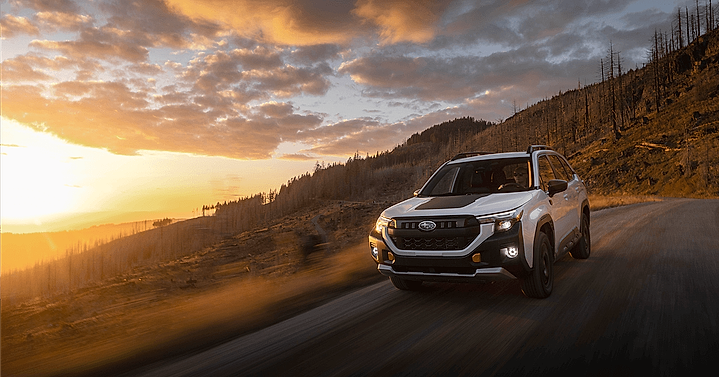
5. Subaru Crosstrek
Best For: Drivers who enjoy active lifestyles.
The Subaru Crosstrek combines standard Symmetrical All Wheel Drive, excellent fuel economy, and strong reliability into one affordable package.
Demand remains especially strong in regions with changing weather, where All Wheel Drive capability is highly valued.
Because of that continued popularity, Crosstreks often command impressive prices on the used market.
For buyers who enjoy hiking, skiing, camping, or simply appreciate year-round confidence, the Crosstrek offers outstanding long-term value.
6. Jeep Wrangler
Best For: Buyers who want capability with exceptional resale value.
The Jeep Wrangler is one of the few vehicles that almost seems to ignore the normal rules of depreciation.
Strong demand, iconic styling, and genuine off road capability have helped Wranglers retain their value remarkably well for decades.
Part of that comes from a loyal owner community.
Another part comes from the fact that there simply aren't many vehicles that offer the same combination of removable doors, open-air driving, and trail-ready capability.
Even buyers who never leave the pavement often appreciate the Wrangler's unique personality and timeless design.
If resale value is one of your priorities, the Wrangler continues to be one of the strongest performers on the market.
Things to Consider
The ride is more truck-like than many SUVs, so it's worth taking a longer test drive to make sure it matches your expectations.
7. Honda CR-V
Best For: Families looking for dependable long-term value.
The Honda CR-V has earned one of the strongest reputations in the compact SUV segment.
It's comfortable, practical, fuel efficient, and consistently reliable.
Those qualities help keep demand high in both the new and used markets, which contributes to excellent resale value.
Inside, the CR-V offers generous passenger room and a versatile cargo area that's ready for everything from grocery runs to family vacations.
Honda Sensing® safety technology and available hybrid models add even more appeal for today's buyers.
If you're looking for an SUV that's likely to remain valuable for years to come, the CR-V is a smart choice.
Things to Consider
Because the CR-V is so popular, certain trims may be in higher demand than others, making it worthwhile to compare inventory and pricing.
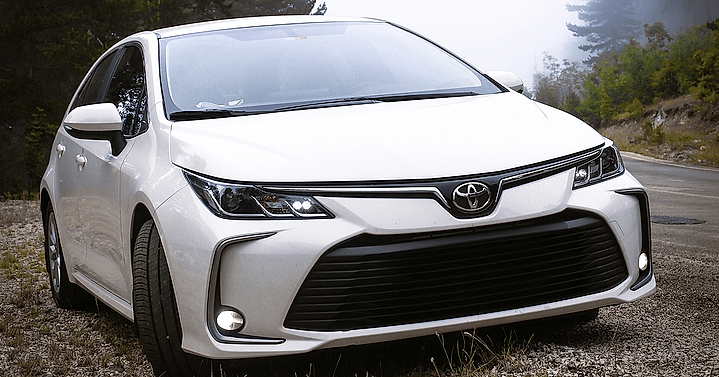
8. Toyota Corolla
Best For: Budget-conscious buyers who want dependable ownership.
The Toyota Corolla has built its reputation on consistency.
It's affordable to purchase, inexpensive to maintain, highly reliable, and economical to operate.
Those same qualities make it extremely attractive in the used vehicle market.
When demand remains steady, resale values tend to remain strong.
The Corolla also offers excellent fuel economy, comfortable seating, and Toyota Safety Sense driver assistance technology across much of the lineup.
It may not be the flashiest vehicle on the road, but it's one of the smartest long-term financial decisions many buyers can make.
Things to Consider
Drivers who frequently carry larger families or lots of cargo may prefer a compact SUV instead.
9. Porsche 911
Best For: Enthusiasts looking for remarkable long-term value.
Luxury vehicles often depreciate quickly.
The Porsche 911 is a notable exception.
For decades, it has demonstrated unusually strong resale value thanks to limited production, exceptional engineering, and consistent demand from enthusiasts around the world.
While the purchase price is considerably higher than other vehicles on this list, the 911 often retains a larger percentage of its original value than many luxury competitors.
It's also one of the few sports cars that comfortably balances everyday usability with exhilarating performance.
For buyers considering a premium sports car, few models have built a stronger long-term reputation.
Things to Consider
Ownership costs, insurance, and maintenance are naturally higher than mainstream vehicles, so total ownership costs should still be considered.
10. Lexus RX
Best For: Luxury buyers who want long-term confidence.
The Lexus RX has been one of the most popular luxury SUVs in America for years.
That popularity isn't accidental.
Buyers consistently praise its comfortable ride, quiet cabin, dependable reliability, and refined ownership experience.
Because Lexus has earned such a strong reputation for durability, used RX models remain in demand, helping support resale values over time.
Hybrid versions are particularly attractive to many buyers thanks to their combination of fuel efficiency and premium comfort.
If you're shopping in the luxury SUV segment, the RX offers one of the strongest combinations of refinement and long-term value.
Things to Consider
While resale value is excellent for a luxury SUV, purchase prices are naturally higher than many mainstream alternatives.
How to Help Your Vehicle Hold Its Value
While some depreciation is unavoidable, there are several ways to protect your investment.
Simple habits can make a meaningful difference when it's time to sell or trade in your vehicle.
Consider these best practices:
- Follow the recommended maintenance schedule.
- Keep detailed service records.
- Repair minor damage before it becomes more expensive.
- Wash and protect the exterior regularly.
- Keep the interior clean and free from excessive wear.
- Avoid unnecessary modifications that may limit buyer interest.
- Stay within recommended maintenance intervals.
A well-maintained vehicle is often easier to sell and may command a higher resale value than one with a similar number of miles but a less complete maintenance history.
Is Buying Used Better for Avoiding Depreciation?
For many shoppers, the answer is yes.
The largest drop in value often occurs during the first few years of ownership.
Buying a lightly used vehicle allows someone else to absorb much of that initial depreciation while still giving you access to many modern safety features, technology, and comfort.
That doesn't automatically make buying used the better choice.
New vehicles offer full warranty coverage, the latest technology, and the ability to customize trim levels and options.
The right decision depends on your budget, driving habits, and long-term ownership plans.
Whether you buy new or used, choosing a vehicle with a history of strong resale value can help reduce your overall cost of ownership.
Final Thoughts
Every vehicle loses value over time.
The goal isn't to avoid depreciation completely.
It's to choose a vehicle that holds its value better than most.
Whether it's the legendary Toyota Tacoma, the dependable Honda Civic, the versatile Toyota RAV4, or the refined Lexus RX, the vehicles on this list have earned strong reputations for delivering lasting value alongside reliability and everyday practicality.
Choosing a vehicle with excellent resale value can reduce your overall ownership costs, improve your trade in position, and give you greater flexibility when it's time for your next purchase.
When you're ready to compare vehicles that offer outstanding long term value, AutoFinder makes it easy to explore features, compare trims, browse local inventory, and connect with trusted dealerships.
Want More Car Buying Advice?
Add AutoFinder as a preferred source on Google to help you discover more of our automotive guides and research.
FAQs
Which new cars hold their value the best?
Vehicles like the Toyota Tacoma, Toyota 4Runner, Honda Civic, Toyota RAV4, Subaru Crosstrek, Jeep Wrangler, Honda CR-V, Toyota Corolla, Porsche 911, and Lexus RX have consistently demonstrated strong resale value thanks to their reliability, popularity, and long-term demand.
Why do some vehicles depreciate faster than others?
Depreciation is influenced by several factors, including reliability, market demand, maintenance costs, fuel economy, redesigns, and overall brand reputation. Vehicles that remain in high demand typically retain their value better over time.
Is depreciation the biggest cost of owning a car?
For many owners, yes. The loss in vehicle value over the first several years of ownership often exceeds the combined cost of routine maintenance and fuel, making depreciation one of the largest ownership expenses.
Should I buy new or used to reduce depreciation?
Buying a lightly used vehicle can reduce the impact of early depreciation because the first owner typically absorbs the largest loss in value. However, new vehicles offer full warranty coverage, the latest technology, and more trim and option choices.
How can AutoFinder help me choose a vehicle with strong resale value?
AutoFinder lets you compare new vehicles by pricing, trims, features, fuel economy, and available inventory so you can make a more informed decision. Looking beyond the purchase price helps you choose a vehicle that delivers value throughout your ownership experience.
The information provided in this article is for general informational purposes only and may change over time. Vehicle pricing, availability, specifications, incentives, financing terms, interest rates, and other details may vary by vehicle, dealer, lender, location, and individual circumstances. AutoFinder does not guarantee the accuracy or availability of information provided by third parties. Always confirm current vehicle details, pricing, terms, and eligibility directly with the participating dealer or appropriate provider before making a purchase or financial decision.