Is the BMW X5 Worth Buying? Performance, Comfort and Value
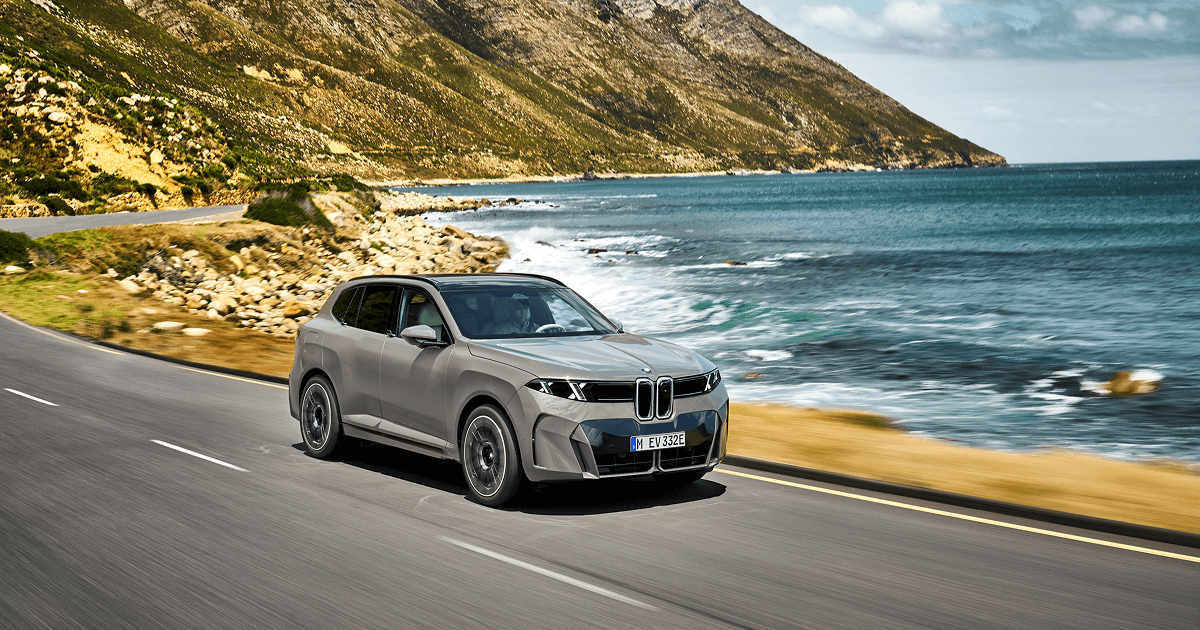
Last updated Oct 1st, 2026If you are shopping for a premium SUV, the BMW X5 is difficult to ignore.
It has the polished interior you expect from a luxury vehicle, but it does not stop there. The X5 also delivers strong acceleration, confident handling, useful cargo space, sophisticated technology, and several powertrain choices ranging from an efficient 6-cylinder model to a plug-in hybrid and a powerful V8.
That combination is exactly why the X5 has remained such a popular choice among luxury SUV buyers.
But there is another question worth asking before you buy one.
Is it actually worth the money?
For the right buyer, yes.
The BMW X5 makes the most sense for someone who cares about how a vehicle feels every time they drive it. It combines comfort and practicality with performance in a way that many premium SUVs struggle to match.
The tradeoff is ownership cost. The X5 costs more to purchase, maintain, insure, and repair than a mainstream SUV, and depreciation can be significant during the first several years. Current ownership estimates also place the X5 around the middle of the luxury midsize SUV segment rather than among the least expensive vehicles to own.
So the real question is not whether the X5 is inexpensive to own.
It is whether what you get in return is worth paying for.
For many premium SUV shoppers, it is.
Find Your Best Price
See what others paid and get upfront pricing from local dealers.

Quick Answer: Is the BMW X5 Worth Buying?
The BMW X5 is worth considering if you want:
- Strong performance without giving up everyday comfort
- A quiet and upscale interior
- Modern infotainment and driver assistance technology
- Plenty of space for passengers and cargo
- Multiple powertrain choices
- A premium SUV that is genuinely enjoyable to drive
You may want to look elsewhere if your priorities are:
- The lowest possible maintenance costs
- Minimal depreciation
- 3-row seating
- Maximum fuel economy without plugging in
- Keeping a luxury vehicle well beyond the warranty period on a tight budget
The X5 is best understood as a premium ownership experience rather than simply transportation.
Performance Is One of the X5's Biggest Strengths
One reason the BMW X5 stands out is that it does not make you choose between performance and practicality.
The X5 xDrive40i pairs a turbocharged 6 cylinder engine with all wheel drive and delivers the smooth, effortless acceleration that has become one of BMW's signatures. BMW lists a 0 to 60 mph time of roughly 5 seconds for the current 40 xDrive, which is quick for an SUV designed to carry a family and luggage.
That speed is only part of the story.
The X5 feels composed during ordinary driving. Steering is precise without being tiring, the suspension controls body movement well, and highway acceleration comes easily when you need to merge or pass.
You do not have to drive aggressively to appreciate it.
That is arguably the X5's biggest accomplishment. It feels special even during a normal commute.
Drivers looking for more power can move to the M60i, which uses a twin-turbocharged V8. The current model produces 523 horsepower according to Kelley Blue Book and can reach 60 mph in a little over 4 seconds.
That is serious performance for a midsize SUV.
The catch is that the M60i also brings a substantially higher purchase price, greater fuel use, and higher long-term ownership costs. For most shoppers, the 40i is likely the better balance.
The X5 xDrive50e Makes a Strong Case for the Plug-In Hybrid
The X5 is also available as a plug-in hybrid.
The xDrive50e combines a turbocharged 6-cylinder engine with an electric motor for a total output of 483 horsepower. BMW lists significant electric driving capability, allowing many shorter daily trips to be completed without relying entirely on gasoline when the vehicle is regularly charged.
This version is interesting because it does not feel like the efficiency-focused alternative.
It is genuinely quick.
That means shoppers can get electric driving capability for commuting while still having plenty of power available for highway travel and longer trips.
For someone who can charge at home and has a predictable daily commute, the xDrive50e may be one of the most appealing versions of the X5.
For someone who cannot charge consistently, the additional purchase price and complexity may be harder to justify.
Comfort Is Where the X5 Earns Its Premium Badge
Luxury SUVs sometimes focus so heavily on screens and styling that they forget the simple things.
The X5 does not.
Seat comfort is excellent, road noise is well controlled, and the cabin feels solid even over imperfect pavement.
There is enough room for 5 adults, and the X5 provides useful cargo capacity for luggage, groceries, sports equipment, or everyday family life. BMW lists approximately 33.9 cubic feet of cargo capacity behind the rear seats on the X5 xDrive40i, depending on configuration.
Fold the seats, and there is considerably more space.
The important limitation is seating capacity.
The X5 is a 2-row SUV. Buyers who regularly need a third row should look at something larger rather than trying to make the X5 fit a job it was not designed to do. BMW positions the X7 as the 3-row alternative in its SUV lineup.
For families of 4 or 5, though, the X5 hits a useful sweet spot. It feels substantial without being as cumbersome as a full-size luxury SUV.
Technology Feels Integrated Rather Than Added On
Technology is another area where the X5 feels appropriately premium.
BMW's current interface integrates navigation, entertainment, connected services, vehicle settings, and driver information into a digital environment that can initially feel extensive but becomes easier to use with familiarity.
The X5 also offers technologies that can reduce the effort of everyday driving, including advanced highway assistance, parking support, camera systems, smartphone integration, and remote software functionality.
One of the better aspects of BMW's approach is that the technology generally supports the driving experience rather than becoming the entire personality of the vehicle.
That matters.
A large screen is not particularly useful if simple adjustments require several menus. The X5 strikes a better balance than many technology heavy vehicles by combining digital controls with a cabin designed around the driver.
Higher trims and option packages add considerably more equipment, so shoppers should compare configurations carefully. It is very easy to turn an already expensive X5 into a much more expensive one by selecting several desirable packages.
Is the BMW X5 Practical Enough for Everyday Life?
Yes, and that is part of what makes it so appealing.
The X5 can handle school runs, commuting, grocery trips, airport pickups, vacations, and weekend projects without feeling like you bought a performance vehicle that happens to have an SUV body.
It also offers meaningful towing capability.
BMW lists substantial towing capacity for properly equipped X5 models, making the SUV suitable for many boats, recreational trailers, and equipment trailers when configured correctly. Exact capacity depends on the model, hitch equipment, trailer setup, and other factors, so buyers planning to tow should verify the rating of the exact vehicle they are considering.
That versatility is important because the X5 is expensive enough that many buyers will expect it to serve as their primary vehicle.
Fortunately, it can.
What Is the BMW X5 Like to Own Long Term?
This is where the conversation becomes more complicated.
The X5 offers an excellent driving experience, but premium engineering also means premium ownership costs.
Routine service, tires, brakes, insurance, and repairs can all cost more than they would on a mainstream SUV.
BMW helps reduce some early ownership expenses by including BMW Ultimate Care, which covers scheduled maintenance for the first 3 years or 36,000 miles on new vehicles. New BMWs also receive 4 years or 50,000 miles of new vehicle warranty protection, according to BMW.
That makes the first few years relatively predictable.
The bigger consideration comes later.
Once the complimentary maintenance period and factory warranty expire, owners should be financially prepared for the cost of maintaining a premium European SUV.
This does not mean the X5 is a bad long term purchase.
It means you should budget appropriately instead of assuming that a $70,000 luxury SUV will eventually cost the same to maintain as a mainstream crossover.
How Much Does a BMW X5 Cost to Own?
Ownership cost estimates vary depending on trim, mileage, financing, insurance, and location, but they illustrate an important point.
Kelley Blue Book currently estimates substantial depreciation and operating costs over the first 5 years of ownership for the 2026 X5. Its estimates place the X5 around the middle of the luxury midsize SUV category for overall ownership cost.
Edmunds also projects high 5-year costs for the X5, with depreciation among the largest expenses. Its estimates for the xDrive40i include financing, taxes, fuel, maintenance, insurance, repairs, and depreciation, although actual expenses will vary significantly from one owner to another.
That is worth understanding before you buy.
A buyer who changes vehicles every 3 years may care more about depreciation.
Someone planning to keep the X5 for 8 or 10 years may care more about maintenance and repair expenses after the warranty expires.
Long term value looks different depending on how long you intend to own the vehicle.
Does the BMW X5 Hold Its Value?
The X5 does not avoid depreciation simply because it is desirable.
Luxury SUVs often lose a meaningful percentage of their original value during the first several years, and current estimates suggest the X5 follows that pattern. Kelley Blue Book projects tens of thousands of dollars in depreciation over 5 years for the 2026 X5.
That may sound like a weakness, but it creates 2 different opportunities.
For new car buyers, it means resale value should be part of the purchase decision.
For used or Certified Pre Owned shoppers, it can make a lightly used X5 especially appealing because someone else has already absorbed part of the early depreciation.
A 2 or 3 year old X5 with remaining warranty coverage and a complete service history can offer a very different value equation than a brand new one.
Should You Buy a New or Used BMW X5?
Buying new makes sense if you value:
- Full factory warranty coverage
- Complimentary scheduled maintenance
- The latest technology
- The ability to choose your exact configuration
- Known ownership history from day 1
Buying used may make more sense if you want:
- A lower purchase price
- Less exposure to early depreciation
- A higher trim for the same budget
- More features without paying their original new vehicle cost
A Certified Pre-Owned X5 can be particularly appealing because it combines some of the savings of a used vehicle with additional inspection and warranty protections.
The key with any used luxury SUV is documentation.
A less expensive X5 with questionable maintenance history is not automatically a better deal than a more expensive example that has been maintained correctly.
Which BMW X5 Trim Offers the Best Value?
For many buyers, the xDrive40i is the sweet spot.
It provides strong acceleration, all wheel drive, excellent highway refinement, and most of the characteristics that make the X5 enjoyable without moving into the significantly higher price and ownership costs of the M60i.
The xDrive50e deserves serious consideration if you can regularly charge at home. Its combination of electric driving capability and 483 horsepower gives it a unique blend of efficiency and performance.
The M60i is the emotional choice.
If you want V8 performance and are comfortable paying for it, it delivers something the other trims cannot fully replicate.
But if this article is about value, the 40i is easier to recommend.
Who Should Buy the BMW X5?
The X5 makes the most sense for someone who wants one vehicle to cover several roles.
It can be a comfortable commuter Monday through Friday, carry a family on Saturday, tow recreational equipment when needed, and still make a quiet back road enjoyable.
That combination is where the X5 earns its price.
It is especially compelling for buyers who value the driving experience and would notice the difference between a competent SUV and one that feels genuinely polished.
Who Should Probably Skip the BMW X5?
The X5 is harder to recommend if keeping ownership expenses as low as possible is your primary goal.
It may also be the wrong fit if you need 3 rows, rarely care about performance, or plan to keep the vehicle well beyond the warranty period without budgeting for premium maintenance.
There are less expensive SUVs that provide excellent space, technology, and comfort.
What they may not provide is the same combination of refinement and driving enjoyment.
That distinction matters when deciding whether the X5 is worth the extra money.
Is the BMW X5 Worth the Money?
For the right buyer, yes.
The X5 succeeds because it does not excel in only one area.
It is quick without being exhausting.
Comfortable without feeling disconnected.
Technology rich without making every interaction feel complicated.
Practical without driving like an oversized family hauler.
That balance is difficult to achieve.
The strongest argument against the X5 is not the vehicle itself. It is the cost of owning it. Depreciation, maintenance, repairs, insurance, and premium options can make it significantly more expensive over time than its initial monthly payment suggests.
If those costs fit comfortably within your budget, the X5 delivers a premium SUV experience that can justify the expense.
If they do not, stretching your finances simply to get the BMW badge is unlikely to make the ownership experience more enjoyable.
How AutoFinder Helps You Shop for a BMW X5
A BMW X5 can vary substantially in price depending on trim, drivetrain, equipment, and optional packages.
AutoFinder helps you compare those differences before connecting with a dealership.
You can use AutoFinder to:
- Compare X5 trims and powertrains
- Research vehicle pricing
- Review available features
- Browse local inventory
- Compare new and used options
- Explore dealer availability
- Connect with trusted dealerships when you are ready
The goal is not simply to find the least expensive X5.
It is to find the configuration that gives you the features you actually want without paying for equipment you will rarely use.
Final Thoughts
The BMW X5 is worth buying if you want a premium SUV that feels premium in more than name.
Its performance is genuinely impressive, the cabin is comfortable enough for long trips, the technology feels modern, and the practical side of the vehicle is strong enough to make it easy to use every day.
The compromise is cost.
You should expect higher ownership expenses than you would with a mainstream SUV, and depreciation deserves consideration if you regularly replace vehicles after only a few years.
But value does not always mean buying the least expensive option.
Sometimes value means paying more for a vehicle that delivers the experience you wanted every time you get behind the wheel.
For buyers who prioritize performance, refinement, technology, and everyday versatility, that is exactly where the BMW X5 makes its strongest case.
Want More Car Buying Advice?
Add AutoFinder as a preferred source on Google to help you discover more of our automotive guides and research.
FAQs
Is the BMW X5 a good SUV to buy?
Yes. The BMW X5 is a strong choice for shoppers who want premium comfort, engaging performance, advanced technology, useful cargo space, and multiple powertrain options. Buyers should also budget for higher maintenance, insurance, repair, and depreciation costs than they might experience with a mainstream SUV.
Which BMW X5 trim is the best value?
The xDrive40i is likely the best fit for many buyers because it combines strong performance, All Wheel Drive, comfort, and everyday usability without moving into the considerably higher price of the M60i. The xDrive50e may provide better value for shoppers who can regularly charge at home and want plug-in hybrid capability.
Is the BMW X5 expensive to maintain?
It can be more expensive to maintain than a mainstream SUV, particularly once the factory warranty and complimentary maintenance coverage expire. BMW includes scheduled maintenance for the first 3 years or 36,000 miles through BMW Ultimate Care on eligible new vehicles.
Does the BMW X5 depreciate quickly?
Like many luxury SUVs, the X5 can experience significant depreciation during its first several years. Current 5-year ownership estimates from Kelley Blue Book and Edmunds show depreciation as one of the largest costs associated with owning the vehicle.
Is it better to buy a BMW X5 new or used?
Buying new provides full warranty coverage, complimentary scheduled maintenance, and the ability to choose your preferred configuration. Buying a lightly used or Certified Pre-Owned X5 can reduce the purchase price and allow the original owner to absorb more of the early depreciation. The better choice depends on your budget, ownership timeline, and appetite for maintenance costs.
Featured Articles
Why the Chevrolet Equinox Is Ideal for Florida
New and Used Car Reviews: Features, Specs, and Insights
Mitsubishi is shaking up the Outlander lineup
New and Used Car Reviews: Features, Specs, and Insights
Why The Honda Accord Is Awesome For Teens And Everyone Else
New and Used Car Reviews: Features, Specs, and Insights
The information provided in this article is for general informational purposes only and may change over time. Vehicle pricing, availability, specifications, incentives, financing terms, interest rates, and other details may vary by vehicle, dealer, lender, location, and individual circumstances. AutoFinder does not guarantee the accuracy or availability of information provided by third parties. Always confirm current vehicle details, pricing, terms, and eligibility directly with the participating dealer or appropriate provider before making a purchase or financial decision.