Car Basics
What Does a Car Warranty Cover? What Is and Is Not Included
OVERVIEW
A car warranty helps pay for certain repairs when a covered part fails during the warranty period. Exactly what is covered depends on the type of warranty, the vehicle, its age and mileage, and the terms provided by the manufacturer or warranty company.
New cars typically come with several types of factory warranty coverage. The most common are bumper-to-bumper and powertrain warranties, but you may also have separate coverage for corrosion, emissions equipment, hybrid or electric vehicle batteries, and other components.
What a warranty does not cover is just as important. Routine maintenance, worn tires, brake pads, accident damage, and many other ownership expenses are generally the driver's responsibility.
Here is how the different types of car warranties work and what to check before assuming a repair is covered.
How Does a Car Warranty Work?
A car warranty is essentially a promise that certain vehicle defects or failures will be repaired during a specific period.
For a new vehicle, that promise usually comes from the automaker. Coverage commonly begins when the vehicle is first placed into service and lasts until either a time or mileage limit is reached.
You might see a warranty described as three years or 36,000 miles, for example. In most cases, coverage ends when you reach whichever limit comes first.
That distinction can matter more than expected. Someone who drives 20,000 miles per year may reach the mileage limit well before the time limit. A lower mileage driver could have the opposite experience.
Warranty coverage also follows specific terms. Having an active warranty does not mean every repair will automatically be free. The failed component and reason for the failure both matter.
What Does a Bumper to Bumper Warranty Cover?
A bumper to bumper warranty is generally the broadest factory warranty included with a new car.
It is sometimes called a comprehensive or new vehicle limited warranty.
Despite the name, it does not literally cover everything between the front and rear bumpers. Instead, it typically covers many factory installed mechanical and electrical components when they fail because of a defect in materials or workmanship.
Depending on the manufacturer, covered components may include parts of the:
- Electrical system
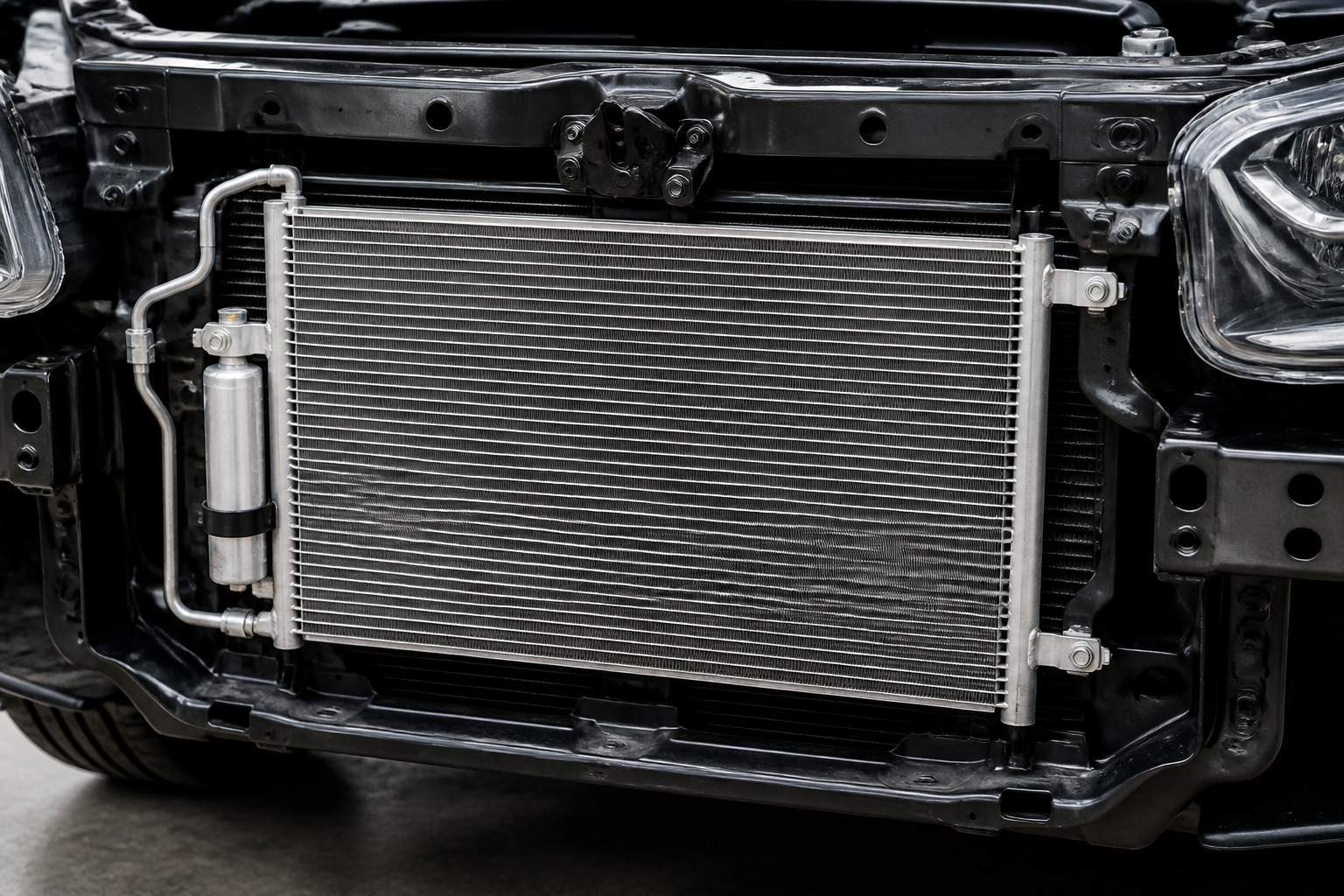
- Air conditioning and heating system
- Infotainment system
- Steering system
- Suspension
- Fuel system
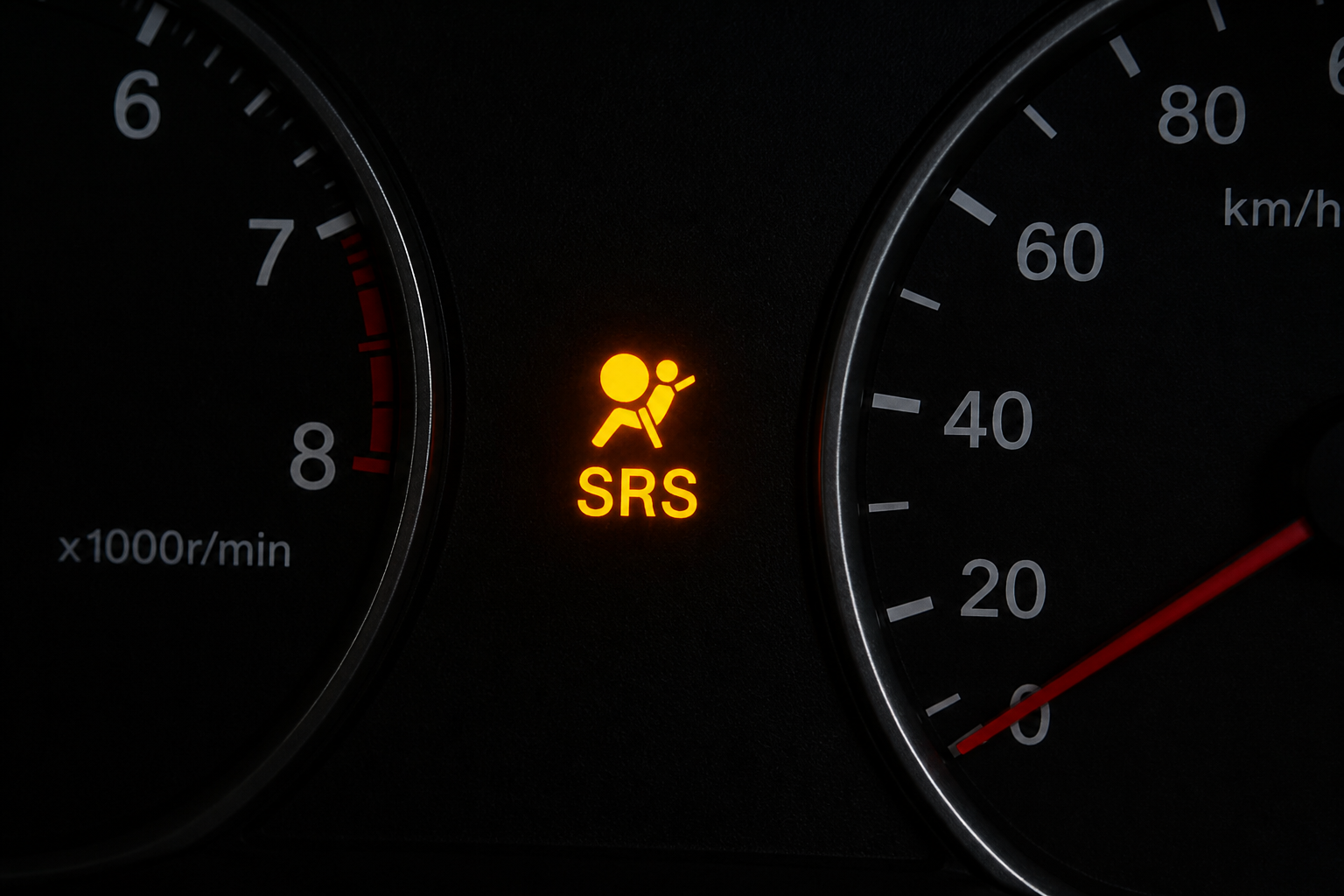
- Safety systems
- Power accessories
The exact coverage varies by manufacturer, so the warranty booklet for the specific vehicle is more important than the bumper to bumper label itself.
Wear items and routine maintenance are generally excluded.
What Does a Powertrain Warranty Cover?
A powertrain warranty focuses on the components responsible for creating power and delivering it to the wheels.
Coverage commonly includes major components such as:
- Engine
- Transmission
- Drive shafts
- Differentials
- Transfer case on applicable vehicles
- Certain internal engine and transmission components
Powertrain warranties often last longer than bumper to bumper coverage because they protect a narrower group of components.
This is why a car can still have an active powertrain warranty even after its broader factory warranty has expired.
There is an important limitation here. A powertrain warranty does not mean every part connected to the engine is covered.
Components such as sensors, hoses, belts, wiring, or other supporting systems may fall under different warranty terms. If a repair is needed, the warranty documentation should identify whether the specific component qualifies.
What Other Factory Warranties Can a Car Have?
Bumper to bumper and powertrain coverage get most of the attention, but a new vehicle may come with several other warranties.
Corrosion warranty
Corrosion coverage protects against certain types of rust damage.
The details matter because manufacturers may distinguish between surface corrosion and rust that completely penetrates a body panel. A small area of surface rust may not qualify even when a corrosion warranty is still active.
Emissions warranty
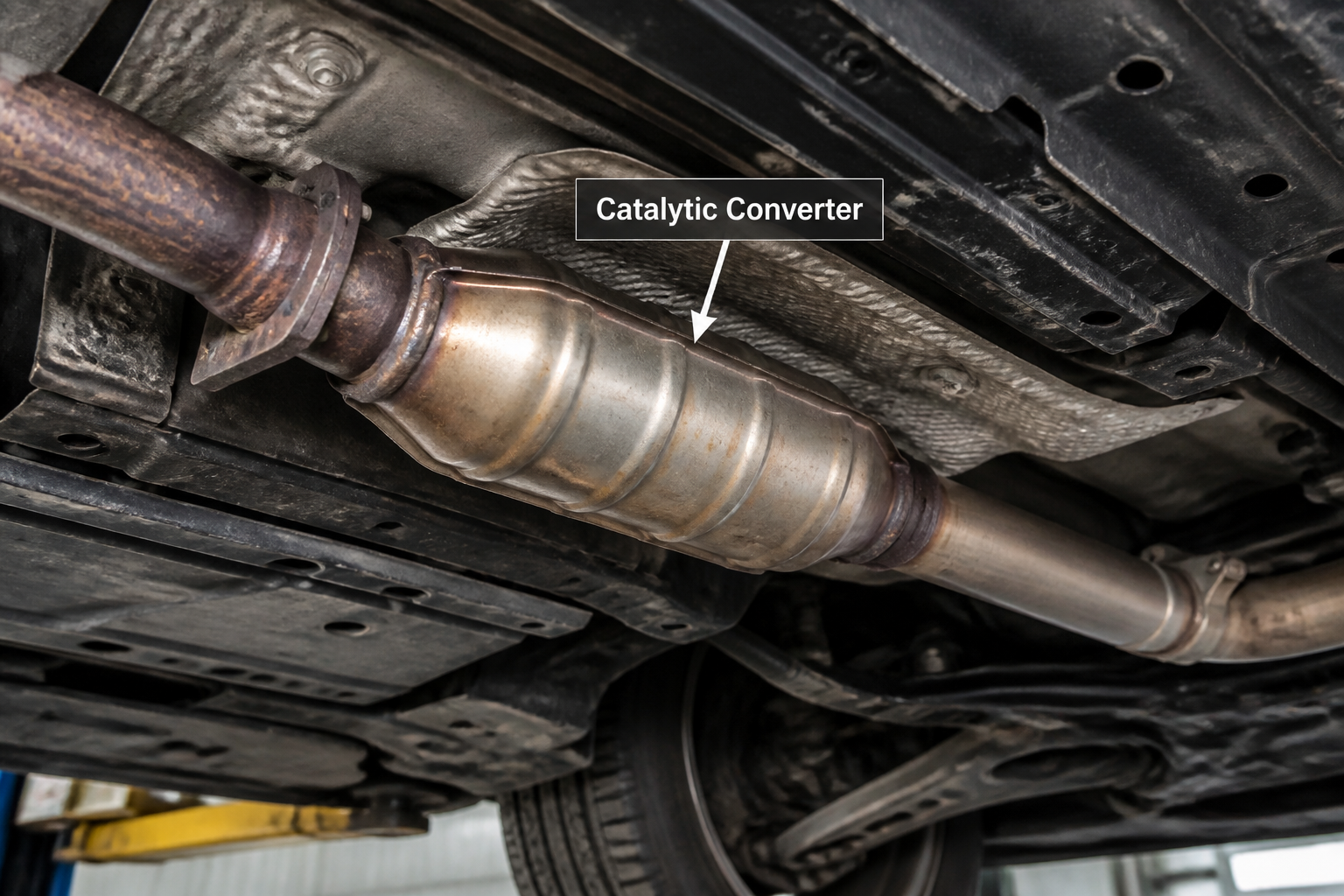
Federal law requires manufacturers to warranty certain emissions related components for specified periods. Some states have additional emissions warranty requirements.
Because emissions coverage can vary based on the component and where the vehicle is registered, check the warranty information for the specific vehicle rather than assuming all emissions parts have the same coverage.
Hybrid and electric vehicle battery warranty
Hybrid and electric vehicles typically include separate warranty coverage for their high voltage batteries and certain electric drive components.
Battery warranties can have their own time, mileage, capacity, and degradation terms. Coverage also varies by manufacturer and vehicle.
If you are shopping for a used EV, remaining battery warranty coverage is worth checking alongside the battery's current condition.
Roadside assistance
Some manufacturers include roadside assistance during part of the factory warranty period.
Depending on the program, this may provide services such as towing, jump starts, flat tire assistance, fuel delivery, or lockout help.
Roadside assistance is a benefit rather than repair coverage, so its terms and expiration date may differ from the vehicle's other warranties.
What Does a Car Warranty Usually Not Cover?
One of the easiest warranty mistakes is assuming that anything that breaks while the warranty is active should be covered.
That is not how most warranties work.
Common exclusions include:
- Routine oil changes and scheduled maintenance
- Tires
- Brake pads and other normal wear items
- Wiper blades
- Damage caused by a collision
- Cosmetic damage
- Damage caused by improper use
- Problems resulting from neglected maintenance
- Certain aftermarket modifications
- Environmental or weather related damage
Some manufacturers provide complimentary maintenance or separate coverage for certain wear items. If they do, that coverage is different from the standard factory warranty.
The reason a part failed is also important.
If a covered component has a manufacturing defect, the repair may qualify. If the same component was damaged in an accident, the warranty would generally not be responsible for the repair.
Car Warranty Coverage at a Glance
Different warranties protect different parts of the vehicle. This is a general comparison rather than a guarantee of coverage.
| Warranty Type | What It Generally Covers | Common Limitations |
|---|---|---|
| Bumper to bumper | Many factory installed mechanical and electrical components | Maintenance, wear items, damage |
| Powertrain | Engine, transmission and drivetrain components | Supporting components may have different coverage |
| Corrosion | Certain rust damage to body panels | Surface rust may be excluded |
| Emissions | Qualifying emissions control components | Coverage varies by component and location |
| EV or hybrid battery | High voltage battery and certain electric drive components | Time, mileage and degradation terms vary |
| Extended coverage | Specified repairs after or alongside factory coverage | Deductibles, exclusions and covered parts vary |
Always check the actual warranty terms before authorizing a repair based on a general description like bumper to bumper or powertrain.
Does a Warranty Cover Routine Maintenance?
Usually not.
Regular maintenance is considered part of owning a vehicle rather than a manufacturing defect.
That generally means you are responsible for services such as oil changes, tire rotations, filters, fluid changes, and other scheduled maintenance.
There are exceptions. Some automakers include complimentary maintenance with new vehicles, and certain prepaid maintenance plans can cover scheduled services.
Those programs should not be confused with the warranty itself.
Keeping up with required maintenance can also matter if you eventually make a warranty claim. If a manufacturer determines that a problem resulted from neglected maintenance, the repair may not qualify for warranty coverage.
Keep service records, especially when you have maintenance performed somewhere other than a dealership.
Does a Car Warranty Cover Tires and Brakes?
Usually not under the standard factory warranty.
Tires and brake pads wear as the vehicle is driven, so replacement is normally considered a maintenance expense.
There can be exceptions.
A defective brake component may be covered even though worn brake pads are not. Tires may also have their own warranty provided by the tire manufacturer rather than the automaker.
The difference comes down to whether something failed because of a covered defect or simply wore out through normal use.
Does a Car Warranty Cover the Battery?
It depends on which battery you mean.
The standard 12 volt battery found in gas powered, hybrid, and electric vehicles may have its own warranty period. That coverage does not necessarily last as long as the vehicle's bumper to bumper warranty.
High voltage batteries in hybrids and EVs are different. These batteries generally receive separate warranty coverage with their own time and mileage limits.
Battery degradation can make EV warranty coverage more complicated. A battery losing some capacity as it ages does not necessarily mean it qualifies for replacement. Manufacturers can establish specific capacity thresholds or other conditions that must be met.
Check the warranty terms for the exact model and model year when evaluating battery coverage.
Does a Car Warranty Cover the Transmission?
A transmission is typically included under powertrain coverage when the problem is caused by a covered defect.
That can make remaining powertrain coverage particularly valuable because transmission repairs can be expensive.
Coverage is still not automatic.
Damage caused by improper maintenance, misuse, modifications, or another excluded condition may not qualify.
Transmission related parts outside the covered assembly can also be treated differently. Before approving an expensive repair, ask which component failed and whether that specific component is covered.
Can You Use Your Car Warranty at Any Dealership?
Factory warranty repairs are generally handled through authorized dealerships for that manufacturer.
You do not necessarily have to return to the dealership where you originally bought the car.
If you purchased a vehicle service contract or another form of extended coverage, repair requirements can be different. Some plans allow a broad network of repair facilities, while others place restrictions on where covered work can be performed.
Check before scheduling the repair if you are unsure.
Does a Car Warranty Transfer to a New Owner?
Many factory warranties remain with the vehicle when it is sold, but transfer rules vary.
This can make remaining factory coverage valuable when shopping for a newer used car.
Do not assume that every part of the original warranty transfers unchanged. Certain benefits may apply only to the original owner, while other coverage can have different terms for subsequent owners.
Before buying, check the vehicle's original in service date, current mileage, and applicable manufacturer warranty terms. Those details will give you a much better idea of how much coverage actually remains.
What About Certified Pre Owned Warranties?
Certified pre owned vehicles usually receive additional warranty coverage as part of the manufacturer's CPO program.
The exact protection varies considerably between brands.
A CPO warranty might extend existing factory coverage, provide a separate limited warranty, add powertrain protection, or combine several types of coverage.
This is one reason it is worth comparing the actual CPO programs rather than treating all certified vehicles as equivalent.
If you are considering a CPO vehicle, look at what is covered, how long coverage lasts, whether there is a deductible, when the warranty begins, and what happens after the original factory warranty expires.
What Is an Extended Car Warranty?
What shoppers commonly call an extended warranty may actually be a vehicle service contract rather than an extension of the manufacturer's original warranty.
These plans can help cover certain repair costs after factory coverage expires, but the details vary widely.
Before buying one, look at:
- Which components are covered
- Which components are excluded
- When coverage begins and ends
- Whether there is a deductible
- Which repair facilities you can use
- How claims are approved
- Whether labor and diagnostic costs are included
- Whether the contract can be transferred or canceled
The price of the plan matters, but so does what you are actually getting for that money.
A less expensive plan with a long exclusion list may provide less useful protection than expected.
Can a Warranty Claim Be Denied?
Yes, but the reason matters.
A warranty claim may be denied if the problem falls outside the warranty terms or if the damage resulted from something the warranty specifically excludes.
For example, a manufacturer may deny coverage if it can show that a failure resulted from neglected maintenance or an improper modification.
Simply having maintenance performed somewhere other than the dealership does not automatically void the entire factory warranty. The Federal Trade Commission notes that manufacturers generally cannot require consumers to use specific parts or services to maintain warranty coverage unless those services are provided free of charge under the warranty.
Keep receipts and maintenance records so you can document that required service was performed.
How Do You Know If a Repair Is Covered?
Before paying for a major repair, check whether the vehicle still has applicable warranty coverage.
Start with the vehicle identification number, current mileage, and original in service date.
Then determine:
- Which warranty is still active
- Whether the failed component is included
- Whether the type of failure qualifies
- Whether a deductible applies
- Where the repair must be performed
An authorized dealership can usually check factory warranty status using the VIN.
If the vehicle has a separate service contract, contact the provider before authorizing repairs. Some contracts require approval before work begins.
This is especially important with expensive repairs. Do not assume a vehicle is out of warranty simply because its basic bumper to bumper coverage has ended. A longer powertrain, emissions, corrosion, or battery warranty could still apply.
What Should You Check When Buying a Used Car With a Warranty?
Remaining warranty coverage can make a used vehicle more appealing, but verify it before treating it as part of the car's value.
Find out when the vehicle was originally placed into service rather than relying only on its model year.
A 2024 model purchased new in late 2023 may have less remaining warranty than another 2024 model first sold several months later.
Also check the current mileage and transfer terms.
For a certified pre owned vehicle, review the CPO warranty separately from the original factory coverage. You may have multiple warranties with different expiration dates and different covered components.
The goal is to know exactly what protection comes with the vehicle rather than finding out after something needs repair.
The Bottom Line
A car warranty can protect you from paying for certain repairs when a covered component fails, but it is not a promise that every problem with the vehicle will be fixed for free.
Bumper to bumper coverage is usually the broadest. Powertrain warranties focus on major components such as the engine and transmission, while corrosion, emissions, hybrid, and EV warranties address more specific parts of the vehicle.
Maintenance, normal wear, accident damage, and problems caused by neglect are generally handled separately.
If your vehicle needs a repair, check the specific warranty before assuming you are covered or paying out of pocket. And if you are shopping for a used car, remaining warranty coverage is worth considering alongside price, mileage, condition, and maintenance history.