Car Pricing & Value
Should I Lease or Buy If I Replace My Car Every 3 Years?
OVERVIEW
If a new car tends to find its way into your driveway every 3 years, leasing is worth a serious look.
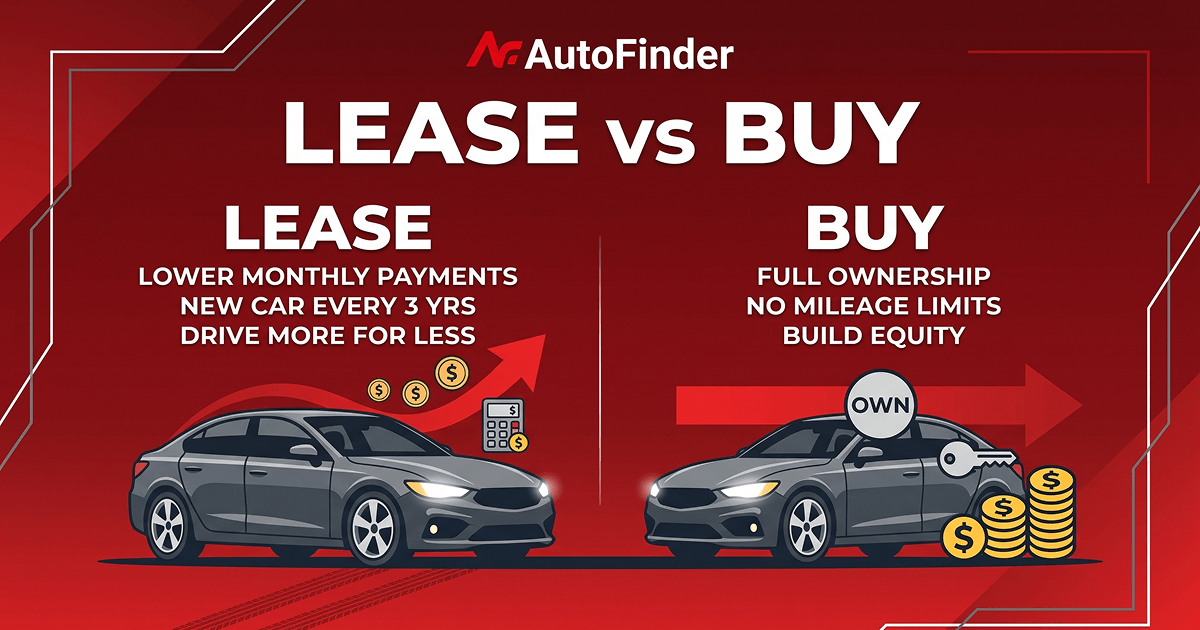
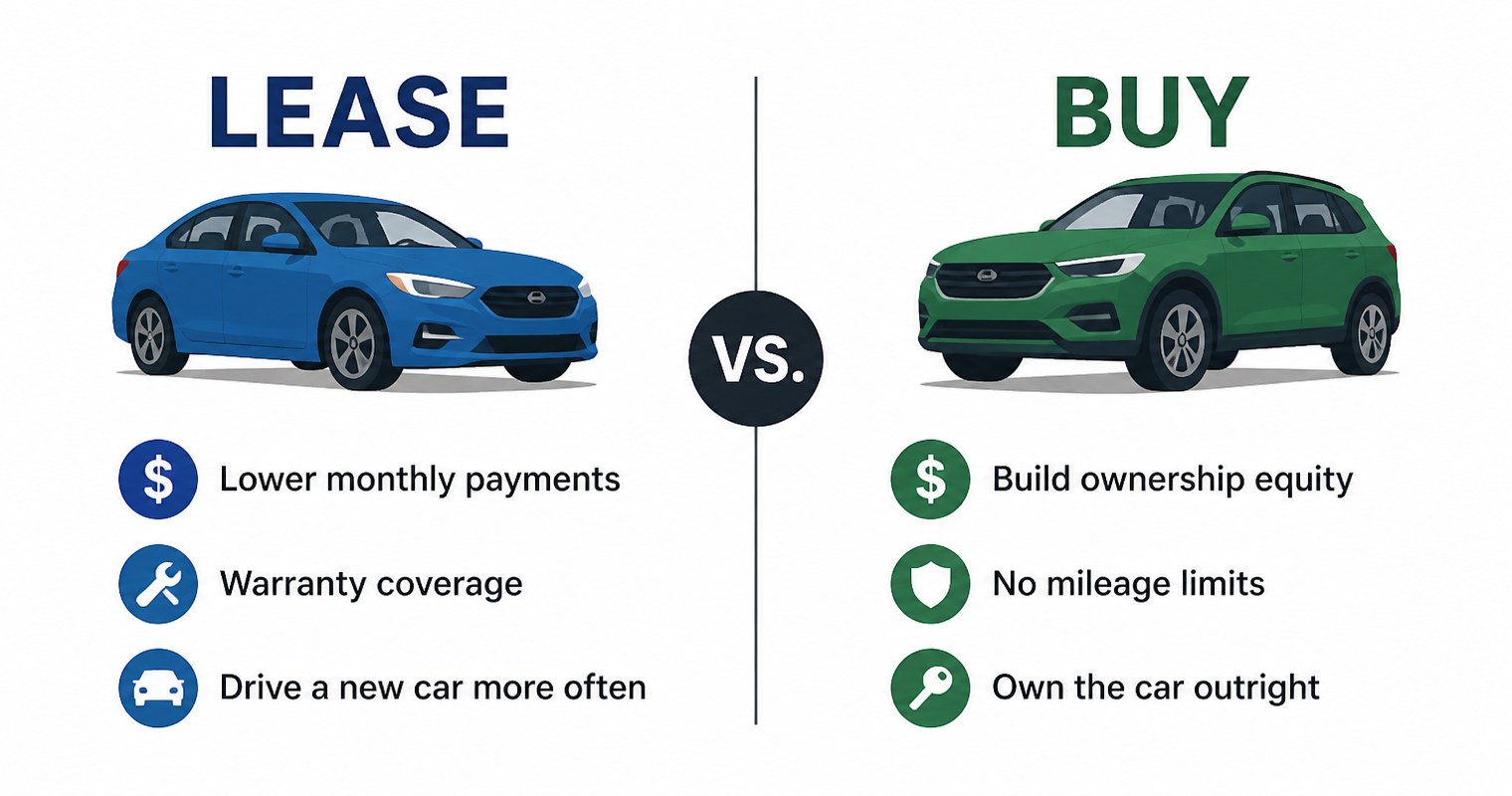
A 36-month lease lines up almost perfectly with the schedule you are already following. You get a new vehicle, drive it for 3 years, return it, and decide what you want next. Lease payments are often lower than financing payments on the same vehicle, too.
Buying should not be ruled out. You have more freedom with mileage, can sell or trade whenever you want, and may have equity in the car after 3 years. That equity can make a big difference when it is time for the next one.
The real question is not whether leasing or buying is always cheaper. It is which option makes more sense when you know going in that you probably will not own the vehicle for more than 3 years.
Is Leasing Better If You Get a New Car Every 3 Years?
Leasing starts to make a lot more sense when you already know you like replacing your car every few years.
Vehicle leases commonly run from 2 to 4 years, according to the Consumer Financial Protection Bureau. A 36-month lease is especially common, putting the end of the agreement right around the time you would normally start shopping again anyway.
There is also a difference in what your monthly payment is accomplishing.
When you finance a car, you are making payments toward owning it. A lease payment generally covers the vehicle's expected depreciation while you use it, along with rent charges, taxes, and applicable fees. That is one reason leasing can come with a lower monthly payment than financing the same car.
If your plan were to keep the vehicle for 8 or 10 years, ownership would have a much stronger advantage. But if year 3 is usually when you start getting the itch for something new, you may never reach those later ownership years.
Leasing vs. Buying When You Replace Your Car Every 3 Years
| Factor | Leasing | Buying |
|---|---|---|
| Monthly payment | Often lower | Often higher |
| After 3 years | Return or possibly buy | Sell, trade, or keep |
| Mileage | Contract limits usually apply | No contractual limit |
| Vehicle condition | Return standards apply | Affects resale value |
| Equity | Generally none | Possible |
| Changing cars | Built into lease timeline | Requires sale or trade |
Neither column automatically wins.
Leasing gives you a cleaner exit after 3 years. Buying gives you an asset that may have value when you are ready to move on.
Which one saves you money depends on the actual lease offer, financing terms, depreciation, mileage, and what the purchased vehicle is worth when year 3 arrives.
Why a 3 Year Lease Can Be a Natural Fit
There is something convenient about knowing exactly when your time with a vehicle ends.
You do not have to watch trade values and decide whether this is the right month to sell. You are not waiting to reach a particular point in a 72-month loan. Your lease has an end date, and you know it from the beginning.
That works particularly well for shoppers who enjoy driving newer vehicles.
Technology changes quickly. Safety systems improve. New hybrids and EVs arrive. Infotainment gets updated. Sometimes your own needs change just as much as the cars do.
The compact SUV that fits your life today might be replaced by a 3-row SUV, hybrid, EV, or something smaller the next time you shop.
A lease gives you a regular opportunity to reconsider all of that.
Buying Every 3 Years Can Work Too
Buying is not just for people who keep cars until the wheels fall off.
You can finance a vehicle today and trade it 3 years from now. The important part is understanding where you are likely to stand financially when you do.
Suppose your car is worth $27,000 after 3 years and your remaining loan balance is $22,000. You have about $5,000 in positive equity before considering the details of the next transaction.
That $5,000 has value. It could potentially go toward your next vehicle.
The opposite can happen too. If your payoff is $27,000 but the car is worth $22,000, you are $5,000 underwater.
This is why loan term matters so much for frequent car buyers. A low payment stretched across a long loan may look attractive today but leave you owing more than expected when you are ready to trade.
Which Costs Less Over 3 Years?
Do not try to answer this question by putting 2 monthly payments next to each other.
Imagine you are considering the same SUV with these 2 options:
Lease: $450 per month
Finance: $650 per month
The lease appears to save $200 every month. Over 36 months, that difference looks substantial.
But the buyer may own thousands of dollars in vehicle equity after those 36 months. The person leasing generally returns the vehicle without that ownership value.
You also need to account for how much money was required upfront, taxes, fees, interest, mileage charges, and other costs.
The Federal Trade Commission recommends looking beyond the monthly payment and comparing the total cost of the transaction.
That is particularly important here because you already know your likely ownership period: 36 months.
Compare what each option will cost you over those same 36 months.
What Happens If You Finance a Car for 6 Years but Trade It After 3?
You will still owe money on it.
That is not necessarily a problem. What matters is how the remaining loan balance compares with the car's trade-in value.
A 72-month loan can make a vehicle more affordable on a monthly basis because the payments are spread over a longer period. The tradeoff is that you may pay down the balance more slowly.
For someone planning to own a car for 6 or 7 years, that may be perfectly manageable.
For someone who almost always trades in year 3, it deserves more attention.
The FTC warns that longer loan terms can increase the risk of owing more than the vehicle is worth. If you already know you are a frequent car changer, look at more than the monthly payment before signing a long loan.
How Much Do You Drive?
This could make the decision for you.
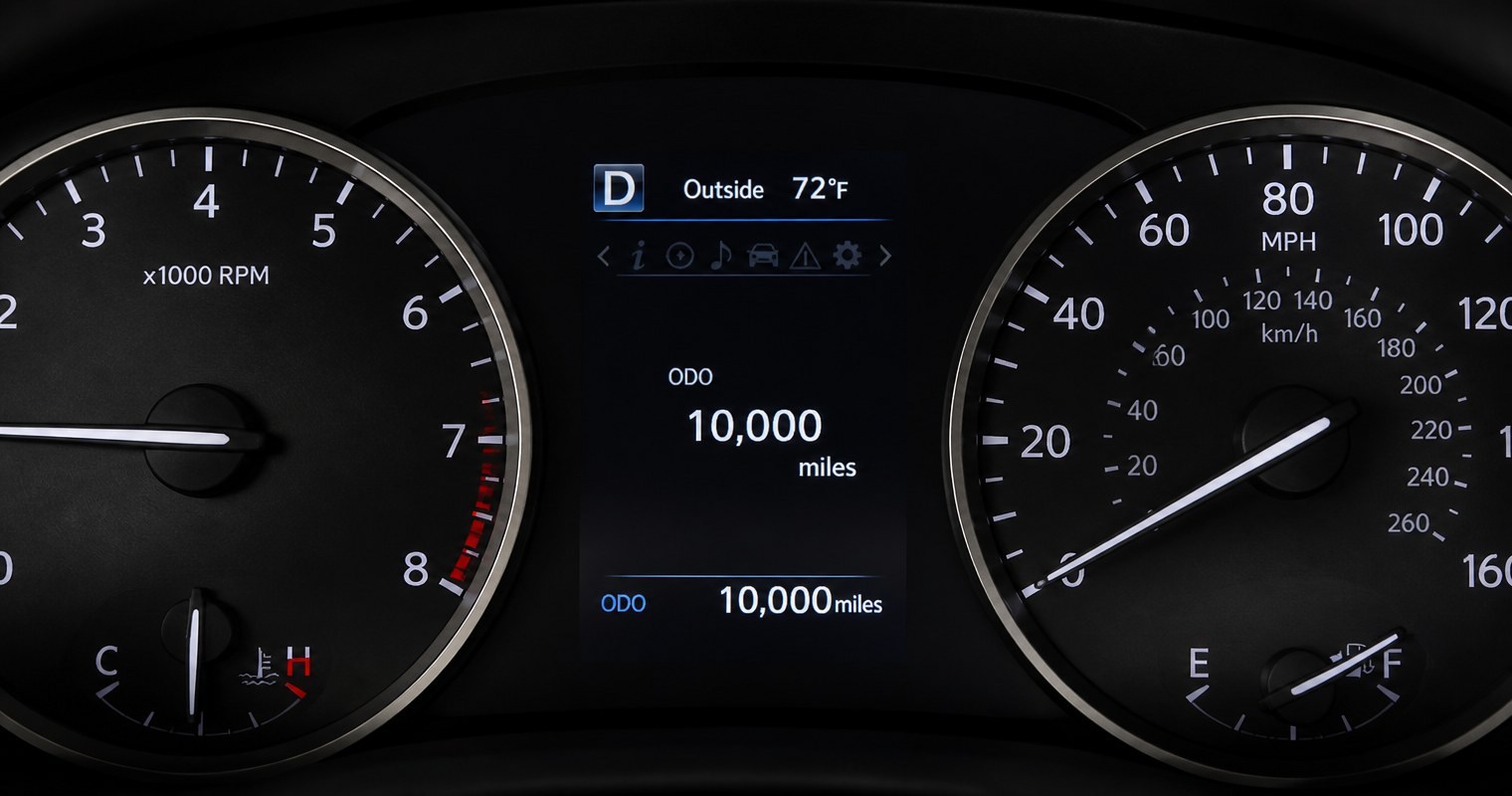
Standard leases commonly come with mileage allowances in the neighborhood of 10,000 to 15,000 miles per year. The exact amount depends on the agreement.
Someone driving 8,000 miles per year may have plenty of breathing room.
Someone driving 20,000 has a very different situation.
Higher mileage leases may be available, but the additional miles can increase the cost. If you exceed the mileage in your contract, you may owe an excess mileage charge when the vehicle is returned.
Look at your odometer history rather than estimating.
If you drove 19,000 miles last year and 21,000 the year before, assuming you will suddenly drive 10,000 miles per year because a lease allows 10,000 is probably not a great plan.
Buying removes that contractual mileage limit. High mileage will still affect what the vehicle is worth when you sell or trade it, but there is no lease mileage allowance to stay under.
What About Wear and Tear?
Lease returns come with condition standards.
Normal use is expected. Damage or wear beyond the standards in your agreement can lead to additional charges.
How much that matters depends heavily on what happens inside your car during those 3 years.
A vehicle used mainly for commuting may be relatively easy to keep in good condition. Add young children, pets, work equipment, outdoor gear, or a particularly tight garage and things get less predictable.
Ownership does not make damage free. Scratches, dents, interior wear, and worn tires can still reduce resale or trade in value.
The difference is how those costs show up. With a lease, you have contractual return standards. With a vehicle you own, condition becomes part of what someone is willing to pay for it.
Pros and Cons of Leasing When You Replace Cars Every 3 Years
Pros
- Matches a 3 year cycle
- Often lower monthly payments
- Regular access to newer vehicles
- Often overlaps with factory warranty
- No need to sell the vehicle
- Predictable time to switch cars
Cons
- Mileage limits
- Possible wear charges
- No ownership equity
- Early exit can be costly
- Lease end fees may apply
- Less freedom to modify the car
Some classic arguments against leasing carry less weight for a shopper who already knows the car will be gone in 3 years.
You probably were not planning to enjoy 5 payment-free years with the vehicle anyway.
Mileage, condition, and the possibility that you may want out early deserve much more attention.
Pros and Cons of Buying When You Replace Cars Every 3 Years
Pros
- Opportunity to build equity
- No contractual mileage limit
- Freedom to sell when you want
- No lease return inspection
- More freedom to customize
- Strong resale value can work in your favor
Cons
- Payments may be higher
- Loan balance remains after 3 years
- Negative equity is possible
- You need to sell or trade
- Depreciation affects your outcome
The appeal of buying gets stronger when you choose a vehicle that retains value well and a loan structure that lets you pay down principal at a reasonable pace.
Be Careful With Large Lease Down Payments
A low advertised lease payment can be tempting, but check how much cash is required upfront.
Putting several thousand dollars down can reduce the monthly payment. It does not magically make that money disappear from the cost of the lease.
Consider 2 hypothetical offers:
Offer A: $399 per month with $4,999 due at signing
Offer B: $525 per month with $1,000 due at signing
Looking only at $399 versus $525 gives you an incomplete picture.
Compare the total amount you expect to spend over the full lease, including what is due at signing.
That gives you a much more useful number than the payment featured most prominently in an advertisement.
What If You Want Another Car Before the Lease Ends?
This is where leasing can become frustrating.
The 3 year structure works beautifully if you actually keep the vehicle for 3 years. It works less beautifully if you decide after 18 months that you want something else.
Ending a lease early can be expensive. The CFPB notes that early termination charges may be substantial, depending on the agreement and how early you leave.
Think about your own history.
If you really do replace vehicles like clockwork every 3 years, this may not bother you much.
If “every 3 years” sometimes means 18 months and sometimes means 5 years, ownership gives you more freedom to change plans.
What Happens If You Love the Car and Want to Keep It?
Three years is a long time. Plans change.
Maybe you expected to replace the car but still love it when the lease ends. Some leases include a purchase option that lets you buy the vehicle rather than return it.
Check the agreement for the purchase option and price.
With a financed vehicle, there is no decision deadline. You simply keep making payments or pay off the remaining balance and continue driving.
That flexibility has real value if you are not completely certain that your 3-year habit will continue.
Does Leasing Make Sense If You Always Want New Technology?
This is one of the more compelling reasons to lease, even though it is not strictly a financial one.
Think about how much cars can change in 3 years.
A new generation may bring better driver assistance systems, improved infotainment, more efficient hybrids, longer EV range, faster charging, or features that were not available when you last shopped.
If trying those improvements is part of why you replace cars frequently, leasing fits the habit.
You are not committing to today's technology for the next decade. When the lease ends, you get to shop again.
Of course, regularly having the latest technology costs money. The fact that leasing makes it convenient does not mean it is automatically the cheapest way to drive.
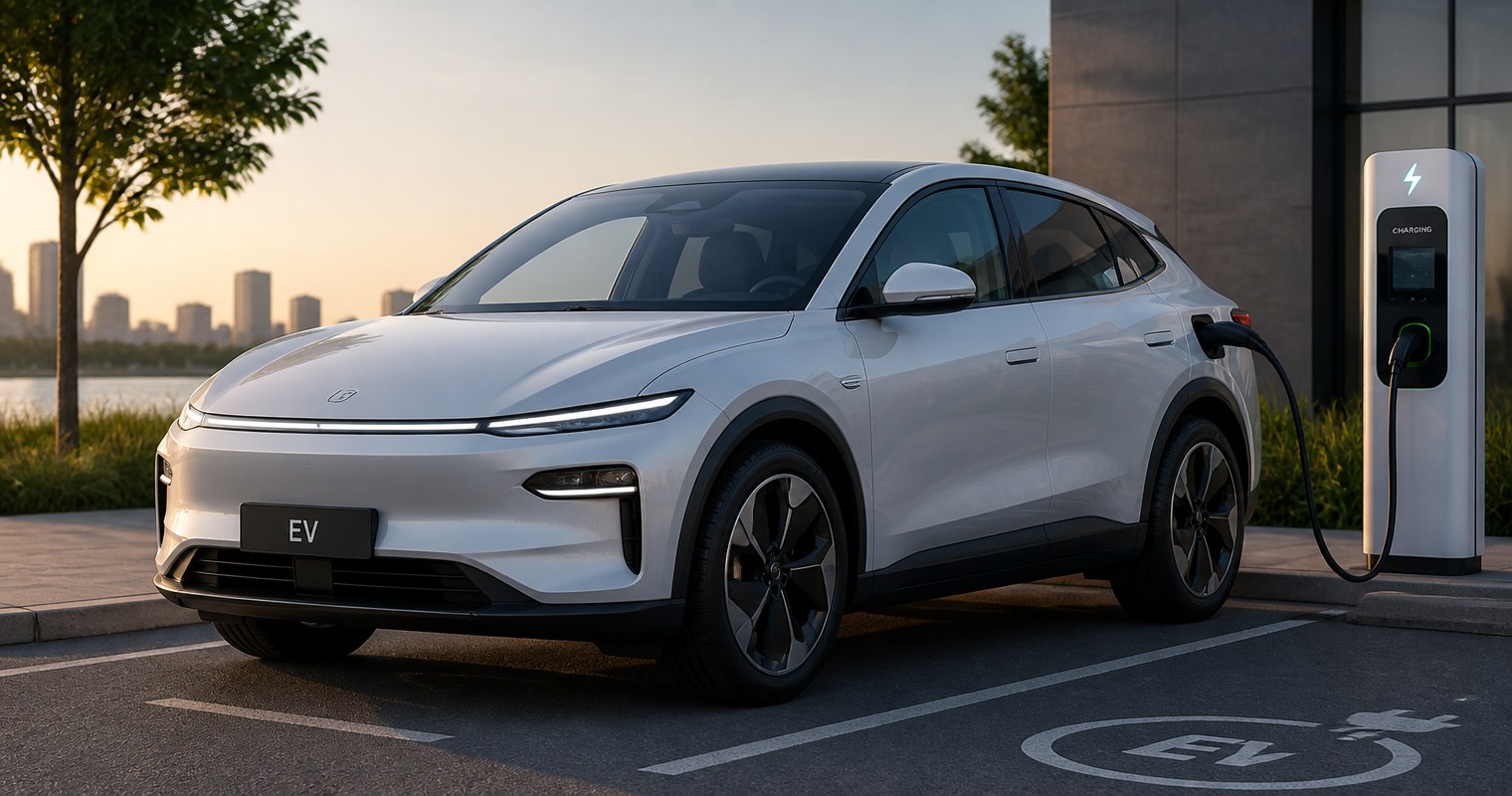
What About Leasing an EV for 3 Years?
EVs make the 3-year question particularly interesting.
Electric vehicle technology continues to change, and shoppers may be hesitant to predict what they will want several years from now.
A defined 3 year lease can be appealing if you want to drive an EV today without making a longer commitment to that particular vehicle.
Buying still has advantages. High-mileage drivers may prefer not having lease limits, and a shopper who ends up loving the EV may wish they owned it.
Current lease incentives can also differ significantly from purchase offers, so compare the actual numbers on the specific EV rather than relying on a general lease versus buy rule.
How to Compare Leasing and Buying for Exactly 3 Years
Since you already have a likely exit date, use it.
For a lease, add up:
- Amount due at signing
- 36 monthly payments
- Taxes and fees
- Expected mileage costs
- Likely lease end charges
For financing, look at:
- Down payment
- 36 monthly payments
- Interest
- Remaining loan balance after 36 months
- Estimated vehicle value at that point
The last 2 numbers are especially important.
If the vehicle is projected to be worth $30,000 and your loan balance will be around $23,000, that potential equity changes the comparison.
You do not need to predict the future perfectly. Vehicle values can change.
You are simply giving yourself a better basis for the decision than “the lease payment is cheaper.”
When Leasing Probably Makes More Sense
You are a strong lease candidate if your driving habits are fairly predictable.
You know you will probably want another car in 3 years. Your annual mileage fits comfortably within the agreement. You tend to keep vehicles in good condition. New technology matters to you, and long-term ownership does not.
In that situation, leasing is doing exactly what it is designed to do.
You are paying to use a vehicle for a defined period and then moving on.
When Buying Probably Makes More Sense
Now picture someone who also replaces cars every 3 years but drives 20,000 miles annually.
They occasionally decide to trade earlier than planned. They like having the option to keep a vehicle if they really enjoy it. They also pay close attention to resale value and try to have positive equity when they trade.
That shopper has several good reasons to buy instead.
The replacement schedule may be identical, but the way the vehicle is used is completely different.
That is why “I get a new car every 3 years” is not enough information by itself to settle the lease versus buy question.
How AutoFinder Helps You Shop for Your Next Car
Start with the vehicle before getting too attached to a payment.
AutoFinder can help you compare dealership inventory by model, trim, price, powertrain, features, and availability.
Once you find the vehicles that fit your needs, look at the lease and finance options available for those specific cars.
Keep the vehicle price and financing decision separate in your head. A low payment does not automatically mean you found the better deal, just as a higher financing payment does not automatically mean buying costs more over the 3 years you plan to own the car.
If you replace vehicles regularly, you have one advantage: you already know roughly how long this next car needs to work for you.
Use those 3 years as the basis for the comparison.
Final Thoughts
If you replace your car every 3 years, leasing deserves more consideration than it would for someone who keeps vehicles for a decade.
The timing fits. A 36-month lease gets you to your next shopping cycle without needing to sell or trade the vehicle, and the monthly payment may be lower than financing the same car.
But buying has something leasing does not: the possibility of equity.
That can be valuable when you are ready for the next car. Ownership also gives you more breathing room if you drive a lot or your 3 year plan changes along the way.
So look at your last 3 years of driving before deciding what to do with the next 3.
If your mileage is predictable, your cars stay in good condition, and you reliably want something new around year 3, a lease may fit remarkably well.
If you pile on miles, like having options, or have done well trading vehicles with positive equity, buying may still be the better move.