Car Pricing & Value
Is Leasing or Financing Better If I Drive 10,000 Miles a Year?
OVERVIEW
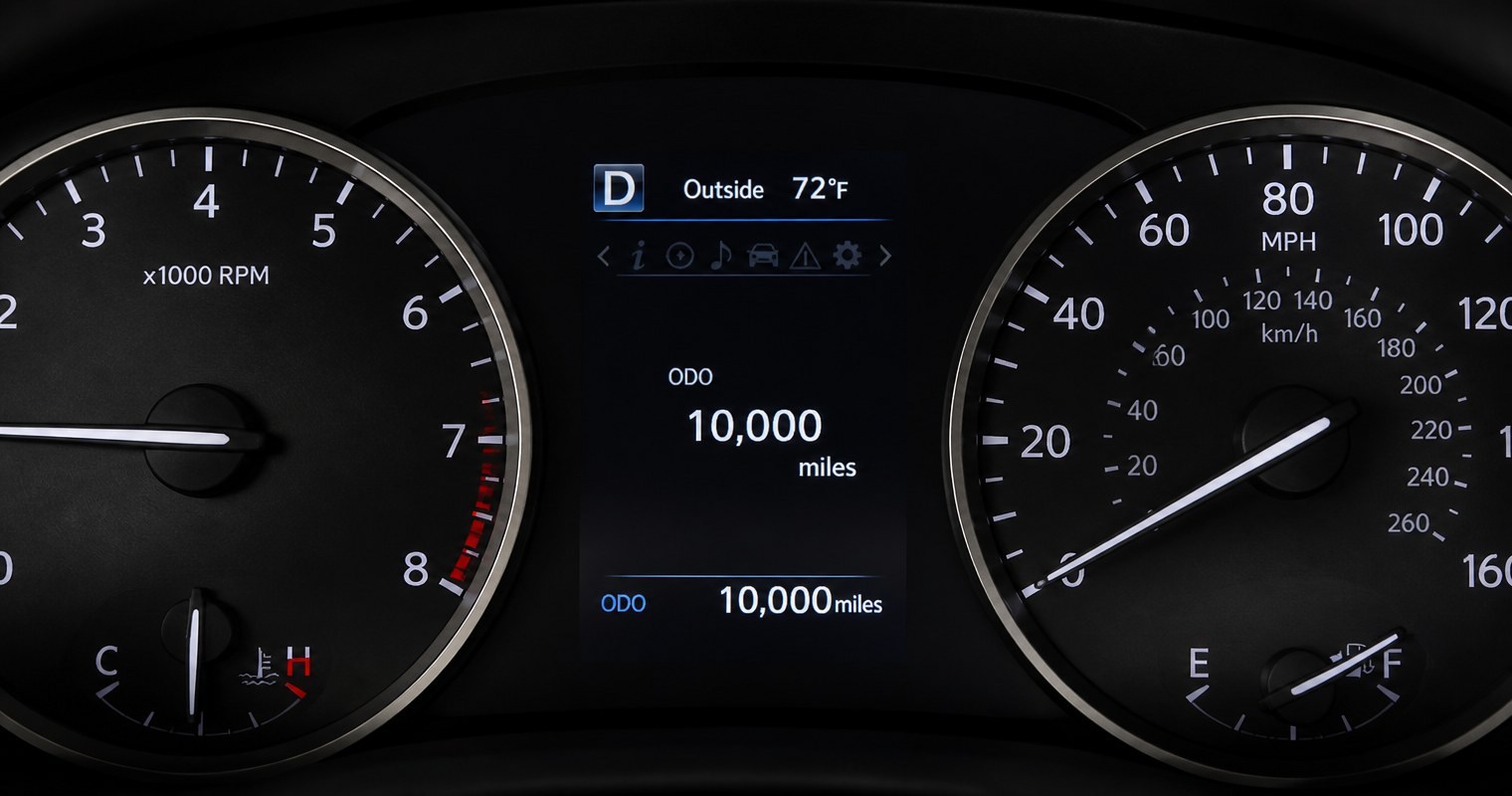
If you drive about 10,000 miles a year, you are in a pretty good position to consider either leasing or financing.
That mileage fits within many common lease allowances, which removes one of the biggest concerns people have about leasing. At the same time, putting 10,000 miles a year on a car is moderate enough that a vehicle you own may still have appealing mileage when you eventually sell or trade it.
So there is no automatic winner based on mileage alone.
If you like getting a different car every few years and your driving stays fairly predictable, leasing is worth a close look. If you would rather keep your car, build equity, and eventually reach the end of your loan, financing probably makes more sense.
Is 10,000 Miles a Year Good for a Lease?
For many drivers, yes.
The Consumer Financial Protection Bureau notes that leases commonly come with mileage limits of 10,000 to 15,000 miles per year. That puts someone driving around 10,000 miles comfortably within the range of many lease agreements.
On a 36 month lease with a 10,000 mile annual allowance, you would typically have 30,000 total miles to work with.
Before choosing that allowance, look at how close you actually come to 10,000 miles.
If you usually drive 7,500 or 8,000 miles, a 10,000 mile allowance gives you room for a few road trips or a change in your routine. If your odometer climbs almost exactly 10,000 miles every year, you may want more breathing room.
Your driving history is more useful here than an estimate. Check service records or compare your current odometer with where it was a year ago.
Leasing vs. Financing at 10,000 Miles a Year
At this mileage, the difference between leasing and financing is less about how far you drive and more about what you want from the car.
Someone who drives 10,000 miles and replaces a car every 3 years has a very different reason to lease than someone with the same mileage who keeps cars for a decade.
That is the distinction worth paying attention to.
When Leasing Makes Sense at 10,000 Miles a Year
Leasing becomes especially attractive when your mileage and your car buying habits are both predictable.
Maybe your commute has been the same for years. You put somewhere around 8,000 to 10,000 miles on your car annually, and by year 3 you are usually ready for something newer.
A 36 month lease can fit that routine naturally.
You are not trying to squeeze a long ownership period into a short one. You use the vehicle for the agreed term, stay within the mileage allowance, and return it around the same time you would normally start shopping again.
Monthly payments may also be lower than financing the same vehicle because a lease generally has you paying for the vehicle's expected depreciation during the term, along with rent charges, taxes, and fees.
For someone who already knows the car will probably be gone in 3 years, that structure can be appealing.
When Financing Makes More Sense
The case for financing gets stronger when you are thinking beyond the next few years.
At 10,000 miles annually, you would add about 50,000 miles over 5 years and 80,000 over 8 years. If the car continues to meet your needs, there is no reason you have to replace it just because the calendar says it is time.
That is where ownership starts to pay off differently.
Take out a 5 year loan and keep the vehicle for 8 years, and you could have several years without a loan payment. You also have complete control over when you sell or trade.
Mileage can work in your favor here too. A well maintained vehicle that has accumulated moderate mileage may be appealing in the used market, although its value will also depend on age, condition, demand, accident history, model, trim, and broader market conditions.
If keeping a car for 7, 8, or 10 years sounds normal to you, leasing every few years may keep you in a cycle of payments that you would rather eventually leave behind.
Should You Choose a 10,000 or 12,000 Mile Lease?
This is where being too optimistic can cost you.
A 10,000 mile lease may come with a more attractive payment than a higher mileage option, but there is little benefit in choosing it if you are going to spend 3 years worrying about the odometer.
Suppose you typically drive 9,500 miles annually.
Your commute could change. You might take an extra road trip. A move could add a few miles to your daily routine. None of those changes needs to be dramatic to push you beyond a tight allowance.
Ask for the cost of a higher mileage lease and compare it with the excess mileage charge in the agreement.
If you consistently drive well below 10,000 miles, the lower allowance may be perfectly reasonable. If you regularly come close, paying for a little extra room upfront may make the lease easier to live with.
What Happens If You Go Over 10,000 Miles on a Lease?
Going over 10,000 miles in a single year does not necessarily mean you immediately owe a penalty. What matters is the total mileage allowed under your particular lease agreement.
Imagine a 3 year lease gives you 30,000 total miles.
You return the vehicle with 33,000.
If the agreement charges a hypothetical $0.25 for every excess mile, those additional 3,000 miles would cost $750.
Your actual charge may be different, so check the excess mileage rate before signing.
This is one of those lease details that is easy to ignore when you are focused on the monthly payment. Knowing the number upfront makes it much easier to decide whether the mileage allowance is realistic.
Does Driving 10,000 Miles a Year Help With Resale Value?
It can, although mileage is only part of the picture.
Used car shoppers generally pay attention to how many miles a vehicle has accumulated relative to its age. A car that has been driven 10,000 miles annually may compare favorably with a similar vehicle that has accumulated considerably more.
But 2 cars with identical mileage can still have very different values.
Condition, maintenance history, accident history, features, trim, vehicle demand, age, and market conditions all matter.
For someone financing a car, moderate mileage is still useful. If you decide to sell or trade after several years, the combination of a lower loan balance and a vehicle that has retained reasonable value could leave you with positive equity.
That potential equity belongs in the lease versus finance calculation.
Is Leasing Cheaper If You Only Drive 10,000 Miles a Year?
A lease may have the lower monthly payment. That does not necessarily mean it costs less overall.
Imagine you are looking at the same vehicle with these hypothetical offers:
Lease: $425 per month for 36 months
Finance: $625 per month for 60 months
The $200 monthly difference is hard to miss.
But jump ahead 3 years.
The person leasing is approaching the end of the agreement and will generally return the car, purchase it if the lease allows, or move into another vehicle.
The person financing has spent more each month, but has also been paying down a loan on a vehicle they own.
If that vehicle is worth $27,000 and the remaining loan balance is $21,000, there could be roughly $6,000 in positive equity. If the car is worth less than the loan balance, the calculation goes the other direction.
Neither monthly payment tells you that.
When comparing offers, include what you pay upfront, the monthly payments, taxes, fees, interest, and what you are likely to have at the end of the period you are comparing.
How Long Do You Plan to Keep the Car?
This is probably the most useful question in the entire decision.
Say you drive 10,000 miles every year and know you will want something new after 3 years. You like having current technology, your driving is predictable, and you rarely keep vehicles for long.
A lease fits that pattern pretty well.
Now change only one thing: you would happily keep the car for 8 years.
Financing suddenly has much more going for it.
You can pay off the loan, continue driving, and decide for yourself when the car needs to be replaced. There is no lease expiration forcing another decision after 36 months.
Mileage tells you whether a lease is practical. How long you keep your cars tells you much more about whether it is worthwhile.
What If Your Driving Changes?
Ten thousand miles may describe your life right now. A lease asks you to make a reasonable guess about the next few years too.
Think about what could realistically change.
A longer commute can add miles quickly. So can moving farther from work, taking more road trips, or having new family responsibilities. Working from home could send your mileage in the opposite direction.
You do not need to plan for every possibility.
But if a major change is already on the horizon, give yourself room for it.
Financing is naturally more forgiving because you do not have a contractual mileage allowance. With a lease, choosing enough mileage upfront can save you from having to think about every extra trip later.
Pros and Cons of Leasing at 10,000 Miles a Year
Pros
- Mileage often fits well
- Often lower monthly payment
- Easy to change cars
- Regular access to newer models
- Predictable replacement schedule
- Often within factory warranty
Cons
- Mileage is still limited
- No ownership equity
- Possible wear charges
- Early exit can be costly
- Lease end fees may apply
- Another payment usually follows
For a driver whose mileage and replacement schedule are already predictable, several of the usual drawbacks of leasing become easier to manage.
The mileage limit is less intimidating when you know you rarely come close to exceeding it.
Pros and Cons of Financing at 10,000 Miles a Year
Pros
- No contractual mileage limit
- Opportunity to build equity
- Keep the car as long as you want
- Freedom to sell or trade
- No lease return inspection
- Potential years without payments
Cons
- Payments may be higher
- You take depreciation risk
- Negative equity is possible
- Long-term maintenance is yours
- Selling or trading takes effort
Financing is harder to judge by looking only at the first few years. Its biggest advantage may come later, once the loan has been paid and you still have a car you are happy to drive.
What If You Drive Less Than 10,000 Miles a Year?
Very low mileage makes staying within a lease allowance easier, but it does not automatically tip the decision toward leasing.
Suppose you drive only 6,000 miles per year.
After a 3 year lease, you may return the car with 18,000 miles even though the agreement allowed 30,000. Do not assume you will receive money back for all of those unused miles. The exact terms depend on the agreement.
Finance that same vehicle and keep it, and its relatively low mileage could become an advantage when you eventually sell or trade.
The goal with a lease is not to use as few miles as possible. It is to choose an allowance that fits your normal driving without paying for substantially more mileage than you need.
Is 10,000 Miles a Year Considered Low Mileage?
For leasing purposes, 10,000 miles sits around the lower end of common mileage allowances.
In everyday driving, the label matters less.
A relatively short commute can still add thousands of miles over a year before errands, weekend trips, vacations, and other driving are included.
Instead of deciding whether you are technically a low mileage driver, look at what your odometer has actually done over the last 12 to 24 months.
That is the number worth bringing with you when you compare lease offers.
How to Compare Leasing and Financing
Once you find a vehicle you actually want, compare both ways of paying for it.
For a lease, look at:
- Amount due at signing
- Monthly payment
- Lease term
- Total mileage allowance
- Excess mileage charge
- Applicable fees
- Purchase option
- Lease end costs
For financing, look at:
- Vehicle price
- Down payment
- APR
- Loan term
- Monthly payment
- Total interest
- Expected ownership period
- Estimated future loan balance
Then compare both over the same amount of time.
If you expect to change vehicles after 3 years, look at what each option leaves you with after 36 months. For financing, estimate the car's potential value and compare it with the loan balance you expect to have at that point.
If you plan to keep the vehicle for 8 years, widen the calculation. The years after the finance loan is paid off suddenly become important.
That is a much more useful comparison than simply choosing whichever option produces the smaller payment today.
How AutoFinder Helps You Compare Your Options
Start by narrowing down the vehicles you would actually want to drive.
With AutoFinder, you can compare available dealer inventory by model, trim, price, features, and other details that matter to your search.
Once you have a few strong options, look at the lease and financing offers available for those vehicles.
The answer may even change from one car to another. A strong lease program could make one model particularly attractive, while competitive financing could make ownership more appealing on another.
Because you already know you drive about 10,000 miles per year, you can compare those offers using a mileage number that reflects your real life instead of guessing.
Final Thoughts
If you drive 10,000 miles a year, leasing is absolutely worth considering.
Your mileage falls within many common lease allowances, so you may be able to enjoy the lower payment and shorter commitment of a lease without constantly worrying about excess miles.
Just do not mistake being a good candidate for leasing with leasing automatically being the better deal.
If a new car tends to sound appealing every 3 years, a lease can fit both your mileage and your habits.
If you would rather keep a good car once you find one, financing gives you something more valuable than extra miles: time. You can pay down the loan, build equity, and eventually own the vehicle without another monthly loan payment.
At 10,000 miles a year, either path can work.
The better one depends on what you want to do when year 3 arrives.
| Factor | Leasing | Financing |
|---|---|---|
| 10,000 miles per year | Often fits lease limits | No contractual limit |
| Monthly payment | Often lower | Often higher |
| Ownership | Generally no | Yes |
| Equity | Generally none | Possible |
| Changing cars | Simple at lease end | Requires sale or trade |
| Keeping the car | Purchase option may apply | Keep as long as you want |