Car Pricing & Value
How to Maximize Your Trade In Value in 2026
KEY TAKEAWAYS
- Research your car's value before getting it appraised.
- Keep the trade-in and purchase price separate while negotiating.
- Get at least 3 offers when possible.
- Compare the trade allowance with your loan payoff separately.
- Bring service records and information about your trim and equipment.
- Consider market demand and timing, but do not wait months solely for a potentially better offer.
- Compare the entire transaction before deciding which offer works best.
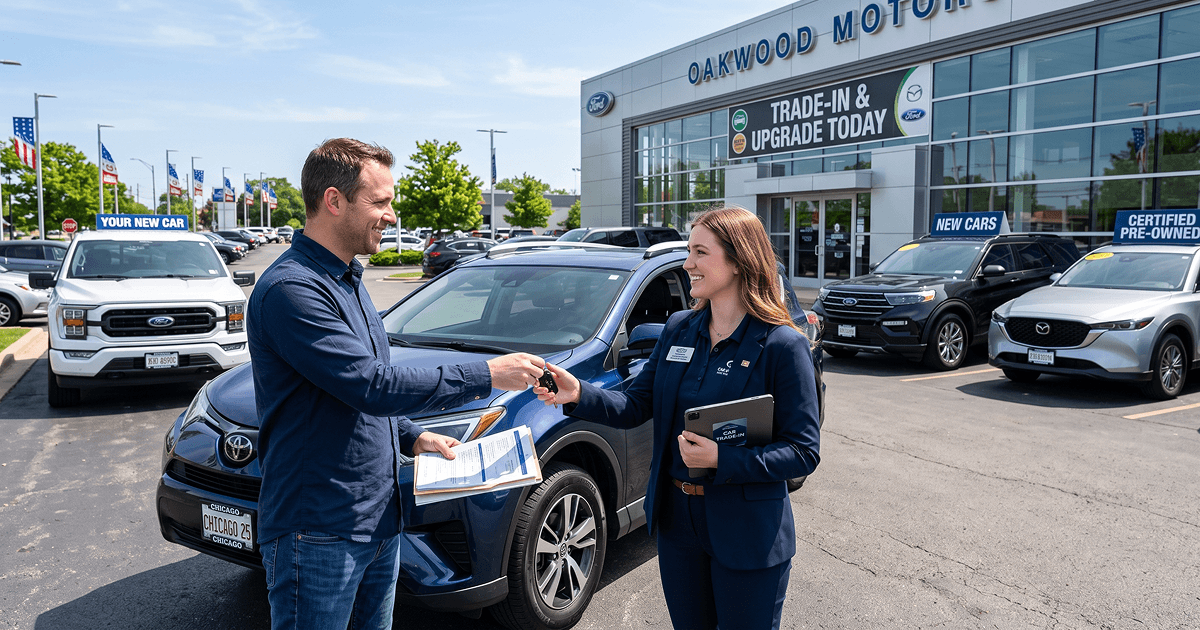
Trading in your current car can make buying the next one much easier. You can handle both transactions in one place, apply the value of your trade toward your next vehicle, and avoid the work that comes with selling a car yourself.
But convenience does not mean you should arrive without doing your homework.
The best way to maximize your trade-in value is to research what your car is worth, compare multiple offers, keep the trade and vehicle purchase numbers clear, document anything that could support your car's value, and understand how condition, mileage, demand, and timing can affect an appraisal.
The 6 Step Trade-In Playbook
A good trade-in does not require complicated negotiation tactics. Most of the work happens before you get to the dealership.
Here is how to prepare.
1. Establish Your Car's Market Value Before Anyone Appraises It
You will have a much easier time evaluating an offer if you already have an idea of what your vehicle is worth.
Start by researching vehicles similar to yours.
Look for the same:
- Model year
- Make and model
- Trim
- Mileage range
- Drivetrain
- Major options
- General condition
Local listings can show you what dealers are currently asking for comparable vehicles. Remember that a retail listing price is not the same as trade-in value.
A dealership preparing a trade for resale may have costs associated with inspection, reconditioning, transportation, detailing, inventory, and ultimately selling the vehicle. There also needs to be room between the acquisition cost and eventual retail price.
So use retail listings as context, not as the number you expect a dealer to offer.
Pay attention to the exact trim
Do not compare a well-equipped version of your car with the least expensive trim simply because they share a model name.
All Wheel Drive, upgraded technology packages, premium audio, towing equipment, certain powertrains, and other factory equipment can affect how comparable vehicles are priced.
Make sure the vehicles you use as benchmarks are actually comparable to yours.
Be realistic about condition
Walk around your car before the appraisal and look at it the way a buyer might.
Worn tires, body damage, warning lights, windshield damage, interior wear, mechanical issues, and accident history can all influence an appraisal.
You do not necessarily need to repair everything before trading. In fact, some repairs may cost more than they add to the trade value.
You simply want to understand your vehicle's condition so that an appraisal does not come as a surprise.
2. Separate the Trade-In From the Purchase
This is one of the most useful habits in the entire process.
You may eventually combine the trade, vehicle purchase, financing, and down payment into one transaction. While you are evaluating the deal, however, keep the major numbers visible.
Start by negotiating the price of the vehicle you want to buy.
The Federal Trade Commission recommends getting the out-the-door price in writing before visiting the dealership. That gives you the total vehicle price before financing, including taxes and fees, and makes it easier to compare offers.
Once you understand the purchase price, evaluate your trade separately.
For example:
Vehicle out-the-door price: $34,000
Trade-in allowance: $16,000
Loan payoff on trade: $11,000
Positive trade equity: $5,000
Those numbers tell you much more than hearing that the dealership can get you to a certain monthly payment.
This approach is not about treating the dealership as an opponent. Keeping the numbers separate gives both you and the dealer a clearer conversation about the vehicle price, trade value, financing, and how everything fits together.
If you are planning to trade a vehicle, you can simply tell the dealership you would like to settle on the purchase price first and then have your current car appraised.
3. Get at Least 3 Written Offers
One appraisal tells you what one buyer is willing to pay.
Several give you a much better picture of the market.
If possible, get 3 trade or purchase offers before making your decision. Those can include:
- The dealership selling the vehicle you want
- Another local dealership
- A dealership that specializes in your vehicle's brand
- A national vehicle buyer
- An online instant offer
There is no guarantee one type of buyer will offer more than another.
A dealership may be particularly interested in your vehicle because it fits its used inventory. Another may already have several similar vehicles in stock. Local demand, condition, mileage, trim, and the dealership's inventory needs can all affect an offer.
Get the offer in writing
A written offer gives you something specific to compare.
Check:
- Offer amount
- Expiration date
- Mileage restrictions
- Condition requirements
- Whether an in-person inspection is required
Then compare offers while they are still valid.
You do not necessarily need to drive all over town chasing another $50. The point is to establish whether the first appraisal is reasonably competitive.
Clean the car before it is appraised
Your car does not need a professional detailing package to receive an appraisal.
Remove personal items, vacuum the interior, clean obvious dirt and trash, and make sure the vehicle presents well.
A clean car cannot erase mechanical problems or body damage, but it makes it easier for an appraiser to accurately evaluate the vehicle's overall condition.
What Should You Watch for During a Trade-In Appraisal?
A trade appraisal involves several numbers, particularly when you still have a loan. Understanding what they mean can prevent confusion.
1. What happens if you still owe money on the car?
Ask for the trade allowance and loan payoff as separate numbers.
Suppose your car receives a $15,000 trade allowance, but you still owe $18,000.
You have $3,000 in negative equity.
That amount does not disappear simply because the dealership handles the payoff. It may need to be paid separately or incorporated into the financing for the next vehicle, subject to lender approval.
The FTC specifically warns consumers to understand how negative equity is being handled before signing a new financing agreement.
2. Why did the dealer deduct money for reconditioning?
A dealership may need to perform maintenance, replace tires, repair damage, detail the vehicle, or complete other work before offering it for sale.
If the condition adjustment is larger than you expected, ask what the appraiser found.
That gives the dealership an opportunity to explain how it reached the number and gives you information you can compare with other offers.
3. What if the appraisal seems low compared with cars online?
Make sure you are comparing the same thing.
Dealer retail asking prices are not trade-in values. A dealership purchasing your vehicle still has to prepare, market, and sell it.
However, comparable retail listings can help you understand how vehicles with your model year, mileage, trim, and equipment are positioned in your local market.
If your appraisal is much different from another written offer, show the dealership the competing offer and ask whether it can get closer.
4. Does trading in a car reduce sales tax?
It can, depending on your state.
Many states provide some form of sales tax treatment for trade-ins, but the rules are not the same everywhere.
That can make a trade-in more financially competitive with selling privately even when the private sale price is higher.
Check the rules where you live and compare the net result, not just the dollar amount offered for the vehicle.
4. Do Not Automatically Accept the First Offer
You do not have to reject the first appraisal simply because it is first.
If the offer is competitive with your research and other written offers, it may be a perfectly good number.
But you should know that before accepting it.
If another buyer offered more, show the dealership the written offer.
You might say:
“I have a written offer for $21,500. Is there any way you can match or improve on that?”
That gives the dealership something concrete to evaluate.
The answer may be yes. It may be no.
Either way, you now have enough information to make a decision.
Use evidence rather than an arbitrary target
A stronger conversation is based on actual market information.
Bring your competing offers. Know the exact trim of your vehicle. Have information about its condition and maintenance.
If the dealership explains why its appraisal differs from another offer, listen to the reasoning and compare the details.
A higher trade allowance is useful, but remember to look at the rest of the purchase too. A strong trade offer does not automatically make one overall deal better than another.
5. Document Everything That Could Support Your Car's Value
Do not assume an appraiser knows every piece of equipment or recent maintenance on your car.
Bring whatever makes the vehicle easier to evaluate.
Find the original window sticker or equipment list
If possible, identify factory equipment such as:
- All Wheel Drive
- Premium audio
- Driver assistance packages
- Panoramic roof
- Tow package
- Upgraded wheels
- Higher trim equipment
Factory options do not return their full original cost when you trade the vehicle, but they can affect how desirable or valuable a particular configuration is.
Bring maintenance records
Service records can help document how the vehicle has been maintained.
If you recently replaced the tires, brakes, battery, or completed significant scheduled maintenance, bring the receipt.
Do not assume that spending $1,000 on maintenance automatically adds $1,000 to the trade value. It does, however, give the appraiser a more complete picture of the vehicle and may reduce uncertainty about work that would otherwise need to be considered.
Bring everything that belongs with the car
That includes:
- Both key fobs
- Owner's manuals
- Floor mats
- Cargo covers
- Factory accessories
- Wheel lock key
- Charging cable for an EV or plug in hybrid
It is much easier to hand those items over during the appraisal than discover them in your garage after the trade is complete.
6. Time the Trade to the Market, Not Just the Calendar
Timing can affect vehicle values, but there is no universal month when every car suddenly becomes worth more.
Used vehicle demand changes with inventory levels, interest rates, seasonality, fuel prices, local preferences, and the specific type of vehicle you own.
A convertible may attract more interest as warm weather approaches. An AWD SUV may be especially desirable in a colder market heading into winter. A fuel-efficient compact can behave differently from a full-size pickup when gas prices change.
Model year transitions can matter too.
As newer model year vehicles enter the market, an older vehicle continues moving through its normal depreciation cycle. That does not mean you should rush to trade every August or avoid trading every December.
If you already expect to replace the vehicle within the next several months, timing is worth considering. If you otherwise planned to keep the car another 2 years, trading early solely because you think one month produces higher values rarely makes sense.
What Is the Best Time of Year to Trade In a Car?
Seasonality can influence demand, but the original playbook's month-by-month percentages are too precise to apply to every vehicle and every market.
A more useful way to think about the year is:
| Time of Year | What to Watch | Why It May Matter |
|---|---|---|
| January to April | Tax season demand | Used vehicle shopping can strengthen during tax refund season |
| May to June | Seasonal vehicles | Convertibles and recreational vehicles may attract more interest |
| July to August | New model arrivals | Upcoming model year inventory can affect pricing comparisons |
| September to October | Model year transition | Outgoing new models and incentives can influence nearby used segments |
| November to December | Winter and year end demand | AWD vehicles and trucks may see stronger regional interest |
This is context, not a rule for when you should sell.
The market for your specific vehicle in your location matters more than a generic calendar.
Does mileage matter?
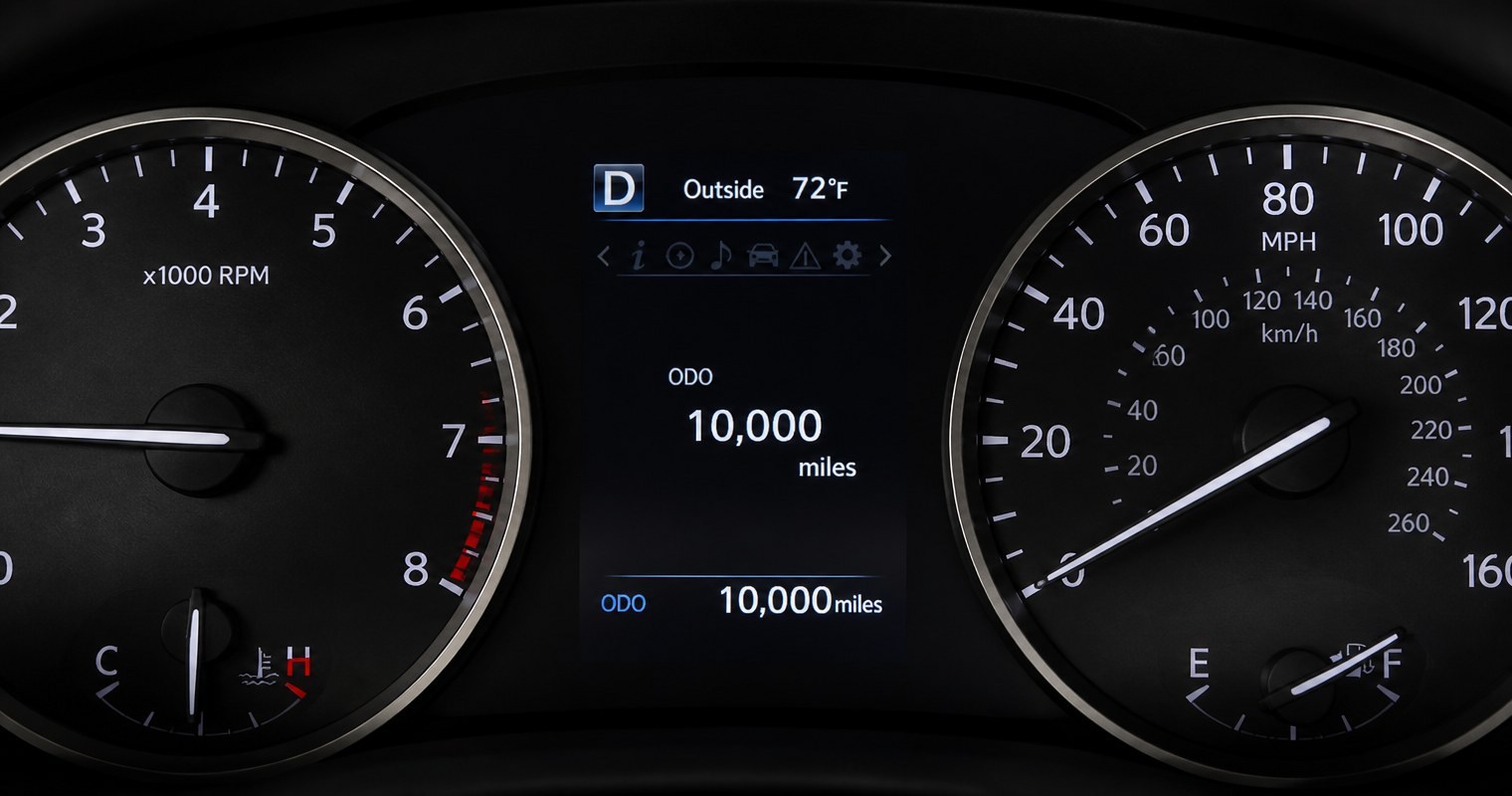
Yes, but there is no reason to panic when the odometer approaches a round number such as 100,000 miles.
Mileage is one factor among many.
Age, condition, service history, accident history, trim, powertrain, local demand, and the specific vehicle all contribute to an appraisal.
A well-maintained higher-mileage vehicle may still be attractive to a dealer or buyer. What matters is how the complete vehicle compares with alternatives currently available in the market.
Should You Trade In or Sell Your Car Yourself?
A private sale can sometimes bring a higher selling price because there is no dealership preparing the vehicle for resale.
But a higher selling price does not automatically mean it is the better option.
Trading can give you:
- One transaction
- No private buyer meetings
- No advertising
- Less paperwork to handle yourself
- Potential sales tax advantages depending on your state
- The ability to apply positive equity directly toward the next vehicle
A private sale may make more sense when the price difference is large enough to justify the extra work.
Get a trade offer first. Then estimate what you could realistically sell the vehicle for privately and compare the net difference.
That gives you a real decision instead of assuming one route always pays more.
How Do You Maximize Your Trade-In Value?
If you only remember a few things from this playbook, make them these:
- Research your vehicle before the appraisal.
- Compare at least 3 offers when practical.
- Keep the purchase price and trade allowance visible as separate numbers.
- Know your exact loan payoff.
- Bring service records and equipment information.
- Ask questions when you do not understand an appraisal adjustment.
- Compare the complete transaction before deciding.
You do not need to turn the trade in process into a battle.
The goal is to arrive prepared enough to recognize a competitive offer and have a productive conversation when the numbers differ from what you expected.
Know Where You Stand Before You Walk In
The most useful number to have before an appraisal is a realistic range for what your vehicle may be worth today.
Research comparable vehicles with the same model year, trim, mileage, drivetrain, and equipment. Then get actual purchase or trade offers.
Those offers tell you what buyers are willing to pay right now.
When you know the market, the trade-in conversation becomes much simpler.
How AutoFinder Helps You Prepare for Your Trade-In
AutoFinder can help you research vehicles like yours and understand how comparable models are currently priced in the market.
You can also use AutoFinder while shopping for your replacement vehicle to compare inventory, trims, pricing, and features before contacting a dealership.
Once you find a vehicle you are interested in, AutoFinder can connect you with a dealer to discuss availability, pricing, financing, your trade, and next steps.
Doing the research first helps you ask better questions. It also gives the dealership clearer information about what you are shopping for and what you are bringing to the transaction.
Final Thoughts
Getting more for your trade usually comes down to preparation rather than a clever negotiating line.
Know what you have. Know what you owe. Get more than one appraisal. Keep the purchase price, trade allowance, payoff, and financing clear enough that you understand what each number is doing.
Then give the dealership the information it needs to evaluate your car accurately.
You may find that the first offer is already competitive. You may find another buyer willing to pay more. Either result is useful because you are making the decision with actual market information instead of guessing what your car should be worth.

Get a real offer in 2 minutes
Sell or trade your car 100% online. No haggling, no headaches.

Continue to Carvana to enter your vehicle and get your offer.
Frequently Asked Questions
Related Articles
Sources