Car Pricing & Value
How to Buy a Car With a Small Down Payment Without Hurting Your Cash Flow
OVERVIEW
Buying a car does not always require a large down payment. Putting more money down can reduce the amount you need to finance, but using too much of your available cash can leave you short on savings for other expenses.
Your down payment is only one part of the decision. The vehicle price, loan terms, monthly budget, trade in, and amount of cash you want to keep available all affect what makes sense.
With a smaller down payment, those other numbers deserve even more attention. Choosing a vehicle that fits your budget, comparing financing options, understanding negative equity, and looking at the complete purchase price can help keep both your upfront costs and ongoing payments manageable.
Why the Traditional 20% Down Payment Rule Exists
How a Down Payment Affects Your Auto Loan
You have probably heard the advice to put 20 percent down when buying a car. It can be a useful reference point, but it is not a requirement for every buyer or every auto loan.
The basic idea is straightforward. The more you pay upfront, the less you need to borrow.
A larger down payment can reduce your monthly payment and the amount of interest you pay over the life of the loan. It can also give you more equity in the vehicle from the beginning, which matters because vehicles generally lose value over time.
From a lender's perspective, the relationship between the amount being financed and the vehicle's value is known as the loan to value ratio, or LTV. Putting more money down can lower that ratio because you are financing a smaller percentage of the vehicle's value.
How much you put down should still make sense within the rest of your finances. Reducing your loan balance has benefits, but so does keeping enough cash available for expenses outside of your car.
When Putting Less Down Can Make Sense
There are situations where keeping more cash available may matter more than reaching a particular down payment percentage.
For example:
- You want to preserve savings. Putting more money down reduces your loan balance, but that money is no longer available for an unexpected repair, home expense, medical bill, or other financial need.
- You qualify for competitive financing. The cost of borrowing affects how much benefit you receive from putting additional money down.
- You are choosing a less expensive vehicle. Reducing the vehicle price can sometimes have a greater effect on affordability than stretching your savings to make a larger down payment.
- You have positive trade in equity. Equity from your current vehicle can reduce the amount you need to finance without requiring the same amount in additional cash.
How those factors come together will look different for every buyer.
Step by Step Guide to Buying With a Small Down Payment
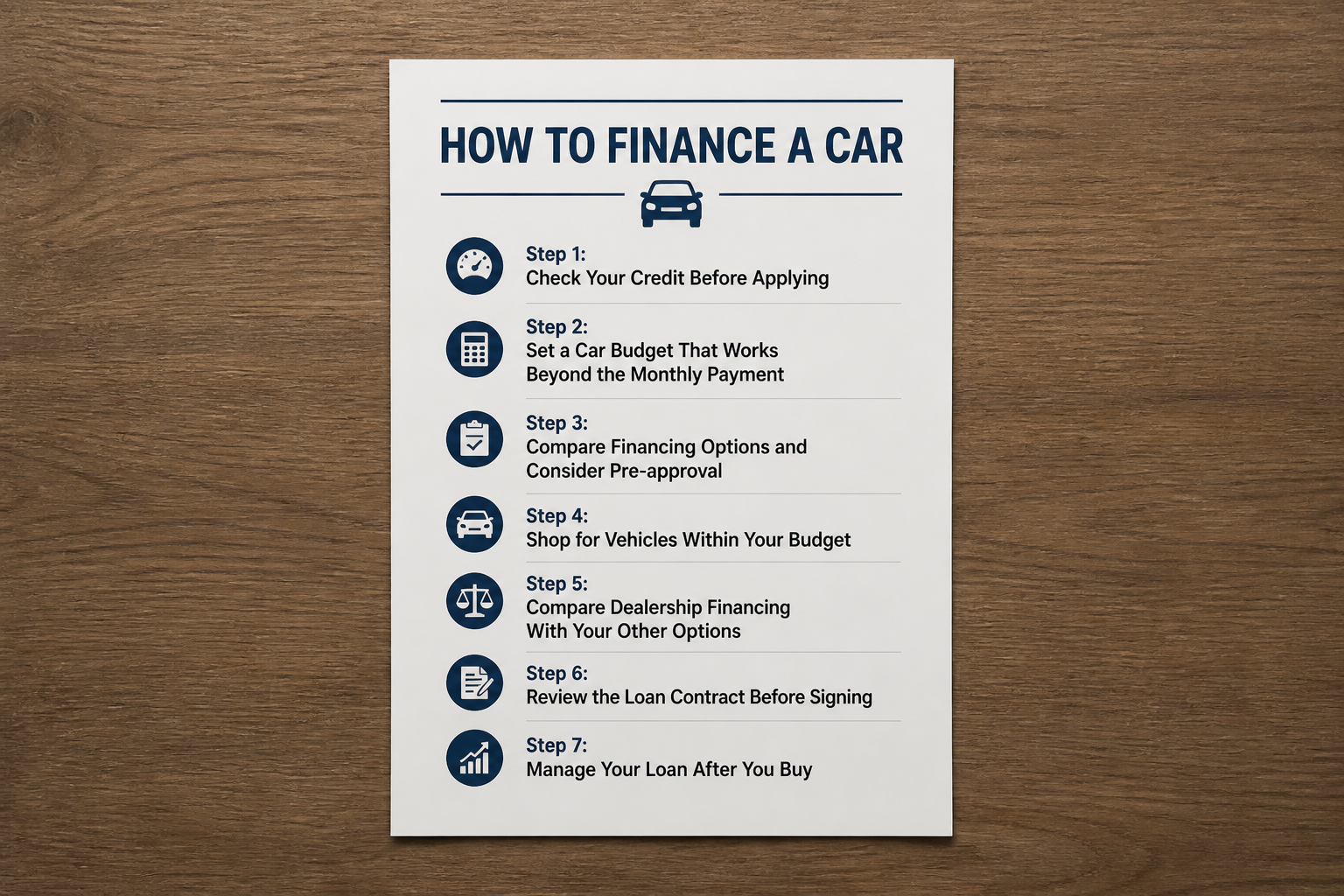
Step 1: Calculate the Monthly Payment You Can Actually Afford
Before browsing vehicles, decide what fits comfortably into your monthly budget.
Start with your take home pay and existing expenses. Account for housing, utilities, debt payments, savings, and other regular obligations before deciding how much room you have for a vehicle.
Remember that the loan payment is only part of the cost.
You may also need to budget for:
- Insurance
- Fuel or charging
- Maintenance
- Registration
- Parking or tolls
- Repairs
There are plenty of rules that suggest spending a particular percentage of income on a vehicle. Those can provide context, but your own budget is a better guide than a percentage that cannot account for the rest of your financial situation.
Once you know what you are comfortable spending each month, look at how different vehicle prices, down payments, interest rates, and loan terms affect that number. AutoFinder’s car payment calculator can help you compare those numbers and estimate your monthly payment.
This is also where comparing actual inventory can help. Autofinder lets you see vehicles available from dealerships at different price points, giving you a clearer idea of what your budget can buy before you become attached to one particular model or trim.
You may find that changing the model year, trim, mileage, or type of vehicle gives you more flexibility without requiring additional cash upfront.
Step 2: Explore Preapproval Before You Shop
Getting preapproved for an auto loan can give you useful information before you start seriously shopping.
Depending on the lender, a preapproval may give you an estimated or conditional loan amount, interest rate, and term based on the information reviewed during the application.
Banks and credit unions can both be worth considering. Compare the actual financing options available to you rather than assuming one type of lender will always offer the lowest rate.
A preapproval can help you:
- Understand approximately how much you may be able to finance.
- Establish a financing offer to compare with dealership options.
- Focus your vehicle search on a more realistic price range.
Preapproval does not mean you have to use that lender. A dealership may have access to other lenders or manufacturer financing programs that result in a better option.
Step 3: Use Autofinder to Compare Lower Priced New and Used Vehicles
When your down payment is limited, vehicle selection becomes one of the most effective ways to control how much you borrow.
Consider two vehicles priced $10,000 apart. Even with the same down payment percentage, the less expensive vehicle can mean thousands less in principal to finance.
That does not mean choosing the cheapest vehicle available. Purchase price needs to be considered alongside the condition, mileage, equipment, warranty coverage, and other details that affect what you are getting for your money.
Autofinder lets you compare new and used dealership inventory based on factors such as price, model year, mileage, trim, equipment, and other vehicle details.
This can also be a good time to consider certified preowned vehicles. Depending on the manufacturer and vehicle, a CPO option may provide additional warranty coverage and a manufacturer certification process while costing less than a comparable new model.
As you compare vehicles, look at the complete picture. A slightly higher priced vehicle might have lower mileage, a more desirable trim, additional equipment, or warranty coverage that matters to you.
Step 4: Make the Most of Your Trade In Equity
If you already own a vehicle, your trade in may reduce the amount of additional cash you need to put down.
Start by determining whether you have positive or negative equity.
If your vehicle is worth more than the amount you still owe, the difference is positive equity. That value can generally be applied toward your next purchase.
For example, if your trade in is valued at $12,000 and you owe $8,000, you have $4,000 in positive equity.
If you owe more than the vehicle is worth, you have negative equity. The remaining balance still needs to be addressed as part of the transaction, so it is important to understand how it affects the next purchase.
Before discussing the trade in, gather information about your vehicle and loan. Know your approximate payoff amount and have maintenance records available if you have them.
You can also ask the dealership to explain the trade in value separately from the price of the vehicle you are purchasing. Seeing those numbers individually makes it easier to understand how your equity affects the transaction.
Step 5: Choose a Loan Term That Balances Payment and Total Cost
Loan length can have a major effect on both your monthly payment and your total borrowing cost.
Here is an example using a $25,000 loan at 6.5 percent APR:
Figures are illustrative and rounded. Actual loan payments and borrowing costs depend on your lender and loan terms.
Extending the loan reduces the monthly payment, but you remain in debt longer and pay more interest.
This deserves particular attention with a small down payment because you are financing a larger portion of the vehicle price from the beginning.
Compare the monthly payment and total cost at several terms. A shorter term may save money on interest, but the payment still needs to fit comfortably within your budget.
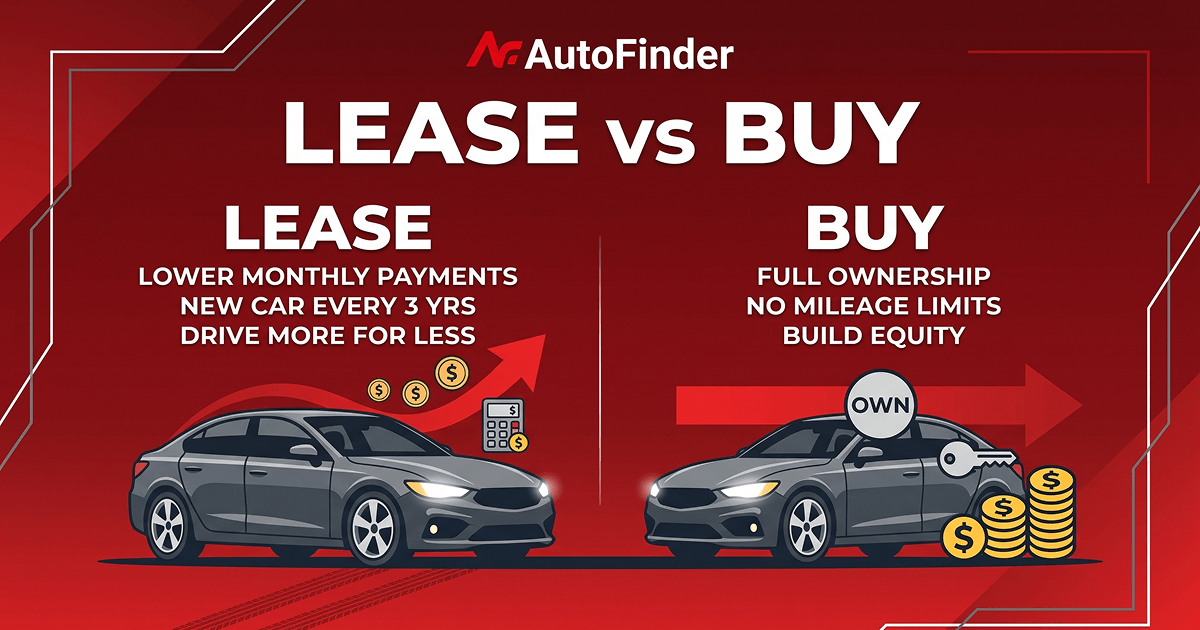
Step 6: Consider Leasing as Another Option
If keeping your upfront cost low is a priority, leasing may also be worth considering.
Lease structures vary, but some require less cash at signing than purchasing the same new vehicle with a traditional down payment. Monthly payments may also be lower because you are generally paying for the vehicle's expected depreciation during the lease rather than financing its entire purchase price.
Leasing tends to appeal to drivers who:
- Prefer getting a new vehicle every few years
- Drive within the lease's mileage allowance
- Do not necessarily want to own the vehicle long term
- Want predictable warranty coverage during much of the time they have the vehicle
Leases typically include mileage limits and vehicle condition requirements, and ending a lease early can be expensive. You also do not build ownership equity in the same way you do when paying down a traditional auto loan.
Before deciding, compare the complete lease terms with the cost and flexibility of purchasing.
How to Avoid Negative Equity With a Low Down Payment
Understanding Loan to Value Ratios
Negative equity means you owe more on your auto loan than the vehicle is currently worth.
For example, if your loan balance is $27,000 and the vehicle could currently be sold or traded for $24,000, you have $3,000 in negative equity.
A small down payment can increase the possibility of this happening early in ownership because you begin by financing a larger portion of the purchase.
Your loan to value ratio helps describe that relationship.
An LTV of 100 percent means the loan amount and vehicle value are equal. An LTV above 100 percent means the amount financed exceeds the vehicle's value.
There are several ways to reduce your exposure to negative equity:
- Be cautious about adding previous loan balances to the new financing. Negative equity from a trade in increases the amount you need to borrow.
- Understand what is being financed. Taxes, fees, optional products, and other costs can increase your loan balance beyond the vehicle price.
- Pay additional principal when it makes sense for your budget. If your lender allows it, additional principal payments can reduce your balance faster.
- Understand GAP coverage. GAP coverage may help cover the difference between an insurance settlement and the remaining loan balance if a financed vehicle is declared a total loss, subject to the specific policy or contract terms.
If GAP coverage is offered, review the price, exclusions, cancellation terms, and existing coverage you may already have before deciding whether it is appropriate for your situation.
Consider How the Vehicle May Hold Its Value
Depreciation varies considerably by vehicle.
Some models retain more of their value over time, while others experience larger differences between new and used prices.
That matters when you make a small down payment because stronger value retention can help the vehicle's market value stay closer to the remaining loan balance.
Look at current new and used pricing for the vehicles you are considering rather than assuming a particular brand or model will always hold its value.
Autofinder listings can help with that comparison. Look at newer and older examples of the same model and see how prices change with age, mileage, trim, and condition.
Resale value is one factor among many. Purchase price, reliability, features, and expected ownership costs should be part of the decision too.
Negotiation Tips to Reduce Your Out the Door Cost
Look at Price, Trade In, and Financing Separately
A vehicle transaction can include several different numbers at once. Looking at the vehicle price, trade in, and financing separately gives you and the dealership a clearer way to discuss each part of the transaction.
Start with the vehicle price. Then look at the trade in value, if applicable. Finally, compare the financing terms.
Ask for an itemized breakdown showing:
- Vehicle price
- Trade in credit
- Down payment
- Taxes and fees
- Optional products
- Amount financed
- APR and loan term
- Estimated monthly payment
If you already have a preapproval, compare it with the dealership financing offer using the same criteria.
The dealership may be able to provide a financing option that works better for you. If your outside financing is more competitive, you can consider that instead.
Review Fees and Optional Products
The out-the-door price can include more than the advertised vehicle price.
Taxes, title and registration charges, documentation fees, optional products, dealer-installed equipment, and other items may appear on the purchase agreement.
Before deciding how much you may need to finance, you can estimate your out the door price to see how the vehicle price, taxes, and applicable fees could affect your total.
Some charges may be required while others may be optional. Requirements and fee rules can also vary by state and dealership.
If you are unsure about a charge, ask what it covers and whether it is required for the purchase.
For optional products or accessories, consider what the product provides and whether the cost makes sense for you.
This is particularly important when making a small down payment because anything added to the amount financed increases the balance you will repay.
Building a Realistic Budget Before You Visit a Dealer
Use Autofinder to Set Your Price Range
Before you begin seriously comparing vehicles, use the numbers you have already worked through to establish a realistic shopping range.
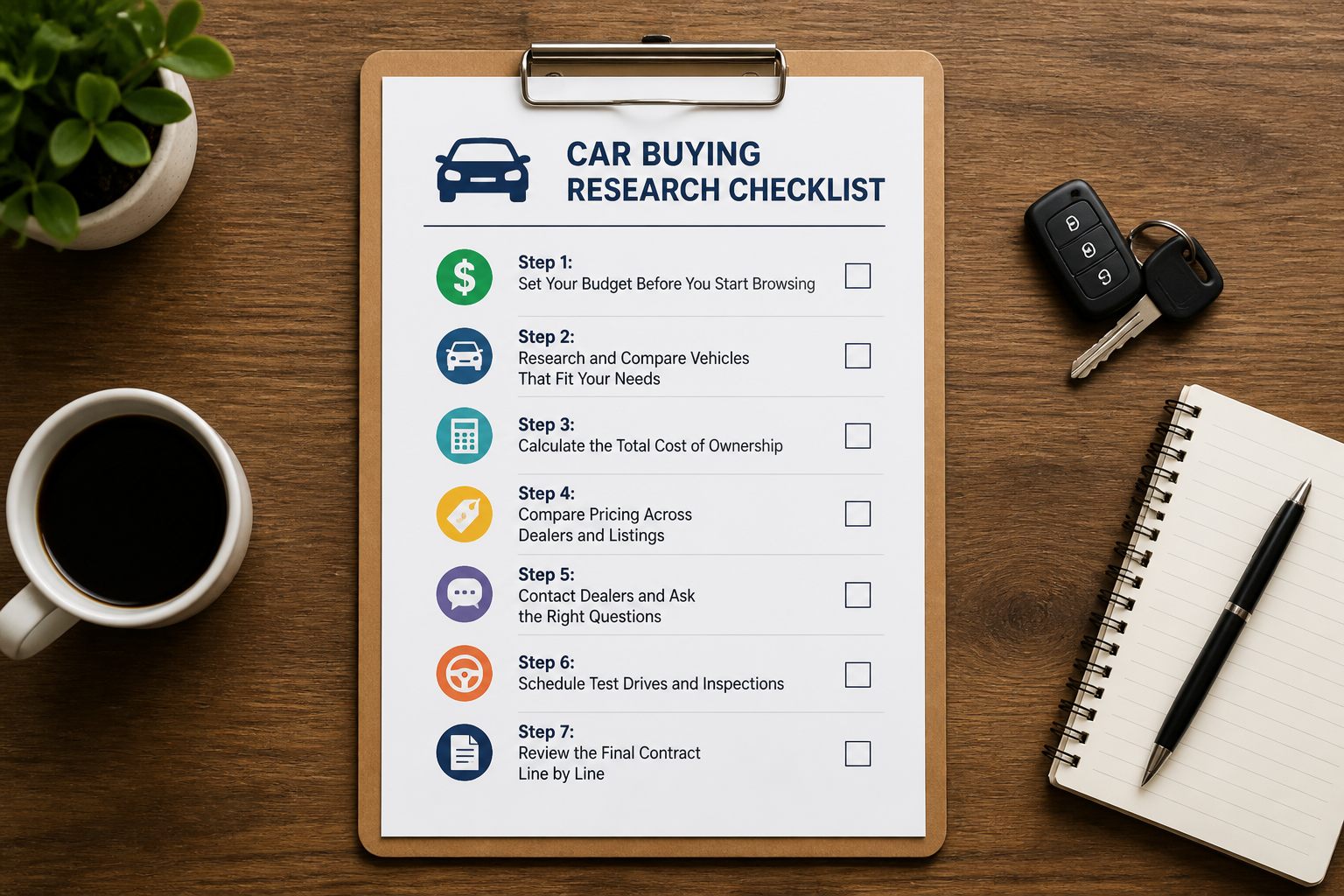
A practical process looks like this:
- Determine a comfortable monthly vehicle budget. Account for your other financial obligations and savings goals.
- Estimate insurance and ownership expenses. These costs can vary by vehicle.
- Review available financing. Use the APR and loan terms you may qualify for to estimate borrowing costs.
- Add your planned cash down payment and positive trade in equity. This helps you understand how much of the purchase you can cover without financing.
- Compare vehicles within that range. Use Autofinder to see what new and used dealership inventory is available around your target price.
Working through these numbers before you shop can make it easier to focus on vehicles that fit rather than trying to reshape the financing around a vehicle that stretches your budget.
Final Thoughts: A Small Down Payment Can Still Fit a Smart Car Purchase
A smaller down payment does not automatically make a car purchase a bad financial decision. It does mean you may be financing more of the purchase, which makes the vehicle price, APR, loan term, amount financed, and potential for negative equity especially important.
Keeping some cash available can matter too, particularly if putting more down would leave little room for unexpected expenses or other financial priorities.
Autofinder can help you see what vehicles are actually available within your price range before you decide how much cash to put toward the purchase. Changing the model year, trim, mileage, or vehicle you are considering may give you more room in your budget without requiring a larger down payment.
| Loan Term | Approximate Monthly Payment | Approximate Total Interest |
|---|---|---|
| 36 months | $766 | $2,576 |
| 48 months | $593 | $3,464 |
| 60 months | $489 | $4,394 |
| 72 months | $420 | $5,270 |