Why Are Interest Rates So High on Used Cars
Last updated Jun 11th, 2026
Find Your Best Price
See what others paid and get upfront pricing from local dealers.

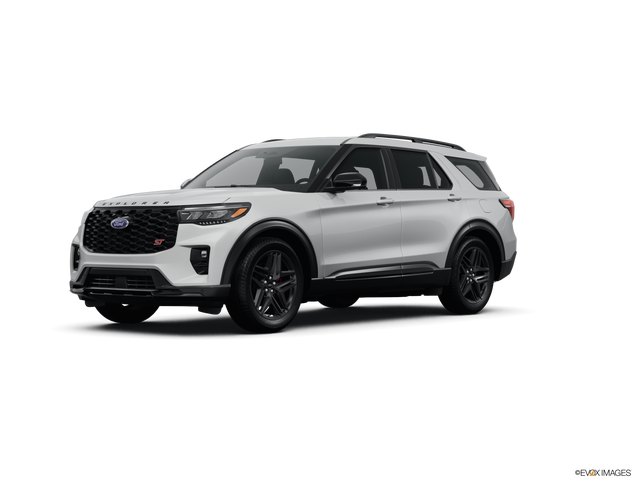
If you are shopping for a used car, you may notice that interest rates are often higher than what you see advertised for new vehicles. This can be surprising, especially when the used car itself costs less. While it may feel frustrating, there are clear reasons behind the difference.
Understanding why interest rates are higher on used cars helps you make better decisions, plan your budget more accurately, and find ways to lower your rate when possible. Once you know how lenders think, the financing process becomes far less confusing.
When you are ready to explore used car options from trusted local dealers, you can visit AutoFinder, where clarity and confidence guide every connection.
Used Cars Are Riskier for Lenders
One of the biggest reasons used car interest rates are higher is risk. From a lender’s perspective, used vehicles carry more uncertainty than new ones.
Used cars already have mileage, wear, and a shorter remaining lifespan. If something goes wrong and the borrower stops making payments, the vehicle may be worth less than the remaining loan balance. This increases the lender’s risk, and higher interest rates help offset that risk.
New cars, on the other hand, have predictable values, warranties, and longer expected life spans, which makes them safer to finance.
Vehicle Value Matters More With Used Cars
Depreciation plays a major role in interest rates. Used vehicles can lose value more unpredictably than new ones, especially if market conditions change.
Lenders consider:
- The age of the vehicle
- Total mileage
- Brand and reliability history
- Current resale value
- Expected future value
If a car is older or has higher mileage, the lender may increase the interest rate to protect against potential value loss.
Market Conditions Have Pushed Rates Higher
Interest rates across the economy have risen in recent years, and used car loans are especially sensitive to these changes. When overall borrowing costs increase, lenders pass those costs on to consumers.
Used car loans are often shorter-term and less subsidized by manufacturers, which means they feel the impact of rate increases more quickly than new car loans.
New cars sometimes qualify for promotional financing, such as low-interest offers, which are rarely available on used vehicles.
Manufacturer Incentives Favor New Cars
Automakers frequently work with lenders to offer lower interest rates on new vehicles. These incentives are designed to encourage new car sales and help move inventory.
Used cars do not receive these same manufacturer-backed incentives. Without factory support, lenders rely solely on standard loan pricing, which results in higher rates.
This is why you may see extremely low advertised rates for new cars while used car rates remain much higher.
Credit Score Has a Bigger Impact on Used Car Rates
Your credit profile plays a major role in any auto loan, but it often matters more with used cars. Because the loan already carries more risk, lenders scrutinize credit history more closely.
Borrowers with excellent credit may still secure competitive rates on used cars, but buyers with average or limited credit may see a noticeable jump in interest compared to new car financing.
Improving your credit score even slightly can make a meaningful difference in the rate you receive.
Loan Length and Down Payment Affect the Rate
Used car loans often come with shorter loan terms. While this can reduce total interest paid, it can also lead to higher rates because lenders prefer longer-term loans on new vehicles.
A larger down payment can help offset this. When you put more money down, you reduce the lender’s risk and may qualify for a lower interest rate.
How to Lower Your Interest Rate on a Used Car
Even though rates are higher, there are ways to improve your financing terms.
Get pre-approved before shopping
Pre-approval helps you compare offers and avoid high-rate surprises.
Improve your credit before applying
Paying down debt or correcting errors can lead to better rates.
Choose a newer used vehicle
Cars with lower mileage and newer model years often qualify for lower rates.
Make a larger down payment
More money down reduces risk and can lower your interest rate.
Shop lenders, not just dealerships
Banks, credit unions, and online lenders may offer different terms.
Is a Higher Interest Rate Always a Bad Deal
Not necessarily. A used car can still be the better financial choice even with a higher interest rate. The lower purchase price often offsets the higher rate, resulting in a lower total cost than a new car.
The key is understanding the full picture, including the out-the-door price, loan term, and total interest paid.
Final Thought
Interest rates are higher on used cars because lenders face more risk, fewer incentives, and greater uncertainty around vehicle value. While this can feel discouraging, understanding the reasons puts you back in control. With preparation, smart financing choices, and the right vehicle, you can still secure a used car loan that fits your budget and long-term goals.
When you are ready to explore used cars from trusted local dealers and compare pricing with confidence, visit AutoFinder, where transparency and trust guide every step of your car buying journey.
FAQs
Are used car interest rates always higher than new car rates?
Most of the time, yes, but borrowers with strong credit may see similar rates.
Can I refinance a used car loan later?
Yes. If rates drop or your credit improves, refinancing may lower your payment.
Do credit unions offer better used car rates?
Often they do. Credit unions can be a strong option for used car financing.
Does vehicle age affect interest rates?
Yes. Older vehicles typically come with higher rates.


Related Articles


The information provided in this article is for general informational purposes only and may change over time. Vehicle pricing, availability, specifications, incentives, financing terms, interest rates, and other details may vary by vehicle, dealer, lender, location, and individual circumstances. AutoFinder does not guarantee the accuracy or availability of information provided by third parties. Always confirm current vehicle details, pricing, terms, and eligibility directly with the participating dealer or appropriate provider before making a purchase or financial decision.