Top 10 Cars for Hiking Adventures
Last updated Sep 30th, 2026The best hiking memories usually begin long before you reach the trail.
They start loading backpacks into the cargo area before sunrise. They continue with winding mountain roads, scenic overlooks, and conversations that somehow feel better when you're headed outdoors.
The right vehicle should make getting there just as enjoyable as the hike itself.
That doesn't necessarily mean buying the biggest SUV with oversized tires and locking differentials. Most hiking trips don't require extreme off road capability. What they do require is a vehicle that's comfortable on the highway, confident on gravel roads, spacious enough for backpacks and hiking gear, and ready for changing weather.
Whether you're exploring national parks, chasing waterfalls, or discovering local trails close to home, these vehicles offer a combination of practicality, comfort, and capability that outdoor enthusiasts can appreciate.
For this guide, we focused on vehicles that are just as enjoyable Monday through Friday as they are on Saturday morning heading toward your favorite trail.
Find Your Best Price
See what others paid and get upfront pricing from local dealers.

How We Chose These Vehicles
A great hiking vehicle should do more than simply offer All Wheel Drive.
For this list, we considered several factors that matter in the real world.
- Ground clearance
- Available All Wheel Drive
- Cargo capacity
- Passenger comfort
- Fuel economy
- Reliability
- Ride quality
- Ease of loading gear
- Overall value
Most importantly, we asked one simple question.
Would we happily drive this vehicle several hours to reach a trailhead?
If the answer was yes, it earned a place on this list.
What Makes a Great Hiking Vehicle?
You don't need a purpose-built rock crawler to enjoy the outdoors.
In fact, many of today's crossovers handle gravel roads, dirt parking areas, and changing weather remarkably well.
The best hiking vehicles balance several qualities.
First, they need enough cargo space for backpacks, hiking boots, trekking poles, coolers, and extra clothing.
Second, they should inspire confidence when pavement ends. Available All Wheel Drive, reasonable ground clearance, and good visibility all help when roads become rough or muddy.
Finally, they need to be comfortable.
After spending six hours on the trail, the last thing most hikers want is another three hours in uncomfortable seats.
The vehicles on this list deliver that balance.
Signs You've Outgrown Your Current Adventure Vehicle
Sometimes your vehicle tells you it's time for an upgrade.
Your backpacks barely fit behind the rear seats.
You hesitate every time the road turns to gravel.
Everyone's boots end up piled on top of each other.
Your cooler takes up the entire cargo area.
You avoid certain trailheads because you're worried about ground clearance.
If any of those sound familiar, it may be time to consider a vehicle that's better suited for your adventures.
1. Subaru Outback
Best For: Hikers who spend every weekend exploring somewhere new.
If hiking had an official vehicle, it might be the Subaru Outback.
Few vehicles have earned such a strong reputation among outdoor enthusiasts, and it's easy to understand why.
The Outback feels equally comfortable commuting through city traffic as it does climbing a gravel road toward a remote trailhead. Standard Symmetrical All Wheel Drive provides confidence when weather changes unexpectedly, while generous ground clearance helps navigate uneven terrain that would make many wagons or sedans turn around.
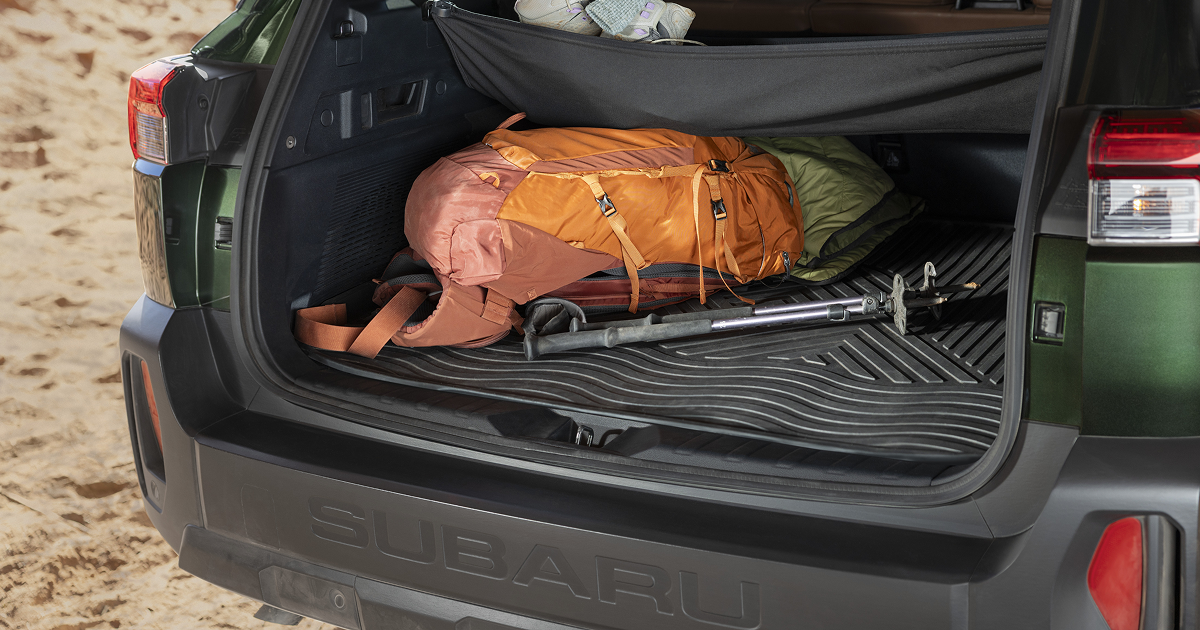
The cargo area easily swallows hiking backpacks, trekking poles, boots, and even camping gear for an overnight adventure. Roof rails also make it easy to carry bikes, kayaks, or cargo boxes when your adventures continue beyond the hiking trail.
Inside, the Outback remains quiet and comfortable, something you'll appreciate after a full day outdoors.
It doesn't pretend to be an extreme off-road vehicle.
Instead, it excels at exactly what most hikers actually need.
Things to Consider
If you regularly tow heavier outdoor equipment or frequently travel with more than five people, a larger SUV may be a better fit.
2. Toyota 4Runner
Best For: Reaching remote trailheads.
Some hiking destinations begin where the pavement ends.
The Toyota 4Runner was built for those days.
Its body on frame construction, impressive ground clearance, and proven four wheel drive capability allow it to confidently tackle rough access roads that might challenge many crossovers.
At the same time, the spacious cargo area easily accommodates hiking gear, coolers, recovery equipment, and camping supplies.
The rear window that rolls down is another small feature owners absolutely love, especially when loading longer gear or letting fresh mountain air flow through the cabin.
Perhaps the biggest compliment you can give the 4Runner is that it makes difficult roads feel routine.
For hikers who frequently venture far beyond maintained park entrances, that confidence is worth a lot.
Things to Consider
Its truck-based design produces a firmer ride and lower fuel economy than many crossover SUVs.
3. Honda Passport
Best For: Outdoor enthusiasts who split time between highways and trails.
The Honda Passport often flies under the radar, but it deserves much more attention.
It offers generous cargo space, comfortable seating, and available all wheel drive without becoming oversized or difficult to drive.
One feature hikers quickly appreciate is the wide cargo opening.
Loading backpacks, coolers, folding chairs, and hiking boots feels effortless.
The Passport also delivers a smooth ride on long highway drives, making those early morning trips to national parks much more enjoyable.
If your adventures involve equal parts pavement and gravel, the Passport strikes one of the best balances available today.
Things to Consider
Buyers seeking serious rock crawling capability may still prefer the Toyota 4Runner or Jeep Wrangler.
4. Jeep Grand Cherokee
Best For: Hikers who enjoy venturing beyond maintained roads.
The Jeep Grand Cherokee has long balanced refinement with capability.
Inside, it feels comfortable enough for long highway drives.
Outside, available four wheel drive systems, generous ground clearance, and confident handling make rough trail access roads feel much less intimidating.
The cargo area is also thoughtfully designed, providing plenty of room for outdoor gear while keeping loading height manageable.
For buyers who occasionally mix hiking with camping or light overlanding, the Grand Cherokee offers impressive versatility without sacrificing everyday comfort.
Things to Consider
Higher trim levels can become expensive compared with some competitors.
5. Hyundai Santa Fe
Best For: Weekend hikers looking for everyday practicality.
Not every hiking adventure requires a rugged off-road SUV.
The Hyundai Santa Fe proves that.
Available All Wheel Drive, a comfortable ride, generous cargo space, and impressive technology make it an excellent companion for state parks, scenic overlooks, and well-maintained trail systems.
Families especially appreciate the roomy cabin, while the rear seats fold flat to create additional space for larger outdoor gear.
The Santa Fe also delivers excellent value by combining modern technology with practical everyday usability.
It may not be the first vehicle outdoor enthusiasts think about, but after spending a weekend with one, many are pleasantly surprised.
Things to Consider
Drivers regularly tackling rougher backcountry roads may want additional ground clearance than the Santa Fe provides.
6. Ford Bronco Sport
Best For: Hikers who love exploring beyond the map.
Some adventures begin where GPS coverage ends.
The Ford Bronco Sport was designed with those adventures in mind.
Don't let its compact size fool you. The Bronco Sport packs an impressive amount of capability into a footprint that's easy to drive every day. Available four wheel drive, useful ground clearance, and multiple terrain management modes help inspire confidence when trailhead access roads become rough, muddy, or uneven.
The upright cabin also works surprisingly well for outdoor enthusiasts. Large windows provide excellent visibility, while the cargo area easily accommodates backpacks, hiking boots, coolers, and recovery gear.
Ford even included thoughtful touches that outdoor lovers appreciate, including durable interior materials that are easier to clean after muddy hikes.
The Bronco Sport feels adventurous without demanding compromises during your daily commute.
Things to Consider
Cargo space is generous for its size, but families carrying camping equipment for several people may eventually want something larger.
7. Kia Telluride
Best For: Families who love hiking together.
The Kia Telluride earns another spot on one of our Top Picks lists because it simply adapts to so many different lifestyles.
For hiking families, that flexibility becomes a huge advantage.
Three rows of seating mean everyone can come along, while the large cargo area easily handles backpacks, hiking poles, picnic supplies, and extra layers for changing mountain weather.
The comfortable ride is another reason the Telluride shines.
After spending hours climbing trails, you'll appreciate supportive seats, a quiet cabin, and plenty of room to stretch out on the drive home.
Available All Wheel Drive also adds confidence when your favorite hiking destination includes gravel roads or unpredictable weather.
It may not be the most rugged vehicle on this list, but it excels where most hikers spend the majority of their time: traveling comfortably to the trail.
Things to Consider
Drivers seeking dedicated off-road capability may prefer the Bronco Sport, Jeep Grand Cherokee, or Toyota 4Runner.
8. Chevrolet Traverse
Best For: Groups that never travel light.
If every hiking trip feels like you're packing for a week in the wilderness, the Chevrolet Traverse deserves serious consideration.
One of its biggest strengths is simply how much gear it can carry.
Large backpacks, coolers, folding chairs, camera equipment, hiking boots, and extra clothing all fit comfortably without forcing passengers to sacrifice legroom.
The wide cargo opening also makes loading bulky gear much easier than many midsize SUVs.
On the road, the Traverse delivers a smooth, composed ride that's perfect for longer drives to national parks or mountain destinations.
Families especially appreciate the spacious second and third rows, making it easy to bring friends along for the adventure.
Sometimes the best hiking vehicle isn't the one that climbs the steepest hill.
It's the one that comfortably gets everyone there.
Things to Consider
Its larger size may be more than solo hikers or couples need for everyday driving.
9. Mazda CX-50
Best For: Outdoor enthusiasts who still love driving.
The Mazda CX-50 brings something a little different to this list.
Yes, it offers available All Wheel Drive, generous cargo space, and practical roof rails.
But it also happens to be one of the most enjoyable vehicles here to drive.
The steering feels responsive, the suspension strikes an excellent balance between comfort and control, and the cabin feels more premium than many competitors.
For hikers who spend several hours driving to reach scenic destinations, those qualities matter.
You'll enjoy the journey just as much as the destination.
The cargo area easily handles outdoor gear, while thoughtful storage throughout the cabin helps keep smaller essentials organized.
It's an adventure vehicle that never forgets it's also your daily driver.
Things to Consider
Those looking for maximum off-road capability may prefer the Toyota 4Runner or Jeep Grand Cherokee.
10. Subaru Forester
Best For: Weekend hikers who value confidence in every season.
The Subaru Forester has been a favorite among outdoor enthusiasts for years, and it's easy to understand why.
Its combination of standard Symmetrical All Wheel Drive, generous visibility, comfortable seating, and practical cargo space makes it feel perfectly at home heading toward a trailhead.
The upright driving position provides an excellent view of the road ahead, while the large rear cargo area easily accommodates hiking equipment, dog crates, or camping supplies.
The Forester also shines during unpredictable weather.
Rain, snow, muddy parking areas, and gravel roads rarely feel intimidating thanks to Subaru's proven All Wheel Drive system.
For many hikers, that peace of mind is worth just as much as horsepower or luxury features.
Things to Consider
Drivers regularly towing heavier equipment or carrying larger groups may benefit from moving up to the Outback or a larger SUV.
Do You Need an SUV to Enjoy Hiking?
Not necessarily.
One of the biggest misconceptions is that every hiking adventure requires a rugged Four Wheel Drive SUV.
The reality is that most trailheads across the country are accessible using well-maintained paved or gravel roads.
For many people, an All Wheel Drive crossover provides all the capability they'll ever need while offering a quieter ride, better fuel economy, and easier parking during the workweek.
However, if your favorite destinations regularly include remote forest service roads, rocky access trails, or higher elevations with changing weather, additional ground clearance and more capable Four Wheel Drive systems can absolutely be worthwhile.
Think about where you actually hike, not where you might hike once every five years.
The best hiking vehicle is the one that fits your everyday adventures.
Features Every Hiking Vehicle Should Have
Capability is important, but so is practicality.
Look for features like:
- Available all wheel drive or four wheel drive
- Generous cargo space
- Fold flat rear seats
- Roof rails
- Durable interior materials
- Hands-free liftgate
- Multiple USB charging ports
- Good ground clearance
- Comfortable front seats
- Large side mirrors and excellent visibility
These features make every trip easier, whether you're heading to a nearby nature preserve or a national park several states away.
If you're planning longer outdoor adventures, you may also enjoy our guides to Top 10 Cars for People Looking for More Room and Top 10 Cars for Road Trips, both of which highlight vehicles that balance comfort with everyday versatility.
How AutoFinder Helps You Find Your Next Adventure Vehicle
Finding the right hiking vehicle is about more than comparing specifications.
It's about finding the vehicle that matches the way you spend your weekends.
AutoFinder helps you compare:
- Cargo capacity
- Available All Wheel Drive systems
- Ground clearance
- Passenger space
- Safety features
- Available trims
- Pricing
- Local inventory
Instead of searching multiple websites, you can compare vehicles side by side and connect directly with trusted dealerships when you're ready.
That makes planning your next adventure almost as enjoyable as the adventure itself.
Final Thoughts
The perfect hiking vehicle doesn't have to conquer boulder fields or climb mountains.
It simply needs to get you to the places that inspire you.
Whether that's a quiet trail through a local state park, a national park on the other side of the country, or a hidden waterfall you've been wanting to visit for years, the right vehicle should make every mile part of the experience.
The Subaru Outback, Toyota 4Runner, Honda Passport, Jeep Grand Cherokee, Hyundai Santa Fe, Ford Bronco Sport, Kia Telluride, Chevrolet Traverse, Mazda CX-50, and Subaru Forester all deliver impressive combinations of comfort, capability, and practicality.
No matter where your next hike takes you, AutoFinder makes it easy to compare vehicles, explore available inventory, and connect with trusted dealerships that can help you find the right adventure companion.
Want More Car Buying Advice?
Add AutoFinder as a preferred source on Google to help you discover more of our automotive guides and research.
FAQs
What is the best vehicle for hiking?
The best hiking vehicle depends on where you explore. The Subaru Outback, Toyota 4Runner, Honda Passport, and Subaru Forester are all excellent choices because they combine cargo space, available All Wheel Drive or Four Wheel Drive, comfort, and everyday practicality.
Do I need four wheel drive to go hiking?
Not always. Many trailheads are accessible using paved or gravel roads where an All Wheel Drive crossover is more than capable. Four Wheel Drive becomes more valuable if you regularly travel on rough, muddy, or remote roads.
What features should hikers prioritize?
Look for generous cargo space, fold-flat rear seats, roof rails, available All Wheel Drive, good ground clearance, comfortable seating, and durable interior materials that are easy to clean after outdoor adventures.
Is a crossover better than an SUV for hiking?
For many people, yes. Crossovers often provide a smoother ride, better fuel economy, and easier everyday driving while still offering enough capability for most hiking destinations. Larger SUVs may be better suited for more remote trails or larger groups.
How can AutoFinder help me compare hiking vehicles?
AutoFinder lets you compare adventure-ready vehicles side by side, review features, compare pricing, explore available inventory, and connect directly with trusted dealerships so you can confidently choose the vehicle that fits your next adventure.
The information provided in this article is for general informational purposes only and may change over time. Vehicle pricing, availability, specifications, incentives, financing terms, interest rates, and other details may vary by vehicle, dealer, lender, location, and individual circumstances. AutoFinder does not guarantee the accuracy or availability of information provided by third parties. Always confirm current vehicle details, pricing, terms, and eligibility directly with the participating dealer or appropriate provider before making a purchase or financial decision.